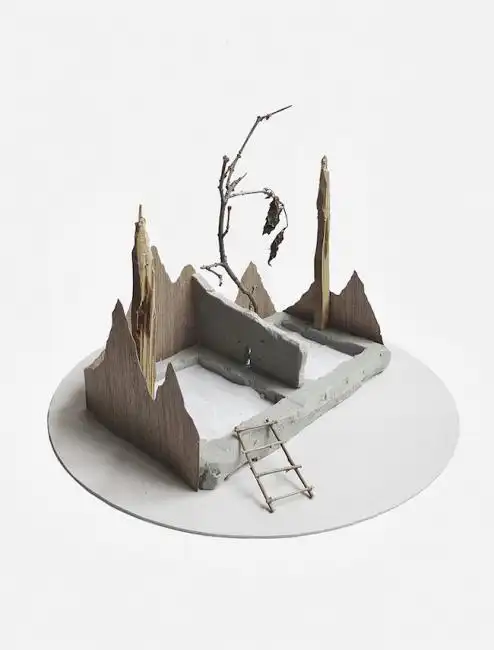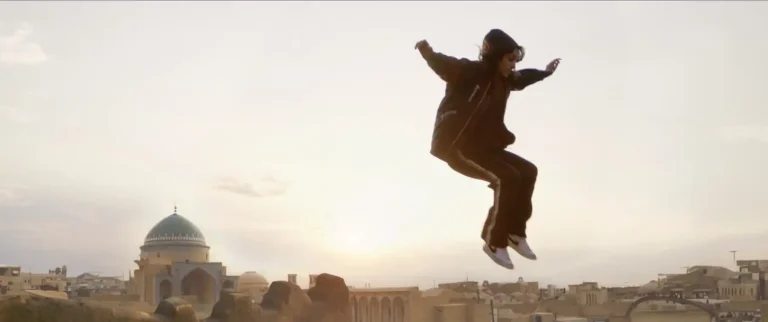
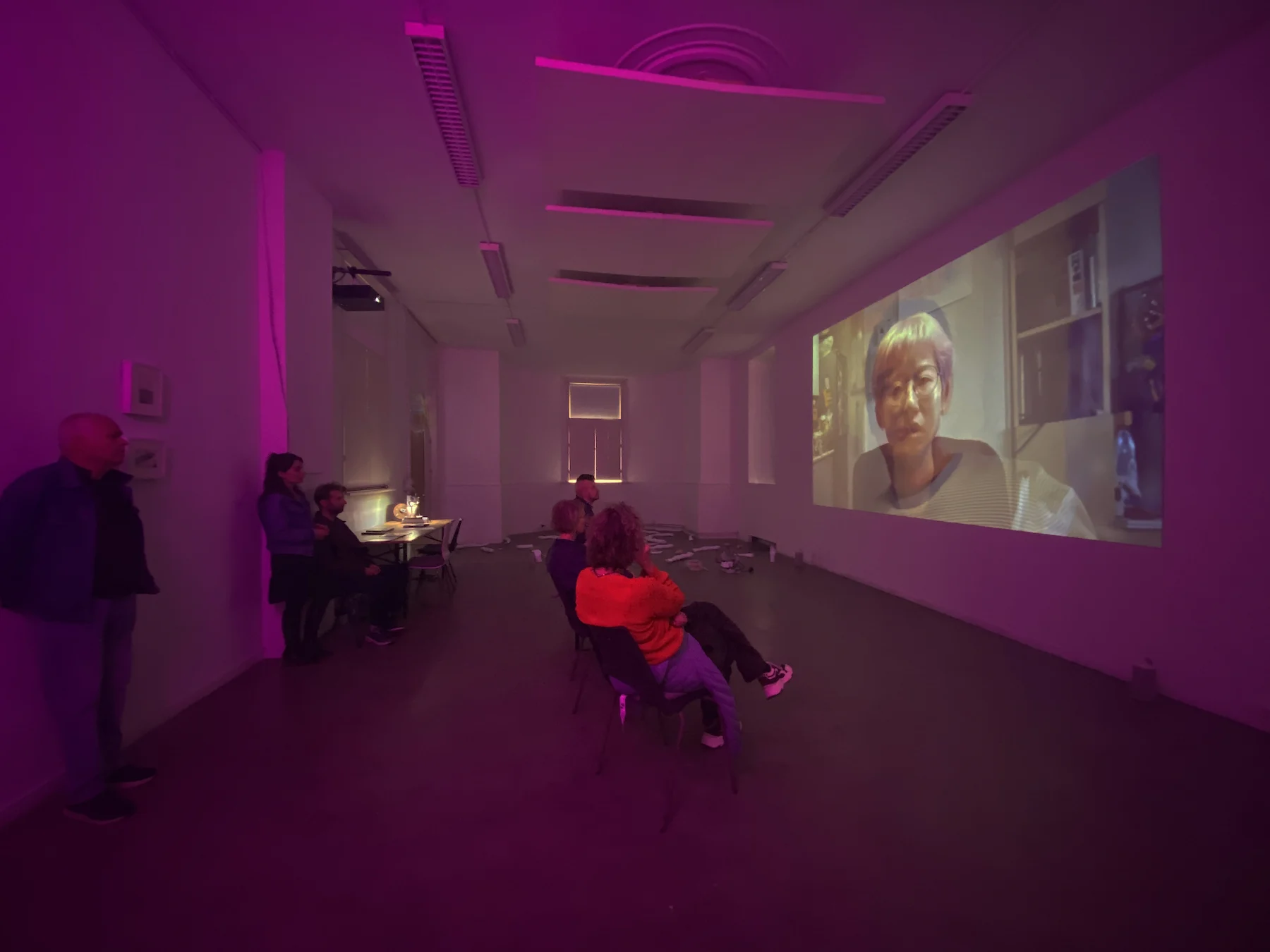
Ai Ohashi is GlogauAIR resident from October 2026 to December 2026. Q4
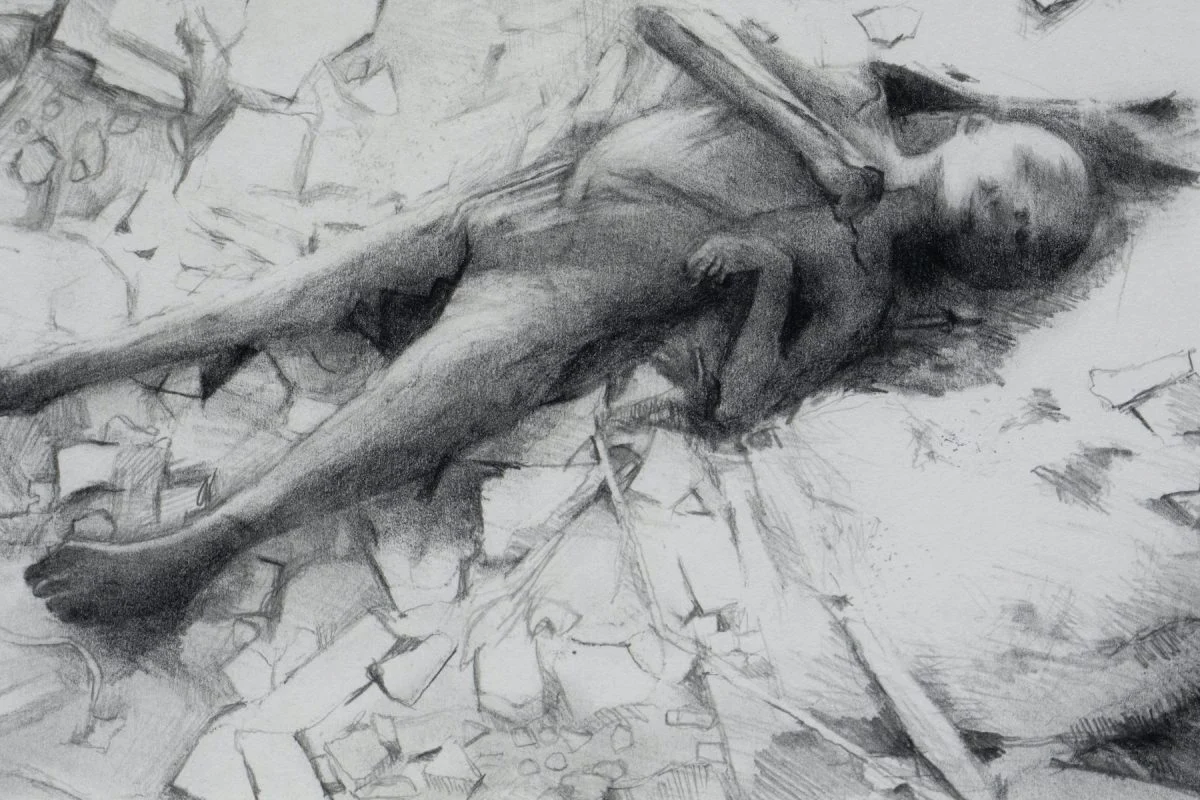
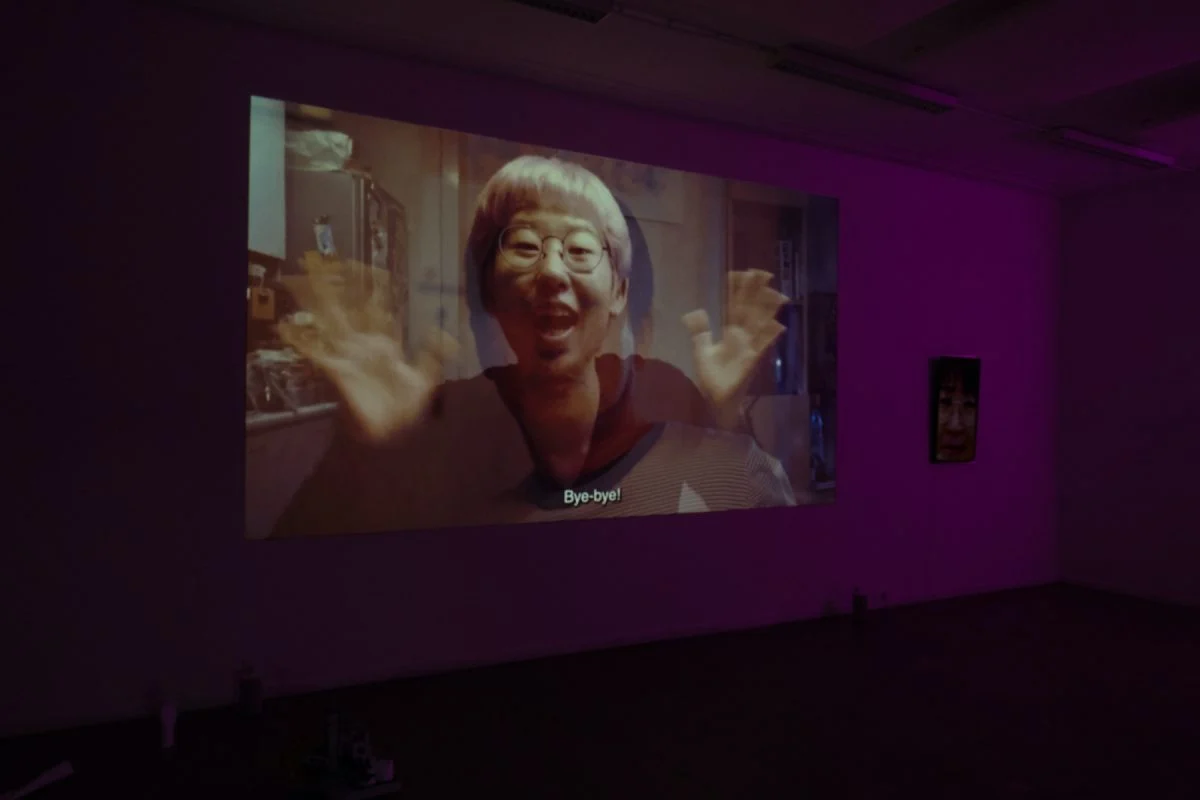
The work of Ai Ohashi begins with haunting images: their deceased father watching them, photos of atomic bomb victims seen as a child, and a deceased friend’s family. Tied to their past and ongoing violence, these become videos and repeated drawings. Prolonged exposure to the same image, or bodies held in unfamiliar visual settings, evokes distress and instability. As viewers relive the artist’s fixation, their privileged position as observers and judges falters. The boundary between self and other grows uncertain.




Meet the Artist
Can you please tell us a bit about yourself and your artistic practice?
My work is concerned with a strictly personal perspective connected to the world; it begins with myself and my own trauma. When I engage with someone else’s work, my primary focus is understanding their personal emotion, their inner self, and their individual trauma, how they feel, and how they navigate their own inner self. For me, art doesn’t stand from a neutral third-person perspective; it is deeply personal and subjective.
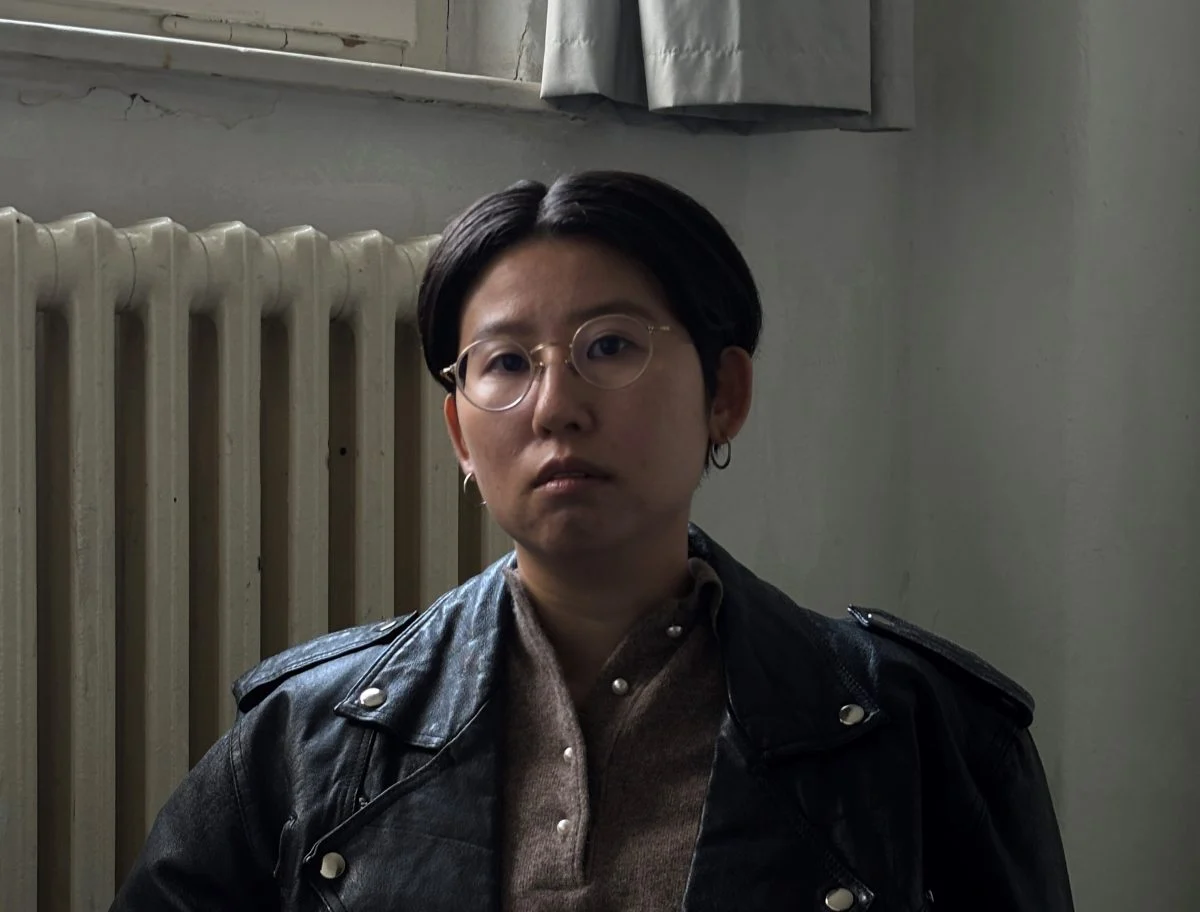
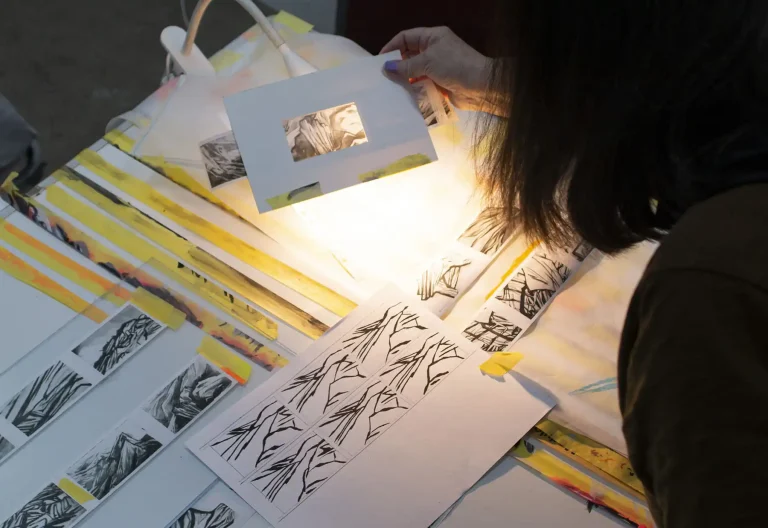
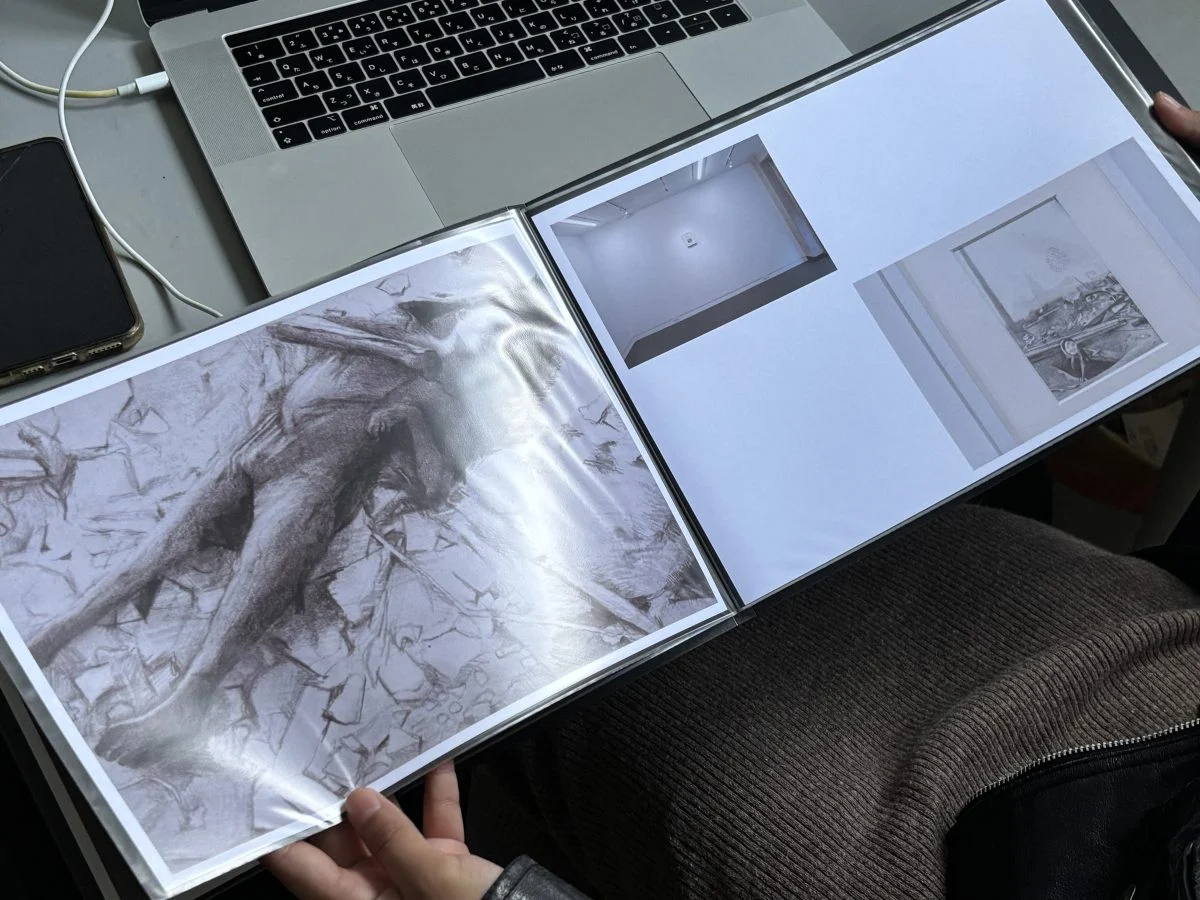
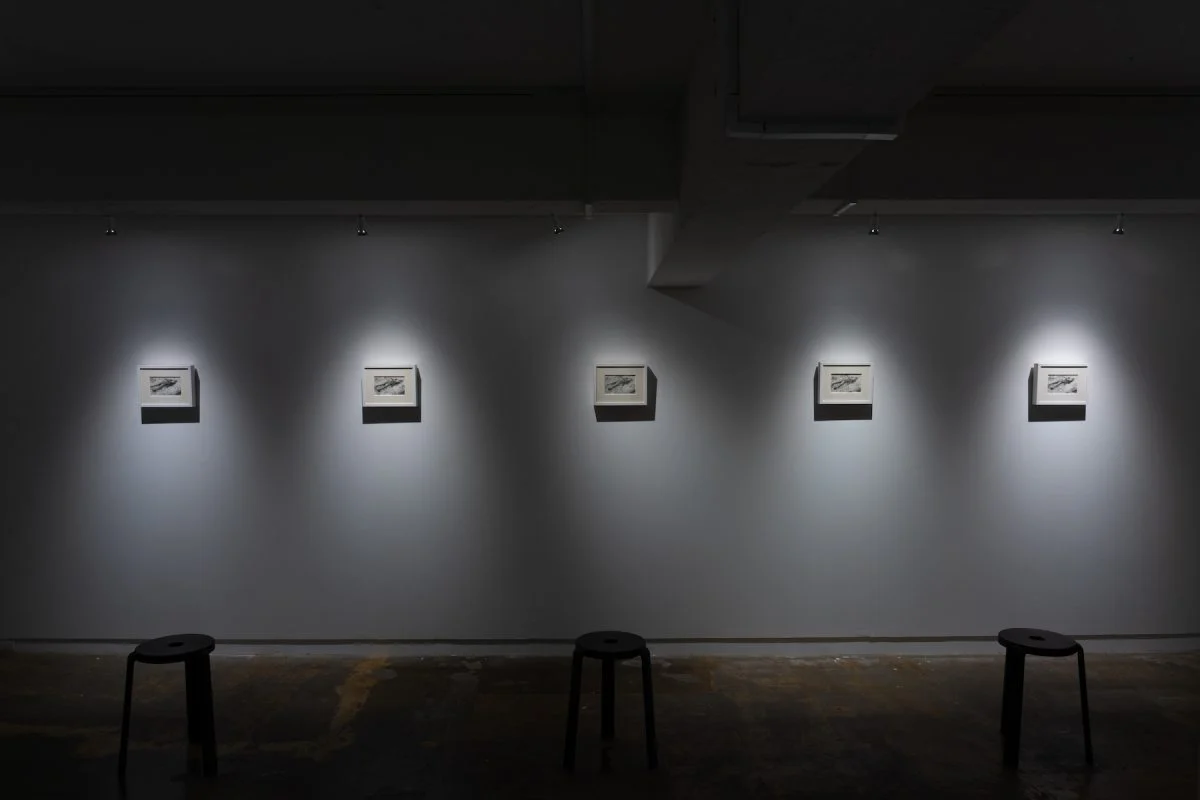
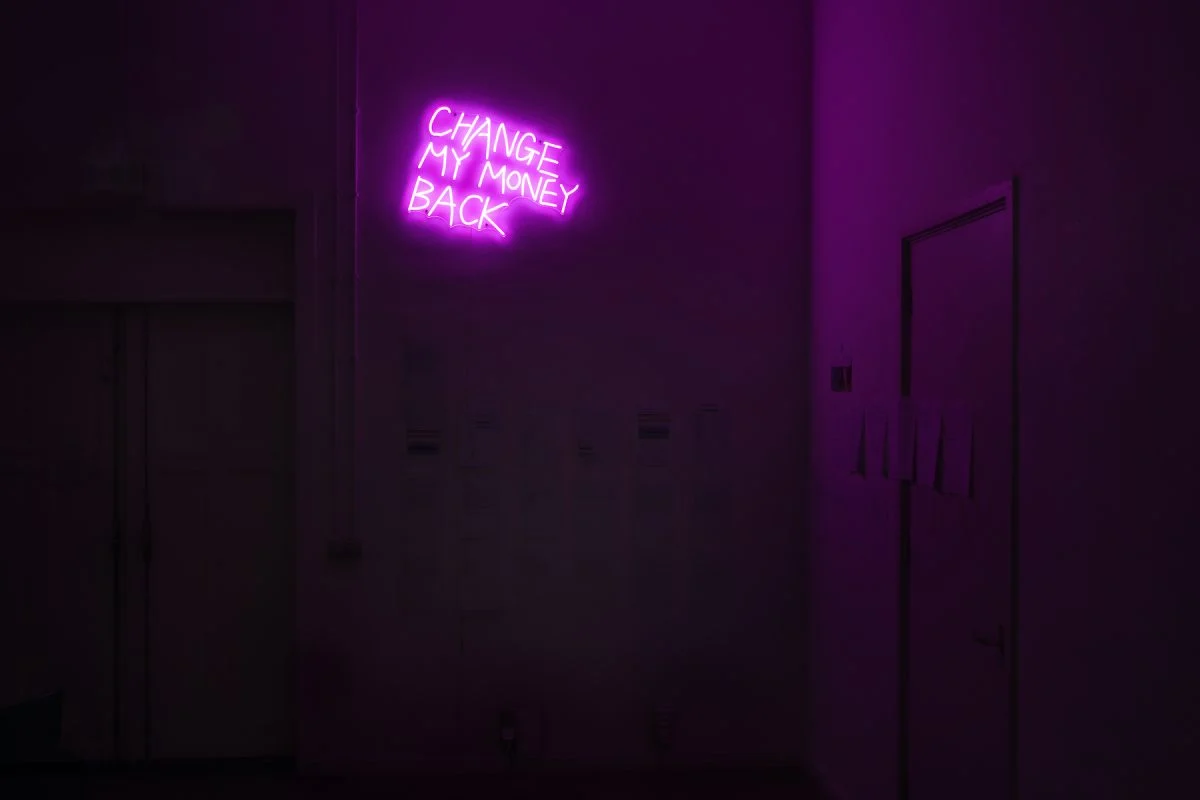
In your solo exhibition HOPE (IT’S MY TRAUMA), you obsessively copy Yosuke Yamahata’s photograph of a Nagasaki atomic bomb victim through repetitive pencil drawings. Does this physical, slow act of transcription help resolve or heal the trauma, or is it more of a way to exorcise and gain control over an image that haunts you, turning a personal wound into a political critique?
In the beginning, I was trying to care about myself through drawing and get relief from trauma. Honestly, art didn’t cure or erase it. Instead, the creative process generates new work, which brings new perspectives and other questions to light. My anger and personal feelings still remain, but the process opens up new dimensions to explore.
In your work, you often challenge the stereotyped image of the victim by showing that victims are complex and possess their own forms of anger or agency. How does your practice attempt to reframe the conversation around victimhood and structural oppression?
I don’t approach structural oppression from a broad, abstract stance. My primary focus is always my personal emotion, including anger. Society contains many complex layers of oppression, but I don’t try to solve or diagnose them completely on my own. Doing so would make the work too closed. Instead, by grounding the work in my own authentic emotion, I keep it open to interpretation and allow the conversation around victimhood to remain complex and multi-layered.
Your practice is strongly rooted in exposing structural violence and gender inequality in Japan, such as your activism during the Aichi Triennale 2019. Coming to Berlin for your residency at GlogauAIR, how do you foresee this shift in context influencing your current research and what you hope to share with the audience here?
Participating in the Aichi Triennale 2019 was an intense, uncommon experience in my twenties that exposed the harsh realities of gender inequality in Japan. Moving to Berlin allows me to bring those experiences into a completely different context. While the Asian and European social landscapes differ significantly, gender gaps exist everywhere—even in progressive countries. During my residency at GlogauAIR, I am exploring my current inner state and my ‘inner child’ through new work. I don’t have rigid expectations of the outcome; rather, I am excited to see what new ideas and dynamic exchanges will emerge from connecting with the audience here.
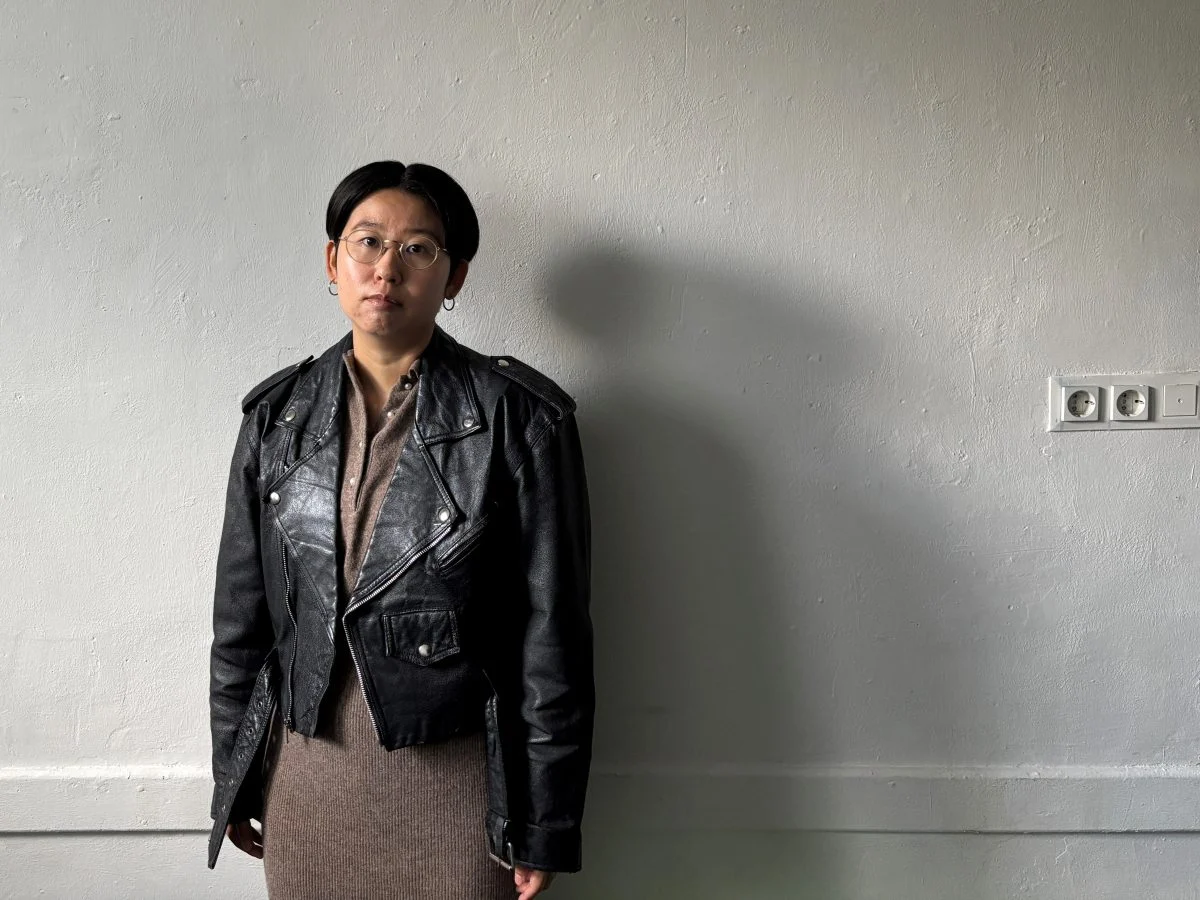
Interviewer // Mariella Raia
Photos // Danae Ripley
- Statement
- GlogauAIR Project
- CV
- Gallery
- More
Statement
My work begins with haunting images: my deceased father watching me, photos of atomic bomb victims I saw as a child, and a deceased friend’s family. Tied to my past and ongoing violence, they become videos and repeated drawings. Prolonged exposure to the same image, or bodies held in unfamiliar visual settings, evokes distress and instability. As viewers relive my fixation, their privileged position as observers and judges falters. The boundary between self and other grows uncertain. I now explore bodily sensations of massacre through performance and video in a project on the Nanjing Massacre.
GlogauAIR Project
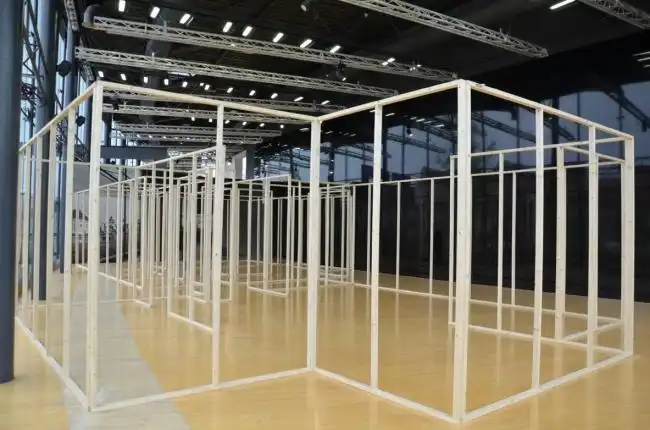
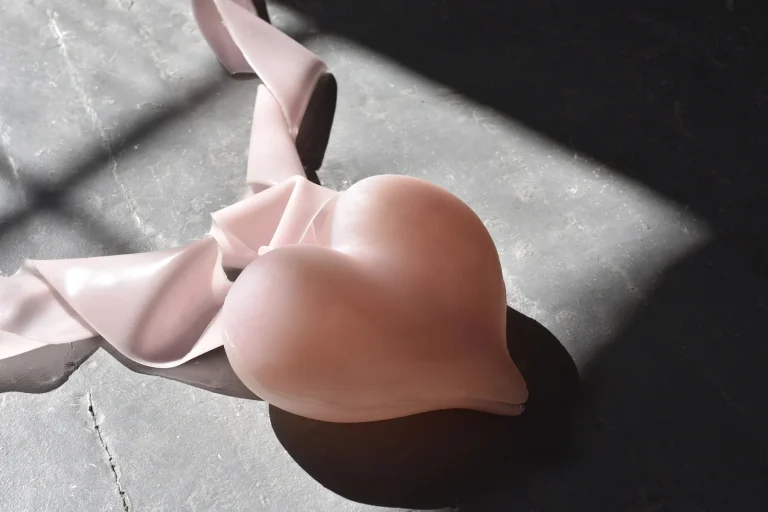
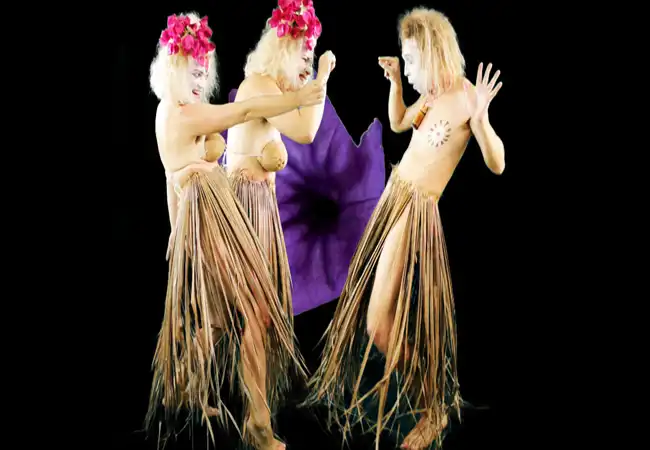
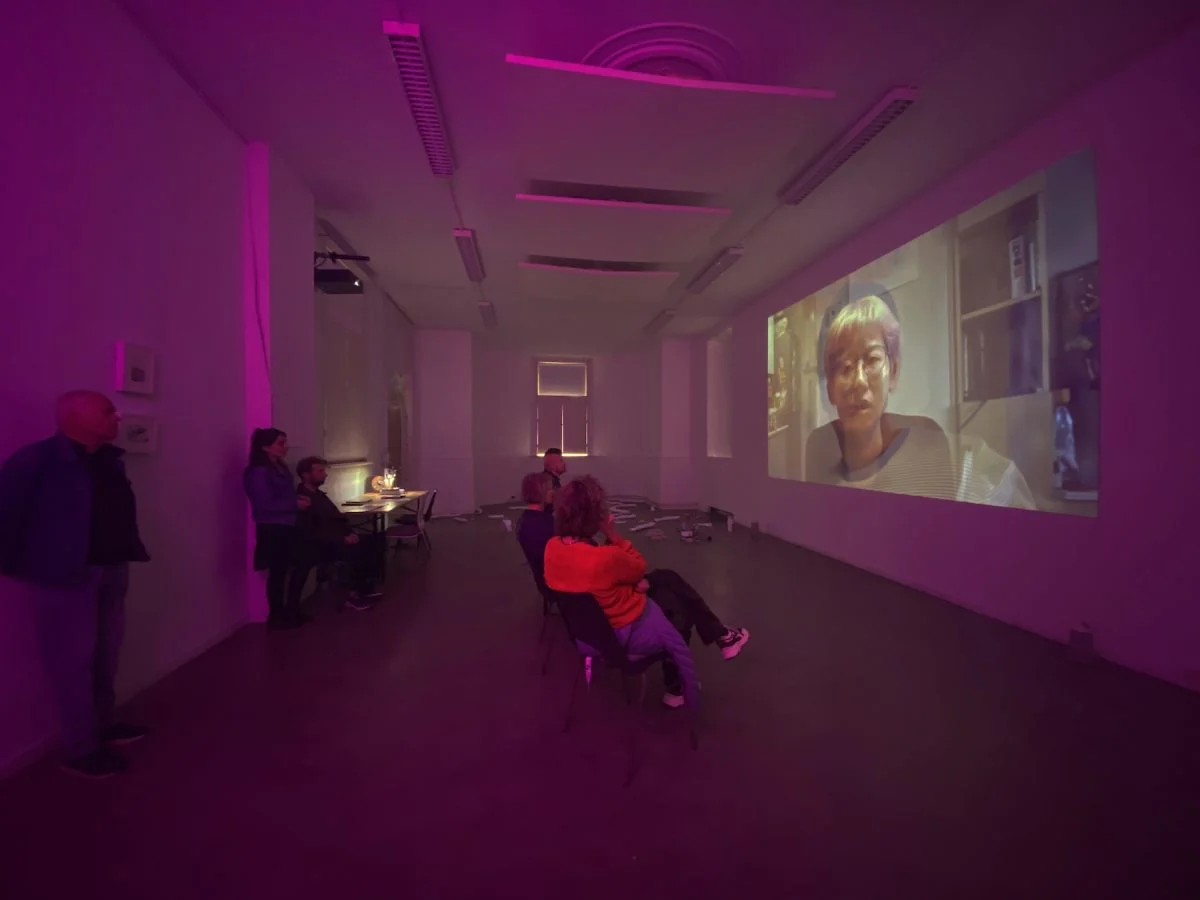
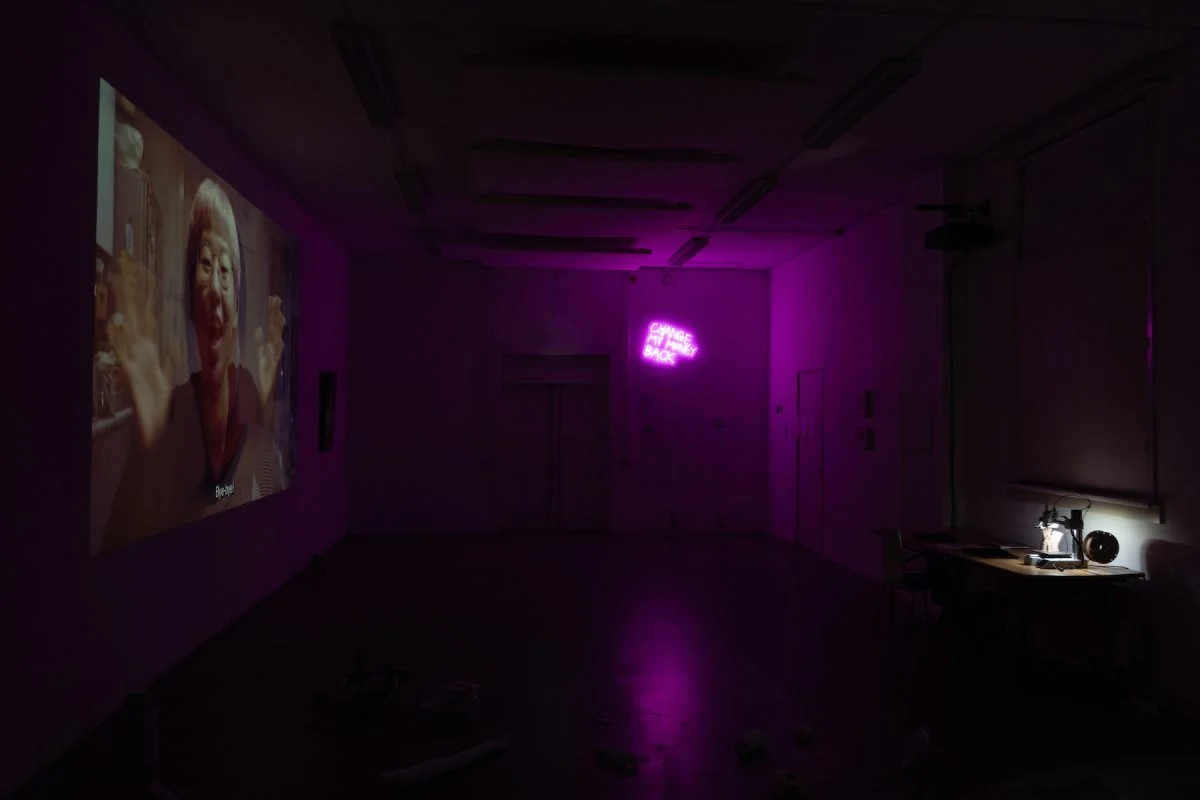
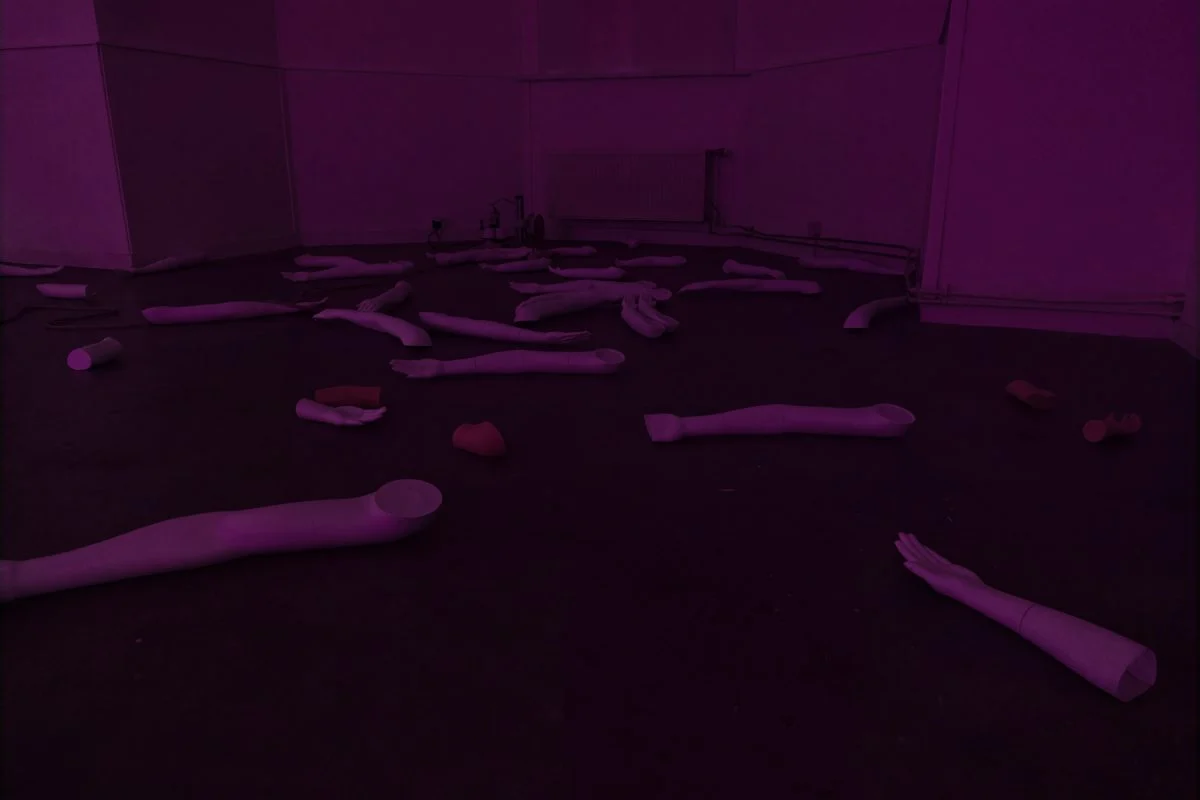
NANJING ARMS and SELL ME examine how violence is inherited and reproduced through artistic practice. In NANJING ARMS, I repeatedly bind, stab, and lay out fifty pairs of mannequin arms, testing whether performance can reconstruct a history of perpetration that has no direct means of transmission. SELL ME shifts the focus to my own desire for recognition: I shout “SELL ME” until I can no longer continue. Together, the works question whether representing violence risks repeating it, and whether an artist can ever stand outside the structures of desire, power, and violence they seek to examine.
CV
Education
- 2013–2018 B.A. in Fine Arts, Joshibi University of Art and Design, Japan
Selected Solo Exhibitions
- 2026 HOPE (IT’S MY TRAUMA), COPYCENTER GALLERY, Tokyo, Japan
- 2024 One Woman, One Life, BUoY, Tokyo, Japan
- 2023 DAD, BUoY, Tokyo, Japan
Selected Group Exhibitions
- 2022 Non Freedom of Expression, Kunitachi Community Art Center, Tokyo, Japan
- 2021 Non Freedom of Expression, Ell Osaka, Osaka, Japan
- 2019 Aichi Triennale 2019: Taming Y/Our Passion, After “Freedom of Expression?”, Aichi Prefectural Museum of Art, Aichi, Japan
- 2019 EAPAP 2019: The Island Song, Jeju April 3rd Memorial Hall, Jeju, South Korea
- 2019 Tokyo Independent 2019, Tokyo University of the Arts Museum, Tokyo, Japan
- 2018 Ongoing Fes – Art Fair Ongoing 2018, Art Center Ongoing, Tokyo, Japan
- 2018 Five Art Universities in Tokyo Union Graduate Exhibition, The National Art Center, Tokyo, Japan
- 2016 Student Art Marathon 2016, blanclass, Yokohama, Japan
- 2015 JART 5th: Japanese Emerging Artists from Tokyo and New York, WAH Center (Williamsburg Art & Historical Center), New York
Residencies
- 2026 Project Space Residency, Het Wilde Weten, Rotterdam, The Netherlands
Screenings and Performances
- 2018 Maebashi Media Art Festival 2018 (Screening), Gunma, Japan
- 2018 Five Art Universities in Tokyo Union Graduate Exhibition (Performance), The National Art Center, Tokyo, Japan
Selected Bibliography and Media References
- The New York Times (Aug 2019): “A Shadow Falls Over Japan’s Premier Art Festival”
- ART iT (Sep 2019): “AICHI TRIENNALE 2019 ARTIST STATEMENTS: Ai Ohashi and Others”
- ArtAsiaPacific (Apr 2020): “Freedom of Expression Costs Millions for Aichi Triennale”
- ArtReview (Sep 2019): “Aichi Triennale Loses Funding”
Gallery
More
We do not have any further information at this time.