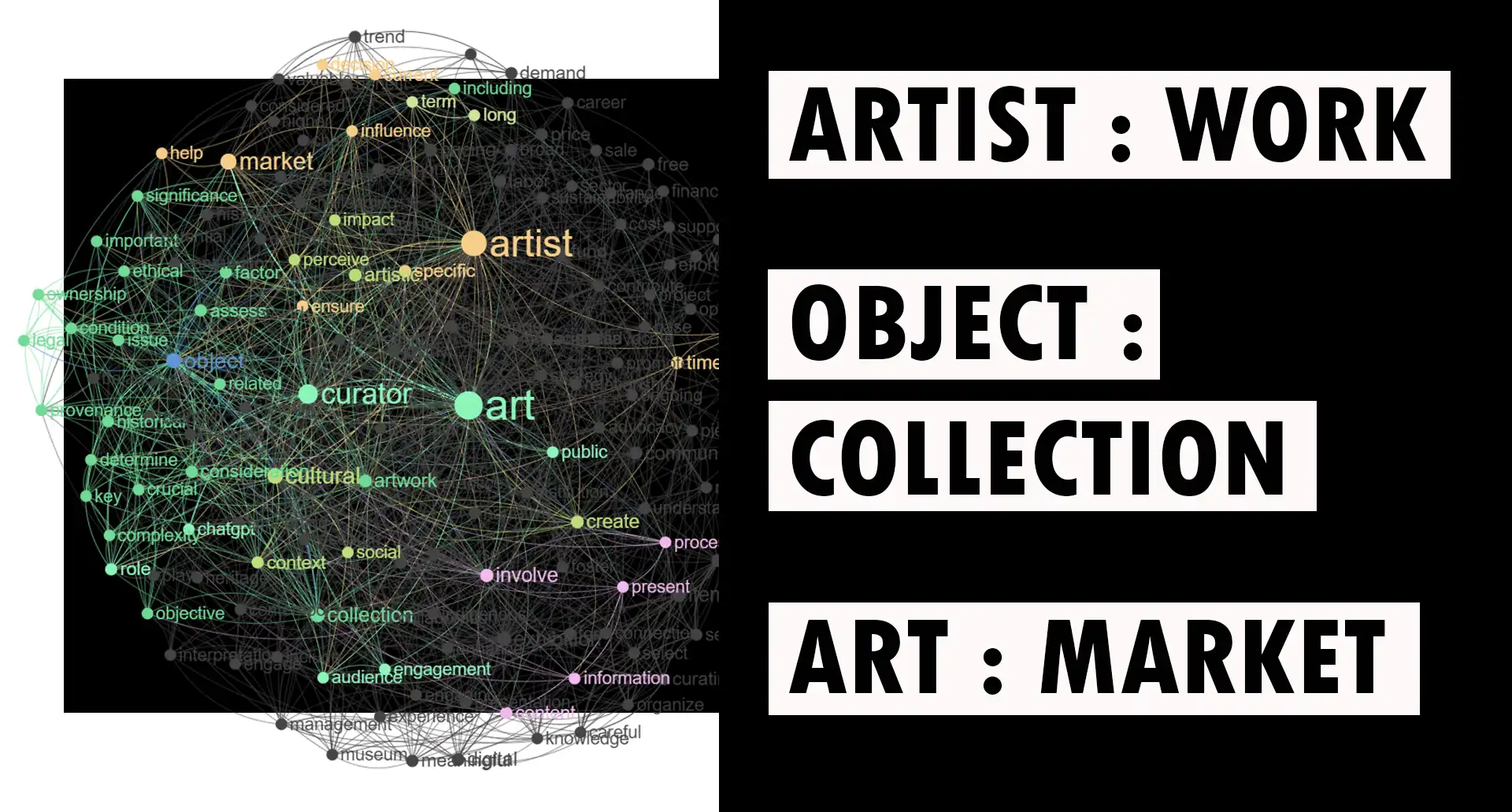
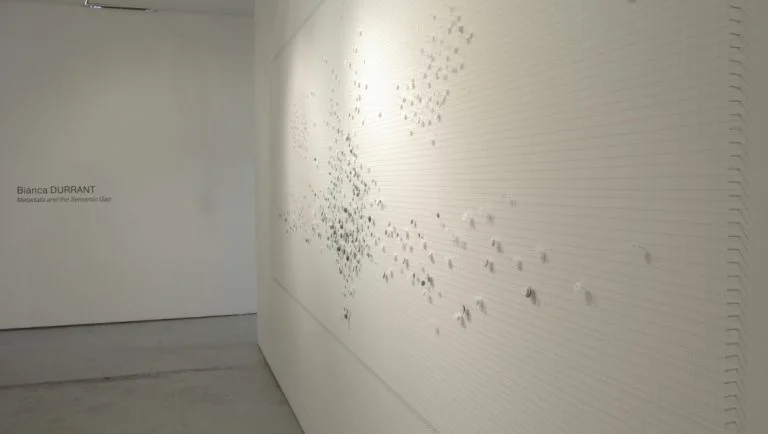
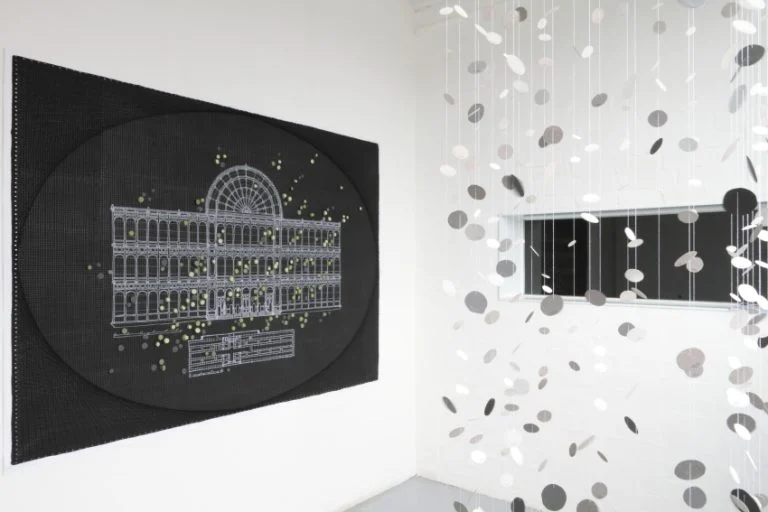
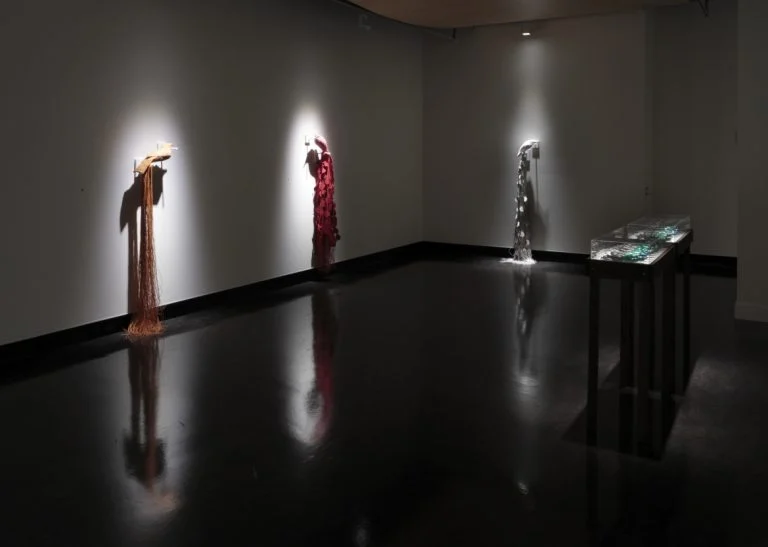
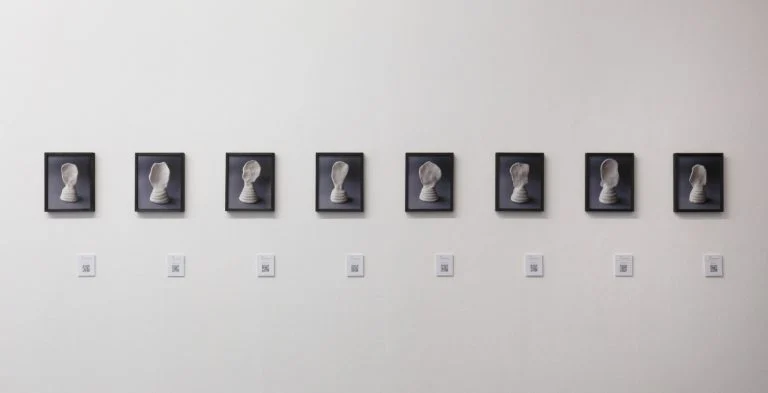
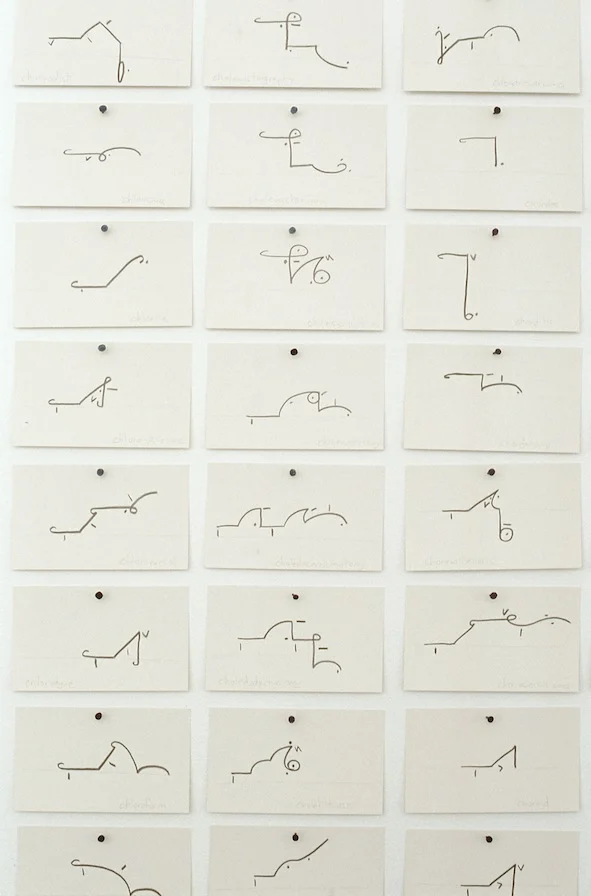
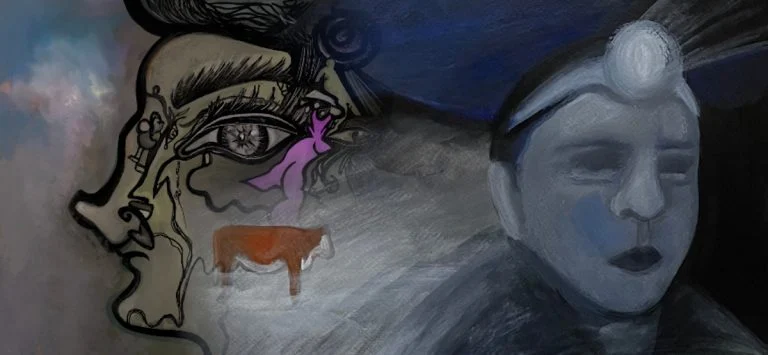
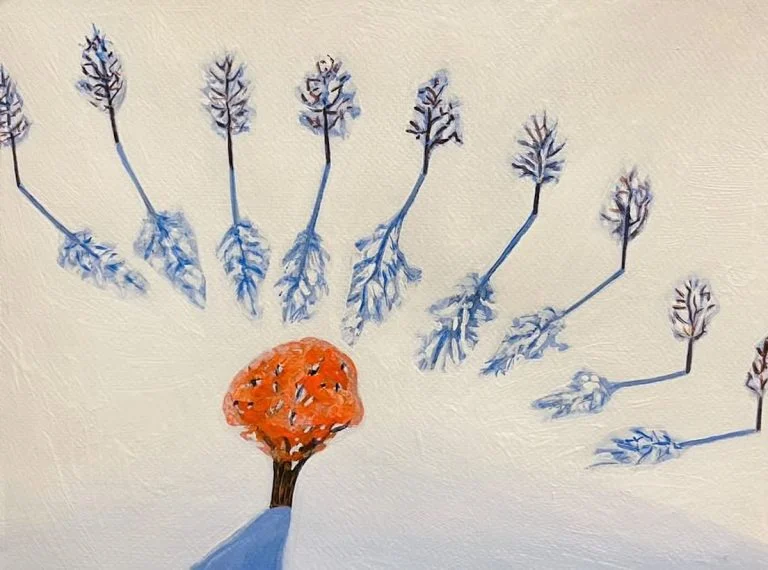
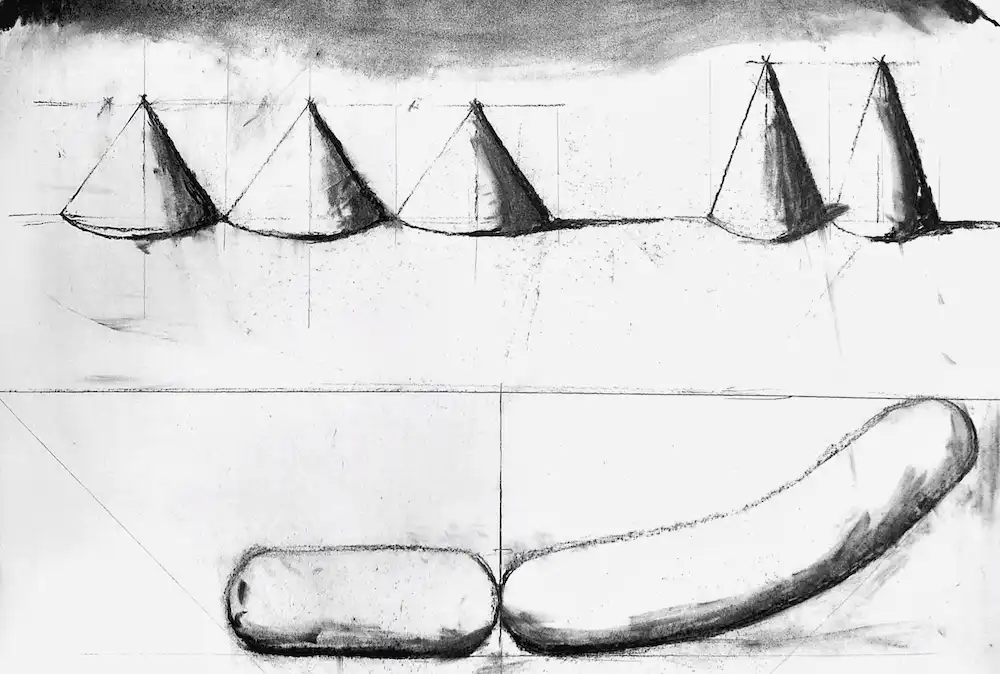
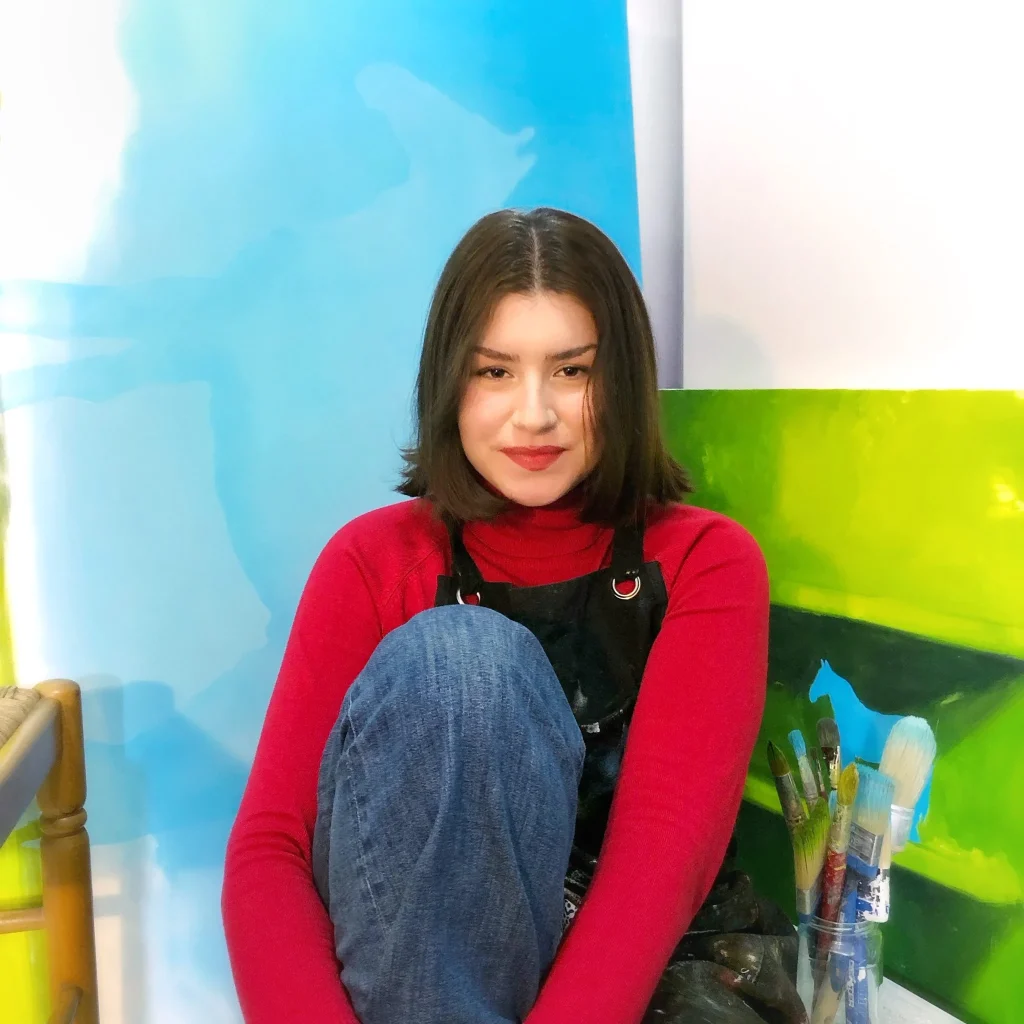
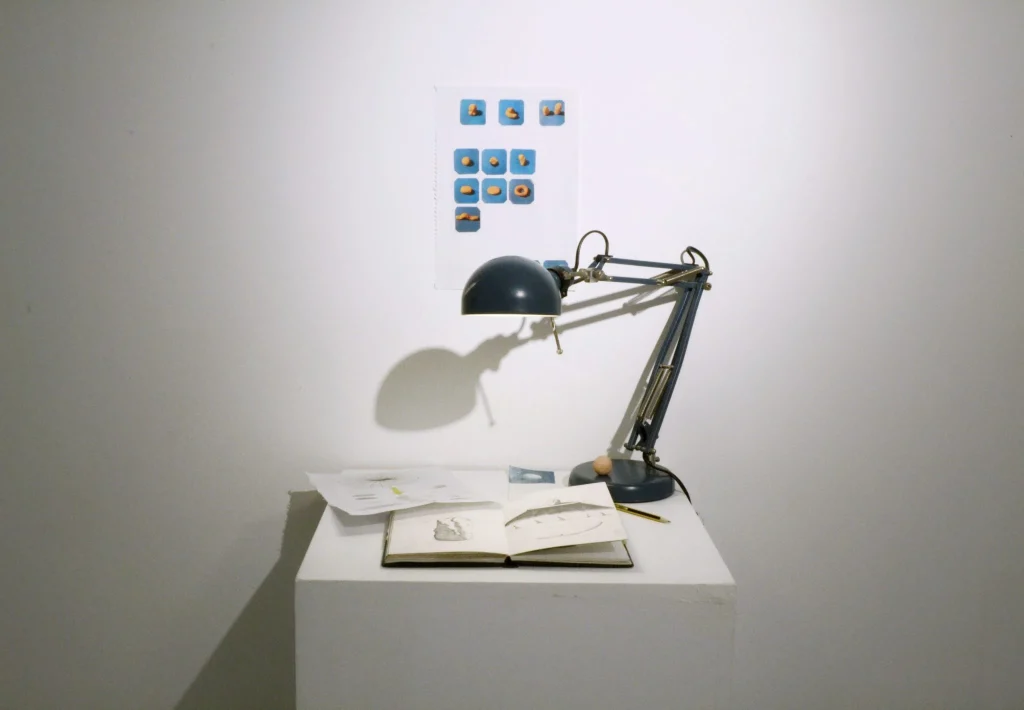
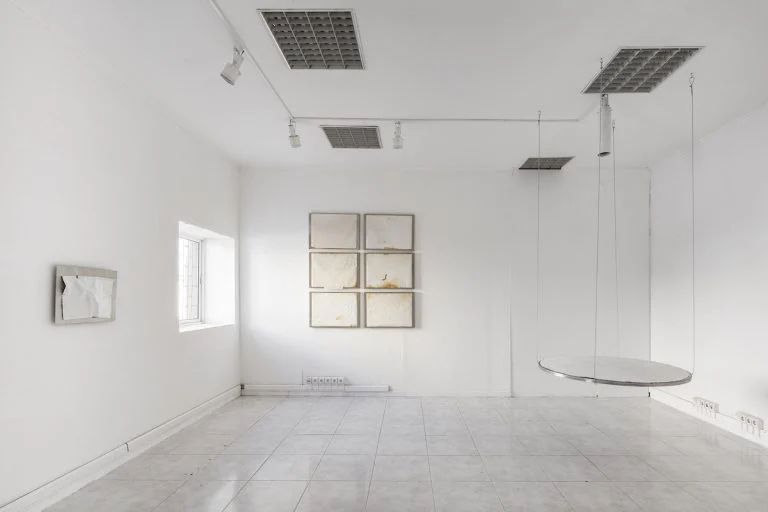
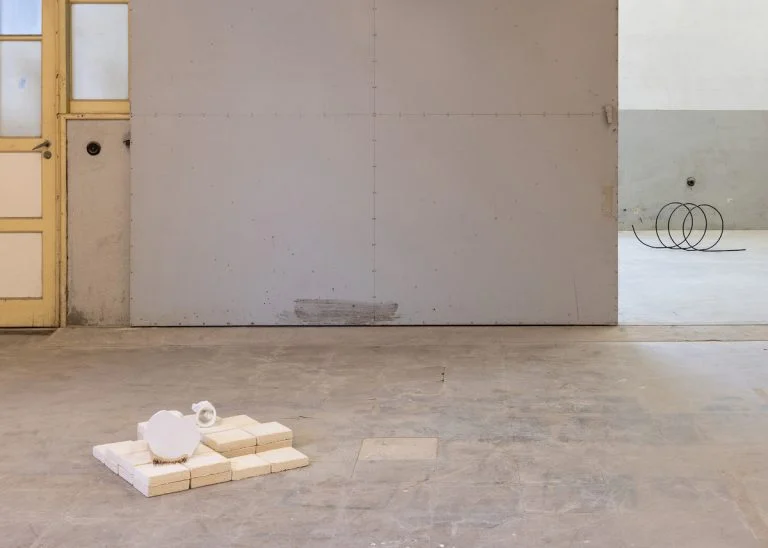
Bianca Durrant is a Melbourne based Australian contemporary artist, with an exhibition history that interrogates the culture of collecting and the canons of art history. As institutional critique, and through an installation-based practice, exhibitions engage audiences to respond to objects, artworks and textual materials to reconsider our assumptions about cultural artefact, ownership, institutions and narrative. Residencies and creative developments have included accessing natural history museum collections, creating full scale mock museums and archived collections, and large scale wall drawings based on theory texts and collection data points.
Trained in fine arts and completing a Master of Arts (by research) in 2008, Durrant has maintained an exhibition practice since 2001, alongside engaging in professional practice and curatorial work for organisations, producing the work of Australian and international artists. Contributions to arts organisations include through board roles with artist run initiatives CAVES Inc and KINGS ARI, and as General Manager, Liquid Architecture – Festival of Sound Arts.
Through 2024 and as part of the GlogauAIR residency, Durrant will be developing a new body of work, extending their conceptual exploration of museums and collecting. The artist’s fascination with the politics of display delves into a deeper critique of the artistic process, merits of display methodologies, audience engagement and the relationship of text to object as presented within the contemporary gallery paradigm.
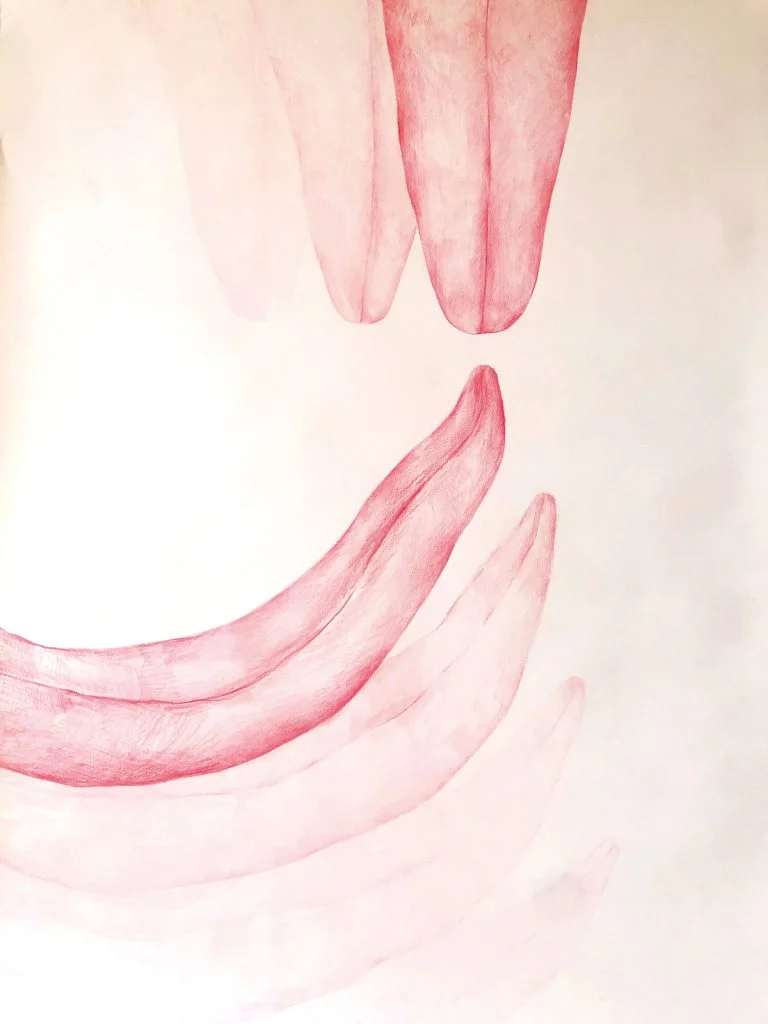
This new series Collectio Specere (working title) will focus on extending ideas around the fetishisation of the art object, or museum artifact, and museum ‘narrative’. In both producing the objects and then documenting, preserving, displaying and interpreting, Durrant asks audiences to consider both artistic production (labour) through the evidence of process, and the inscribed meaning of objects scrutinised through a museological lens (through the institution, and the viewer) through replicating a museum style viewing environment. Through studio development, text, scale and multiples will be harnessed as key mechanisms to explore these concepts.
Drawing, Installation, New media, and Photography
CV Summary
Education
Bachelor of Fine Arts 2001, Monash University
Master of Arts Curatorship (2023), The University of Melbourne
Master of Fine Art (by Research) 2008, Monash University
Bachelor of Fine Arts Honours 2002, Monash University
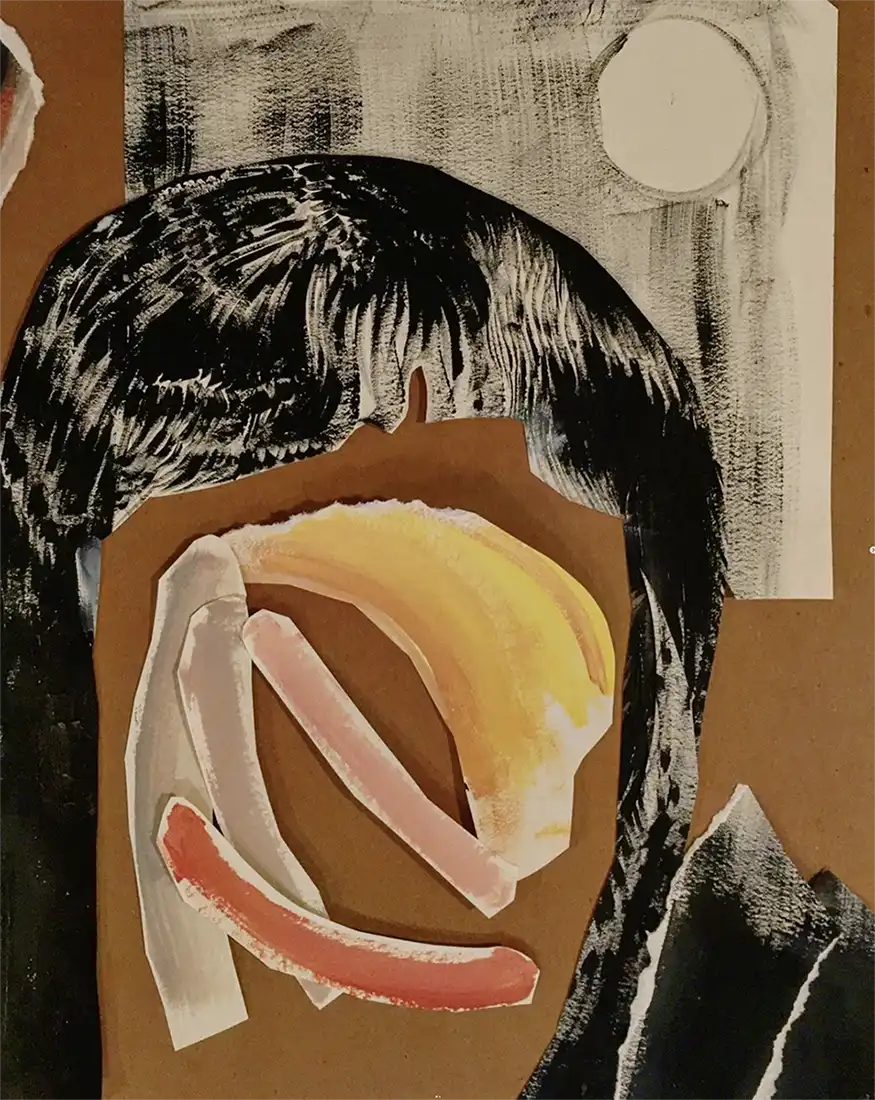
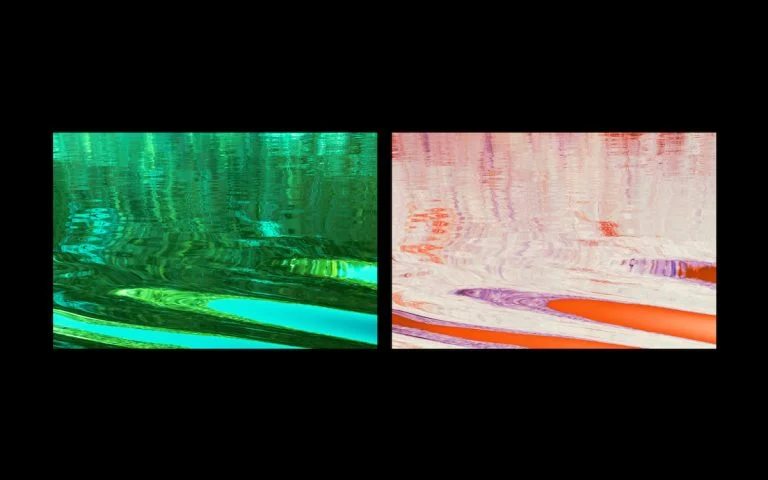
Cynthia Chou is a Taiwanese-Canadian artist based in Berlin, exploring the nature of identity, permanence, decay, and memory. Her practice involves the ongoing research of materials through painting, printing, biomaterials, and textiles. Constantly experimenting with new formats and processes, her work is characterised by a rich synthesis of both visual and tactile elements.
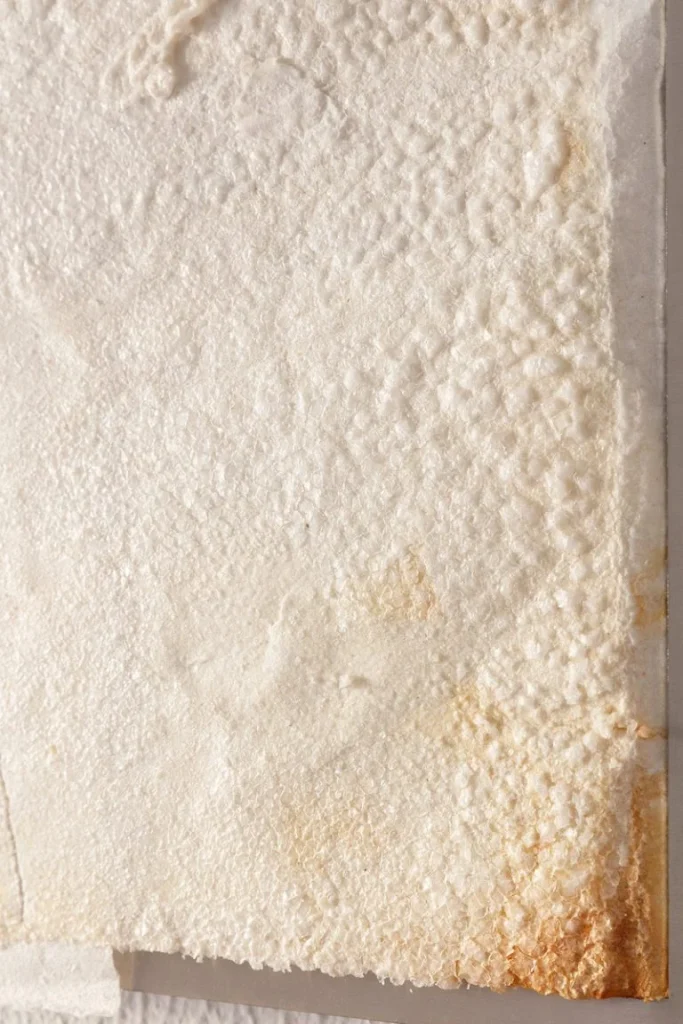
The self is a changing landscape, both in terms of the visceral and intangible mind, as well as the tactile and physical body. This project asks the question: how do our real and virtual worlds allow us to invent, remember, and (mis)represent our identities? By constructing, exposing, and printing images of human likeness onto fabric and bio-surface canvasses, I seek to build portraits that explore the definition of self-image.
CV Summary
Self-taught artist
BSc. from the University of British Columbia
Diploma in Material Design from the ELISAVA School of Design in Barcelona
Exhibited work at the historic STATTLAB studio in Berlin
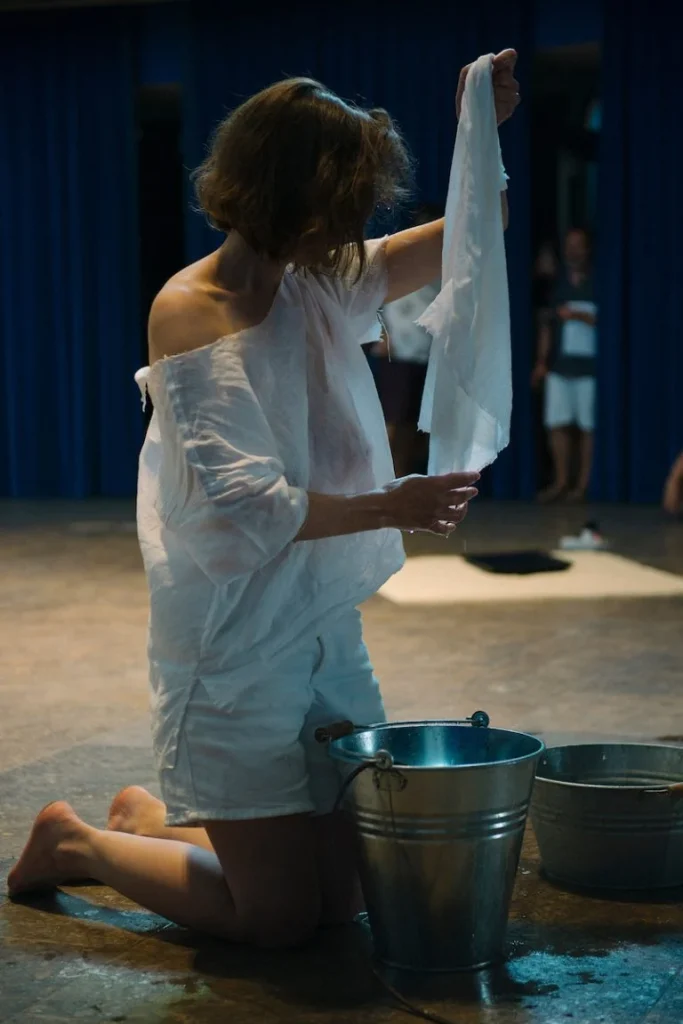
Dae is a Cuban- American artist dedicated to fostering self-discovery by integrating art and somatic techniques. Within the realm of their creative expression, Dae intertwines the threads of their lived experiences, incorporating a diverse array of mediums that include traditional visual elements and also immersive and tactile dimensions. Their mediums take shape with sound, movement, bodywork, and the use of texture. Dae’s work is intricately designed to draw individuals into a transformative exploration of the delicate frequencies between the internal and external worlds, defining the human experience.
In this project, I gave my body permission to share its stories in the languages it feels most comfortable. Building from years of self study, curiosity led to the combination of touch, movement, and sound. This project seeks to explore the transformative power of slowing down, being present, and reconnecting with the essence of self.
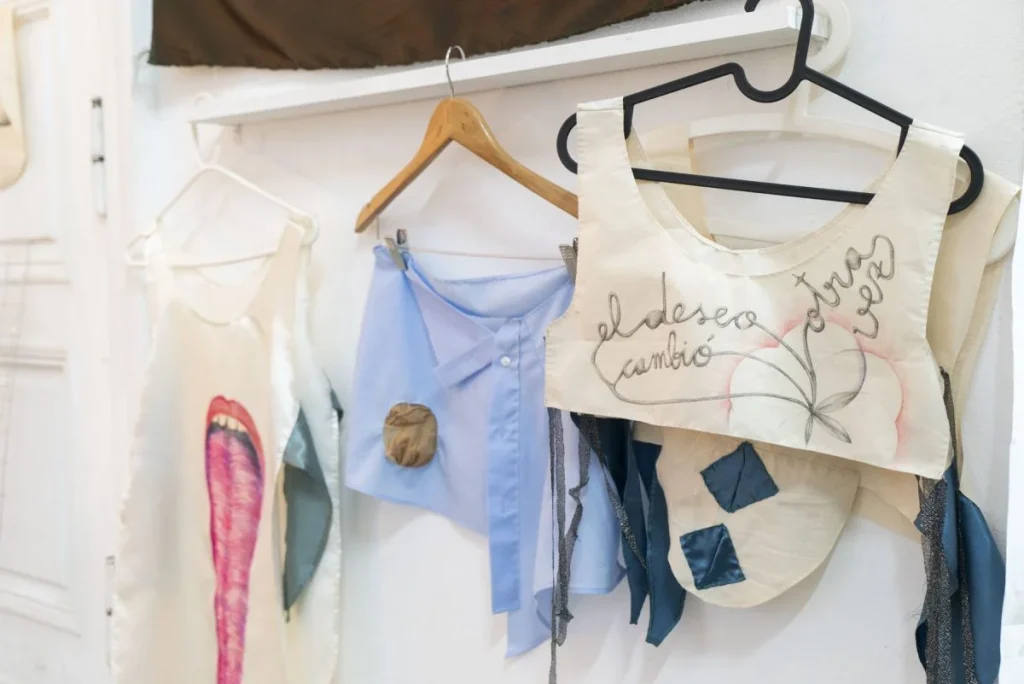
The process began with the creation of canvas garments made by hand. Each item is designed to shape and move with an ever changing body. Each stroke and weave of the fabric is a deliberate act. These canvases become the tangible manifestations of my commitment to cultivating presence.
Somatic movement plays an integral element in this piece. Whether through breath or physical motion, my body is the vessel for the language of sensation, translating between my internal and external dialogue.
Filmed in the absence of music, the natural sounds of the environment dictate the ebb and flow. The sounds integrated after filming resemble the sounds that filled the backyard of my grandparents house in our afternoons together. The sounds hold space for the ancestral stories held in my body.
The merging of touch, movement, and sound creates a sensory exploration of identity. This project is a celebration of essence—a dance that reflects the delicate equilibrium defining the human experience.
New media and Video
CV Summary
Education
2016 Sociology & Media Studies degree. Florida State University, Tallahassee, Florida
Duaa is an expressionist who aims to spread humanitarian thoughts through visual media. Focusing on community engagement, Duaa guides people to express unseen suffering – lifting the individual voice, and in turn, lifting the collective.
From a personal perspective, Duaa found her own voice through digital and traditional paint to release the stress of daily life over the past twenty years. This long journey of self discovery has shown her how to survive and she wants to raise others along with her on this process.
Shannon Castor (United States)
Drawing from fauvism and expressionism Shannon reflects her interior landscapes onto paper with acrylic paint. Her practice of long distance running rises these interior images to the surface, bringing forward the subconscious psyche, a surreal combination of internal and external perceptions.
As an ultrarunner, Shannon has discovered that for her, fatigue provides a release of mental weight. An increased circulation of stuck sludge to be lifted and cleared like toxins of the liver. Through the translation or expressions produced in her paintings, she gains a sense of calm.
Duaa Bilbeisi and Shannon Castor are a collaborative team that work with themes of fear, anxiety, healing and the release of emotions. Prompted by text, they choose a word for each collaboration and respond, pulling from their gut. With color slapping the page, they purge trapped energy, raw in its most immediate form. Duaa’s strong bold lines, Shannon’s interior landscapes, slip and twirl around each other. A psyche feathering melding of minds, they heal like clasping hands. They reveal. They go one by one. Every emotion unearthed and painted. Excavated from the soul. A story is told.
It is Duaa and Shannon’s goal for their time with GlogauAIR to develop an art book that tracks their journey together. The aim of their book is to inspire others to use art as a means of healing. They believe art has a power of peace and they want to spread this peace to anyone and everyone who is exposed to this artistic collaboration between friends.
Drawing and Painting
CV Summary
Duaa Bilbeisi
Education
2023 Healing through Art Workshop
2022 Healing through Art Workshop
2020 Post Baccalaureate at the Burren College of Art, National University of Galway, Ireland
Shannon Castor
Education
2021 MFA in Art and Ecology at the Burren College of Art, National University of Galway, Ireland
2019 BFA in Cross Media at the Oregon College of Art and Craft
Group Exhibitions
2023 Van Der Plas Gallery, NYC
2021 CICA Art Museum, South Korea
Oregon Center for Contemporary Art, OR
Rhyolite Gallery, CO
Graduate Show, Burren College of Art, Ballyvaughan Ireland
2020 Interim Show, Burren College of Art, Ballyvaughan Ireland
Nua Collective, Online, Ireland
Westival Gallery, Westport, Ireland
Refiguring the Portrait, NUIG Ireland
2019 Disjecta Gallery, OR
2016 Mount Hood Community College, OR
Hoffman Gallery, OR
Centrum Gallery, OR
Residencies
2023 Takt Leipzig
Awards and Scholarships
2019 Burren College of Art Merit Scholarship
2018 Gamblin Paint Award for Outstanding Artistic Achievement in Oil Painting
2016 Oregon College of Art and Craft President’s Scholarship
Lucía Mir is GlogauAIR resident from January, 2024 to March, 2024
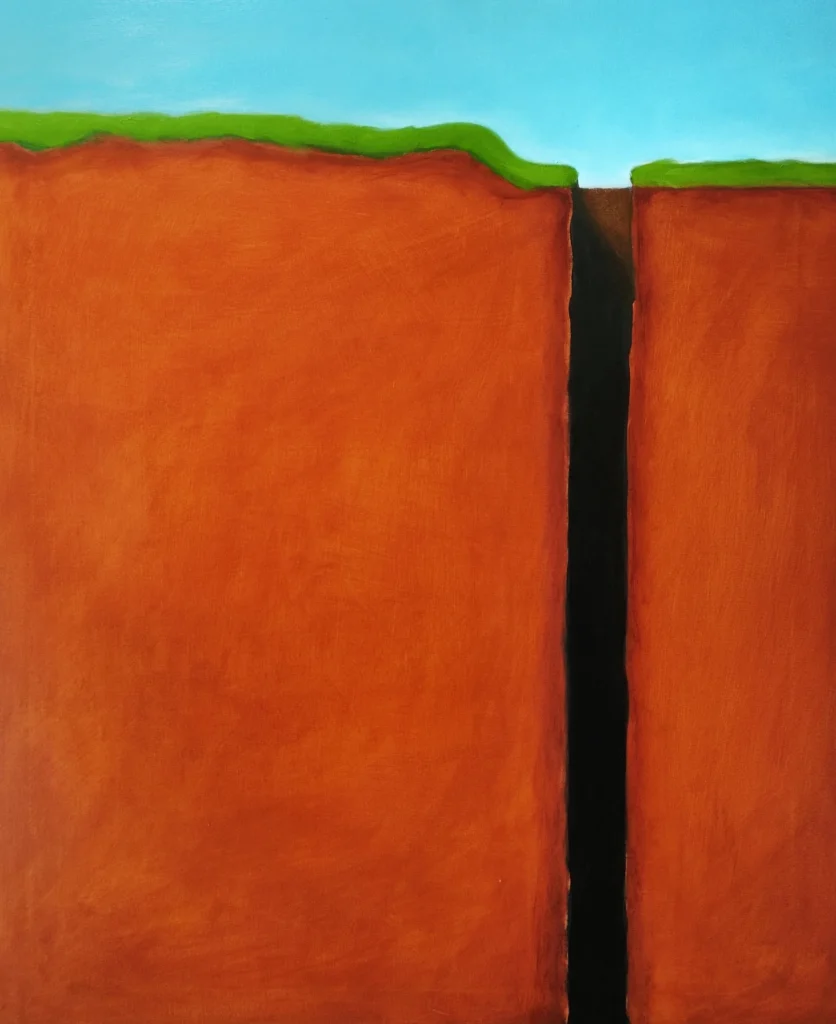
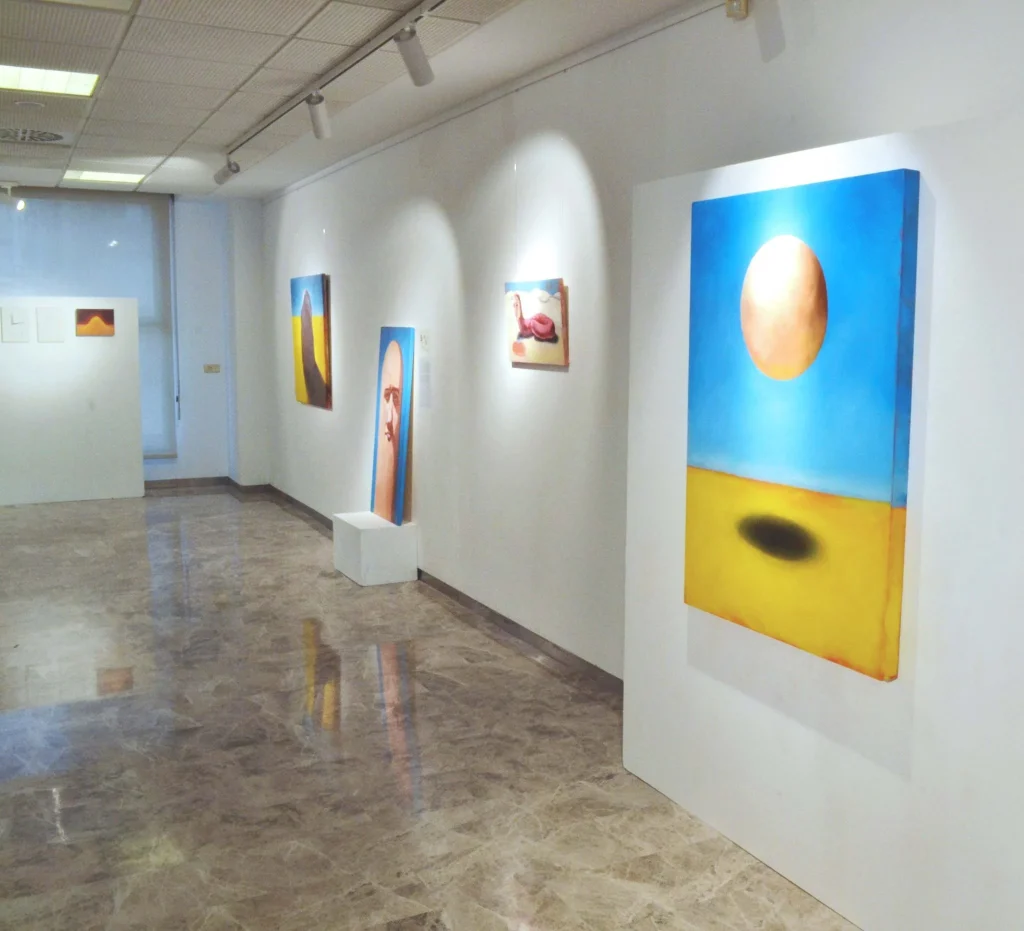
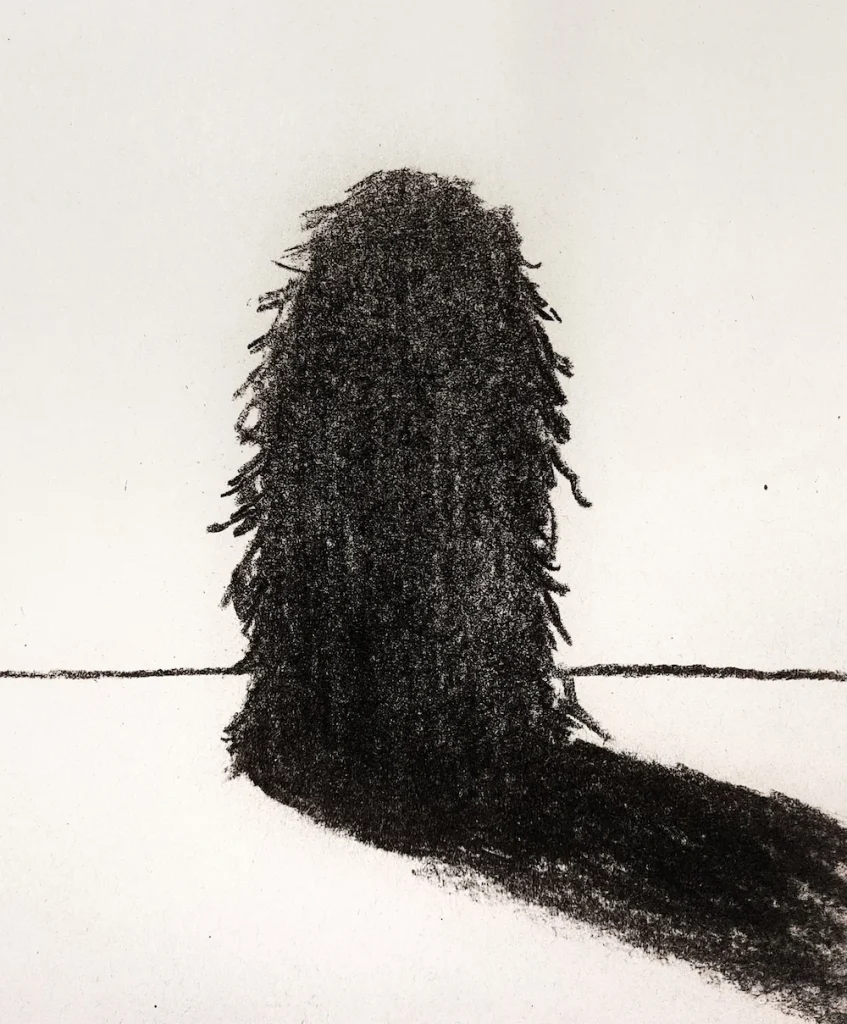
Lucia Mir is a Spanish painter specialised in oil painting and drawing. She works with exploration of intimacy in silent spaces and the intrinsic metaphysics of represented and transformed objects in a constant play of appearances and disappearances. In her project, she presents recognizable objects from the collective imaginary, immersing the audience in a narrative without a clearly defined beginning or end. In the project developed as a fragment story, dreams and memories are evoked. By recreating a simple and silent environment, the project seeks to generate the surprises of finding stories and images throughout her creations.
Meet the Artist
Who are you? Tell us about yourself and where are you from
My name is Lucía Mir, and I was born in Elche (Spain). Since 2018, I am based in Valencia, where I studied Bachelor’s degree in Fine Arts. I focus on drawing and painting, but I also enjoy experimenting in areas such as photography, digital illustration, printmaking and freelance publishing.
How would you describe your artistic practice?
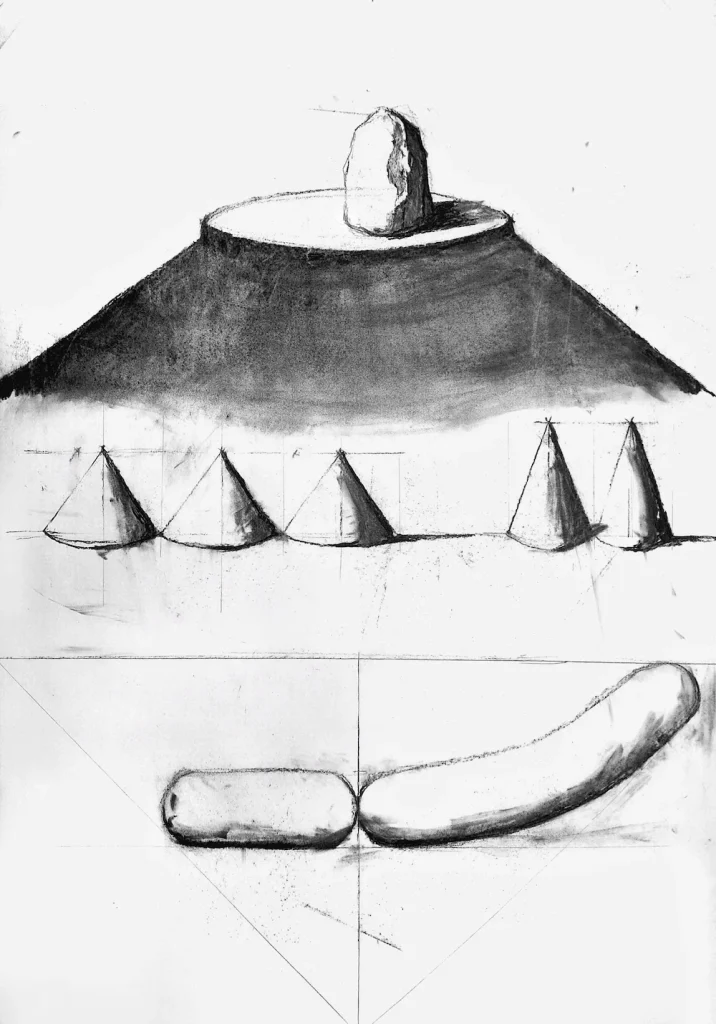
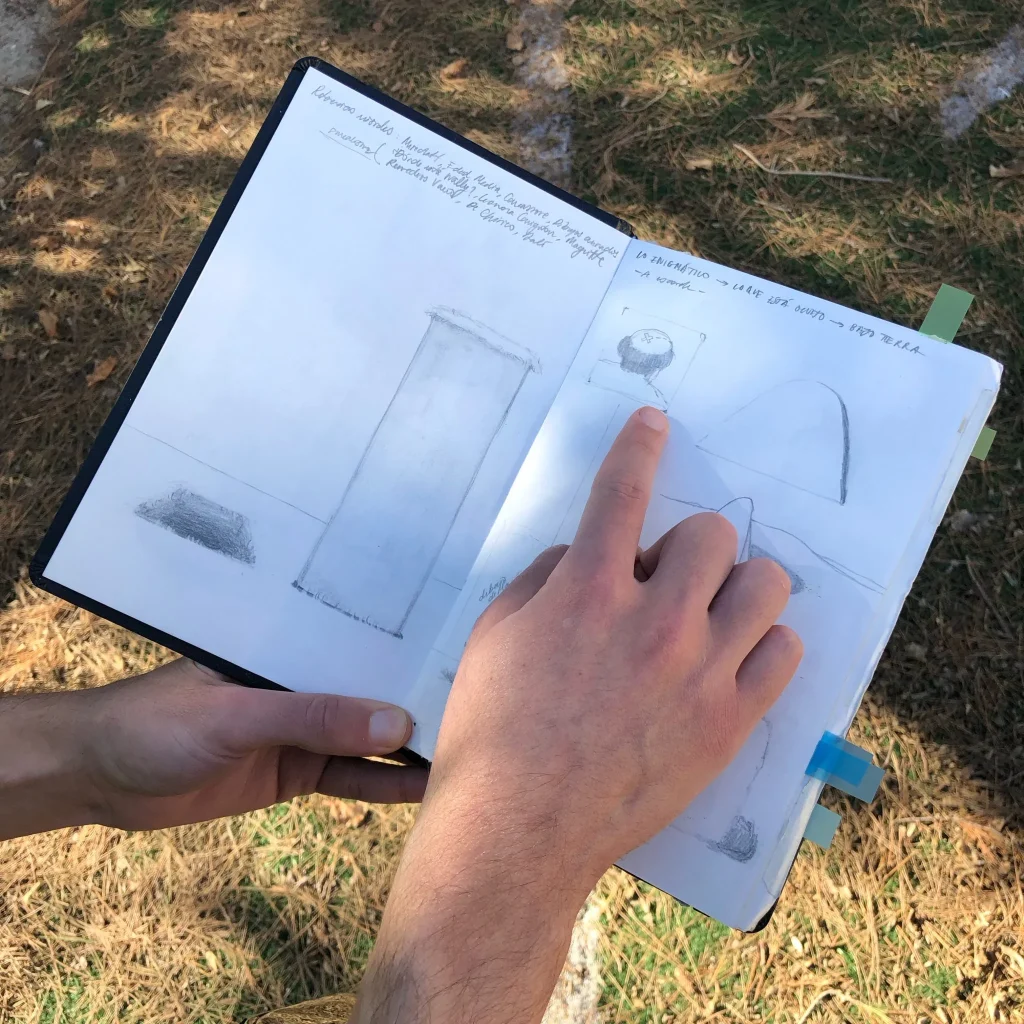
My artistic focus is mainly on drawing and painting. The relationship between drawing and painting has always been crucial in all my projects and in my personal connection to artistic creation. For me, drawing has been the most accessible tool to give form to all the ideas in my mind and turn them into tangible works. These ideas are often not explored on large canvases; instead, they are played with in more intimate spaces, sheltered in the refuge of a sketchbook. We need a safe space where spontaneity thrives, and the interconnection of ideas can trigger the creation of meaningful works. However, I acknowledge the risk associated with this approach. It’s easy to get caught up in the sketchbook, accumulating hundreds of A5-sized ideas that never see the light of day.
As an artist, I have continuously questioned the distintion between the sketch and the final work, always trying not to diminish or relegate the art of drawing to a secondary position. The question arises: At what point is a drawing considered just a sketch? Can sketches be viewed as final works in their own right? And what happens when we create a preliminary drawing for a work that we never bring to fruition? Is that drawing the resulting work itself, or is it more the memory of something incomplete?
I have many techniques and aspects of what I learnt in drawing that I have always wanted to transfer to painting. They are all related to the ease of the hand, the quick and intuitive strokes…. This has always been a very important objective for me. This is something that I think I have overcome during this project and I will improve with time.
How do you build your own imaginary?
I like to think that all our imaginary is conceived thanks to our experiences and images seen, which are installed in our memory. So, I believe that everything I visualise and wish to capture on paper or canvas is simply an amalgam of everyday experiences. Whether during my travels, my walks, visits to museums or when I immerse myself in reading a good book, these little experiences become sources of inspiration. From these moments, ideas emerge and are continuously moulded in my sketchbook until I can perceive that they come to life and function as a work of art.
What is your methodology or process for creating a new project?
Honestly, everything usually starts with a specific idea. Sometimes that idea is quite abstract and takes time to take shape and make sense. And other times, the idea is so specific that I adapt to it completely from the start. However, regardless of the initial clarity, the direction of the project always changes during the production of the works.
Many of these project ideas arise from immersion in previous projects. Subsequently, I initiate the process of reference selection and brainstorming that develops organically. My main tools for this process are the sketchbook and the iPad using Procreate.
After this, I go into my studio and stay there for months 🙂
Your paintings represent bizarre and almost impossible scenarios, how do you plan and design those scenes that you represent?
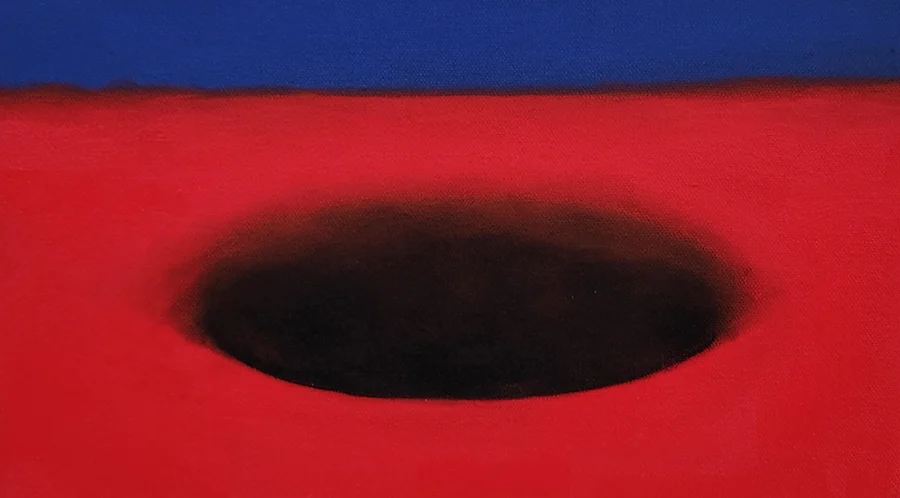
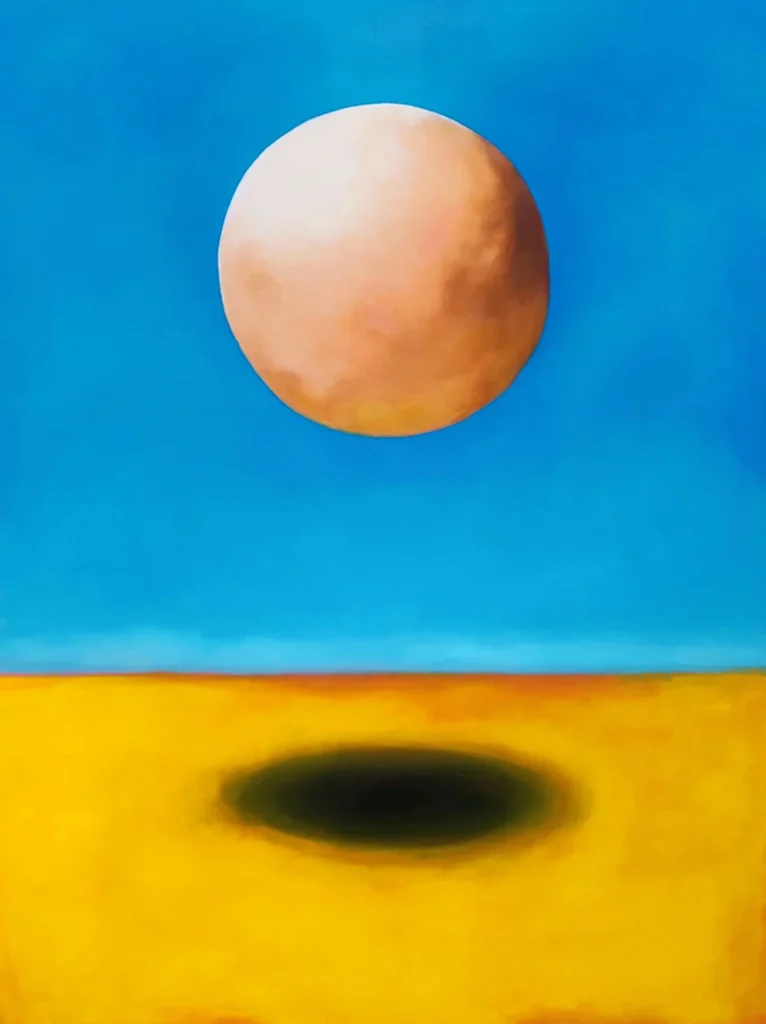
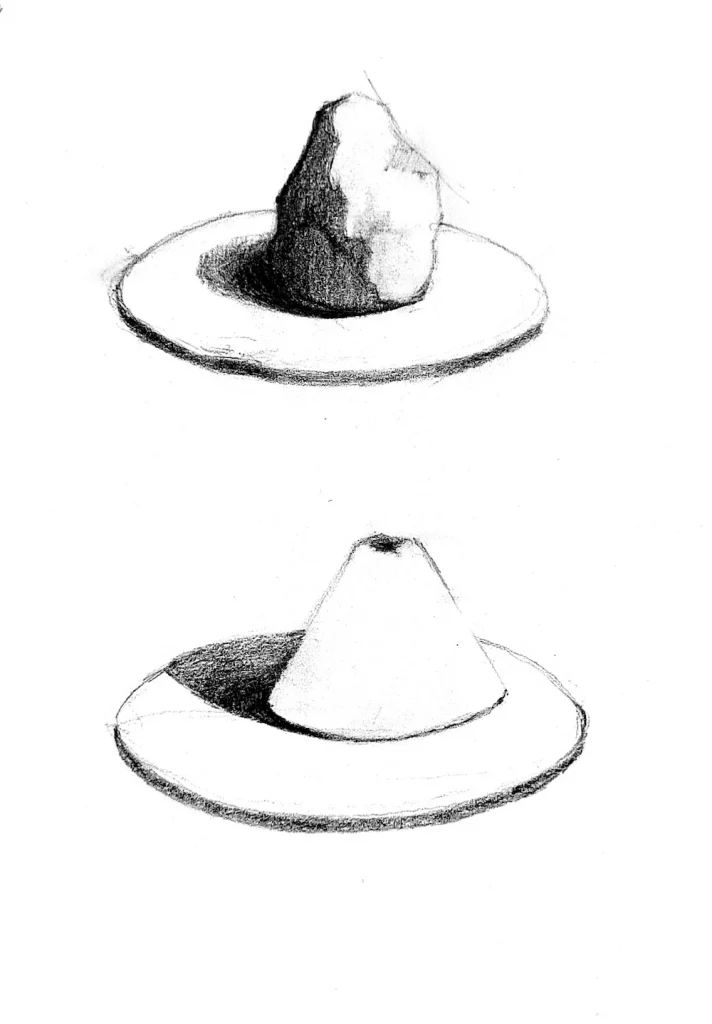
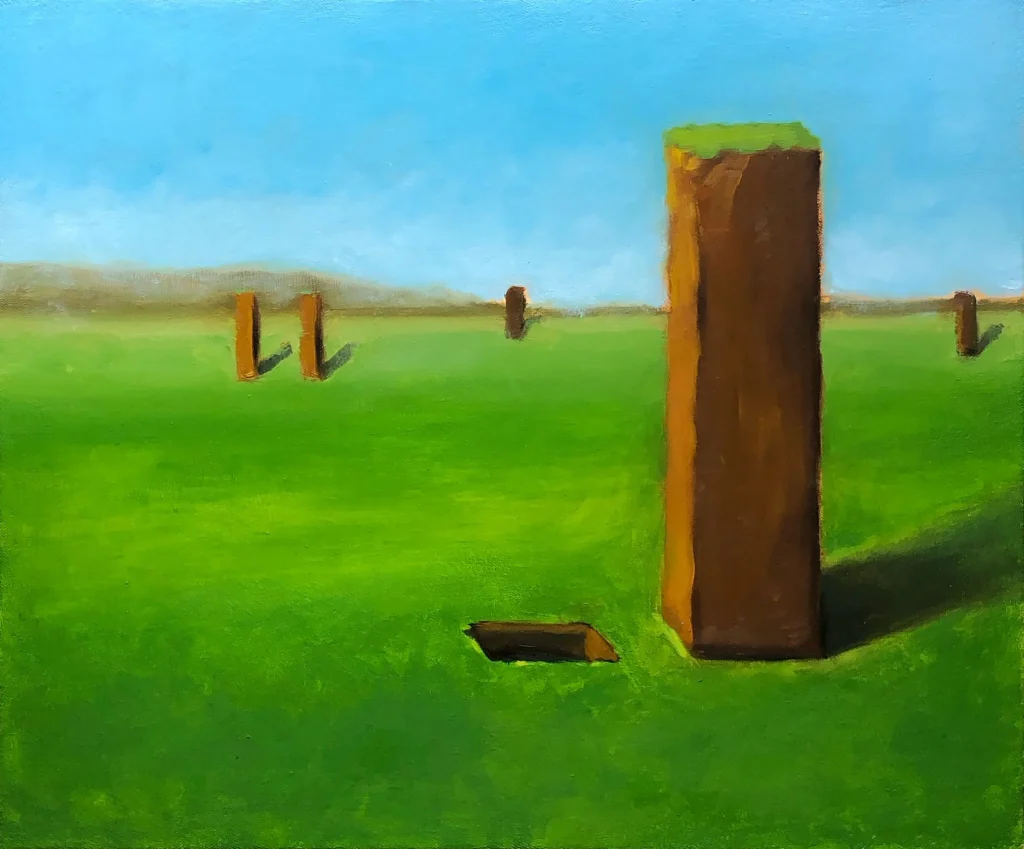
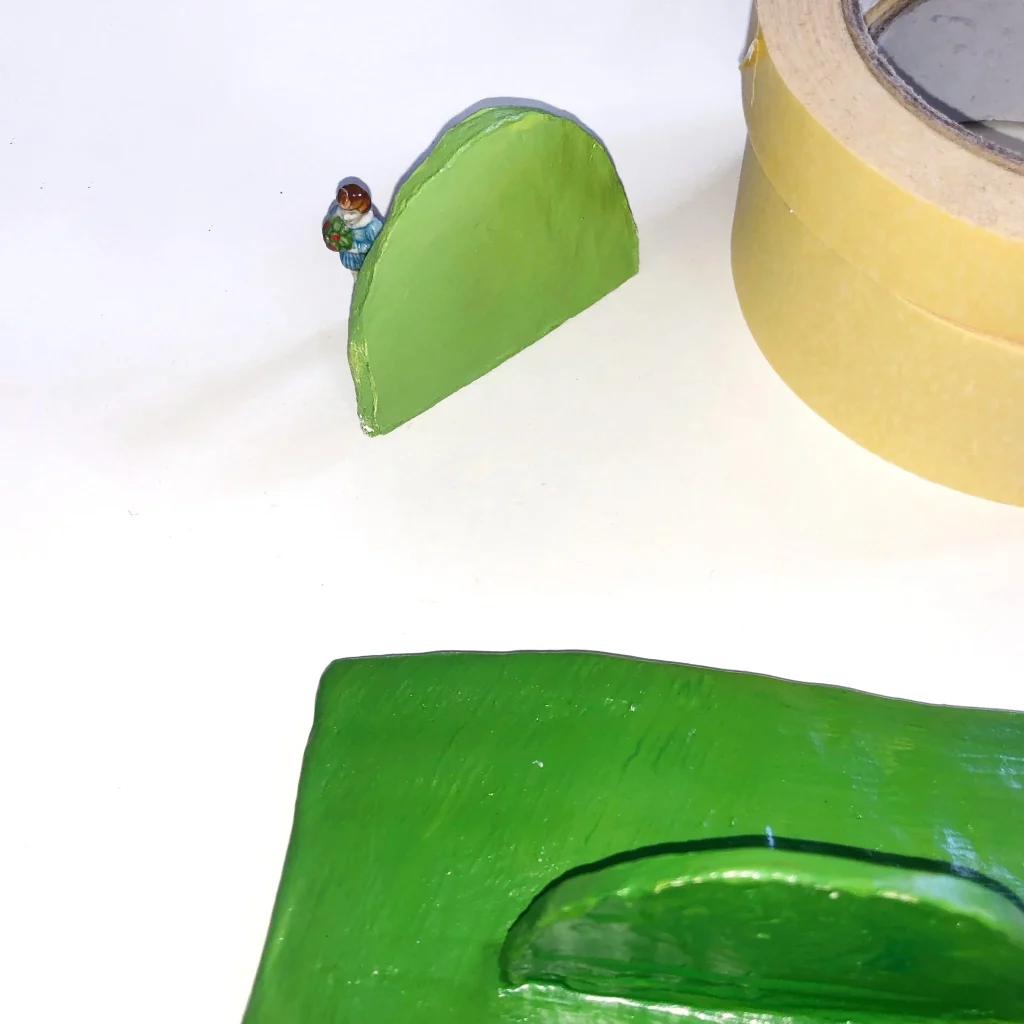
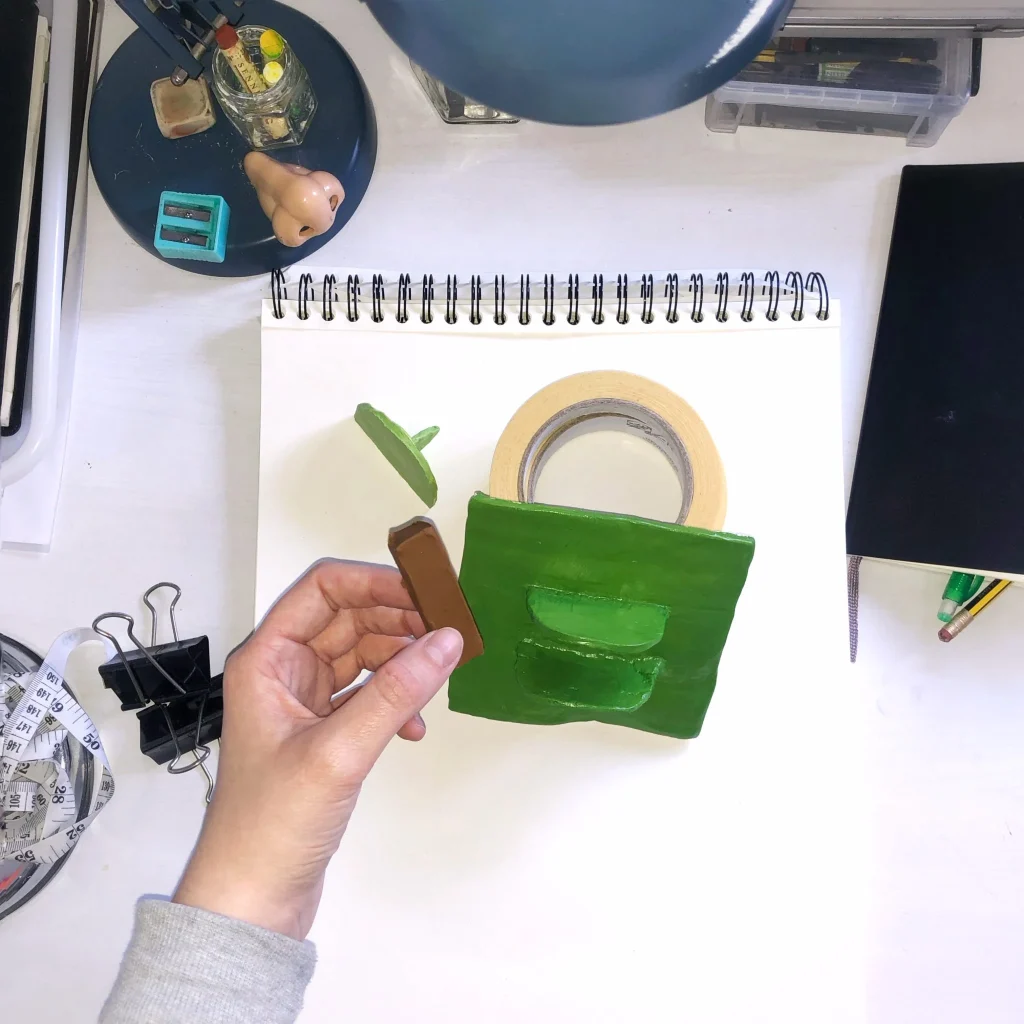
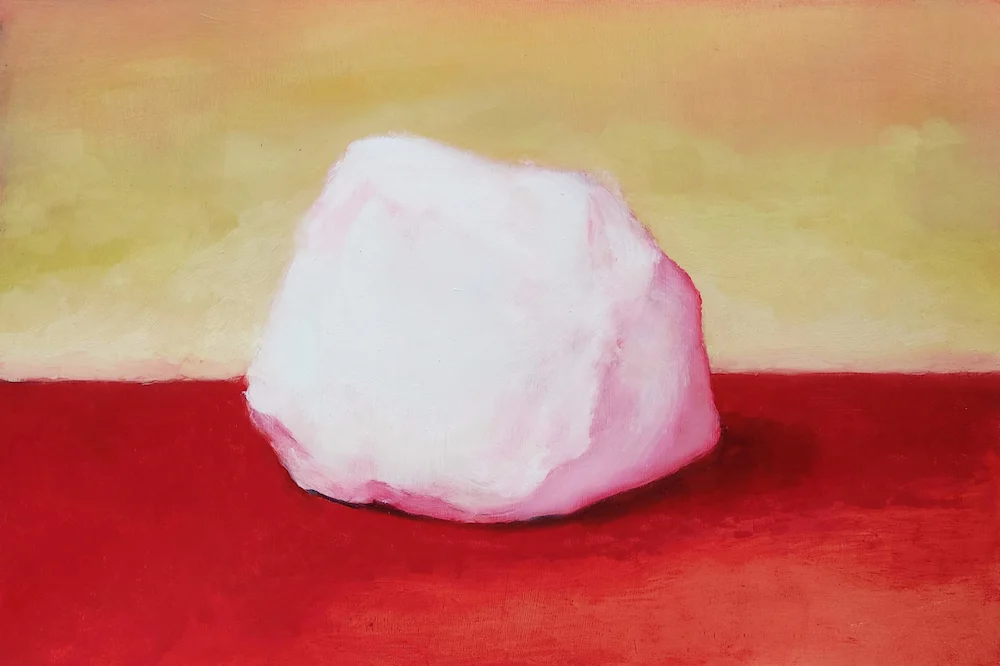
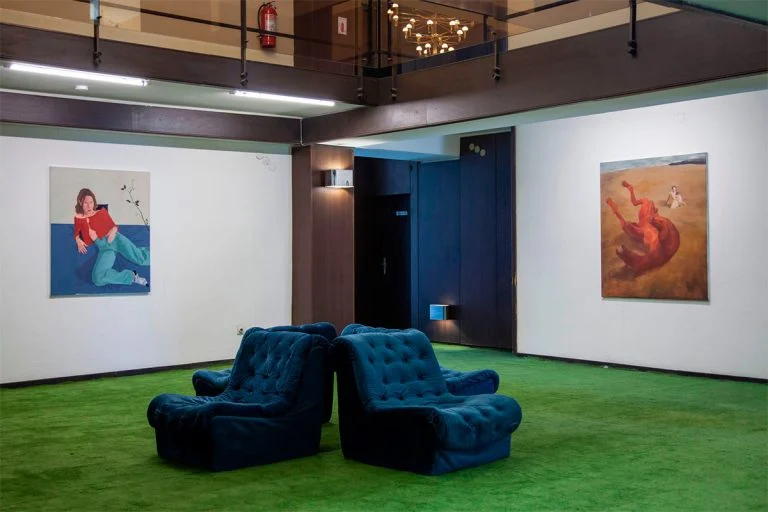
Models, yes! I use mock-ups that I build with plasticine or air-drying clay. These models are useful when I want to represent in a painting a specific object or element that I have never seen before in reality. So I create a model and paint it with the corresponding colour to observe how it affects the light and what shadows it acquires.
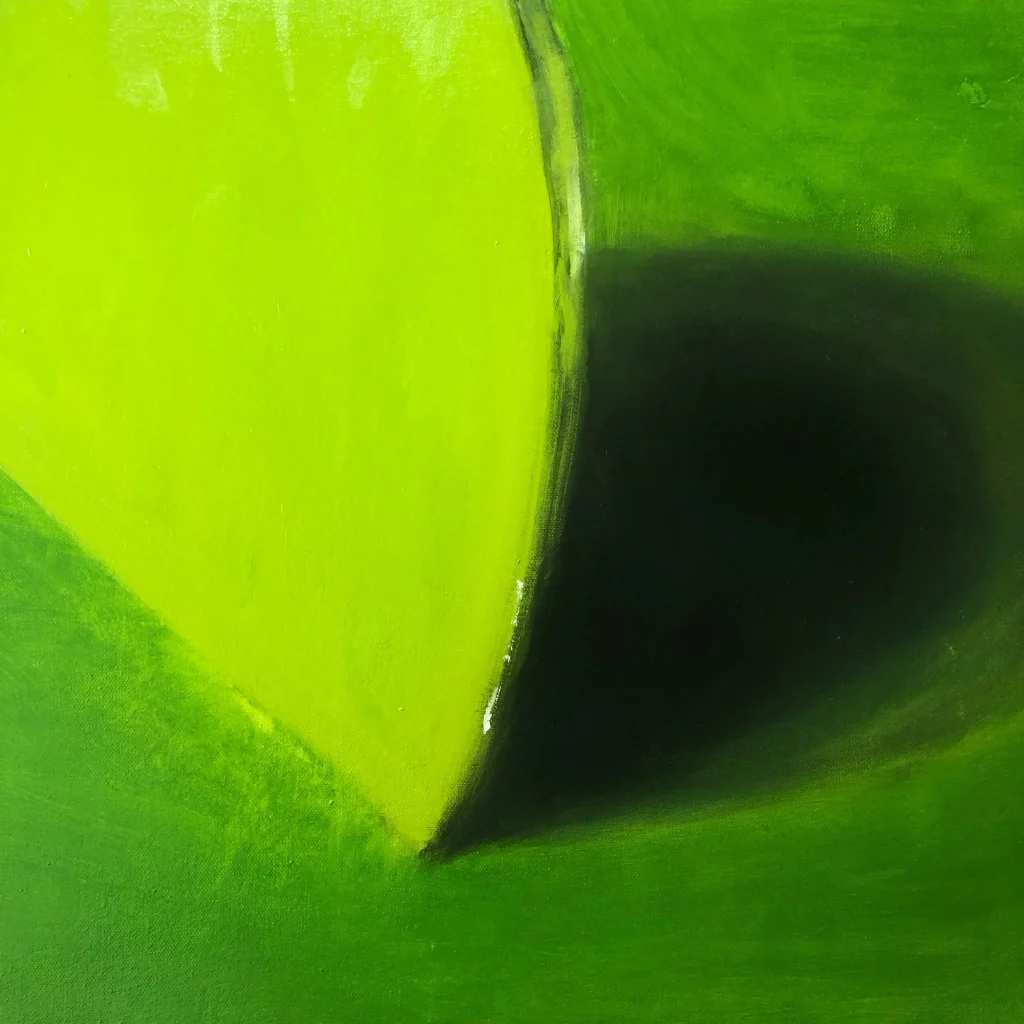
Then, I imagine it placed in a specific space and I try to make it coherent and understandable. For this project, I have placed them in a green meadow with a blue sky.
As I understand it, what gives a work its bizarre or grotesque quality is that balance between the imagined and the real. That is why in my works I fuse elements that are recognisable to the viewer with others that arise from the imaginative sphere. This discursive approach can resonate with surrealism.
What is the project you are developing during your Online Residency at GlogauAIR?
I decided to focus on this project because I had been reflecting for some time on all this illusory imaginary that I had created in my head thanks to my various referential sources and thanks to my previous project called ‘The stone of madness’. The concept was clear to me, although now perhaps I can explain it better. I usually base my works on imaginary spaces that do not belong to any real location or time. In this case, it could be a meadow, a field or even a labyrinth. However, the most faithful answer to the origin of all these images is probably that a meadow with green grass and a blue sky is the closest thing we have in our collective imagination to daydreaming: a cosy place for all those people who want to put their mind in a calm and quiet place.
From a simple and silent setting, we can begin to create all the scenes or images from which we want to extract something surprising and, why not? Mysterious. The work must awaken in the viewer the desire to know more about what is represented. For me, it is really important to maintain intrigue and bewilderment: what is behind that hill? where does that black hole lead to?
What would you like to achieve in the next five years?
In the next five years, my vision is to reach a more stable position in the field of artistic creation. I aspire to dedicate my working time to the development of projects similar to this one, transforming them into long-term sustainable initiatives. I am attracted to various artistic fieldscurrents, such as illustration or publishing. However, I believe I can harmoniously reconcile these interests in a harmonious way.
With an optimistic approach, I hope to be able to choose where to devote my projects and continue my education in the same way as I have been doing so far.
How do you understand the role of a contemporary artist? Specially young and starting to grow their career in the arts
From an outsider’s point of view, someone who chooses to be a contemporary artist is perceived as someone who is willing to take risks in general. It is someone who chooses to dedicate long periods of work without expecting an immediate reward, motivated by the pure love of art and the hope of eventually achieving “success” in the artistic field. However, it goes beyond this superficial perception. Whoever decides to become an artist today is someone driven by the need to create and build something that has value and meaning in its own right.
Being a contemporary artist involves embarking on a personal journey, guided by yourself. However, this journey is not always sustainable over time, as other needs, especially mental health, often take priority. Artistic creation, although a deep-rooted passion, can sometimes be sidelined when other life demands have to be met.
Before embarking on this residency, I had preconceived ideas that limited my artistic practice. However, I now understand that any platform, artistic tren or medium is a valid mean of expression. It is totally valid to continue exploring new styles, to embark on varied projects and to understand that art and its practice can be enjoyed in a variety of ways.
I began my training as an artist in 2018 at the Faculty of Fine Arts of San Carlos (Polytechnic University of Valencia), specialising in oil painting and drawing. The sense I give to my work today revolves around a persistent curiosity for the representation of spaces or an illusory and dreamlike spatial framework that questions the weak border between fiction and reality. I work with the exploration of intimacy in silent spaces and the intrinsic metaphysics of represented and transformed objects. All these aspects are related to the value of what remains hidden, what is revealed and then vanishes in a constant play of appearances and disappearances.
This project will present recognisable objects that form part of the collective imaginary. Through these elements, we will be immersed in a narrative characterised by the lack of a clearly defined beginning and end. The work resembles a fragmented story, something like a tale babbled in parts, with episodes that intertwine and others that resemble fleeting scenes that might evoke memories or images from our dreams. In these works, the aim is to provoke a sense of unease in the viewer by creating scenarios that stimulate the imagination, transforming the very materiality of what is represented. It is from the recreation of a simple and silent environment that we can begin to create all the stories or images from which we want to obtain something surprising.
CV Summary
Education
2018 – 2023 Degree in Fine Arts from the Polytechnic University of Valencia. Specialised in painting and drawing
Solo Shows
2023 THE STONE OF MADNESS. Espai Juventut Valencia x Orbis Vacui. Valencia
Group Shows
2024 XXI Young Painting Award Ciutat de l’Alcora – Ximén d’Urrea. Group Show. Ceramics Museum of l’Alcora. Valencia.
2023 VI Foios Painting Competition. Group Show. Valencia
2022 UNDER NATURAL PRINTING. Trans-oceanic collaborative meetings through virtual exchange. Havana. Cuba.
FORESTRY. Graphic commitment to the natural environment. Iberflora Fair. Valencia.
SOMEWHERE NOWHERE. Virtual space of the Art and Environment Research Centre of the Universitat Politècnica de València.
Nathalie Mei is GlogauAIR resident from January, 2024 to March, 2024
Nathalie Mei born in Eivissa, Balearic Islands, is a conceptual artist, installation artist, sculptor, photographer, and writer.
Meet the Artist
Her works often depict emotive and perceptual qualities of time and memory – and their relationship to the organic world and the virtual space. Her works serve the artist as a lens to examine human perception and outer-human, image-related worlds from a neurodiverse perspective.
Nathalie’s works are rooted in a multilayered and multidirectional understanding of time. They are informed by anthropology, philosophy, literature, pop culture, and art history.
Nathalie expands classical notions of conceptual art and the objet trouvé by introducing the relationship between emotional worlds and (maybe speculative) biographies within the geo-, zoe- and technoscene to questions around identity, copy, and original.
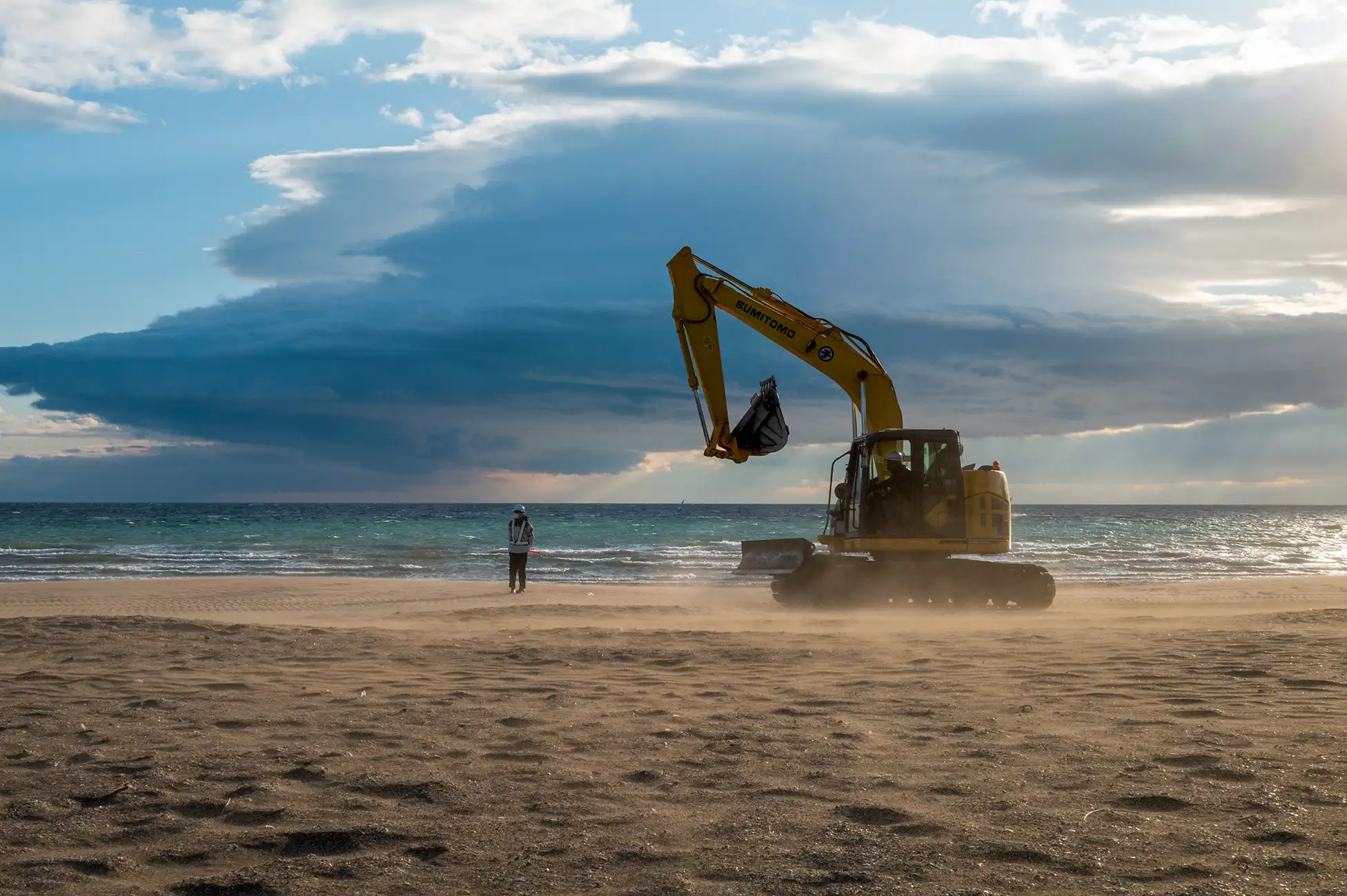
Nathalie Mei, born in Eivissa, Balearic Islands, is a conceptual artist and writer who works between Europe, the UK, and Japan. Her artworks depict perceptual qualities of time, emotion, memory, nomadism, and territory – and their relationship to the organic world and the virtual space. Through sculpting with fragile, organic materials, image-related data, texts, and sound, the artist intertwines questions around duration and biographical traces with material samples from local territories. Her works result from long durational, cyclical production processes and explore the partitioning between emotional and intellectual processes in human understanding of complex realities. Her works often interrelate and are, inter alia, informed by anthropology, philosophy, literature, and pop culture. The artist expands classical notions of conceptual art and the objet trouvé by introducing the relationship between emotional worlds and speculative biographies to questions around identity, copy, and original. During her residency, Nathalie translates (found-) footage from Kamakura and Nasu, Japan to sculpture, sound, and installation. “E.A.S.T. 08” is an exploration of the layered relationship between human emotion and territory from the perspective of the visitor. The work refers to “Emotional Archive of Spaces in Time”, a cluster of artworks the artist started creating in 2018. In spring 2024 Nathalie will be joining PADA Studios in Lisbon, Portugal, as an artist in residency.
During her time with GlogauAIR, Nathalie will work on her ongoing series “Emotional Archive of Spaces in Time (E.A.S.T.)” she started in 2018. Through various media, like sculpting, light installation, or sound, the artists draws connection between time, territory, biography, sensual memory and the segregation between emotional and cognitive perception of complex environments. Departing from photographs she took in 2022 at Mount Nasu in Tochigi prefecture, Japan, Nathalie will look at man-made and natural landscape lines as markers of interrelations between time, geological territory, and the emotional landscape of the visitor.
Installation, Sculpture, and Sound Art
CV Summary
Education
2018 Master of Arts, Contemporary Photography; Practices and Philosophies, Central Saint Martins, University of the Arts, London, UK
Funding
2022 Artist Scholarship, Deutscher Künstlerbund (German artists association), Berlin, DE
2021 Digital Fund, Berlin Artist Association (BBK Berlin), Berlin, DE
2020 Producers Art Fund, Producers Art Initiative, Hamburg, DE
Upcoming exhibitions, publications, residencies
2024 Artist in Residence program, PADA, Barreiro, PT (artist in residence)
Artist in Residence Online Program, Glogau Air, Berlin, DE (online)
Past exhibitions, publications (selection)
2023 Taking the light out of the prism, Duplex, Artweekend Lisboa, Lisbon, PT (group show)
We build this city, 48h Neukölln Festival, Berlin, DE (public installation)
Tag der Offenen Ateliere, Neues Atelierhaus Panzerhalle, Potsdam, DE (open studios)
Open studios, Duplex AIR, Artweekend Lisboa, Lisbon, PT (open studios)
Cycles, Startbahn, 48h Neukölln Festival, Berlin, DE (duo show)
MIXA, Collaboration with pio.near, Startbahn, 48h Neukölln Festival, Berlin, DE (performance)
Alter US 2018-2022, London, UK (publication)
2021 48h Neukölln Festival, Emotional Archive of Spaces in Time 5 | ÆR, Schillerpromenade, Berlin, DE (public installation)
Last Sunset / New Sunrise The Belfry and North Gallery at St- John’s on Bethnal Green Church, London, UK (group show)
The Castle, Arthousehaus, London, UK (online)
2020 Now Producers Art Platform, Producers Art Initiative, Hamburg, DE (online)
Bivouacs #2, Respirer hors école, RAW Académie, Bétonsalon – Centre d’art et de recherche, Paris, FR (group show)
2018 Tate Exchange, Tate Modern, London, UK (group show)
Emerge, Show One, Contemporary Photography; Practices and Philosophies, Central Saint Martins, London, UK (degree show)
Past residencies, programs and talks
2022 Artweekend Lisboa, On complex systems – A curatorial introduction to “In between we swim” by Nathalie Mei, artist talk and screening, PADA, Barreiro, PT (artist talk, screening)
Duplex Air Residency, Lisbon, PT (artist in residence)
2021 Development Support for Visual Artist, Cement Fields, Kent, UK (artist development program)
2020 Virtual Residency, Cel del Nord, Barcelona, ES (artist in residence, online)
In 2020 Nathalie Mei founded the transnational, female artist group LonBerSel with Lynda Beckett, Ana-Luiza Rodrigues and Susanna Brunetti.
Shaye Thiel is GlogauAIR resident from January, 2024 to March, 2024
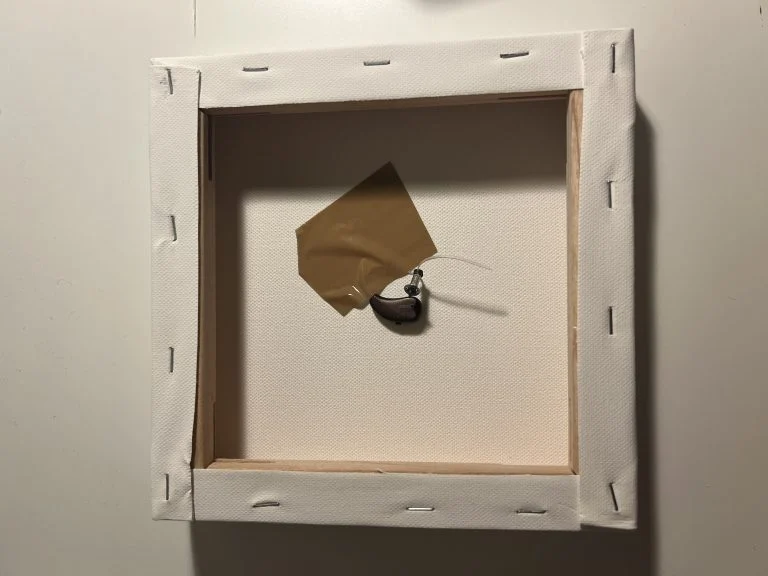
Shaye Thiel (she/her) is a London-based American-Canadian artist with work held in private collections across the United States, United Kingdom, Canada and Germany. In collaboration with leading neuroscientists, her current research explores the boundaries of sound perception for individuals who are hard of hearing and use hearing aids.
Meet the Artist
Based on lived experience, Shaye views sound as a participatory act via site-specific performative exchanges between participants and machine. Her work aims to transition the role of the public from observer to the observed via a deeper Quantum Listening.
Shaye Thiel (she/her) is a London-based American-Canadian artist with work held in private collections across the United States, United Kingdom, Canada and Germany. In collaboration with leading neuroscientists, her current research explores the boundaries of sound perception for individuals who are hard of hearing and use hearing aids. Based on lived experience, Shaye views sound as a participatory act via site-specific performative exchanges between participants and machine. Her work aims to transition the role of the public from observer to the observed via a deeper Quantum Listening.
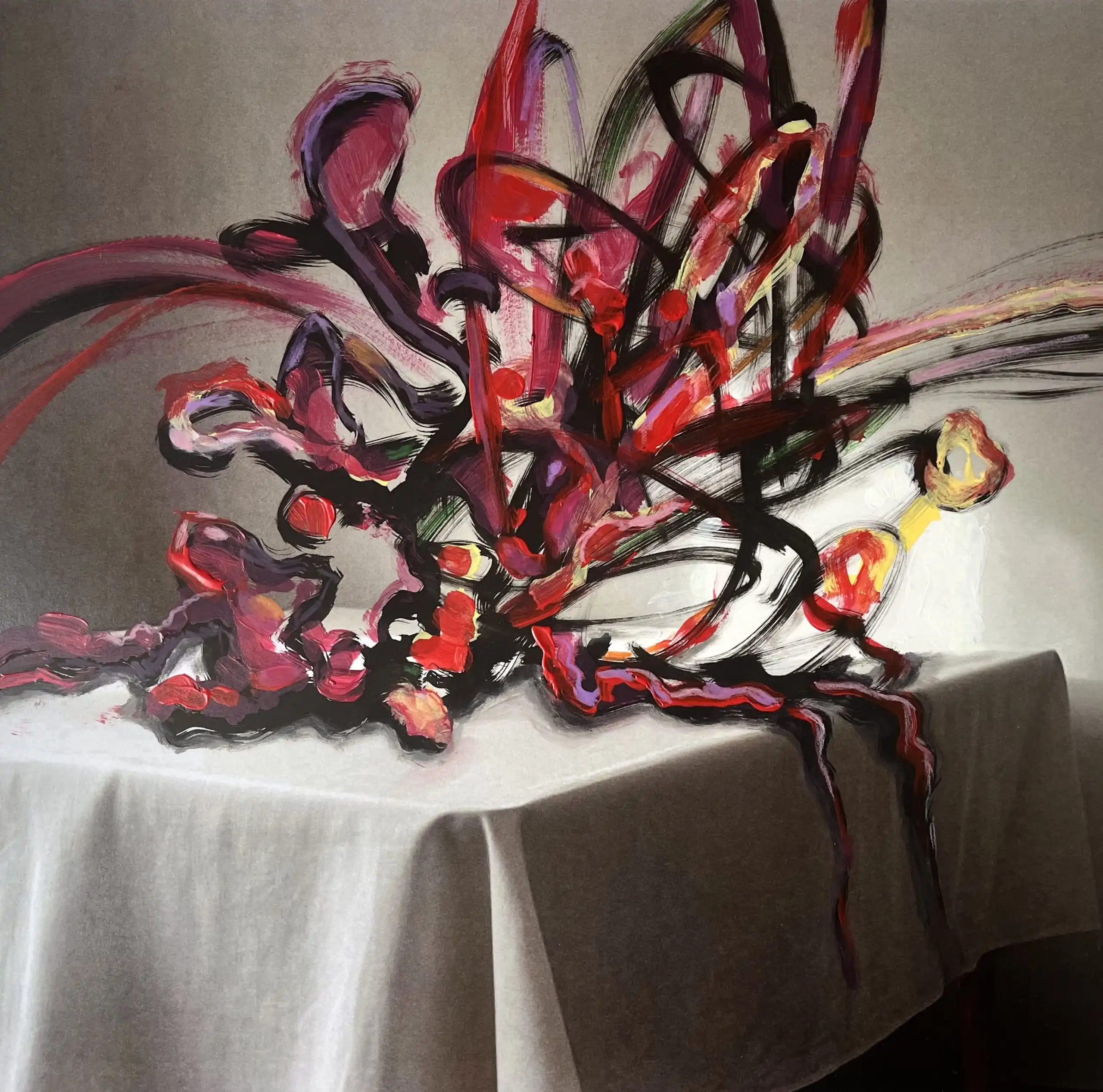
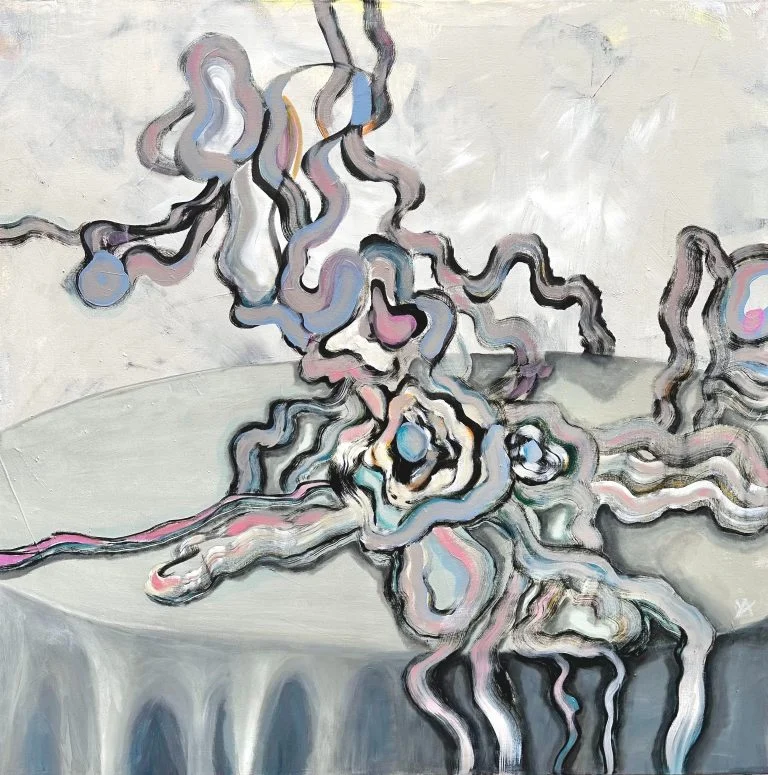
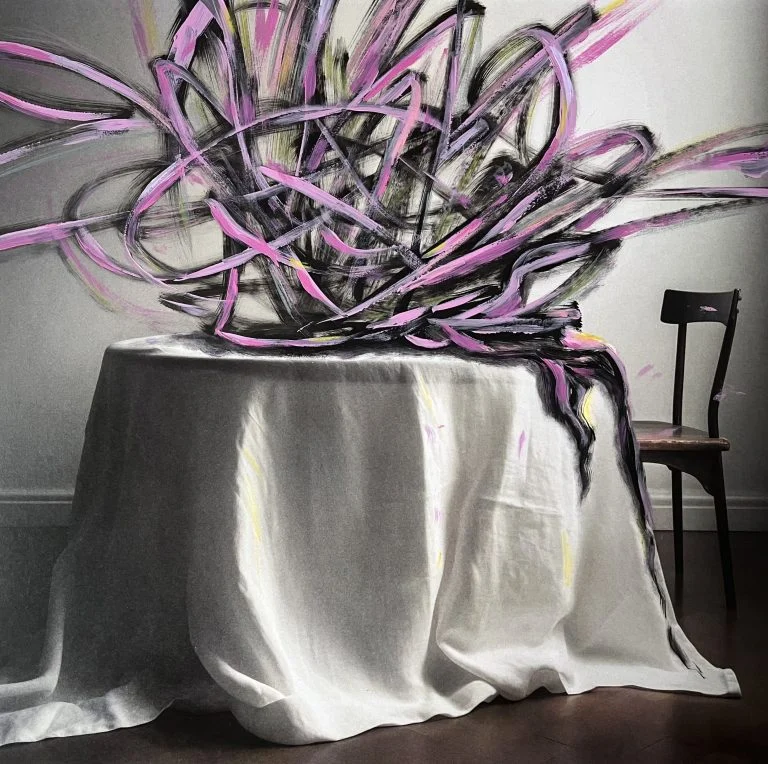
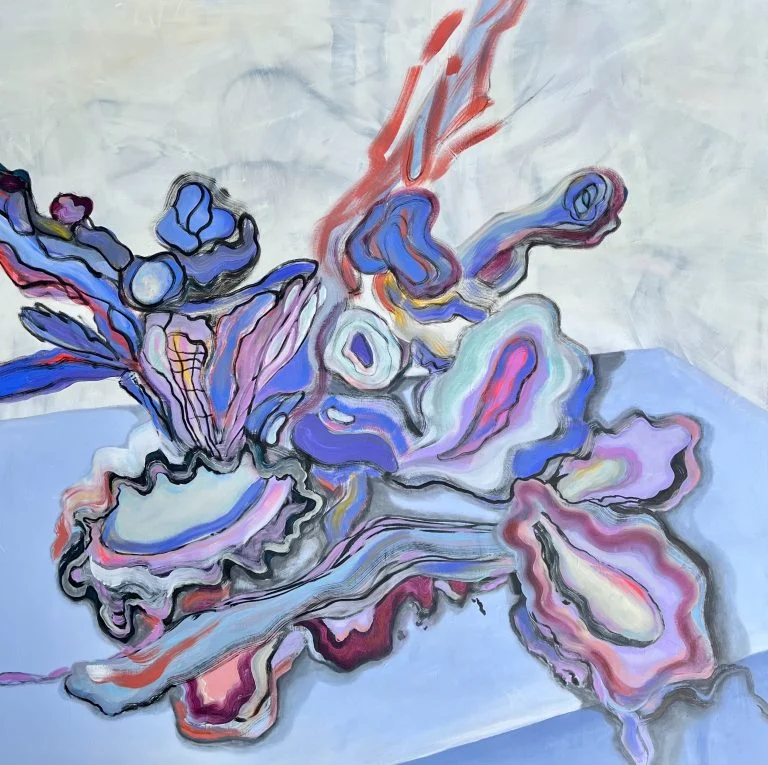
Yulia Ani was born in 1983 in Kamchatka, Russia. Yulia has also lived in the US and France, and is currently located in Berlin, Germany. She received her Bachelor’s degree in Advertising from the Moscow University of Humanity, and her college degree in Art from SKBG Collage in Berlin. Yulia Ani has exhibited her work in solo and group exhibitions in galleries worldwide.
Yulia Ani’s work transcends conventional boundaries and invites us into a world where intuition and intention converge. Yulia’s art is a study in the tangible and the intangible. She perceives not just external forms, but also the vitality, impulse, and latent strength that lies beneath, evoking the raw emotional power of Expressionism. Her work becomes a portal – an intimate dialogue with psychology, philosophy, and esotericism. It is an abstract, intuitive painting process that emerges as a pure and unfiltered encounter with the depths of her being. The finished artwork becomes a conduit for viewers to engage in symbolic reenactment. As they follow the linear forms, they perform and symbolically repeat the gestures that once conveyed a specific state.
“The Moment When” is a series of artworks that delve deep into the realm of emotions. Yulia processes her own Emotional Residue that has led to her eating disorder, while exploring her personal spiritual nourishment. Unlike traditional Dutch still life paintings, which often evoke a sense of meditative tranquility, “The Moment When” captures a vibrant, dynamic, and emotional essence of tumultuous life. At the moment Yulia is working on a series of large scale paintings on canvas, as well as smaller sketches on paper. But the final body of works will include sculptures and video installations.
Drawing and Painting
CV Summary
Selected exhibitions
2023 Group Exhibition Paper Edition by BAAM at POP KUDAMM art space, Berlin
Group Exhibition Body Alchemy by Haze Gallery at Retramp Gallery, Berlin
Discovery Art Fair Frankfurt, represented by Haze Gallery
Group Exhibition BAAM #5, Berlin
Group Exhibition Triumph of the Women, Haze Gallery, Berlin
Group Exhibition Round + Round, LiTE-House Gallery, Berlin
2022 Group Exhibition BAAM #4, Moos Space
Group Exhibition Die Farbe, LiTE-House Gallery, Berlin
Solo Exhibition in Boxi Espresso, Berlin
Group Exhibition Immigration, Forum Lichtenberg, Berlin
Group Exhibition Heartburn Project, Theaterhaus Berlin
2021 Every Woman Biennial, London
ZDES na Taganke Gallery, Moscow, The One Who Watches Earthmen
Arbnor Karaliti & Ermir Zhinipotoku is GlogauAIR resident from April, 2024 to June, 2024
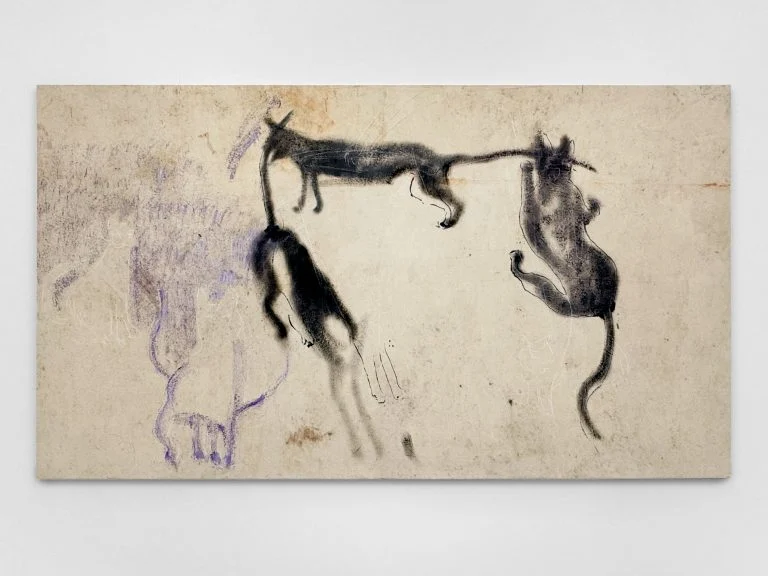
Arbnor Karaliti’s art is a journey of self-discovery through painting and various mediums. Influenced by personal experiences and existential themes like isolation and various social taboos, he creates installations and explores social issues. His process-oriented approach involves sketching a red line on canvas before placing subjects, often friends and fellow artists.
Ermir Zhinipotoku’s paintings look into existentialism and psychology, using satire and tragedy to explore the absurdities of life. His work reflects a detachment from modern society and a longing for authenticity, seeking connections with human essence and nature. Through paintings inspired by biological and natural forms, he challenges our perceptions and methods of existence.
Meet the Artist
Can you start by giving us an introduction about you? How did you start making art and how did you start working together?
A: I’m Arbnor Karaliti, I come from Kosovo. I’m a visual artist, focused on painting, but also sometimes experimenting with new media like video and installation. We came together here because we studied together and we had a collective in which we used to work together in the past. Then we just thought that GlogauAIR could be a really nice opportunity to come back and have some time experimenting and coming up with something together.
E: My name is Ermir Zhinipotoku, I’m a visual painter from Kosovo too. I studied painting at the University of Arts, but sometimes I work with a bit of sculpture.
Can you describe your artistic practice? What is your process? What inspires you?
A: I was mostly focused on new media during my studies, and I was always painting on the side. I painted my friends and people around me, so that I could find a bit of connection with them. Then it just happened very naturally that I was leaving the new media to focus more on painting. It was very interesting for me to explore humanity and loneliness. Especially in our century, you’re so easily connected with the people thanks to technology, but then at the same time there’s always this moment when you go back home and you find yourself reflecting about yourself, your feelings and the loneliness you experience in this kind of world.
E: For me, inspiration comes mostly from personal experiences, but I am also getting very much inspired from music, movies and poetry.
Do you have any anecdotes that impacted you and/or your career?
A: Of course, I think there is a connection between my life and why I do art and why I’m focused on these things. I think how you grow up as a person, your personality and all the circumstances in life make you want to express yourself in a certain way.
Everyone has their different way of expressing their feelings to others. But since I was a kid, I always could see myself taking a piece of paper and drawing. That’s the way I could see myself sharing what was in my mind with others.
E: I remember very well when I was young, I think I was in 7th or 8th grade, and I was very busy at that time. After school, I went to art school. So I started very young. I think that was the only thing I could see myself doing.
What are your goals for your art? What is your relationship with the art market and the art world?
A&E: I think it’s always a bit sensitive to talk about the relationship with the art market. Especially nowadays, it feels like you have to choose if you want to be commercial.
But then you have to make a lot of compromises with your art and with yourself.
Otherwise, another way is to be really persistent. This way it takes much longer to be successful, then you are in the art market.
We chose the second one, so maybe we also chose to struggle a lot because it’s not that easy to be in the art market. But we don’t really like to make compromises. That’s how we see it.
Can you live off your art?
A: It’s very difficult, but it’s been 3-4 years that I don’t have other side jobs. So, I can live off it, even if there’s a lot of struggling and I don’t have a lot of money. I think it’s just a matter of managing your money.
I imagine it’s also important to just reach the audience and make them see you. Especially since I do portraits, it’s much more difficult. Only collectors want to invest in them. Elmo has much more to offer, I think. But on the other hand he doesn’t want to sell.
E: Yeah, I sell one or two works per year.
A: Also, Kosovo has way lower standards than Europe in regards to living costs. Whenever I travel, I’m spending like three times more. But the art scene there is doing pretty well. Once you prove that this is what you want, you are more easily part of it. We also just had Manifesta and there were around 200.000 visitors. I think it also helped with selling and being around Europe because we got so much attention during that period. I think that for a small country the art scene is huge.
You already told us why you came here. Why did you choose Berlin? Do you like the city? Is it influencing your works in some ways? And living with other artists, is it having an impact on your works or not?
A: I came here because I thought Berlin could be a really nice chance, especially for my style of painting. There are a lot of very interesting people around and among them I can see a lot of diversity and different experiences. This can be very inspiring.
Also, being in the residency is so nice because you meet a lot of people from all over the world, with a different culture and they’re all sharing the same space. I think you can learn a lot from these artists, especially as we don’t have the same medium. It’s really nice to be 24/7 in a space where you see people doing installations, videos and use ready-made materials and work with very different stuff. So I think for me it was very inspiring to just share the space with the other artists.
It was also my first residency.
E: It’s the same for me.
You have a studio where you work together back home. Is sharing your working and personal spaces different here?
A: Actually, I didn’t think that much about it because we share the same studio. And before we were together in the university for four years. So it’s like 10 years that we are used to sharing spaces every day. But before coming here I didn’t know that sleeping alone is so important. I really didn’t think about it because we are working together every day. But then I didn’t know that being together 24/7 is a different story.
Anyway, so far it was really nice. We could really share everything together and it was nice to learn more about each other’s ideas and stuff.
E: I feel the same. Every time we just want to go to the bar together.
A: Long story short, how we became friends was because we are in Pristina. We are both from other cities, not from the capital. So when we moved there, we were kind of excluded from the art scene and we felt ignored all the time. It’s not that easy, it’s very exclusive to be in the art scene there. I needed to do something about it. So, we were together all the time doing interventions and some exhibitions. That’s how we found the collective.
Then we could see that we are stronger doing something together. Because if you’re one single individual, no one really cares about you.
So, we were used to working together. Even when we work individually, we always share the ideas and we ask each other “what do you think about this and that”. At the same time, our styles are completely different. And this is relevant also with respect to other artists.
What are your plans after the residency?
A: I think I always liked Berlin, I used to live here. So I think I’ll come back for sure.
I don’t have a specific plan, but maybe slowly getting into the art scene. For sure, I want to be here. Maybe not immediately, but at some point.
E: First of all, my plan is to learn some languages besides my own. Then to have some shows at the end of this year. Then at some point I also want to come back, not necessarily in Berlin. I want to travel to other European cities.
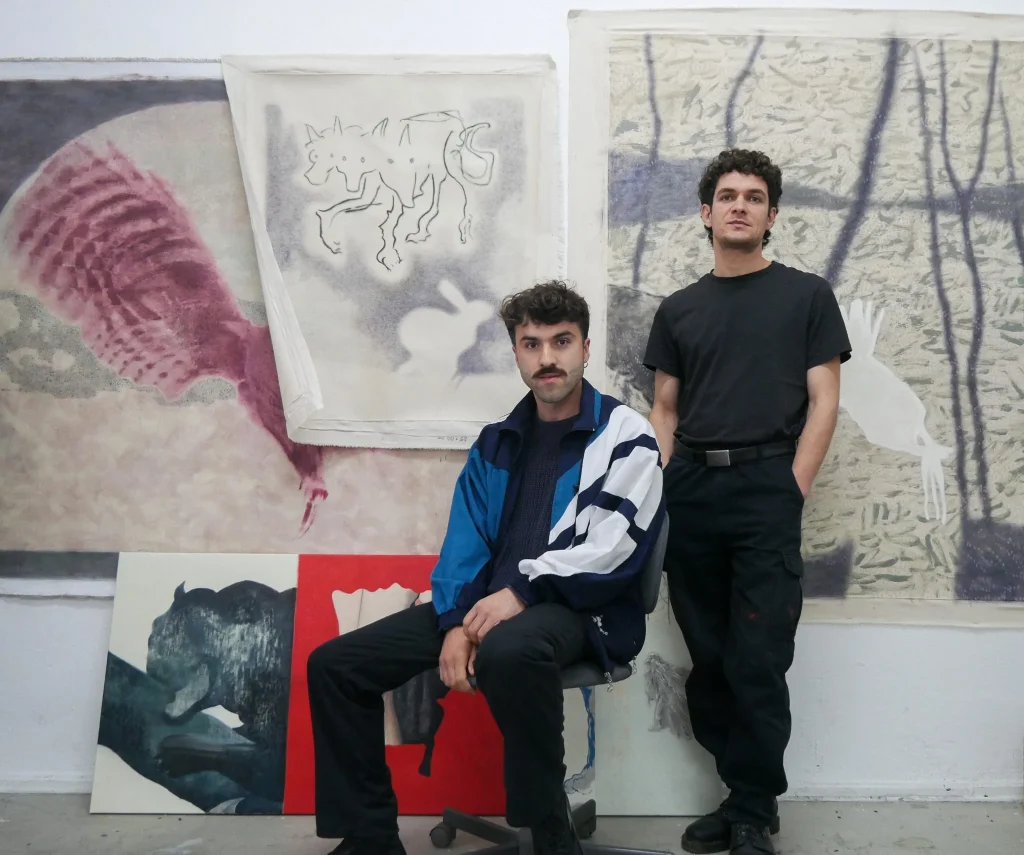
Arbnor Karaliti (XK, 1996) works with painting and experiments with various mediums in a continuous process of learning about himself through art. His work is influenced by personal experiences as well as existential issues, including isolation, and various social taboos. Process- oriented, he works in consecutive stages; when painting, he first sketches a red line on the canvas, which he refers to when placing his subjects – often his friends, flat mates and fellow artists – and composing their surrounds. Seeking to prompt discussion, he also works with new media, creating research-based installations tailored to specific institutional contexts, frequently produced in close cooperation with generational peers. Throughout his interdisciplinary practice, he reckons with various poses and postures – the familiarity, or foreignness, they signal – and their metaphysical implications.
Ermir Zhinipotoku (XK, 1997) is a visual artist primarily focused on the medium of painting. His artistic work is a profound reflection on existentialism and psychology, analyzing the absurd. The use of utilitarian silence through satire and tragedy is an essential element of his artistic expression. In his creative endeavors, Zhinipotoku expresses a sense of detachment from the modern world and a desire for a simple and authentic life, seeking a deep connection with the roots and essence of human existence. Throughout his paintings of various formats, both monumental and intimate, he draws inspiration from internal biological forms as well as the epic natural formations we live amidst. He aims to challenge our subject-centric attitudes and our methods of earthly existence.
CV Summary
Arbnor Karaliti
EDUCATION
2015-2019 University of Prishtina – Faculty of Arts, Prishtina
SOLO EXHIBITIONS
2023 Can you hear the nighthawks whispering? Oel Früh Gallery, Hamburg
2019 Emotions and thoughts a feeling by just making eye contact, Destil Gallery, Tirana
2018 4 minute walk, Gallery of Arts, Ferizaj
GROUP EXHIBITIONS
2023 I sing the body electric, the armies of those I love, Barabar Centre, Prishtina
2023 Here today, gone tomorrow, Room five studio, Prishtina
2023 Whatever the Weather, Oel Früh Gallery, Hamburg
2023 Daily Archived, Paper Gallery, Prishtina
2022 Hang on, Hang out, Paper Gallery, Prishtina
2022 Clubbing insistence: After a party, Toplocentrala, Sofia
2022 Manifesta 14, Prishtina
2022 Pavijon, Varg e Vi, Gjilan
2022 Internal, Room 5, Prishtina
2021 Nothing like home, LambdaLambdaLambda, Prishtina
2021 Based on a true story, National Gallery of Kosovo, Prishtina
2019 Gjon Mili award, National Gallery of Kosovo, Prishtina
2019 Young Artists award, National Gallery of Kosovo, Prishtina
2018 External, part of the „Hap“ National Gallery and National Library, Prishtina
2018 Emerge, part of the „Hap“, Destil Alternative Gallery, Tirana
2018 Emerge, part of the „Hap“, Faculty of Arts, Prishtina
Ermir Zhinipotoku
Education
2015-2019 University of Prishtina – Faculty of Arts, Prishtina
Elisa Pardo Puch is GlogauAIR resident from January, 2024 to June, 2024
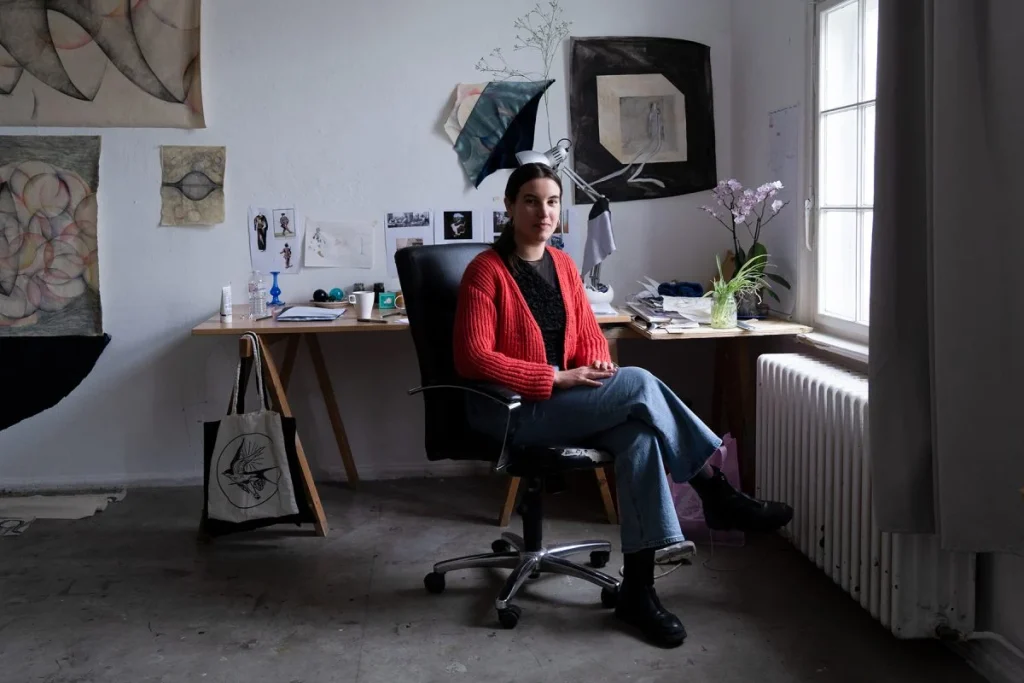
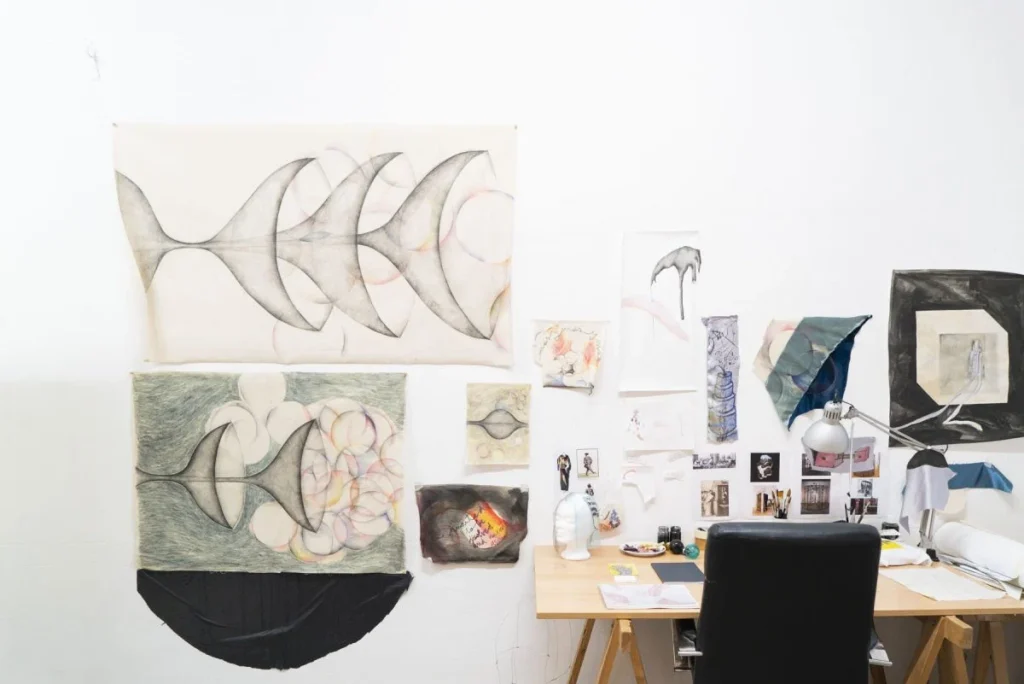
Elisa Pardo Puch intertwines autobiographical narratives with contemporary social contexts, encapsulating them within the spatial confines of her artworks. Employing techniques like drawing and sewing, she navigates an intuitive, repetitive, and meticulous process, infusing tension between industrial and artisanal elements.
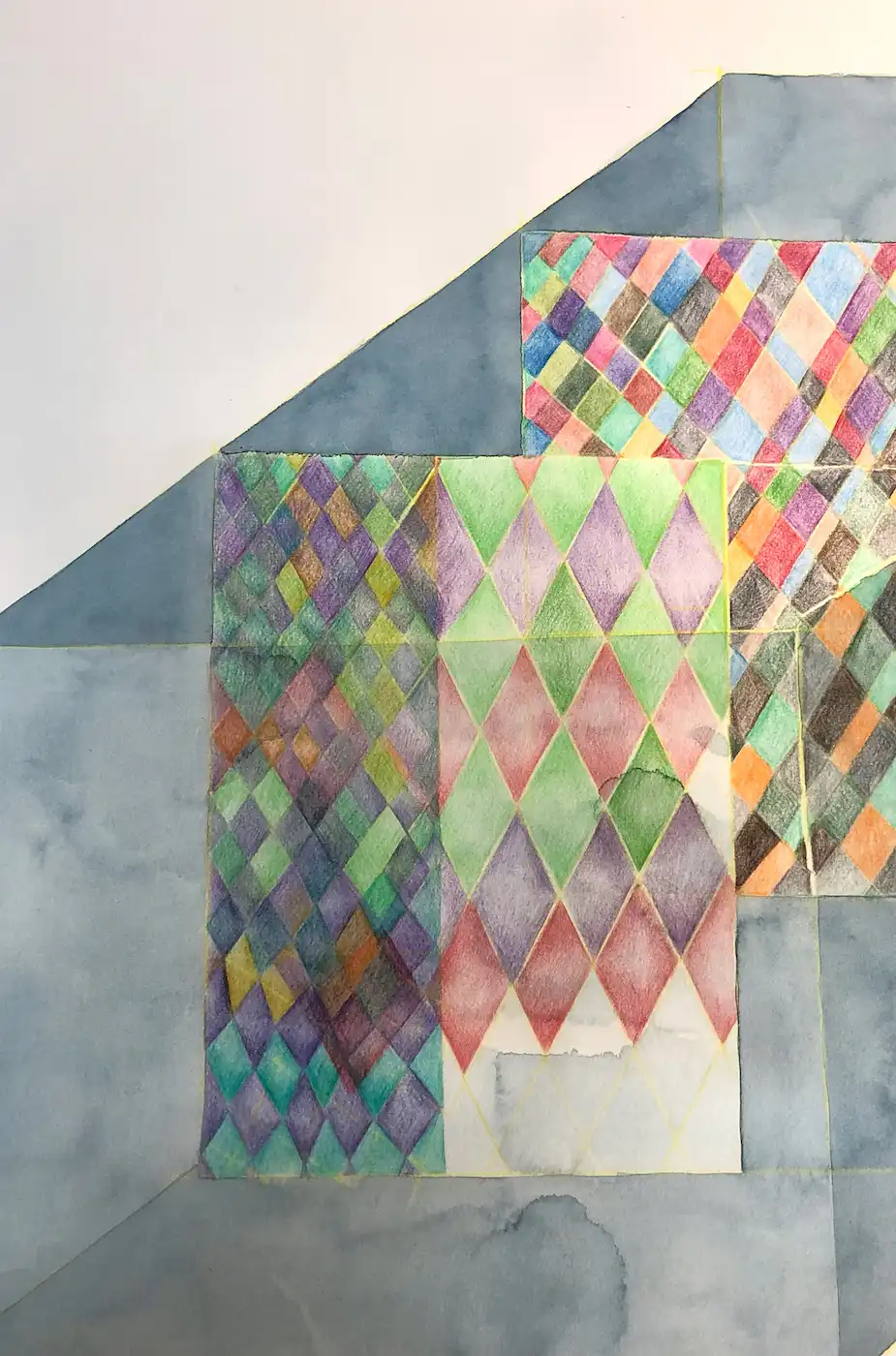
Through geometric motifs and meticulous lines, often within a grid framework, Pardo Puch delves into moments of repetition and insistence, finding a meditative space where ideas flow freely, viewing the process itself as a channel for creative expression.
Meet the Artist
How would you describe your practice as an artist?
My name is Elisa Pardo Puch. I’m from Madrid, and I studied graphic design, fine arts, and have a Master’s degree in contemporary art history. My current practice revolves around developing a unique visual language that I express through drawing and research.
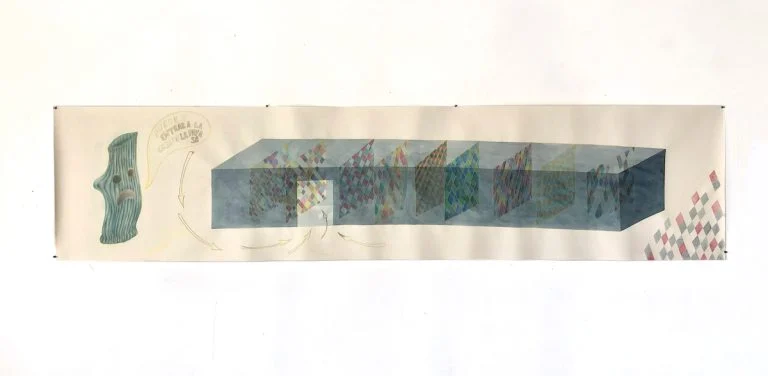
In my work, there’s this ongoing tension between two-dimensionality and space. Even though my creations are typically flat, I’m always thinking as if I’m a pretend architect or sculptor, trying to give them depth and structure.
Right now, I’m focused on finding what is constant in my work. A key aspect of my practice is starting small and building larger pieces from these smaller parts. This approach involves repetition, both in terms of the formal aspects and the concepts. I start with simple, repeated elements, which then expand to form a larger body of work.
The process of repetition doesn’t only apply to the art itself—it also influences my physical movements while I work. The act of creating becomes a repetitive motion, with patterns that reinforce the overall theme.
In my practice, I approach projects from both sides: sometimes starting with a concept, and other times beginning with the medium. Some projects start from a small story—something personal or autobiographical—that I don’t fully understand, and I work through it by giving it space, using my body, hands, and various materials to process it. However, most of my work focuses on the interaction with materials, approaching it in an abstract way, exploring shapes, and working instinctively.
What inspires your work?
A lot of things inspire my work. I often draw from older artistic movements like Dadaism and Avant-Garde. I’m also influenced by the Arts and Crafts movement from the 19th century, which focused on creating a whole universe from a single idea.
Currently, I’m interested in textile art and often look at artists like Aurelia Muñoz for inspiration. But my influences aren’t limited to traditional art forms—I also find inspiration in crafts from various cultures and time periods, particularly textiles. I find the creative techniques used across different ages and regions very interesting, and they often spark ideas for my own work.
How did your artistic journey begin?
My artistic journey started when I was a child. Drawing was always my way to express myself—to create something from my imagination. It was an easy way to play and to share my ideas and desires.
I continued to draw as I grew older, eventually studying graphic design and then fine arts. The progression felt natural to me. It wasn’t like I suddenly decided, ‘I want to be an artist.’ It was more like everything led me to this path slowly and naturally.
I always knew I wanted to do something creative, and I always enjoyed drawing. There wasn’t a specific moment when I decided to become an artist; it just felt like a natural progression. I even tried studying architecture, but then I realized that what I liked about architecture was the technical drawing, so I knew my path was in art.
Do you have any memorable anecdotes from your artistic journey that had a lasting impact on you?
I’m not sure if there’s a single specific anecdote, but something that really impacted me happened fairly recently. I realized how important it is to be part of an artist community, to be surrounded by people who share similar challenges and experiences.
Being part of a community made me feel more secure in my decision to be an artist. When I found a group of people who understood my worries about art and who could relate to the struggles of living and working as an artist, it made a big difference.
In my case, it all started when I began sharing a studio. Once I had those conversations and connections, I knew it was crucial to stay involved. Being an artist can be ultra frustrating and ultra precarious sometimes, so having a support network reassured me that I was on the right path.
I cannot think about any specific memory, nothing really stands out as special. I guess it’s more about the great conversations I’ve had and the friends I’ve made along the way.
It’s not just about sharing art experiences; it’s more like a lifestyle. The studio becomes a place where you live, work, and connect with people. That’s what makes it special, even if there’s not one particular story to tell.
How do you see your artwork and yourself in the contemporary art world today and in the market?
I know I fit in the contemporary art world because my work has a unique voice that speaks to modern themes. My art finds its place in the contemporary market because I’m working with a gallery and actively seeking opportunities from institutions. These connections provide the resources I need to keep creating, since I don’t make much money from my art yet.
I’m committed to this path because I want art to be my main focus in life. To make that sustainable, I need a way to cover basic needs like housing and food, which is why I’m working with a gallery and applying for different grants or programs. It’s a priority for me to make a living from my art, so I’m trying to find ways to make that happen.
Although my work isn’t strictly textile, it’s inspired by it. I approach my art as if I were a seamstress, with a focus on creating and stitching together elements, even if my medium is mostly plastic. This inspiration from textile work and the emphasis on drawing shape my place in the contemporary art world, even if I don’t have all the answers yet
Do you think the city of Berlin is having an impact on your work?
Yes, definitely yes. Berlin has had a big impact on my work. When I first arrived, it was winter, and it was horrible. But in a way, it was a gift, because it kept me in the studio the whole time, allowing me to be ultra-focused on my work.
Being in this residency in Berlin has given me the chance to really rethink a lot of things. It provided the time and space I needed to pause, reflect, and consider where I want to go with my art.
Is this residency and the fact that you are living with 13 other artists having an impact on your production?
As I mentioned, the most important thing is being with other artists. The residency has provided me with a lot of growth opportunities. I’ve learned a lot from other artists in this and other residencies. I’ve been in three residencies before, and it’s amazing to see how different each artist’s practice is.
It’s interesting to see how different artists approach their work and the various perspectives they have on the same subject. Residencies offer this kind of unique insight. They give you an intense period to really focus on your work, which I consider a privilege.
Specifically, how do the 13 other artists here influence my work?
I don’t know if I can talk about it yet. It’s something that requires time to understand and process. I don’t know exactly how it influences me, but I’m sure it does, and I might realize it later on.
Currently, I’m immersed in the experience, and it’s very emotional, which makes it challenging to reflect on. But without a doubt, the attitudes of some artists, the way they engage with their workspaces, and how some are involved in social art, have an impact on me. It makes me rethink my own approach, as I’m not usually as direct. It makes me consider how different types of artists play a role in our society.
And what are your plans after GlogauAIR?
I don’t have specific plans yet. My focus is on applying for more residencies, and I might also consider studying something new. I think I need to find a way to balance my time between practice and other activities, like education or teaching. The goal is to make my work sustainable.
Right now, I’m concentrating on my upcoming exhibition, which is happening in one month. It’s a solo exhibition in Madrid with my gallery. After that, I might have some projects in autumn, but they are not completely set. So, for now, I’ll continue looking for more opportunities and see where it takes me.
Elisa Pardo Puch’s work often links autobiographical elements with the historical and social present and with the space that contains the pieces. The artist works with techniques that allow her to proceed in an intuitive, repetitive and meticulous manner – such as drawing or sewing – and uses the tension that arises between industrial elements and artisanal procedures. Through different formats, he explores the potential of disposable and poor materials to think and create from their own connotations, inverting or deactivating certain automatic associations between the material, its use and its desirability. Thus, Pardo Puch seeks out and extends these moments of repetition, of insistence, which often occur with the use of geometry. Common in his work is the grid, the careful line, the measured and exact perspective. In these physical processes, in the trance of his own making, Pardo Puch finds a self-absorbed distance where ideas emerge, conceiving the process itself as a form of channelling.
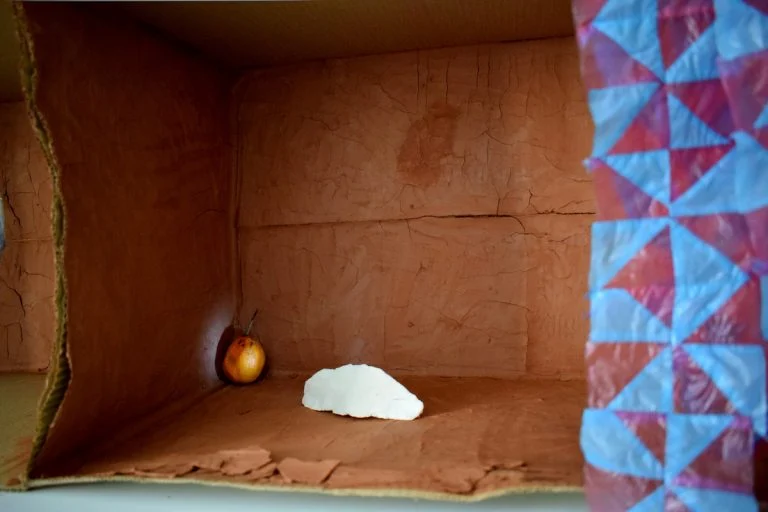
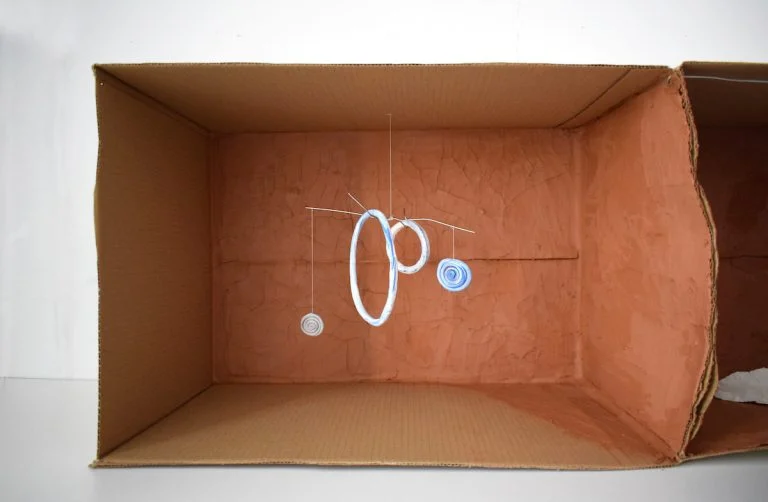
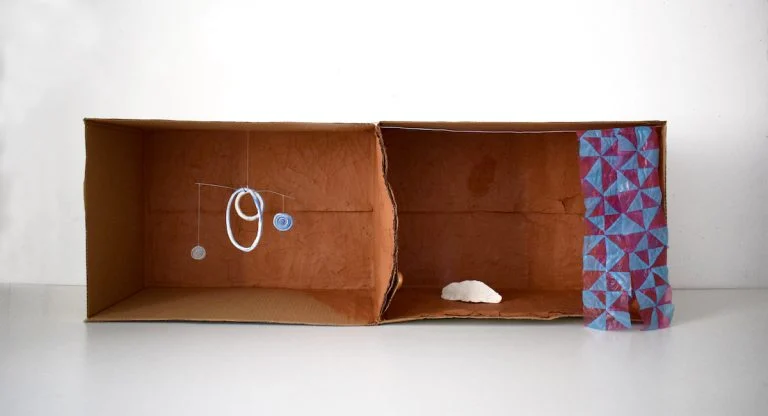
The objective of the project that I propose to develop at GlogauAIR will consist of continuing my drawing and textil practice, as I have done in my last works. I am especially interested in spaces that hide something inside. Also in the feeling of restlessness, fear and curiosity that we feel, especially in childhood, when we enter into an unknown place. In my artistic process, I start from personal experiences as the beginning of narratives. I formalize this narratives by combining materials such as drawing on paper, sor textiles. My work process during the months of residency will consist of creating several dioramas and models and of possible spaces. These models are small immersive pieces with simple visual illusionism: dark spaces into which we can enter and from there peek into “other worlds”, small stages, as if they were observatories from which to discover reality in unusual ways.
Drawing
CV Summary
EDUCATION
2017 Graduated in the Master’s Degree in History of Contemporary Art and Visual Culture by UAM and UCM.
2014 Graduated in Fine Arts at the UCM in CES Felipe II of Aranjuez.
2010 Diploma in Higher Design Studies at the School of Arts and Crafts number 10 in Madrid.
2009 Graphic Design. Duperré Art School in Paris.
SOLO EXHIBITIONS
2023 Metal Heart: lo que pesa. Departamento, Bilbao.
2023 Bajo el cielo de la noche. Boiler Room. Luis Adelantado Gallery, Valencia.
2023 A Strange Fairytale, solo project, Pradiauto Gallery, ArteSantander, Santander
2022 La Espera. Pradiauto Gallery, Madrid.
COLECTIVE EXHIBITIONS
2024 Premio Miquel Casablancas, Barcelona. Spain.
2023 Una exposición oral, cur. Caterina Almirall, Sant Andreu Contemporani, Barcelona.
2023 Garden Shed, Villa Bergerie, Huesca.
2022 [t su ́zamen ́vaksn], AIR Munich, Germany.
2021 Aragon Park. Aragon Park, Madrid.
2021 The tongue says loneliness. Pradiauto, Madrid.
2021 Volver al encuentro, Juan Canela, Centro de Residencias artísticas, Matadero Madrid.
2020 Una imagen que no duela ni cueste mirar. Sala de Arte Joven, Madrid, España.
2018 CALL XX. Galería Luis Adelantado. Valencia.
2018 XXIX Edición de los Circuitos de las Artes Plásticas de la Comunidad de Madrid. Sala de Arte Joven, Madrid.
2017 Futuro Presente, INJUVE, Madrid.
2016 Getxoarte, Bilbao.
RESIDENCIES AND PRIZES
2024 GlogauAIR, Berlin (January- June)
2023 Selected project in Open Call Visual Artist Miquel Casablancas 2023, Barcelona.
2023 Artist residency Villa Bergerie, residency supported by Pollock- Krasner Fundation, Huesca.
2022 Artist in Residence Munich, Germany (October- December).
2020 Matadero Art Residency Program, CRA Matadero, Madrid.
WORKSHOPS AND INTERVENTIONS
2023 Elisa Pardo Puch´s technique workshop. Practical program for reflection on textile art, its nature and processes, through the work of Sheila Hicks. Centre Pompidou, Málaga.
2023 Workshop with children from Public Nursery School E.I. La Jara, Madrid.
2017 Proyecto Chimenea, Tour of the exhibition “Ejercicios de resistencia” de Nicolás Robbio with Teresa Moro. La Casa Encendida, Madrid.
2017 Fanzine Workshop with the Leo Pardo collective with Debajo del Sombrero collective, at La Casa Encendida, Madrid.