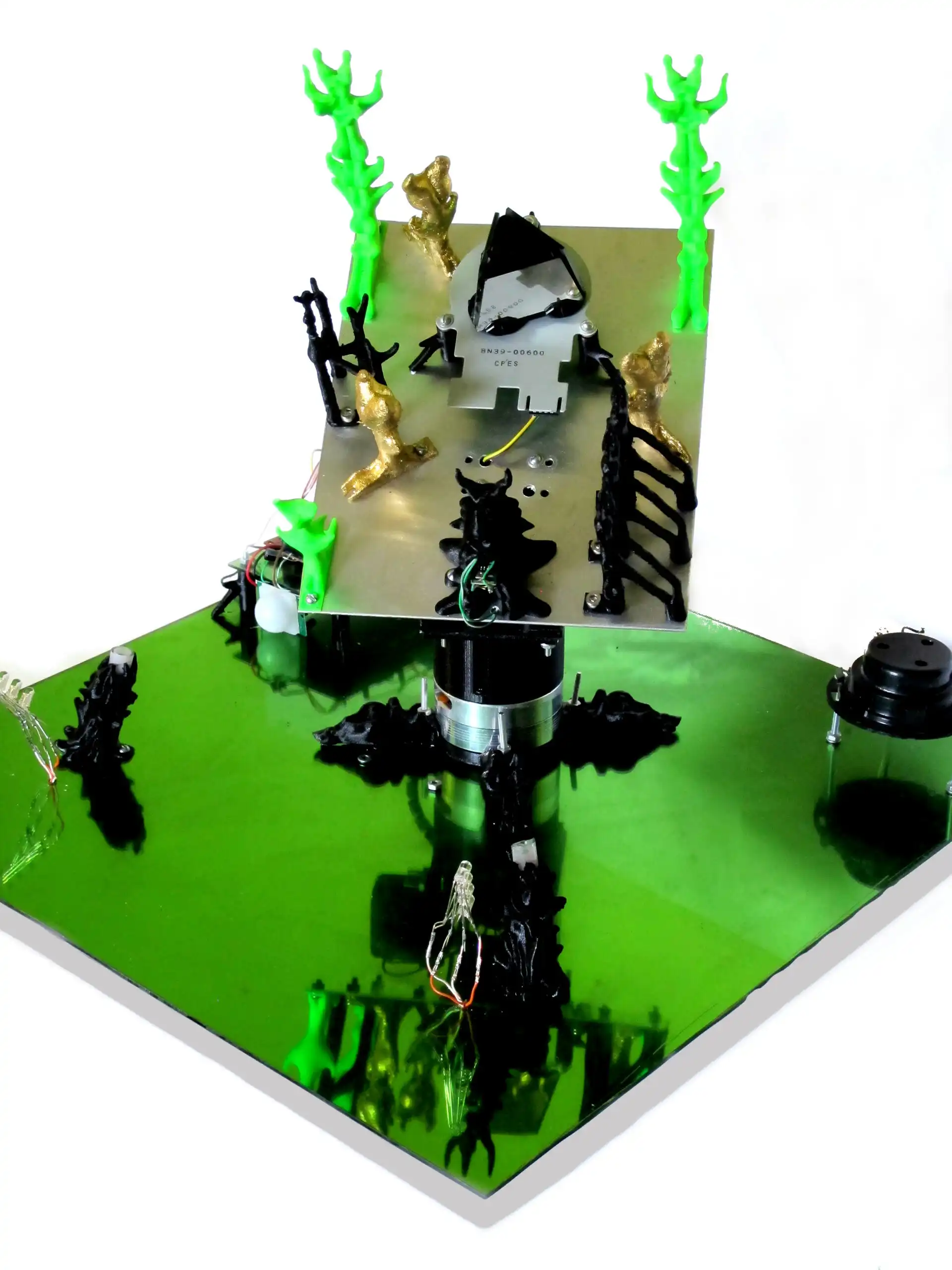
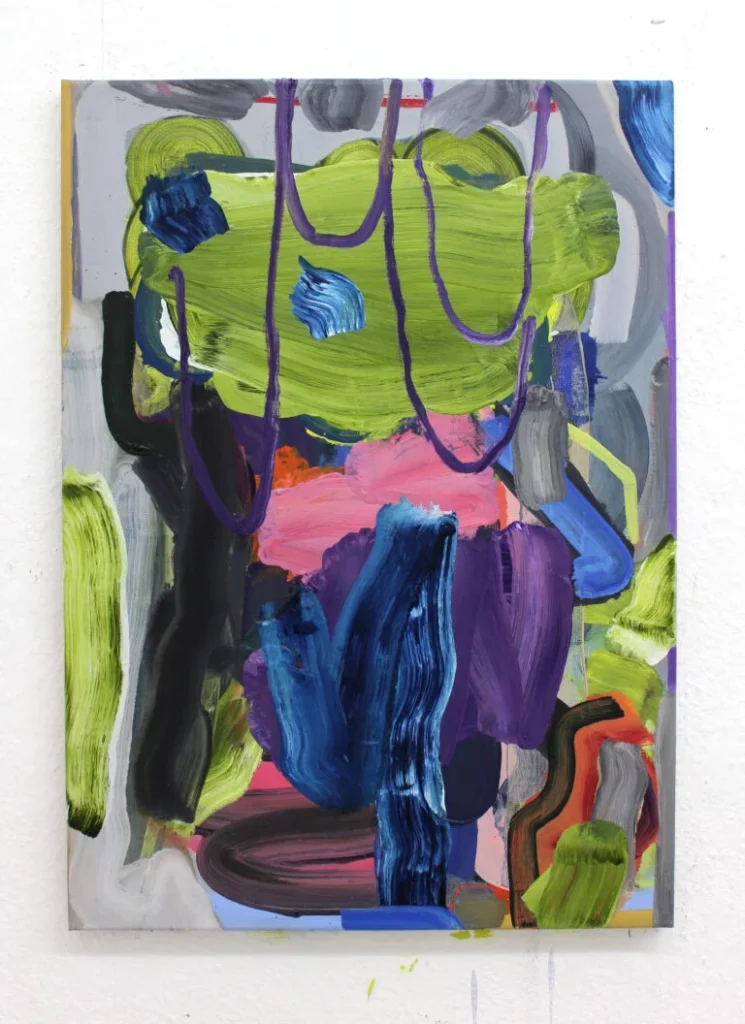
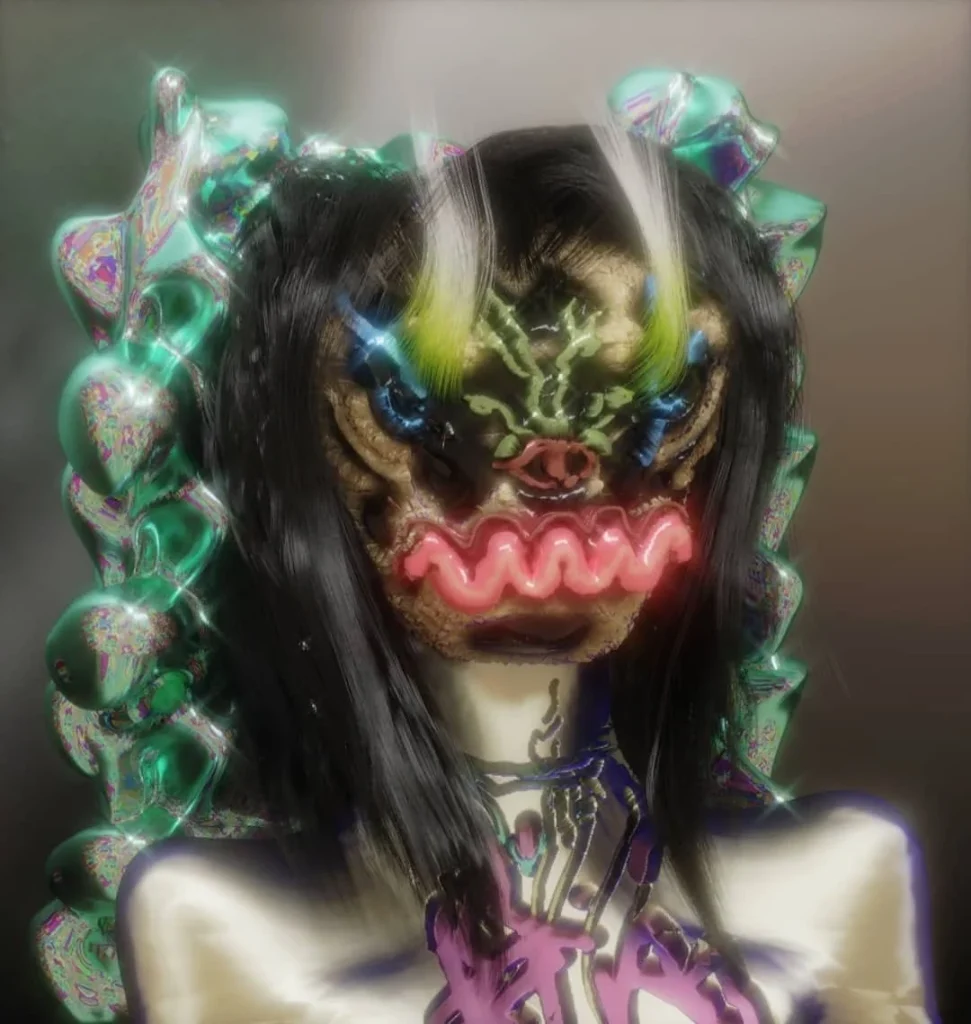
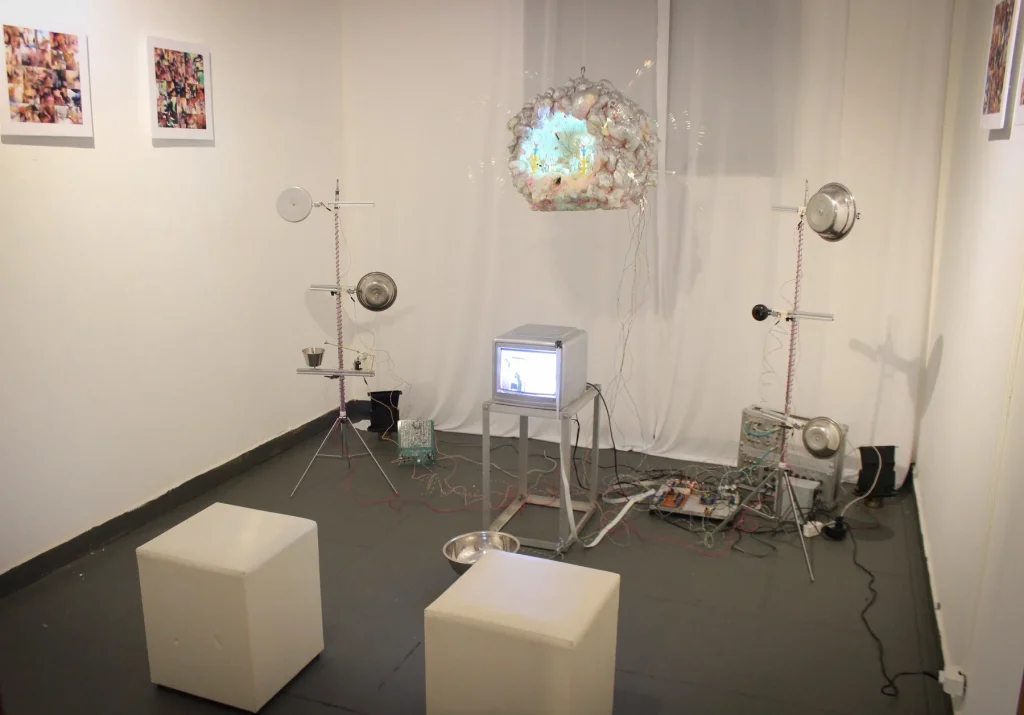
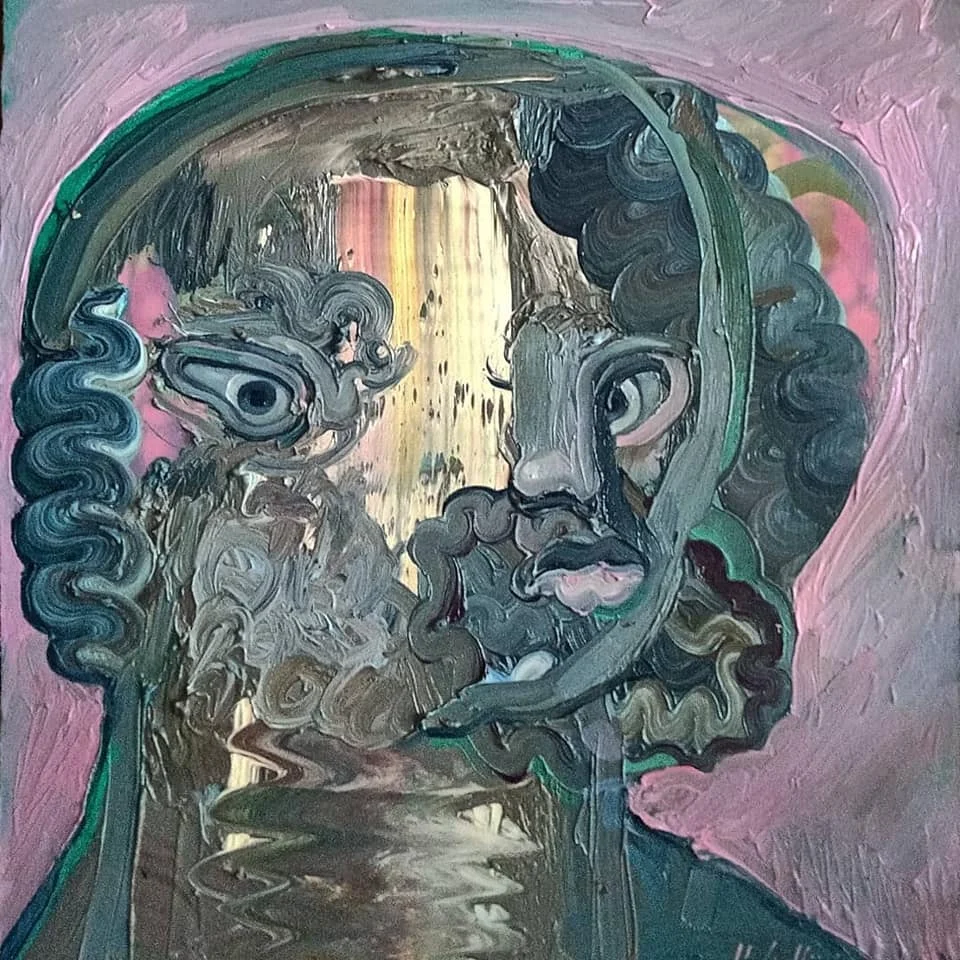
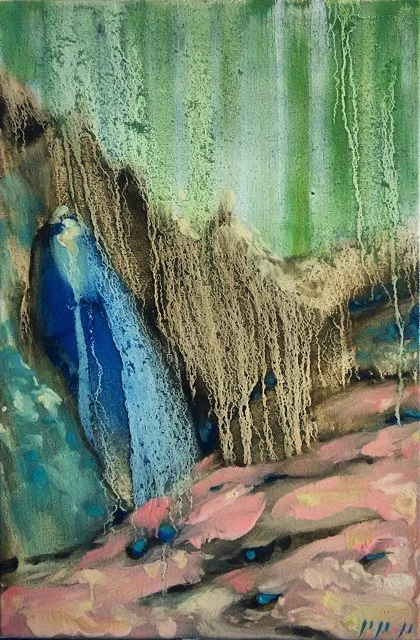
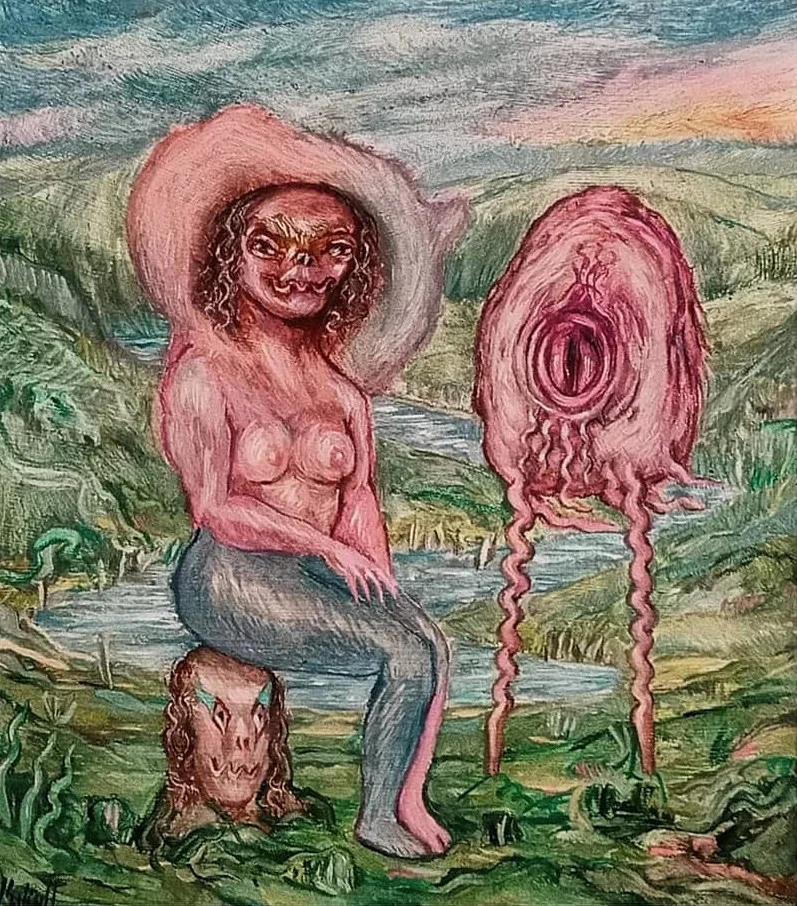
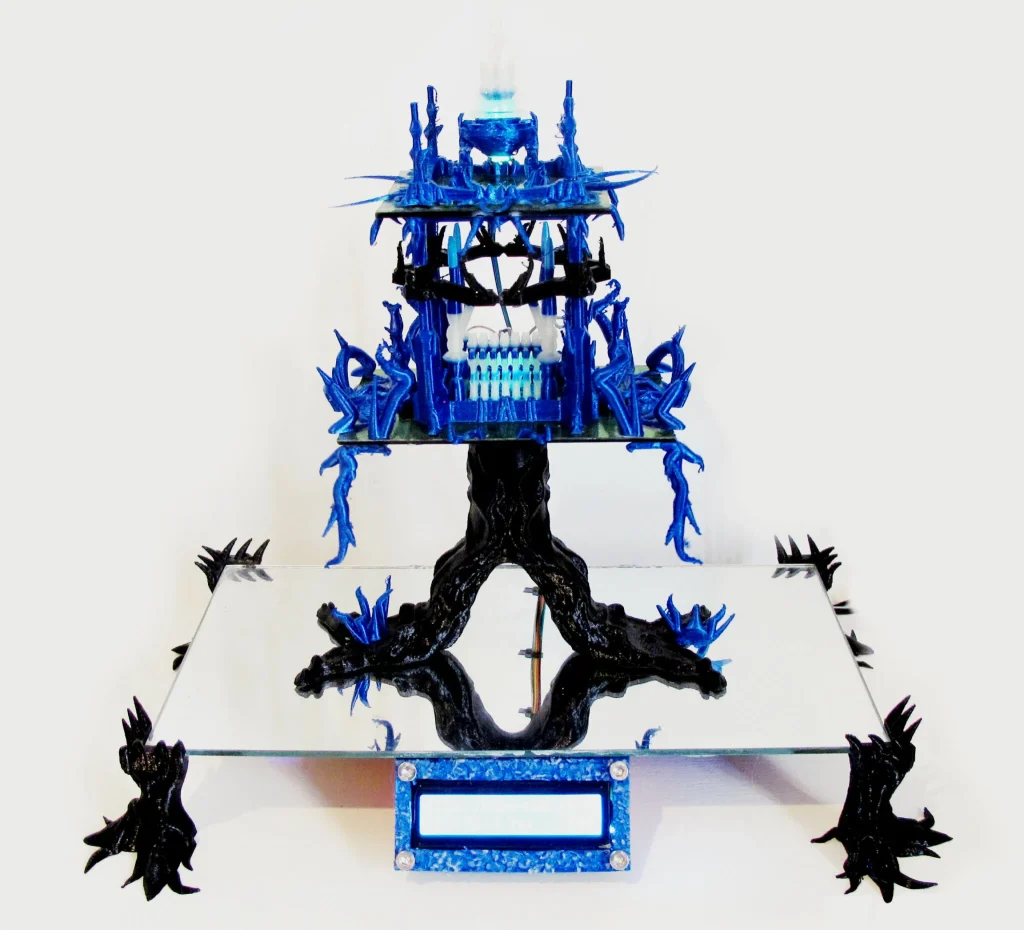
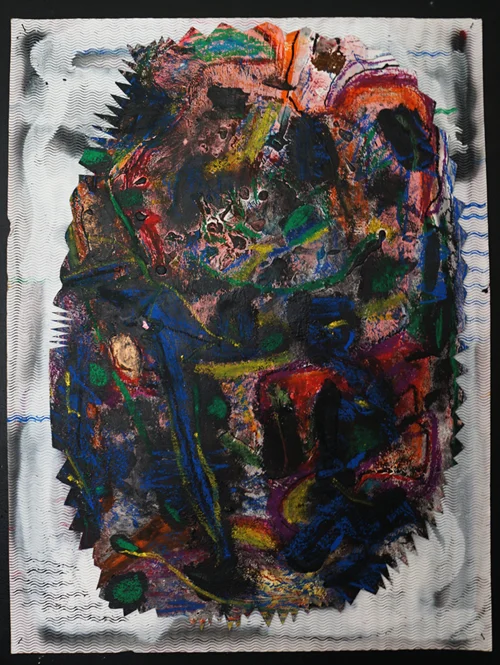
Franco works with different media, from painting to intelligent objects and installations, 3D videos and music. His installations are complex interactive spaces, where he speaks through an interactive coded behavior.
His first objects and installations were developed in Brazil, and they search for philosophical questions about the way we experience spirituality and religiosity in South America.
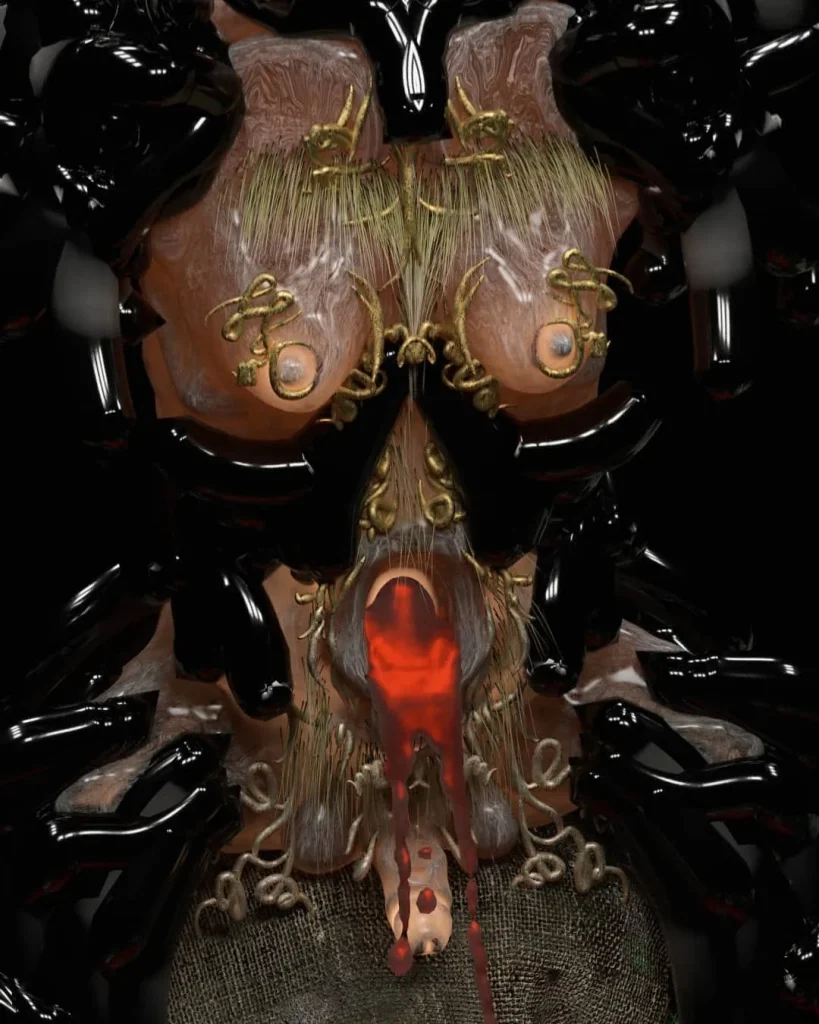
With deep learning and robotic techniques he also makes questions about our time in different areas. One path goes by questioning the physics and time itself, looking for example to new definitions of fictional physical and statistical magnitudes, dependent on the internet indicators of new sensing media. Other interest which is also shared with the painting and drawing imagery, is researching into sex and the way we experience the new wave of 3D post-porn, its political and social implications. The last path of research is into simulating societies with different psychological approaches, giving a sense of poetry in how this parallel society is born, develops, dies and regenerates.
The project consists in developing two robotic objects, and finishing the a simulation of a fictional society, focused on looking for global auto-destructive mechanisms.
CV Summary
Franco Palioff, born in Argentina in 1988, has lived in Curitiba since 2017 where he devotes himself to arts in various disciplines. He holds a degree in nuclear engineering and applies part of his training to interactive robotic objects and intelligent installations with part of his poetics focused on the evolution of human-machine symbiosis, religious stages of human beings, and the human-fulfilling function of an intelligent connected world.
Self-taught in composition of piano, oil painting and watercolor, his pictorial artworks are mainly mythological paintings, and takes part of his research in ugliness, and human pilar events, such as birth and death.
Among the alternative techniques, he does 3D mapping with Kinect (photogrammetry), VR oculus, 3D sculpture and printing, robotics and programming in several languages.
Franco has individual and collective exhibitions in Argentina in Buenos Aires, Junín and Bariloche. In Brazil, in the Museum of Santa Catarina, São Paulo and Curitiba.
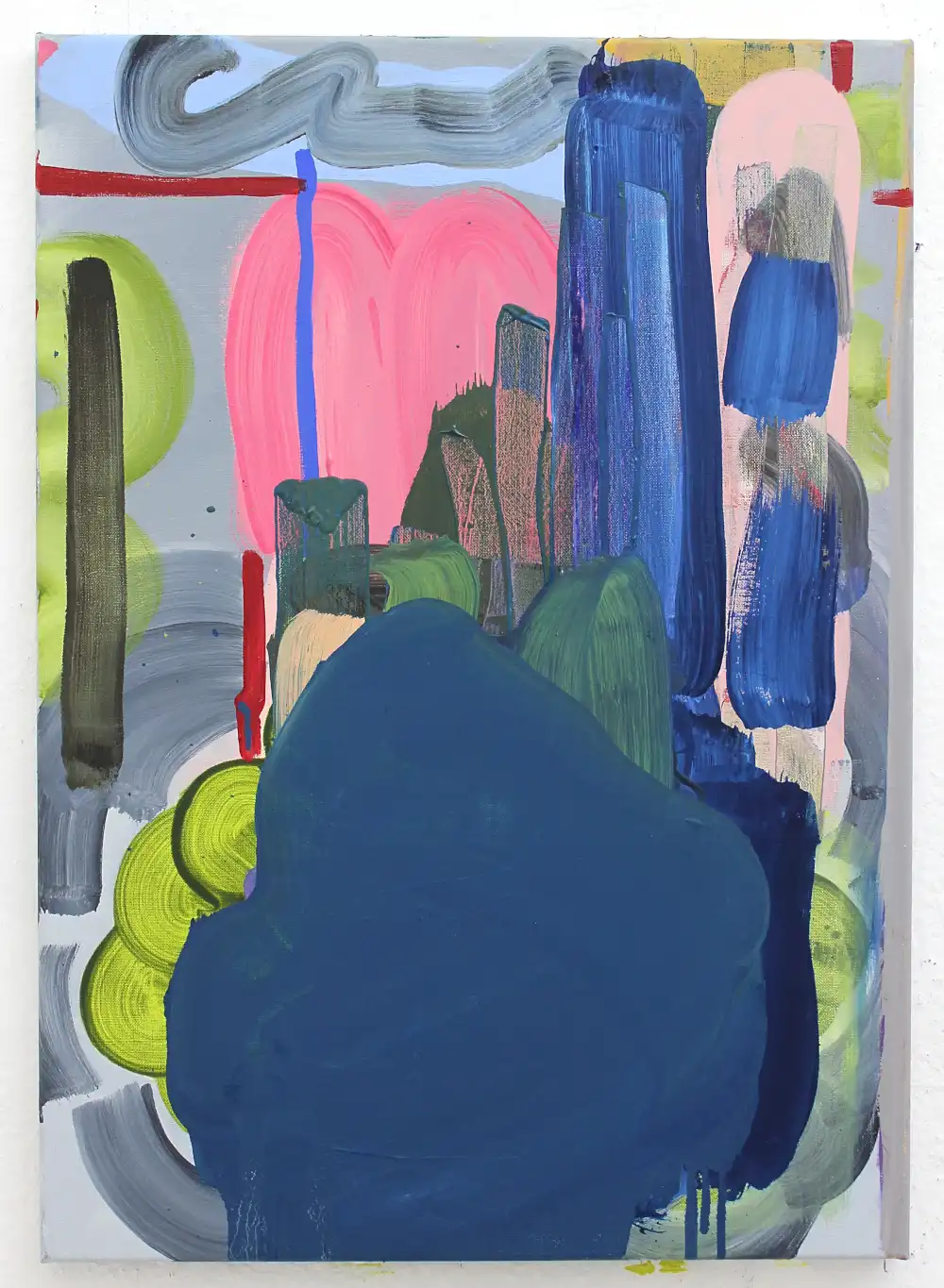
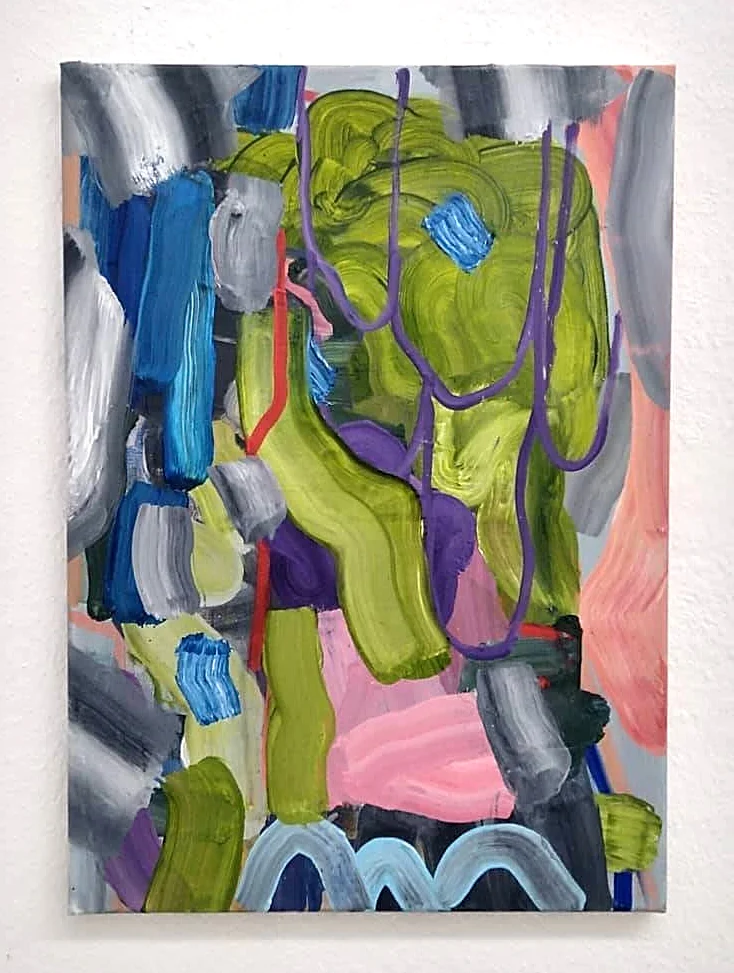
There is no singular answer as to what painting is today. This spirit medium fluctuates in non-linear time, allowing for multiple and opposing conditions to exist on and outside the canvas surface. I find this deeply fascinating and have been invested in its dialectical process of making for many years. Seemingly cordoned off and self-contained, painting calls upon the viewer, in what Barry Schwabsky describes, to become an ‘interactive co-extender’ of the work. My work draws upon paintings extensive historical pool and conspires to expand, subvert and create new visual interpretations, presenting the viewer with a rich experiential encounter. The performative nature of mark-making, where touch and the handmade link like a shadow become inevitably tied to human presence. I make intimate, richly layered abstract painting interventions. When colour and touch align, the work becomes a poetic dialogue on the nature of identity.
Alvaro Rodríguez Badel is GlogauAIR resident from April, 2020 to June, 2020 and from July 2021 to September 2021
Álvaro Rodríguez Badel is a Colombian artist working in digital mediums such as photogrammetry, video and 3d printing. Using contemporary technologies, he explores and documents nature, giving it a new meaning.
Meet the Artist
Being from Colombia, his practice is very much informed and influenced by The Amazon Forest. His artistic process begins with photographing nature and then using computer software to transform the images into 3D models. During his time in GlogauAIR, he also created pen-plotter drawings, in which a machine interpreted an image to draw. For his Open Studios, he presented a series of large-scale prints, alongside his pen plotter drawings. These works ask us to question the relationship between technology and nature. Rodríguez has since returned to Colombia, where he will continue to work as an artist.
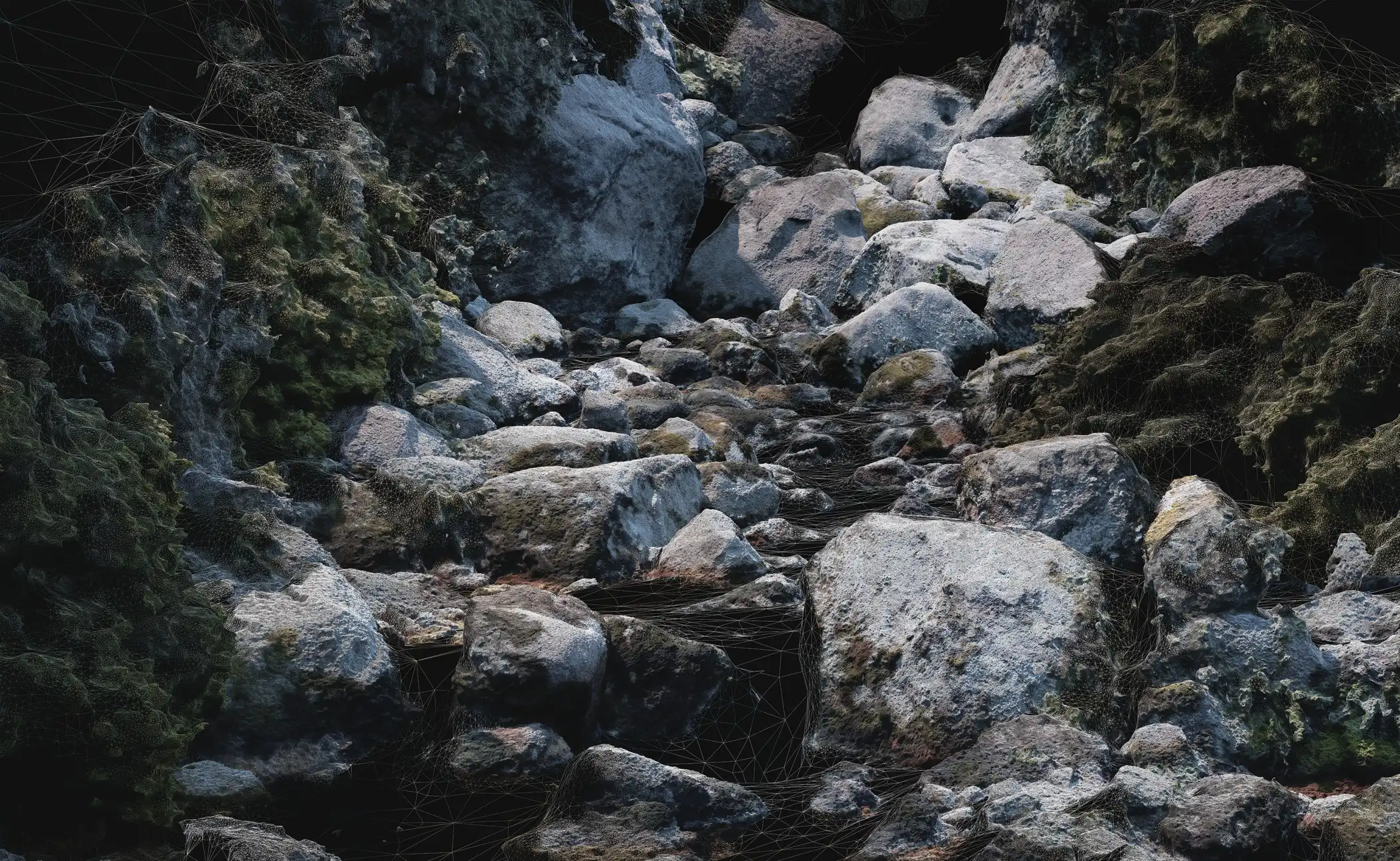
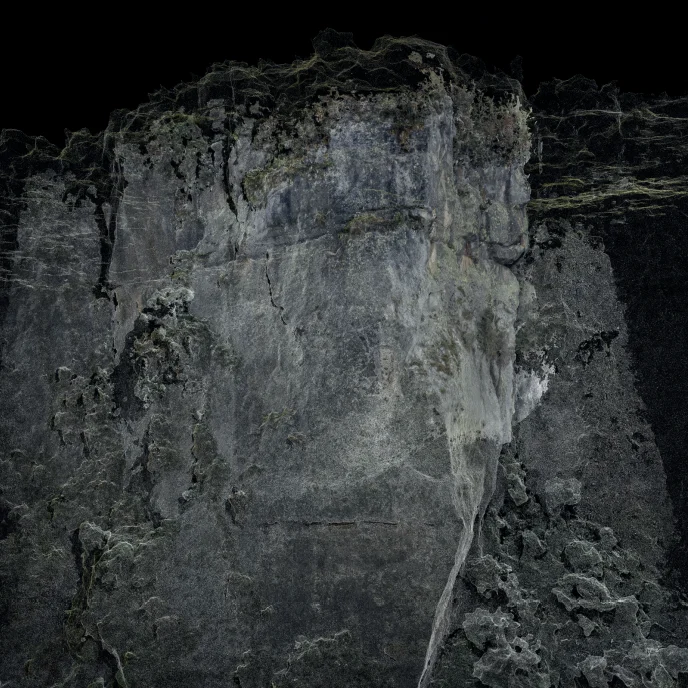
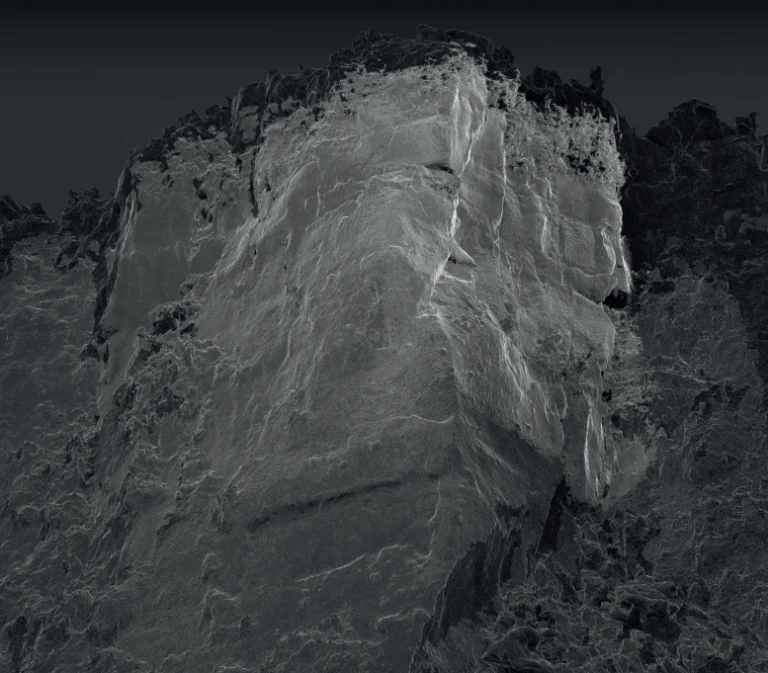
Álvaro Rodríguez Badel is a media artist from Bogotá – Colombia, a country he has been discovering and has influenced his work due to its biodiversity and magic. He creates all his works underlined by the idea of representing nature through digital mediums and exploring how logical or computing processes understand the world around us. How do computers or logical systems perceive or represent nature? Having a mostly self-taught understanding of computer software, photogrammetry, 3D printing, or any other contemporary digital imagery technique, Rodríguez Badel ends up playing around with and exploring new ways of representing the world, always trying to land in new unexplored universes. That is how gigantic 3D Scans of mountains or waterfalls end up being printed with such quality and precision that you face yourself against a new way of perceiving nature through the eyes of technology.
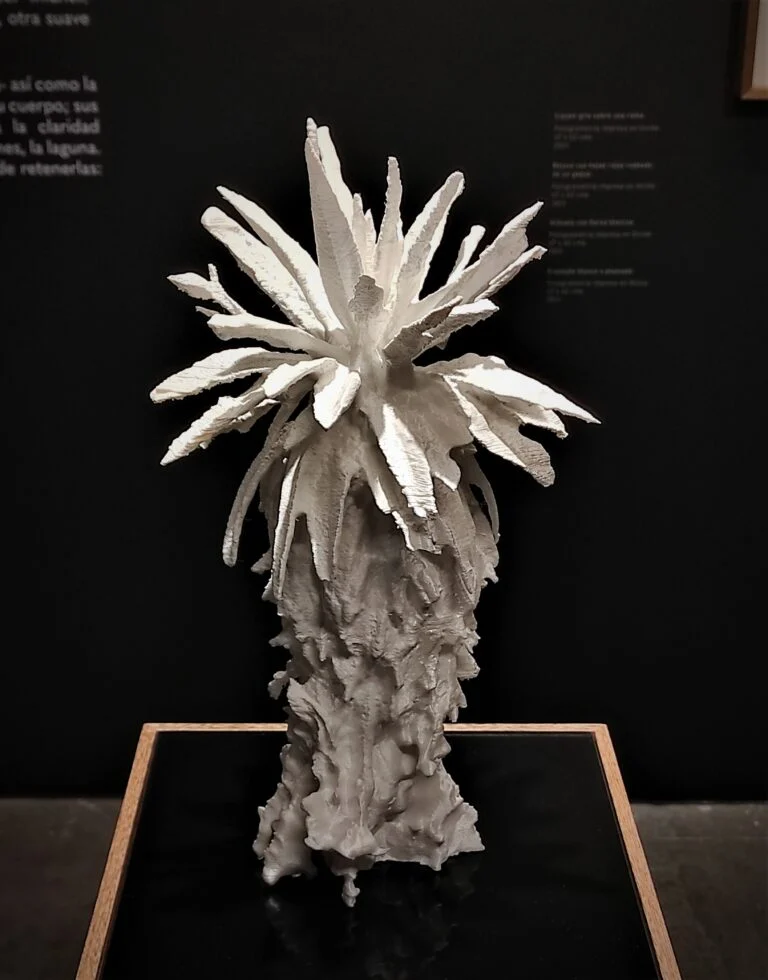
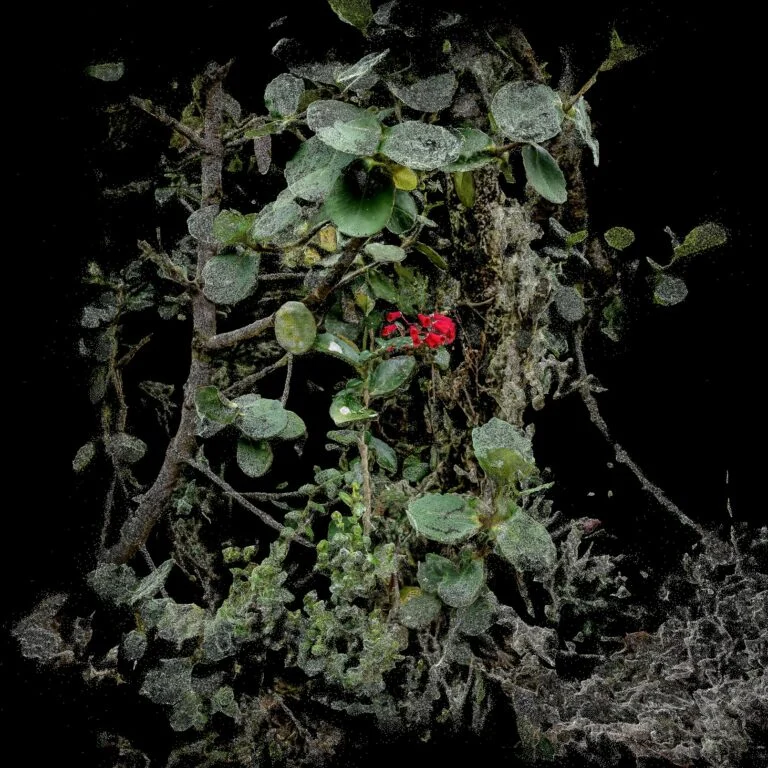
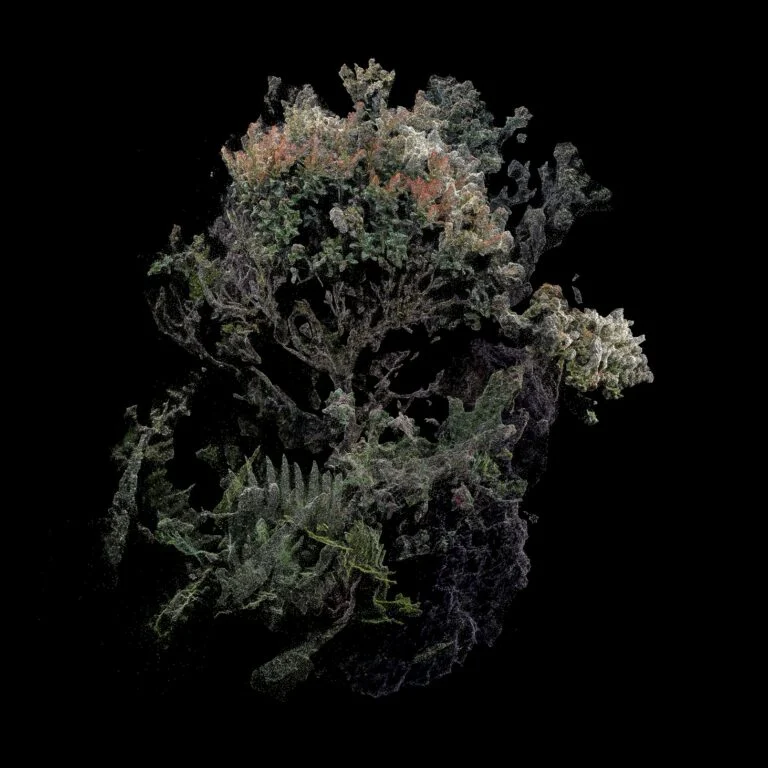
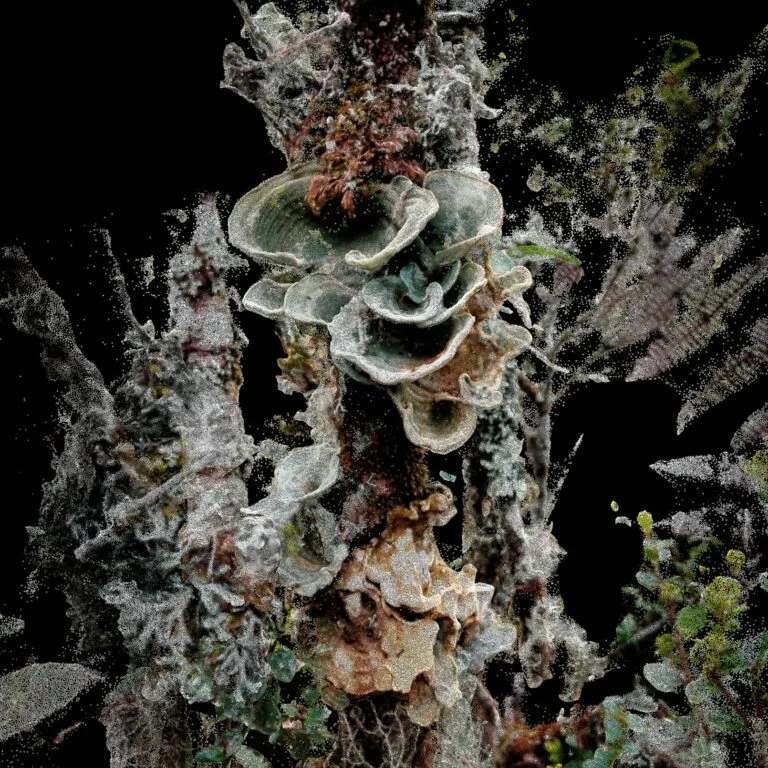
“The forest that sustains life” is a project that proposes a look at the Amazon through a series of 3D scans made with photogrammetry, which interpret and translate the landscape, generating a dialogue between the binary and the organic: it exposes a contemporary interpretation of nature. These measurements with light show the most detailed shapes of the trees, trace the geography of the rivers and are lost in the colors of the flora. Photogrammetry, a technique that has recently been used in the video game industry, is a process by means of which through a series of photographs you get a coordinate system of points in three dimensions that represent the position, dimensions and color of a physical object. This occurs after photographing the subject from different angles and as a result, a digital 3D model is obtained. It’s in this process where the works take on their greatest meaning, since the organic, natural forms face a process of mathematical abstraction in which math formulas draw nature. In other words, the data from the scans will be processed to generate a series of two-dimensional and video works that will lead the public to perceive the ecosystem in a new way.
The project will focus on portraying the diversity of three key actors in the forest. On the one hand, there are the trees who are in charge of trapping the water and regulating the temperature through their capture of carbon dioxide. Secondly, the importance of the flowers of these trees for their reproduction, which is also directly related to the fauna of both birds and insects that feed on them. And finally the fungi or lichens who are in charge of interconnecting and decomposing these trees when they die. In other words, the project will have 3 thematic and conceptual axes, the first related to the life and importance of the forest, the second to its sustainability and reproduction, and the third to the actors in charge of its decomposition. These scans were made in a series of trips to the Amazon in which multiple species of trees, lichens, flowers and plants were captured. Among these scans are various flowers such as “heliconias” and trees like a 500-year-old “ceiba”.
CV Summary
Education
Graduate Media and arts studies in the University of the Andes, 2015
Exhibitions
2021 Bogotá, Colombia Febrero . Galería La Cometa, Individual exhibition
2020 Bogotá Exposición Virtual, Ganador premio Idartes te cuida (arte con tecnología)
2019 Subachoque, Colombia. Marzo – galeria Jeymarte, Individual exhibition
2019 Bogotá, Colombia Abril – Feria del Libro, Pabellón del Bicentenario
2019 Bogotá Colombia Agosto – Salon de arte joven Embajada de España y Colsanitas
2019 Bogotá Colombia Agosto – Embajada de Francia sede Chicó
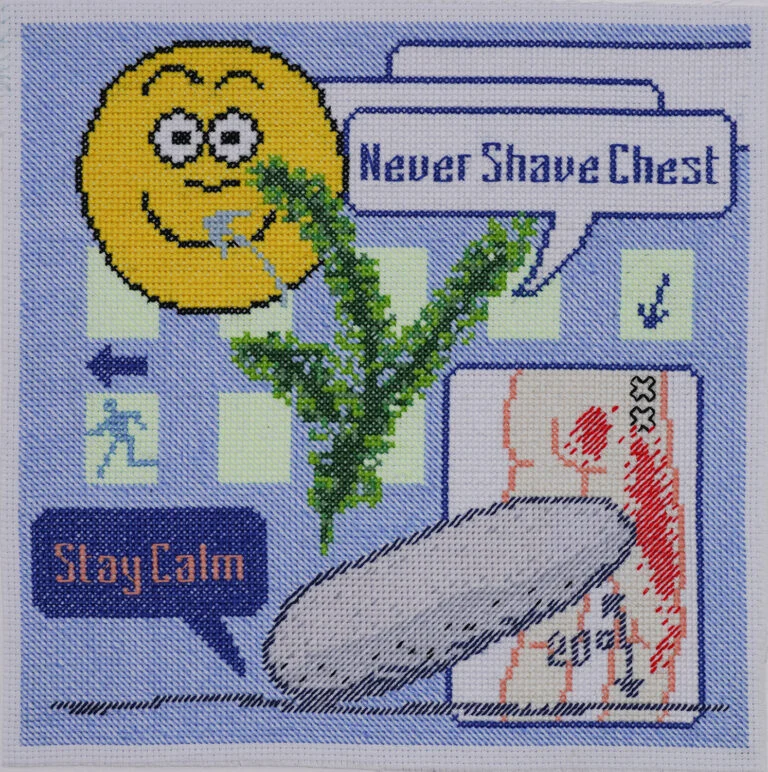
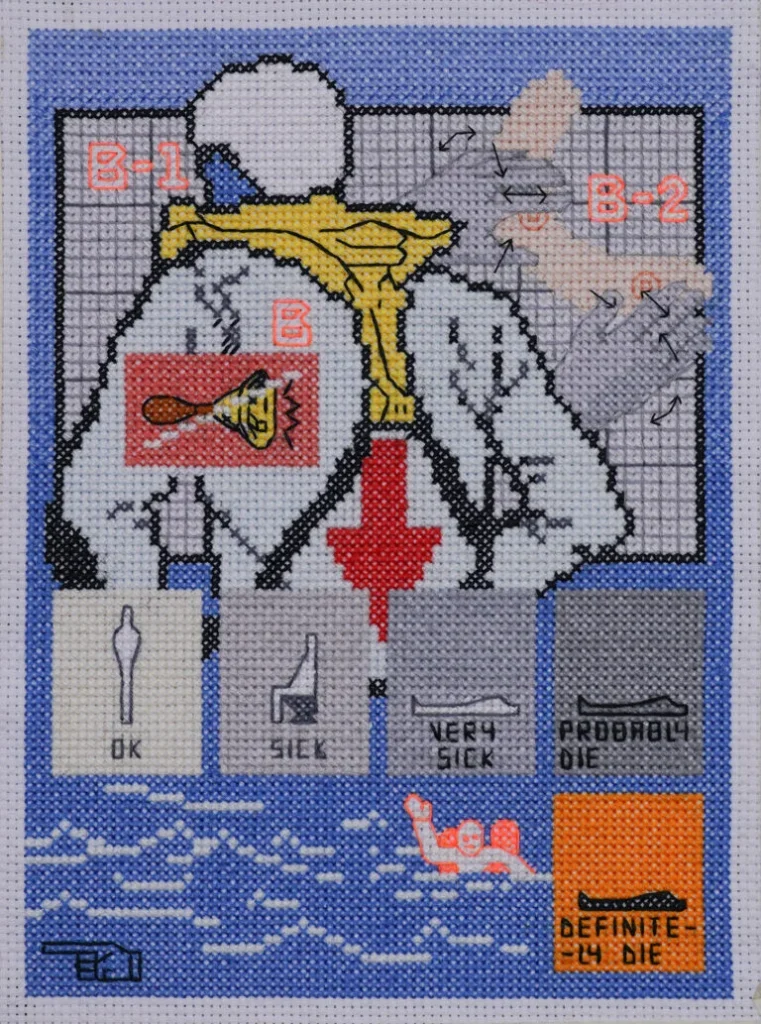
As I moved from city to city, and country to country, the process of adoption became crucial to me to make myself comfortable in the environment; knowing about the situation around me and dealing with daily tasks were basic but most hard to learn. For me, language was the method that helped me to learn about the surroundings and also the blockage that fades the original meaning of conversation. As I use the language that I don’t understand completely, I started to involve loose connections among signs and their meanings in the work. The situation that is considered as an error in successful communication, such as fragmented sentences, the result opposed to the expectation, or misread information work as a key role in my practice. The series of work features playfulness, sarcasm and allusion, which conflict with delivering direct and clear messages.
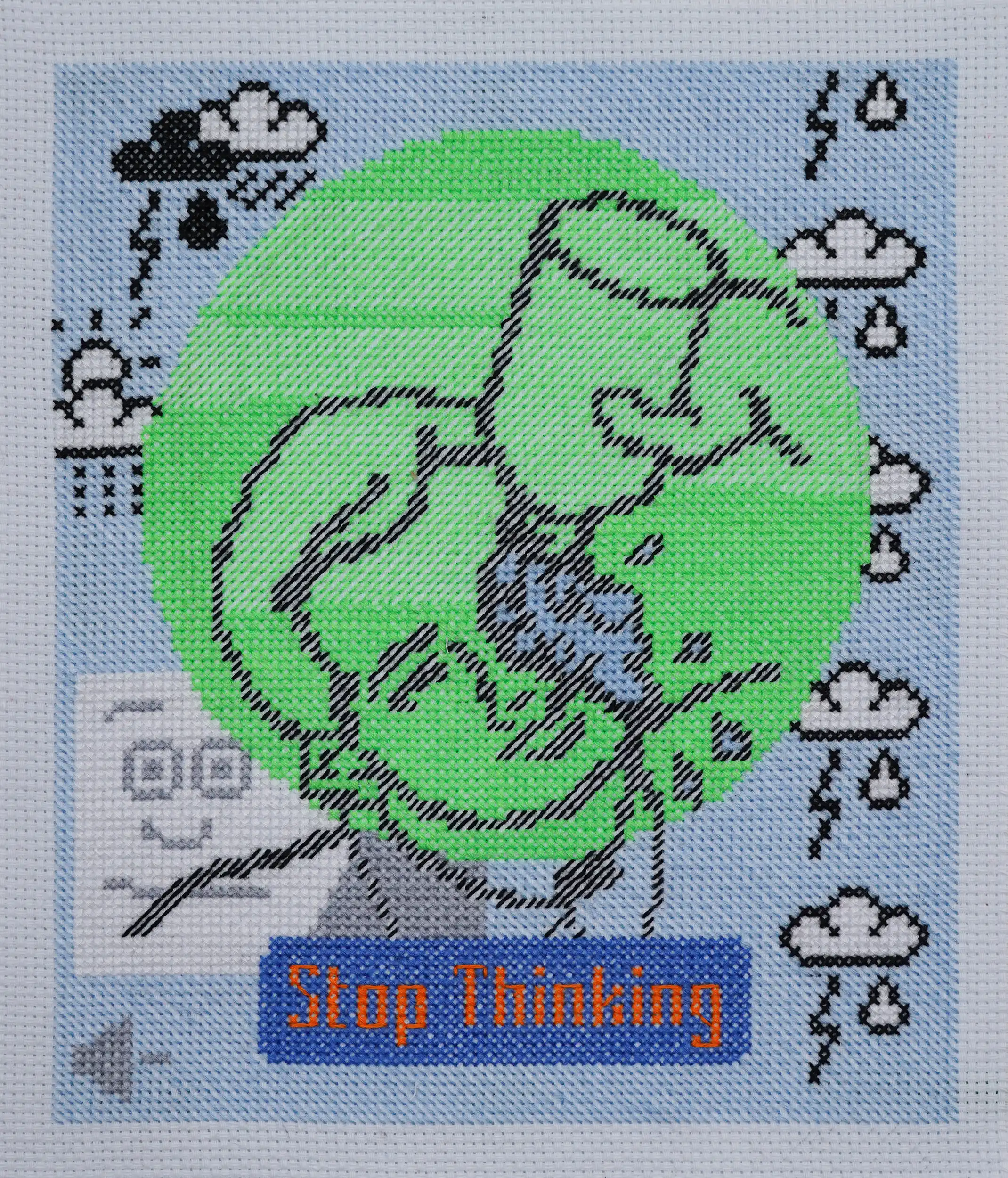
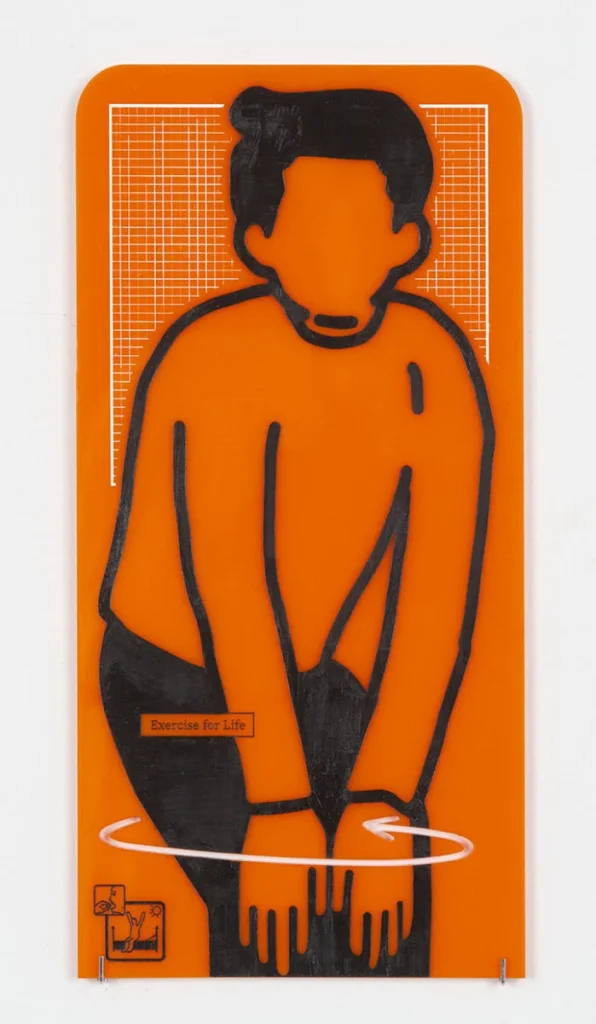
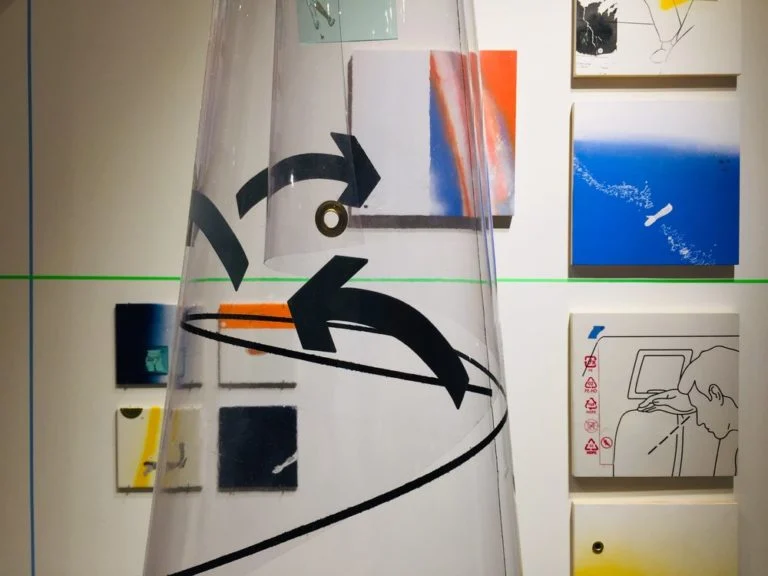
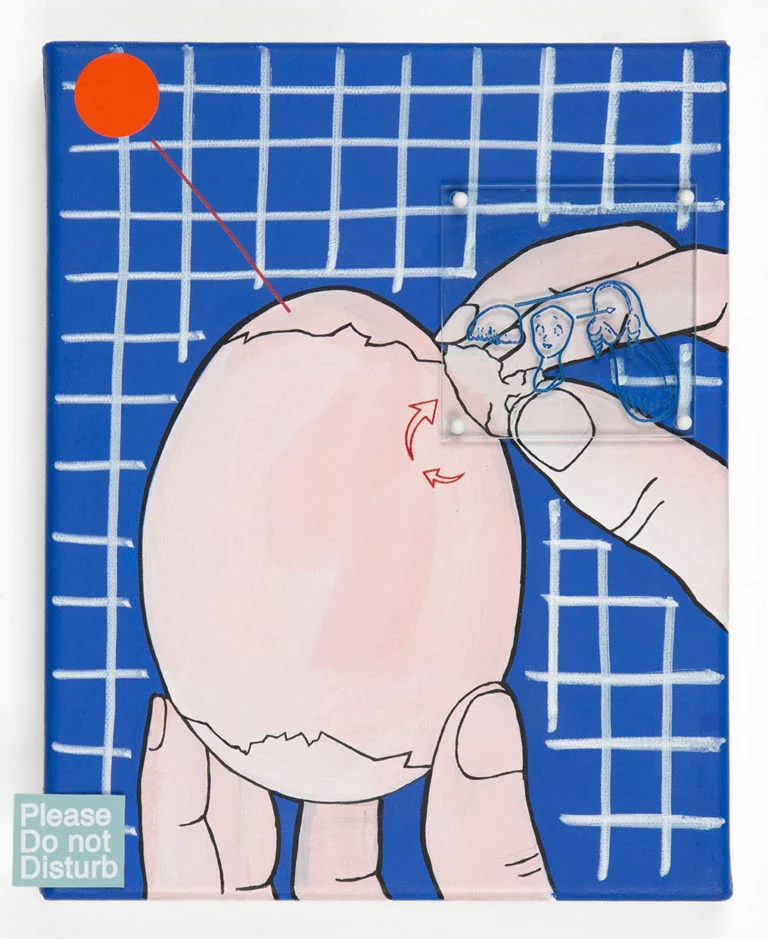
I picture the aspect of failure and misunderstanding in the communication as pseudo manuals. During the collecting process, I borrow formats and contents of the significant that is supposed to deliver a clear message or direction. I scatter them and combine them into logically and linguistically conflictive images which are unclear, half finished or vague.
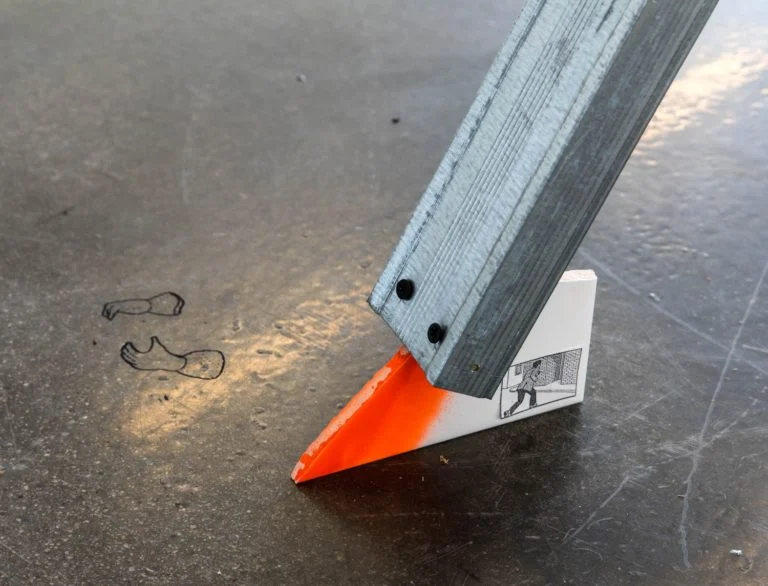
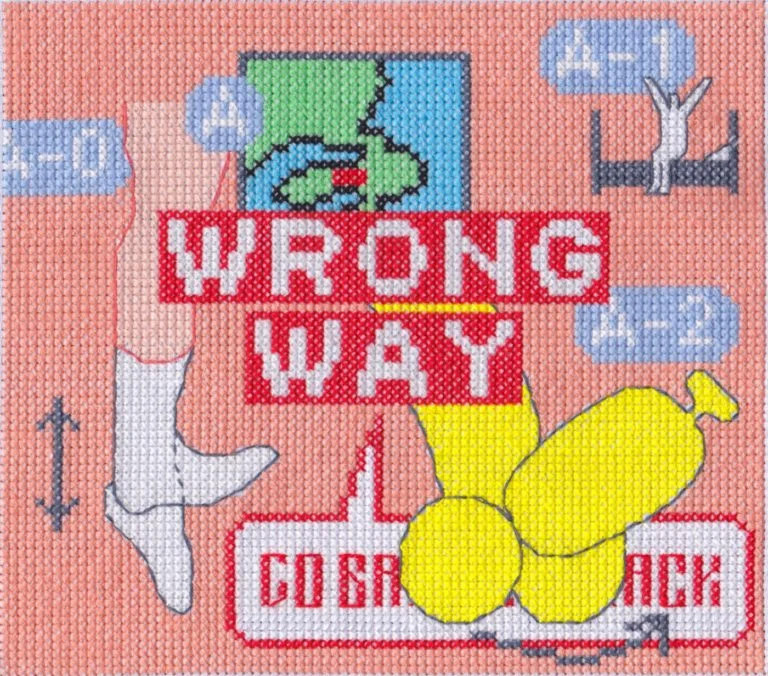
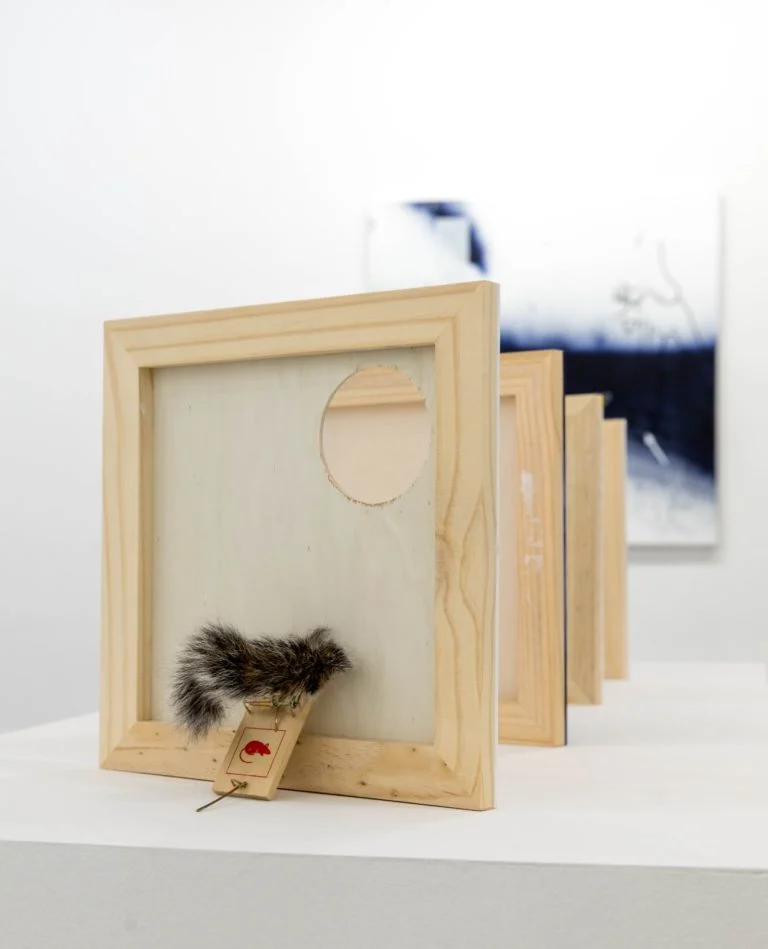
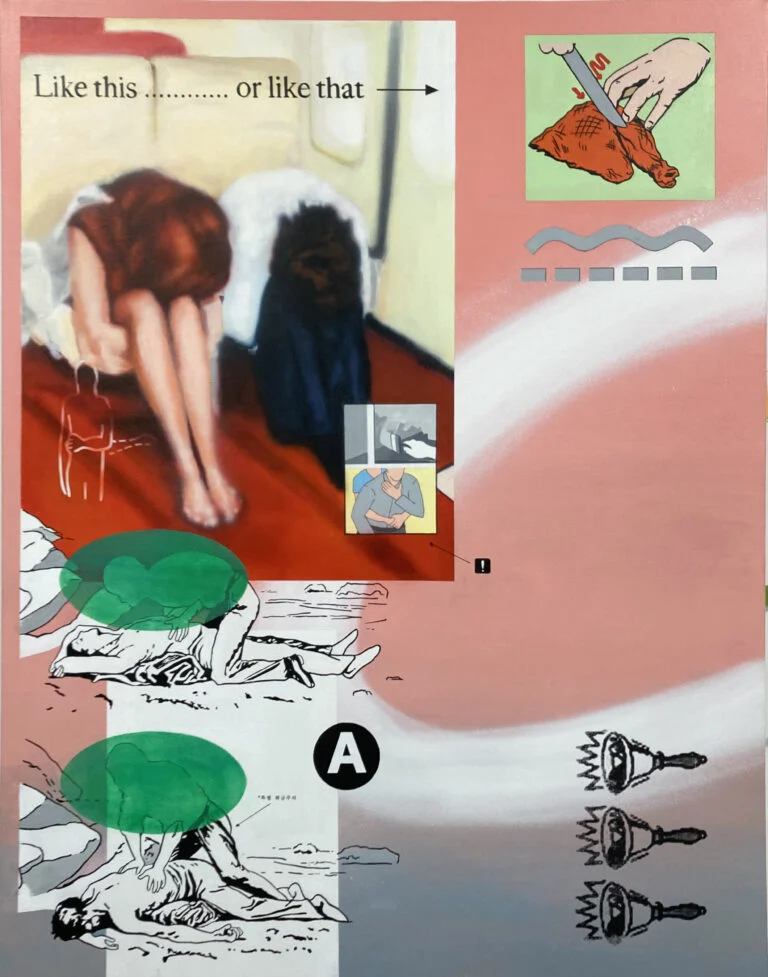
The project will be based on the instructional diagrams and sentences associated with safety, warnings or suggestions which are designed to lead users to more stable and less dangerous status. The documents full with steps and orders let us expect certain results; we can imagine finished work from following the instruction manual, and try to avoid the mistakes in the process. When it comes to the real world, mistakes and misunderstanding take more part than flawless outcomes. My work reflects inevitable failure and vagueness that I experienced in the comprehension process. The images I compose are intentionally coordinated to show not so helpful, ridiculous and ambiguous systems. Painting is the medium that I use often to express the idea, but depending on the condition of surroundings and stimulation I get, I choose different methods. During the project, I would like to collect the instructional matters and develop them into a series of painting, sculpture and embroidery works. The source of information will vary, including where I currently stay and the city where the residency takes place. Engaging with the environment, I will parallel collect objects that have a loose connection with the work I make. Through the process of intertwining, I would like to allow myself to explore more about nuanced relationships among goal-oriented systems, irony, and humor.
CV Summary
Education
2019 MFA Pratt Institute, Brooklyn, NY, USA. Major Fine Arts, Painting and Drawing
2015 BFA Kookmin University, Seoul, Korea. Major Fine Arts, Painting
Awards & Grant
2020 Jeonbuk Young Artist 2021
Foundation of Contemporary Arts Emergency Grants COVID-19 Fund
2019 AHL Foundation Artist Fellowship
Solo Exhibition
2021 “Don’t escape the grass field”, Jeonbuk Museum of Art, Jeonju, Korea
2019 “How To Make A Perfect Pancake”, Steuben Gallery, Brooklyn, NY
2016 “Collapsed Perfection”, Sum Gallery, Jeonju, Korea
Group Exhibition
2020 “Keep for Old Memoirs”, Young Space (online)
“Vitamin K”, AHL Foundation (online)
“Ways to Tell”, Clamplight Gallery, San Antonio, TX
2019 “Unsolicited Submissions”, Ejecta Projects, Carlisle, PA
“Priority Mail”, Ground Floor Gallery, Brooklyn, NY
“North//East”, CIRCA Gallery, Minnesota, MN
“Mostly Fine Adults”, Pfizer Building, Brooklyn, NY
“All In”, Pratt Institute Manhattan Gallery, New York, NY
“Reaching Into Transformation”, CP Project Space, New York, NY
“Jet Lag”, Steuben Gallery, Brooklyn, NY
2018 “Jaceb Tivc”, Pfizer Building, Brooklyn, NY
“Uncanny Valley Ranch”, Pfizer Building, Brooklyn, NY
“Big Painting Show”, Steuben Gallery, Brooklyn, NY
2017 “Passion. Connected. 100×100”, Korean Cultural Center, New York, NY
2015 “Limbo”, Kookmin Art Gallery, Seoul, Korea
“Crossable Parallel”, Kookmin Art Gallery, Seoul, Korea
Mimi Youn is GlogauAIR resident from July, 2020 to September, 2020and from July, 2021 to September, 2021
Mimi Youn studied photography in the Sang Myung University and Media in the University College London. She employs photographs as a tool to explore the relationships between time, memory and spaces.
Meet the Artist
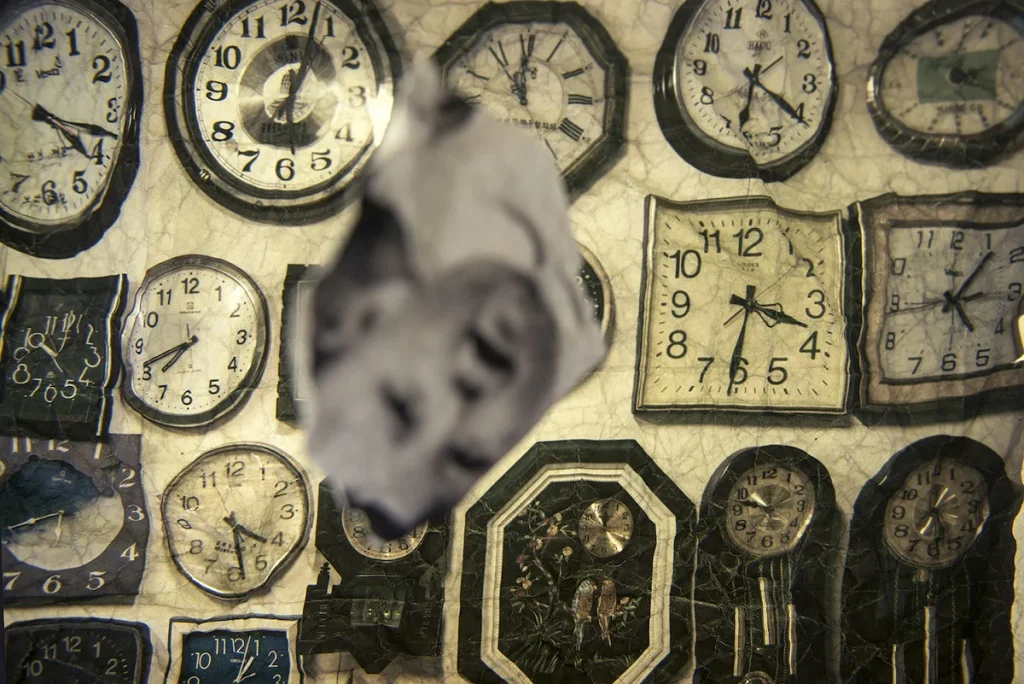
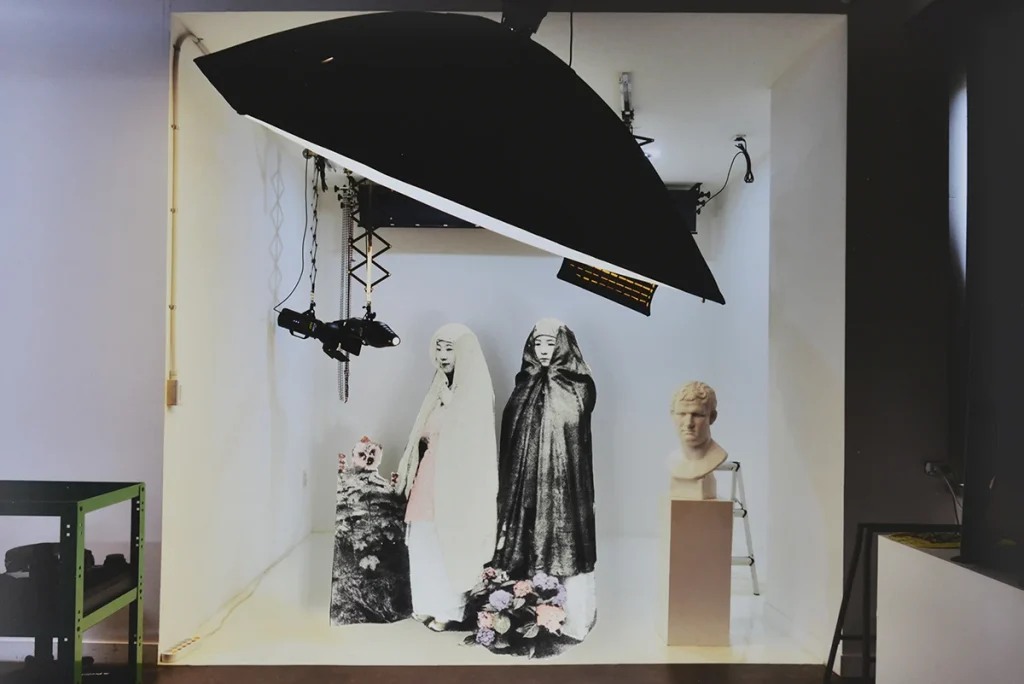
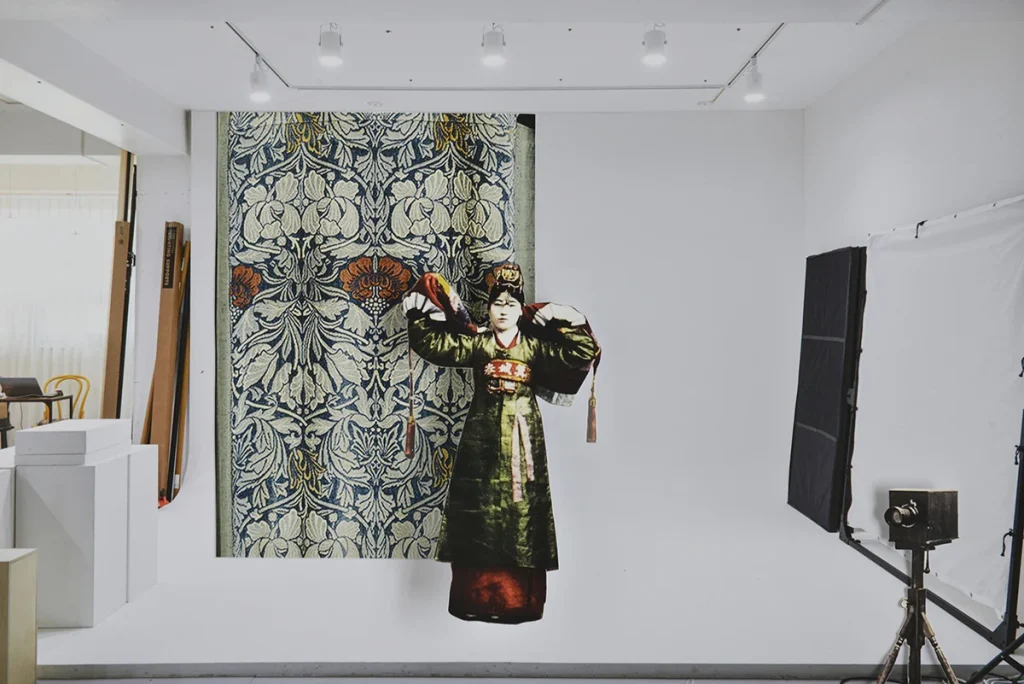
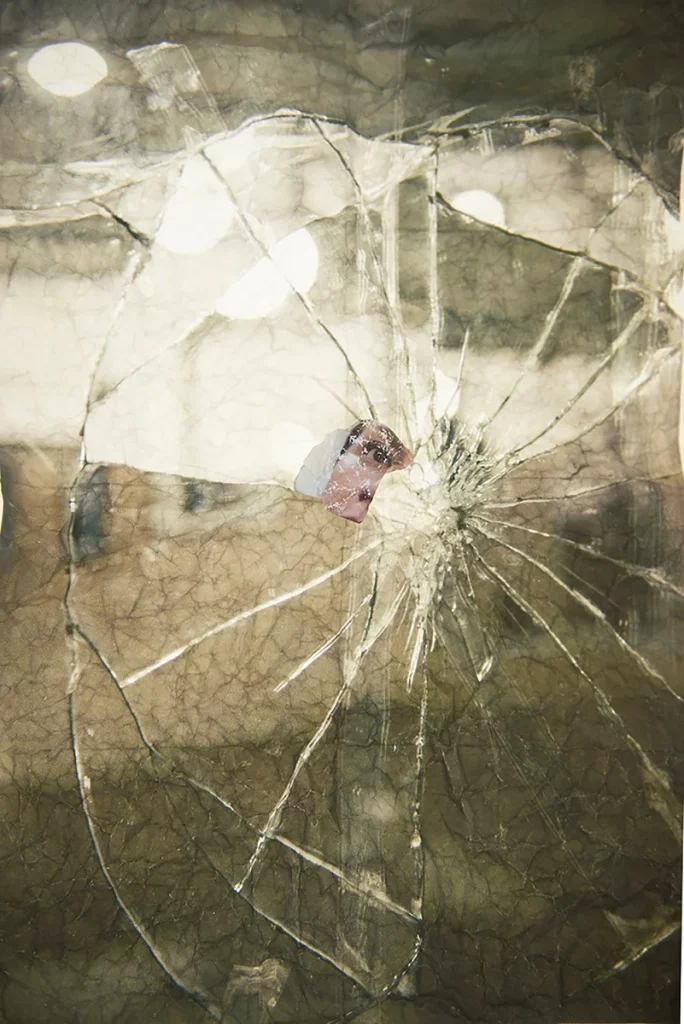
She has been interested in materiality of photograph and she creates distorted, erased and modified memory using photographs that she has collected. For her project at GlogauAIR she collected old vintage photographs and postcards of Berlin during Germany’s division period, making collages that she later on presented in a video format.
Her aim is to make an extension of time, space and memories from the past and to look beyond what we see and experience.
Mimi Youn studied photography in the Sang Myung University and Media in the University College London. She employs photographs as a tool to explore the relationships between time, memory and spaces.
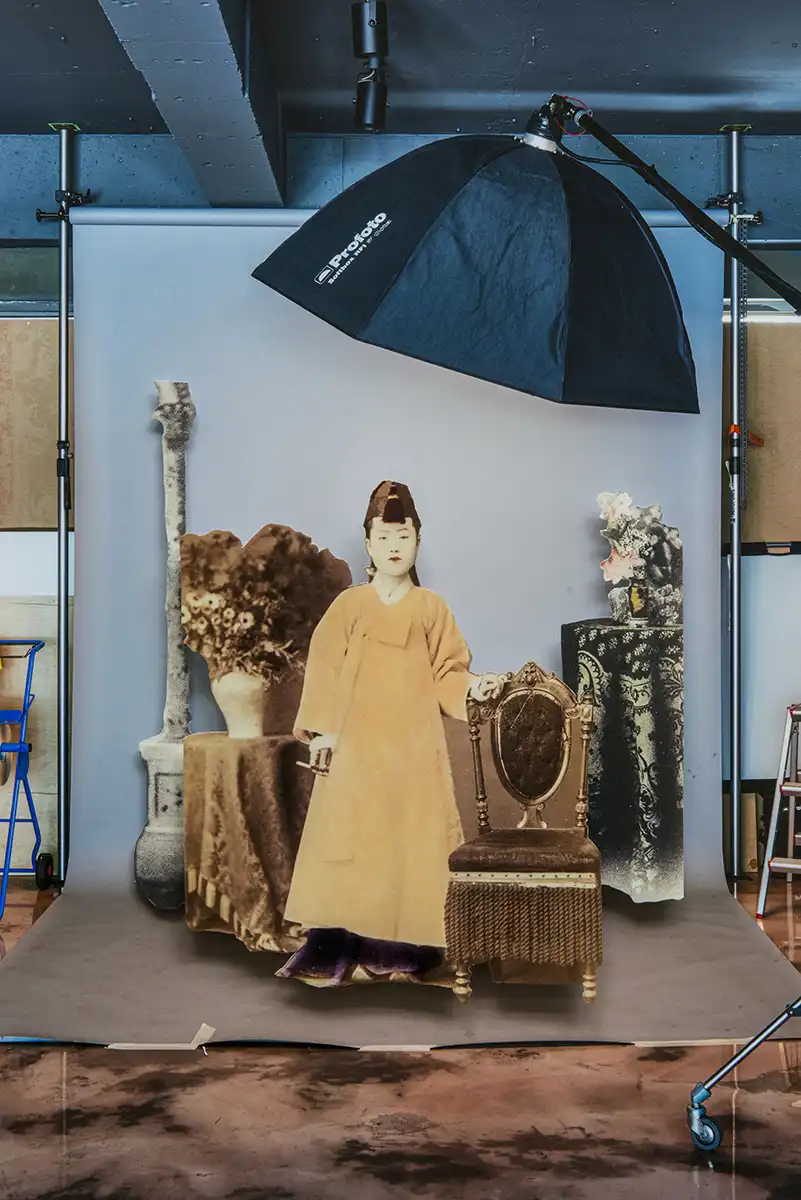
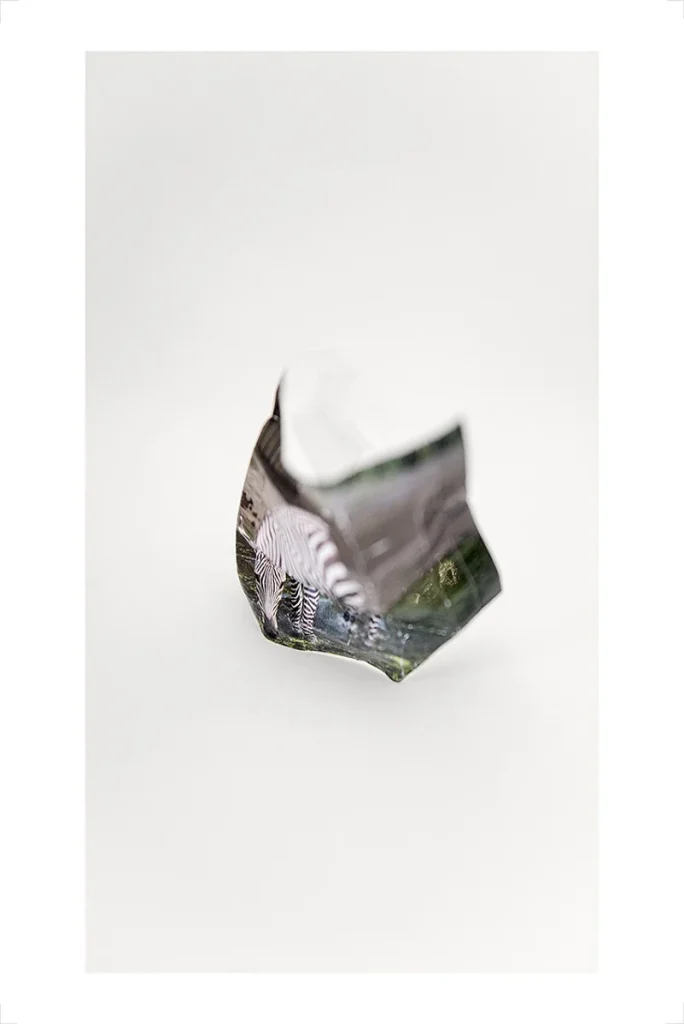
She has been interested in materiality of photograph and she creates distorted, erased and modified memory using photographs that she has collected. Moreover, she usually folds repeatedly photographs based on paper to make object as material and to show the weakness of structure like memory and then to take pictures again the objects. The object is shown as unexpected shape by lower f-stop and different angle.
Mimi Youn is interested in vintage photographs made by 19c and early 20c in Korea. The photos provide historical information about the times, but it is hard to read individual stories behind it.
In her previous work “Here is where we meet” has been expanded in several ways. Mimi invited people to donate photographs to her in order to use them in her project. She folded and overlapped these photographs together with her own to form a shape, which she then photographed again to create the final print. The artist’s aim was to recreate new shapes of memory, time and space using the donated photographs together with hers. Much stronger emotional meaning was conveyed to these people through their photographs and the stories behind them. Mimi feels that this meaning has not been limited to their individual stories but has been also expanded through their shared story.
The project at GlogauAIR will be an extension or part of my current work, since I am still fascinated by old photographs.
I am interested in reinterpreting and reconstructing old photographs in various ways beyond the shown images. The reason why I am focused on it is because I came across with images of Korean war in 1950’s among my family photographs. I am a firmer believer that someone’s personal life can not be divorced from history of ages. So, my ultimate goal is not only to make new visual images, but also to find historical meaning throughout my work.
During the residency period, I would like to collect old vintage photographs and postcards from Berlin of the time of Germany’s separation. The city of Berlin presents strong similarities with the history of Korea. The city was divided into East and West like Korea was broken into North and South.
I will collect and research photos and postcards in Flea markets, images in media kind of newspapers and magazines, people’s stories and historical spaces. Moreover, I will try to reconstruct images and stories based on historical study, inspiration and imagination through the research. The project will include photographs, collages, drawing and artist book. My aim through this project is an extension of time, space and memories from the past and to look beyond what we see and experience.
Furthermore, in my every day practice, I want to make drawing and photos everyday, since I am influenced by surroundings. Therefore, living and working in foreign countries is exciting and challenging at the same time. I am usually afraid to meet new people in strange places and to find objects which I never seen. To overcome my fear and anxiety, I would like to take photos and make drawings with color from objects which are scaring to me. In this way, I will develop my imagination and I will visualize new images in my mind.
Rey & Maurí is GlogauAIR resident from October, 2021 to December, 2021
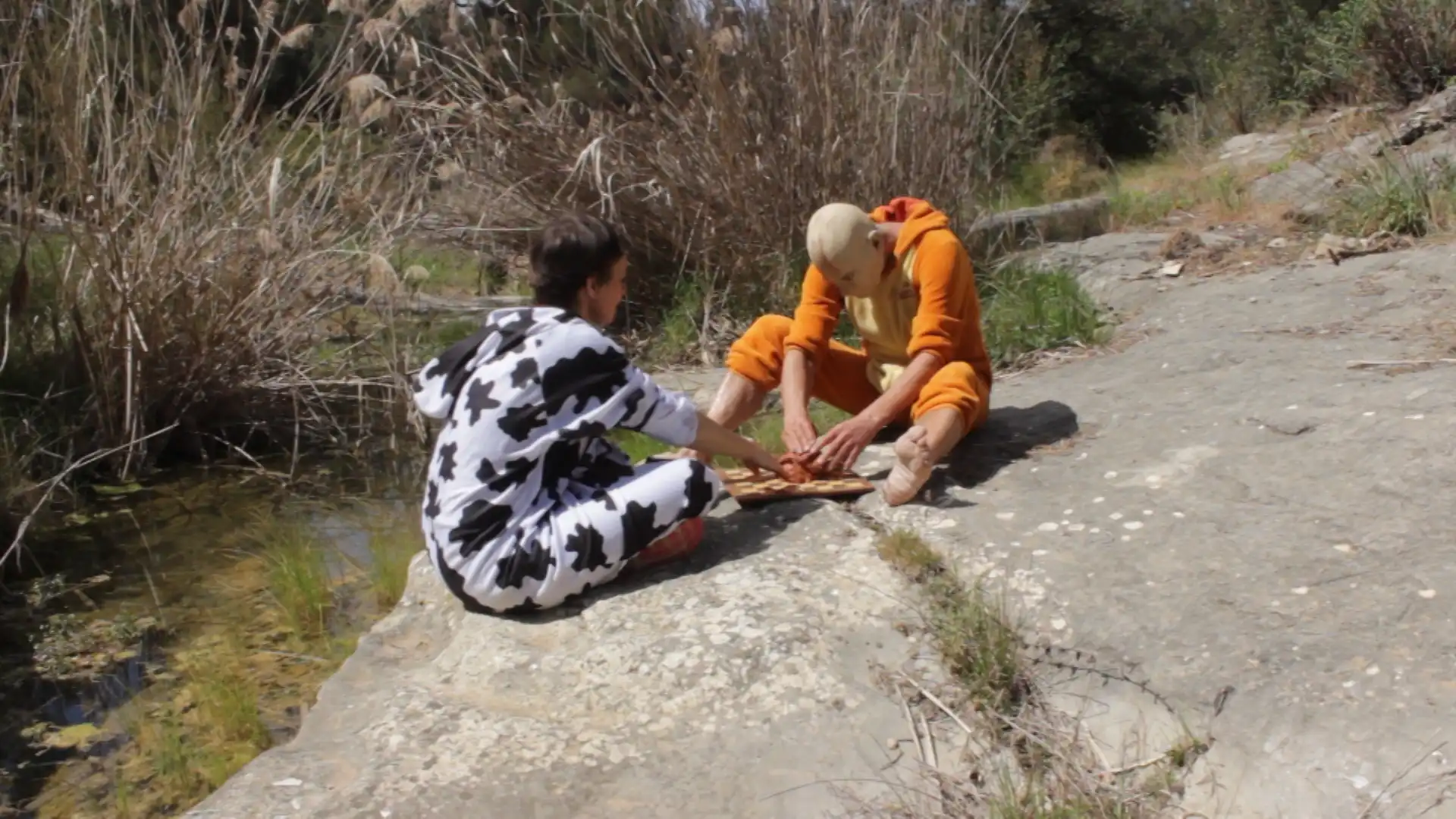
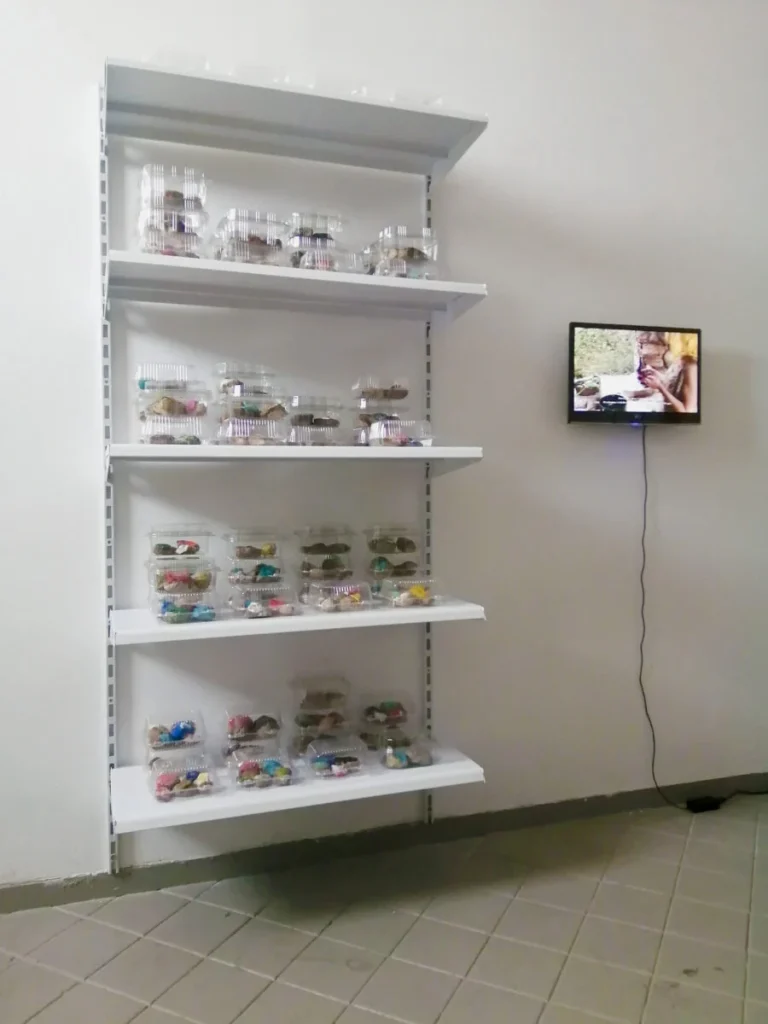
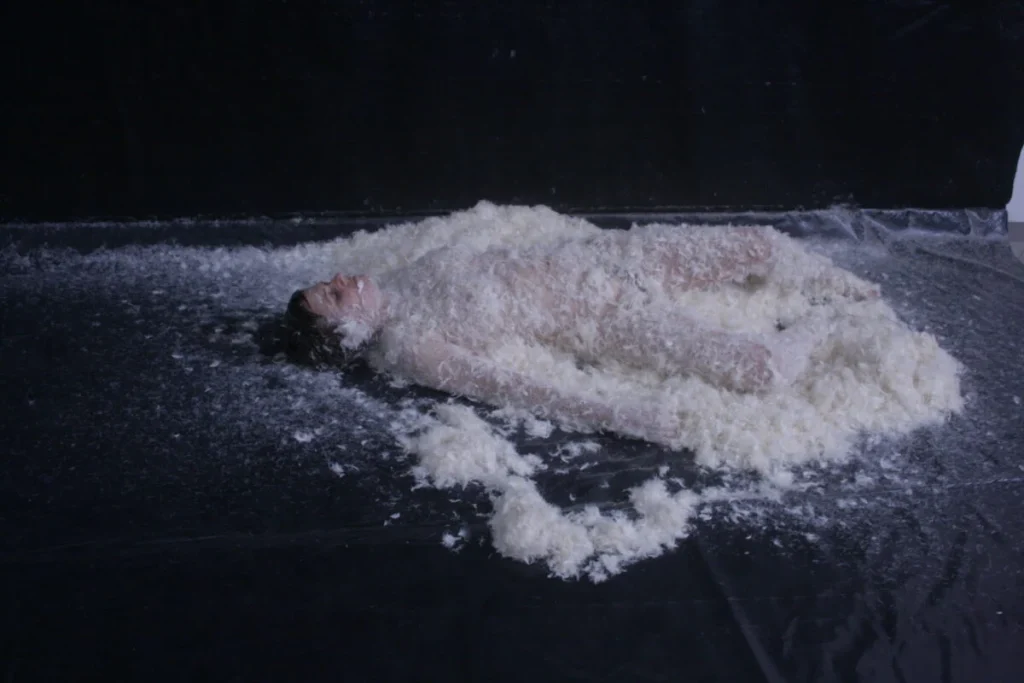
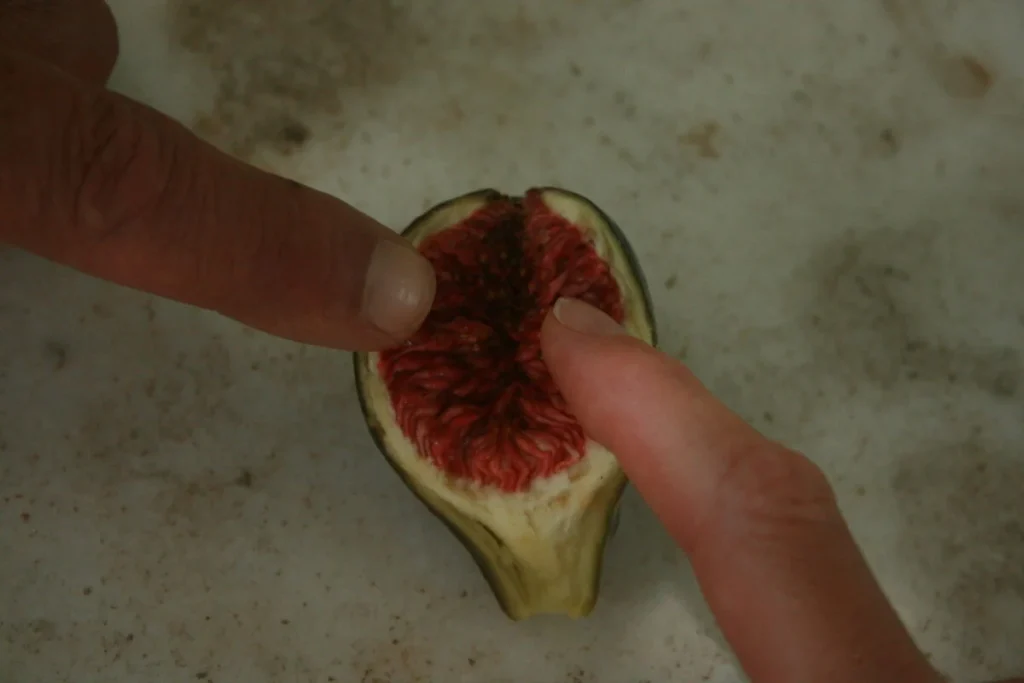
Nathalie Rey is a French artist based in Barcelona, and Enric Maurí is a Catalan artist living in Cardedeu (Barcelona). They both develop individual multidisciplinary practices that sometimes collide, resulting in collaborative projects that include installations, photography, video and performance.
Meet the Artist
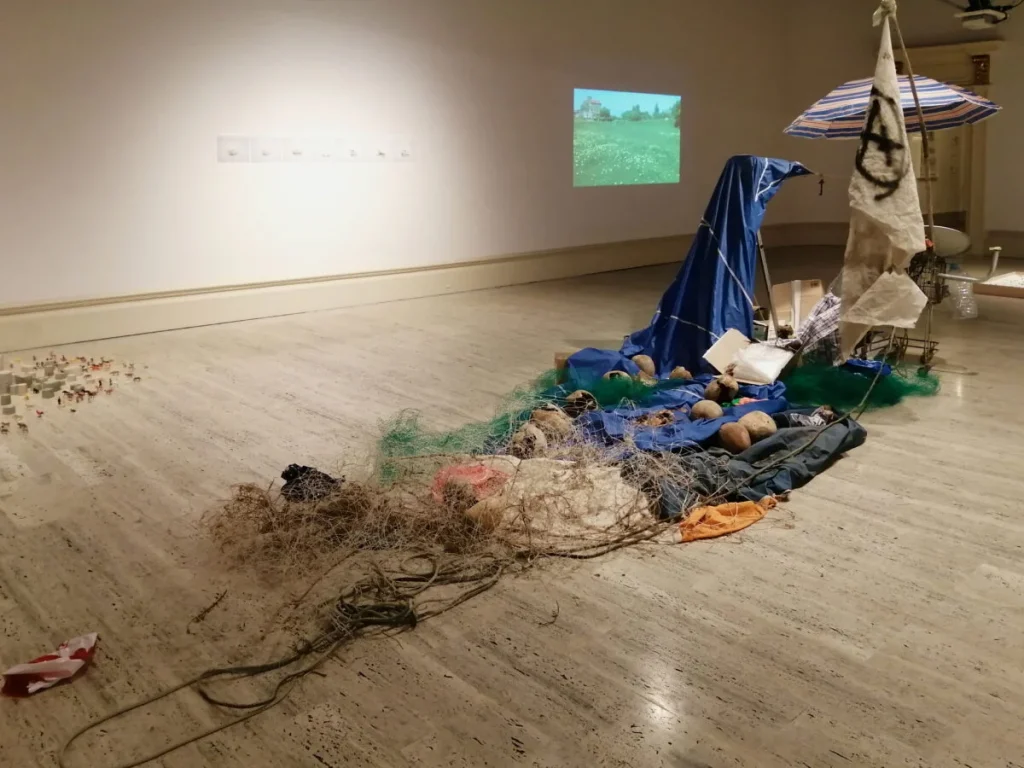
During their collaboration of two years, the project “The conspiratorial artist” stands out, and has been one of the main research points for Rey and Maurí during their residency in GlogauAIR. This work offers a renewed look at the destabilizing role of the artist and their contribution throughout history in building a critical voice against retrograde and totalitarian thinking.
Nathalie Rey and Enric Maurí, maintain their own independent projects, however, since 2018, they have crossed languages and artistic interests to address different issues from an aesthetic and discursive complexity. Nathalie Rey had a long academic career in the field of Humanities, with a Ph.D. in architecture, a degree in Literature and in Fine Arts, before dedicating herself to artistic creation. Currently, she works with galleries in Barcelona, Madrid and London. Her work, technically eclectic, has followed a kind of narrative thread for years, which oscillates between episodes of contemporary history and personal events. Thus a disturbing parallel is being generated between the dramas of Humanity and individual wounds.
At the same time, she adopts an anti-mercantile position, since she relates and expresses through an ironic pop aesthetic characterized by the artistic re-use of waste and materials of industrial origin, the attraction / repulsion that the human and ecological tragedies inherent in our society arouses in her. Enric Maurí works on different registers and makes free use of languages. He uses a variety of media, such as painting, drawing, sculpture, video, installation, photography or performance. His work is articulated around questioning and questioning as a mechanism for debate and thought. He looks at the world to contemplate it but also to think and think about himself, with others and with objects, and with the landscape. Rather than producing new objects, he creates unexpected interactions. Because the same way things generate space, space also originates situations and new interconnections, and can produce in a similar way the conditions for the appearance of new objects, spontaneous creations, deposits that reverberate and converse with each other and generate new articulations. He has participated in the creation of art magazines and artistic spaces and has also curated contemporary art cycles.
In 2018, we started a working process in which we cross languages and artistic interests to approach different issues from an aesthetic and discursive complexity. The refractive profile of our works stands out and meets with other productions from different disciplines and the artistic production, establishing connections and ties both in terms of thought and aesthetics. In some of them, different reflections on the exercise of power have appeared in relation to various issues, at the same time that questions have arisen about the practice of art and different creative strategies. Thus, debating these questions, a new project has emerged, Clash, which focuses on freedom of expression and censorship in art. It is raised from a theoretical point of view but is fundamentally creative, visual and plastic. The position before the phenomenon of censorship is presented as an observation and study of how other artists and thinkers have approached the issue. Among the references, it is worth mentioning The File Room, in which Antoni Muntadas examines the rich history of censorship and introduces a new dimension to his work. There is also an historical look at the power of images and the deprivation of access to their contemplation. As David Freedberg argues, we may be interested in removing all the distinctions and barriers that have overshadowed Western thought about iconography, but until we admit the full extent of our love for images, the activity of censors will show the way of iconoclasm. However this verdict should not put an end to the analysis. With this intention, then, to continue analyzing these relationships and finding new perspectives in order to deepen them, we will also delve into the current role of art, associated to the definitions of objectivity or truth, or the notions of truthfulness and sincerity.
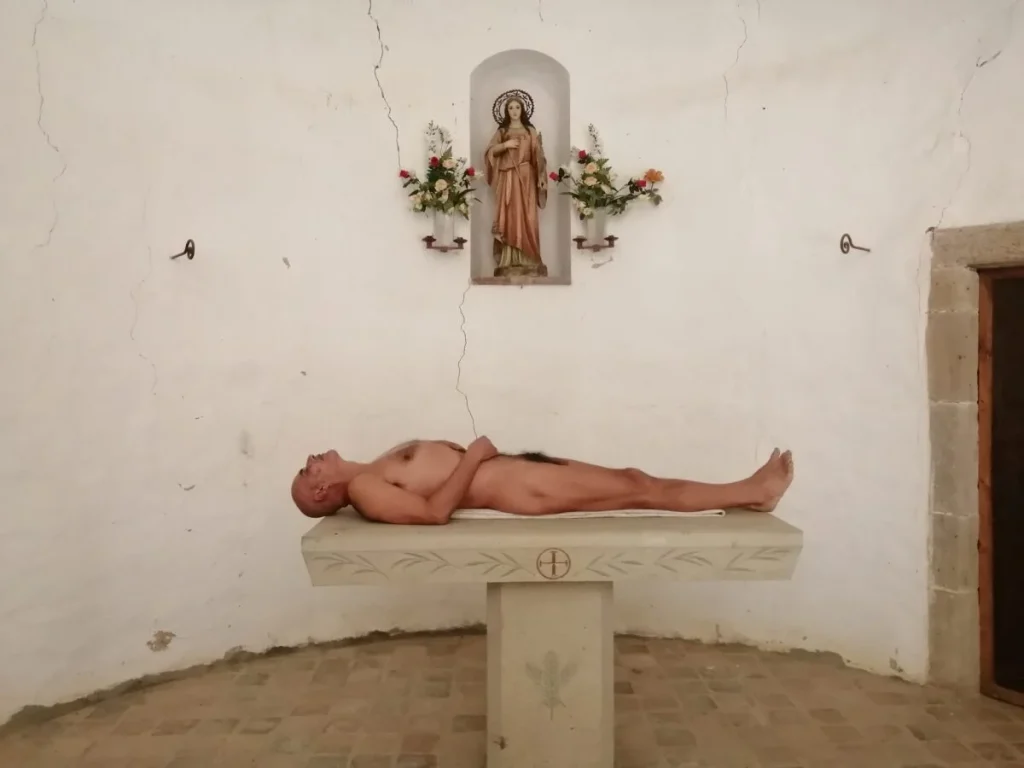
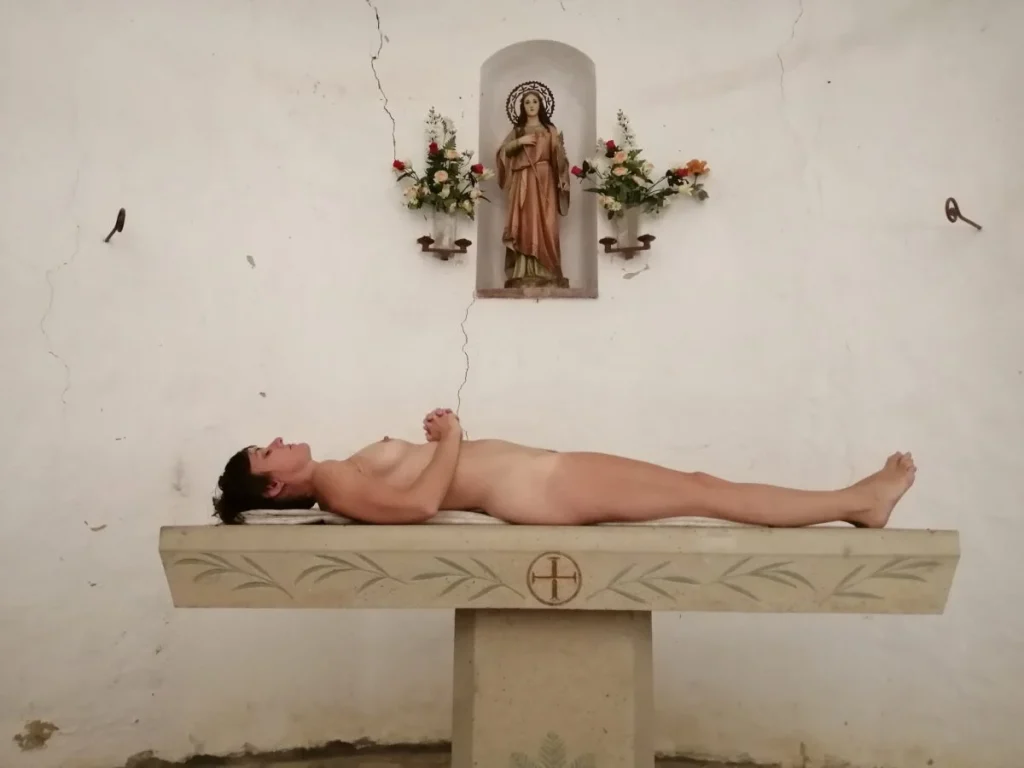
Taking as a reference Pandora’s hope, by Bruno Latour, and moving his theories on the study of science to the studies of art, we penetrate into the relationships between art and society, not so much as an alternative or an opposition, but as the reaction which generates this separation and determines the way of being in the world and of interpreting it. For Priscilla Frank, in the art world, freedom of expression collides with standards of decency and good taste. Thus, throughout history, works of art have been altered, silenced, and even eliminated, while artists have always pushed the boundaries of what is “offensive” through the symbolism and content of their works. This tension is the heart of the project and, beyond censures and prohibition, we wish to delve into the relationships that explain these shocks and their meaning for the progression of the social field. The nude is one of the relevant subjects of censorship, from the frescoes by Michelangelo for the Sistine Chapel, through the Olympia (1865), by Édouard Manet, or The Origin of the World (1866) by Gustave Courbet; and in its development, images with erotic content, such as Robert Mapplethorpe’s Perfect Moment (1989). Religion also opens a long list of censored works, among which Piss Christ (1987), by Andrés Serrano; The Holy Virgin Mary (1999), by Chris Ofili. And obviously the political or patriotic content, such as the presentation of the US flag by Dread Scott Tyler (1989), which forced visitors to step on it to see other works in the exhibition; or more recently Pussy Riot’s Rezo punk (2012). However these works are not just about provocation but, as Brett Bailey expressed as a result of the protests for his Human Zoo (2014), about the challenge to perception and the history that they imply. Art is the place where we can think of the world in a different way, where other experiences and other stories are proposed.
The project CLASH: Perspectives for a new interpretation of Art history consists of crossing the great issues of censorship and how they coexist with the growing acquisition of freedom of artistic productions in order to generate new works based on these encounters, and these cultural clashes between opposing forces. We have chosen Berlin to develop the project for a main reason, because in this city different artistic moments of great expressive freedom crystallize in the contemporary era and at the same time it has also been a scenario of repression and censorship in one of its highest degrees. Berlin was one of the most outstanding centers of European culture between the end of the 19th century and the beginning of the 20th, a few years later it was the setting for one of the exhibitions of Degenerate Art, and today it is once again one of the most vital centers in the world in which the most diverse artistic expressions coexist. These poles are very interesting for the narrative of the project, as they mark extremes and oscillations in the balance of censorship and freedom of expression in art.
CV Summary
Common projects of Nathalie Rey and Enric Maurí
In 2019 they have designed the Friction, Fraction, Fusion project, a radical perspective on climate change. In 2020 they received a secondary award from the REDDIS Foundation for Contemporary Art and have been selected to exhibit the winning project, Atlantis, in 2021 at the Reus Reading Center. They have also developed other projects such as The Philosopher’s Stone and Peau de Vache.
Enric Maurí
Museu d’Art, Girona
Artssantamonica, Santa Mònica, Barcelona
Espai d’Arts Roca Umbert, Granollers
Museu Abelló, Mollet del Vallès
El Roser, Lleida
Centre d’art La Rectoria de Sant Pere de Vilamajor
Sala d’Exposicions de la Facultat de Belles Arts, Universitat de Barcelona
Centre d’Art ACVIC, Vic
Centre d’Art Tecla Sala, L’Hospitalet
Centre d’Art Can Palauet, Mataró
Centre Cultural de Terrassa
Centre d’art Espais, Girona
Centre d’Art Les Hacs, Vic
72 Gallery, U.S.A.
Axe Actuel gallery, Toulouse, France
Studio Oggetto, Italy
Artual, Fidel Balaguer, H2O, Eude, Antonio Barnola and 44 galleries, Barcelona.
Participated in “Panoramic Festival”, “25hrs Art Foundation International video Festival”, Barcelona and London
“Le Sud Attaque” festival, Sette, France
” Cannes International Biennial”, France
“Sarajevo Winter festival”, Sarajevo
Loop Festival 2014/15/18/19… and several editions of Arco fair, Madrid, and Art Basel.
Author of two permanent public installations in Barcelona: Metamemòria and Bon Viatge.
Received five grants from the Department of Culture of the Generalitat de Catalunya, for his research and innovation in visual arts.
In 2020 he received a scholarship from Vegap.
Artistic residencies
1990 – Omaha. EE.UU.
2000 – Bow Arts Studio, Londres
2001 – Sarajevo y Berlín
from 2016 on Fàbrica de les Arts, Roca Umbert, Barcelona.
Nathalie Rey
2013 – 2016. Massana School, Barcelona, Spain. Degree of Fine arts (sculpture as a specialty)
2007 – 2013. Barcelona University (UB), Spain. Degree of Literature and Modern languages
2002 – 2004. The Technology Institute of Wood, Paris. Degree of Carpentry
1993 – 2000. Versailles Architecture School, France. Ph.D. in architecture
Scholarship at University of Illinois at Urbana-Champaign (UIUC), USA
Solo shows
2021 CACIS Contemporary Art Center for Sustainability, Calders, Spain. The philosopher’s stone. Duo with Enric Maurí TPK Contemporary Art and Thinking, Hospitalet de Llobregat, Spain. Sans trêve sans merci. Duo with Francele Cocco. Curated by Mercè Alsina Fine Arts Academy of Sabadell, Spain. Apocalipsis Now. Curated by Mercè Alsina Centre de lectura, Reus, Spain. Atlantis. Duo with Enric Maurí
2020 – 2021 Alalimón gallery, Chiquita Room, Esther Montoriol gallery, Espronceda Center for Art and Culture, Ideograma Foundation, Pol & Grace Hotel, Bcn, És-Fera 72 gallery, Sant Cugat, Fine Arts Academy of Sabadell, Roca Umbert, Fàbrica de les Arts, Granollers, Santcorneliarts2, Cardedeu. “Reconstruction” project. With J.L. Tercero. Curated by Sara Catalán
2020 Espronceda Center for Art and Culture, Bcn. . Curated by Olga Sureda Woldt gallery, London @ The Exhibitionist Hotel. Stuffed animals – Sculptures and installations Alalimón gallery, Bcn @ Pol & Grace Hotel. Shipwreck. Collaboration with The Over
Last awards
2021 Selección. Panoràmic cinema, photography and video festival, Bcn. Short film “The Philosopher’s Stone”, con Enric Maurí Selection. Arts FAD prize
2020 Selection. 6 th Sabadell Emergent Art prize Accesit prize. Prize and grant of contemporary art Reddis private Foundation. “Atlantis” project with Enric Maurí XAL Xarxa Audiovisual Local. Outright sale of copyright of the video work “Shipwreck III, Vilanova de Sau”
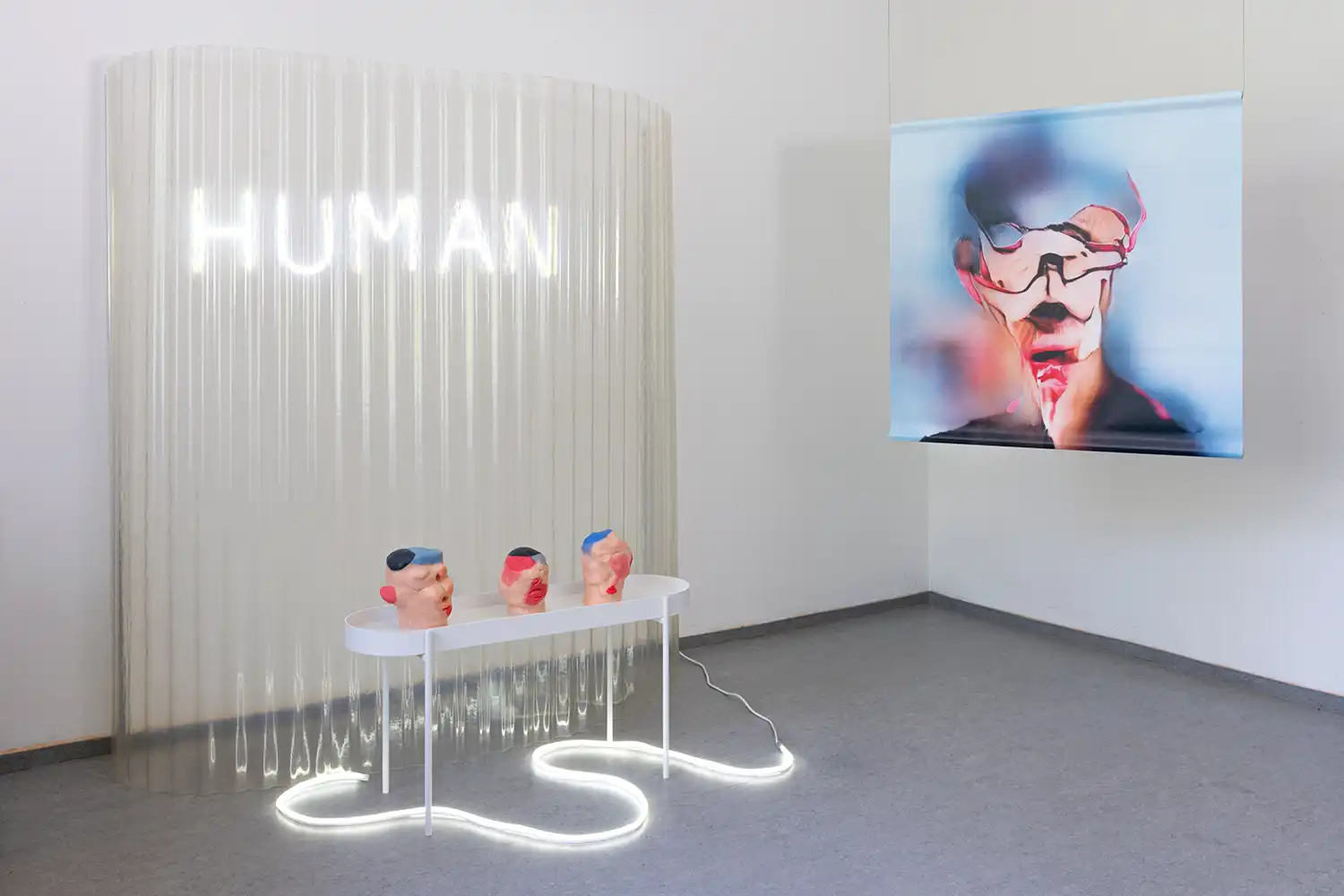
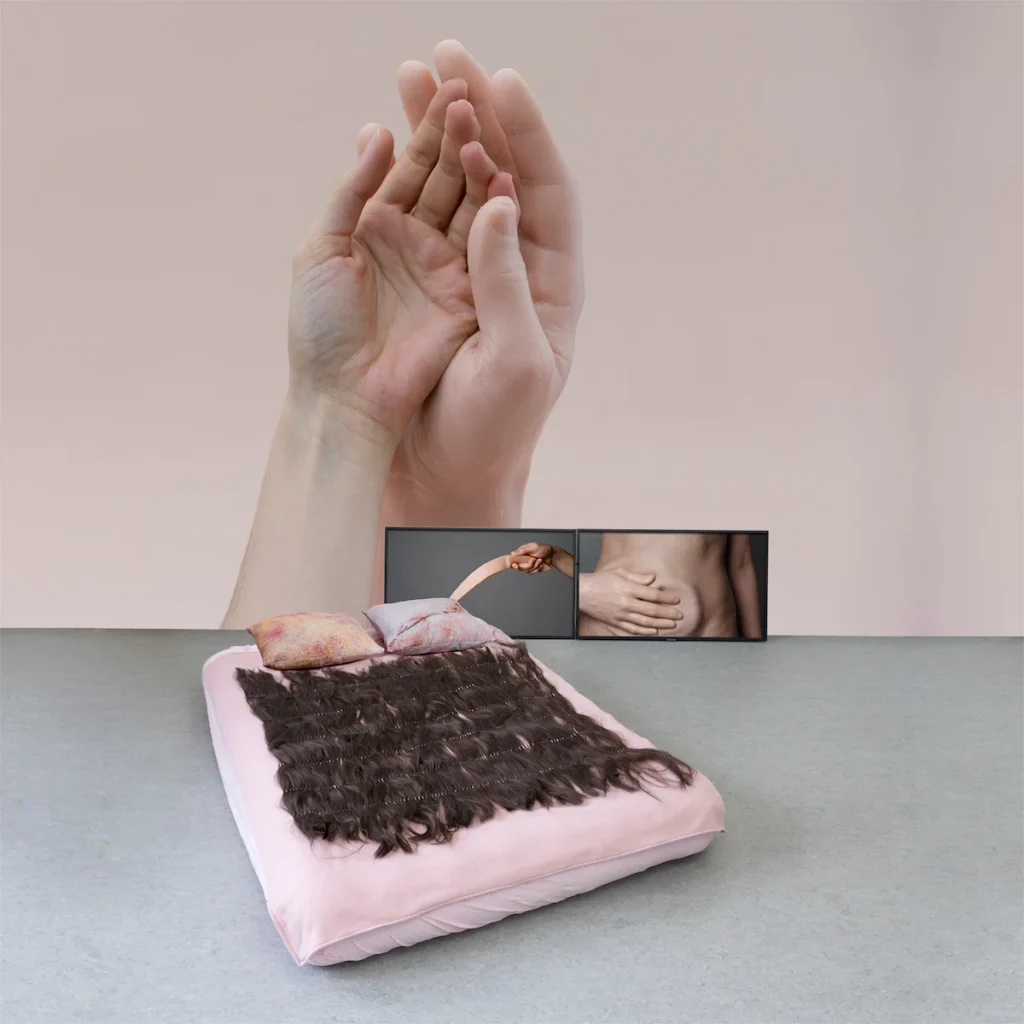
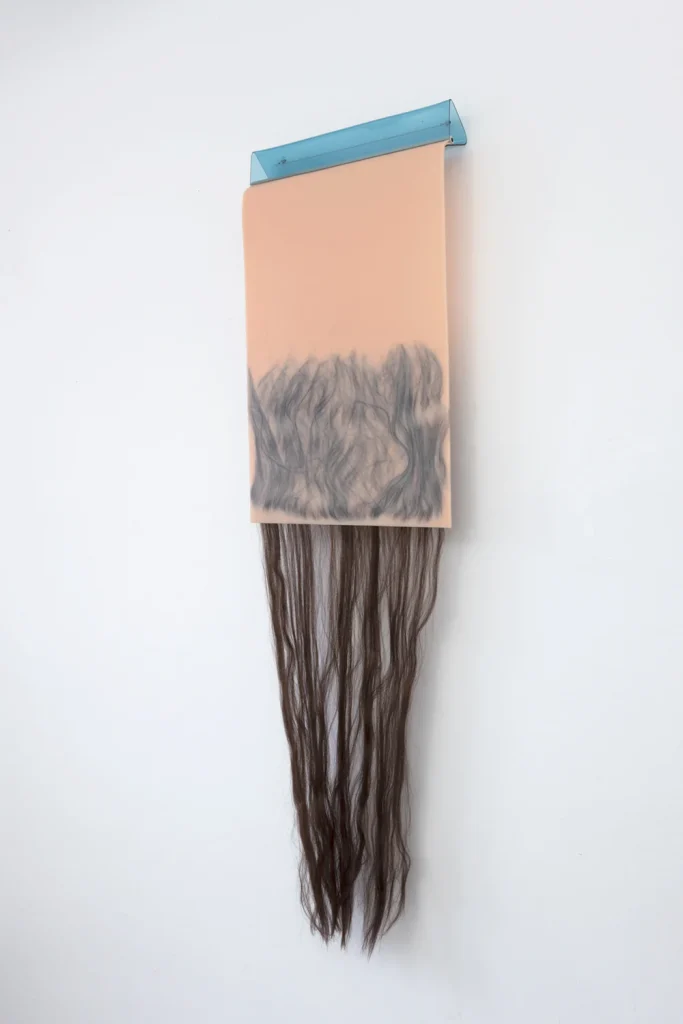
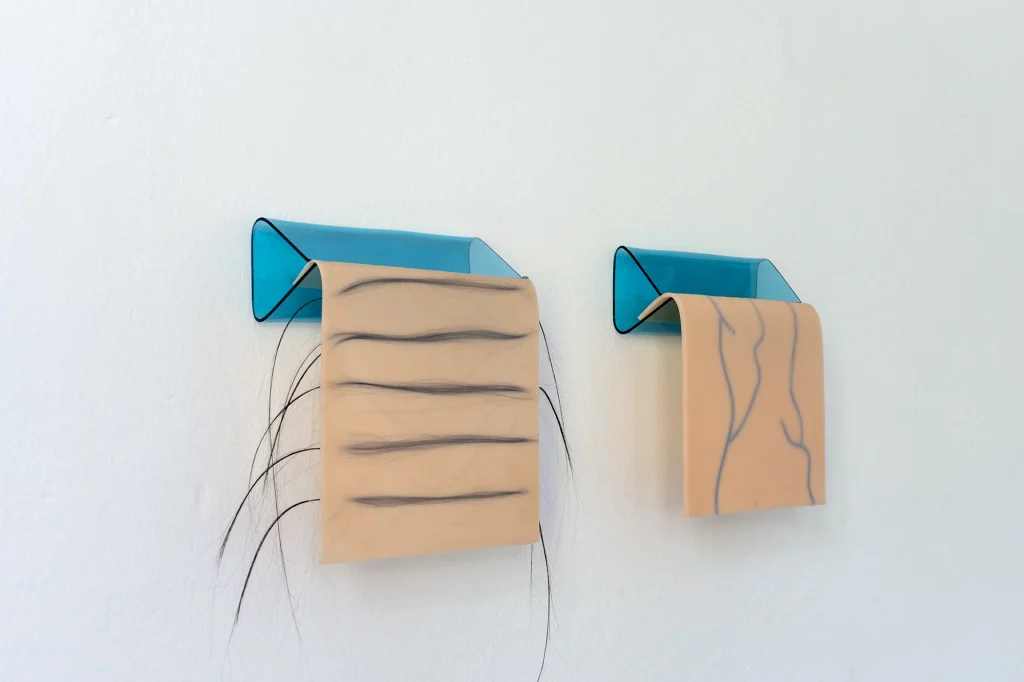
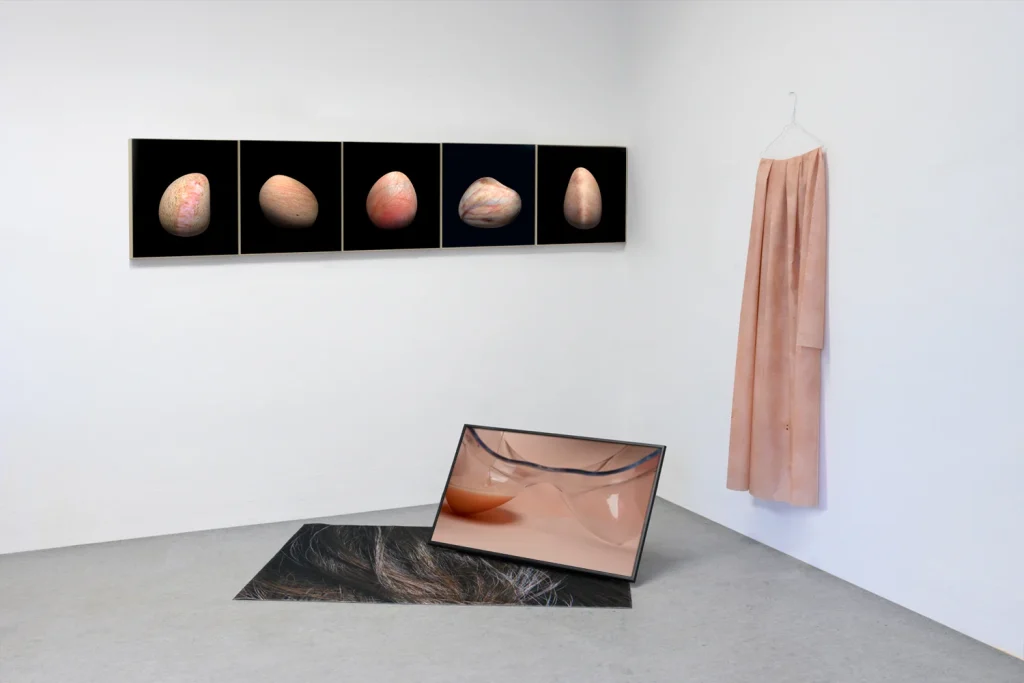
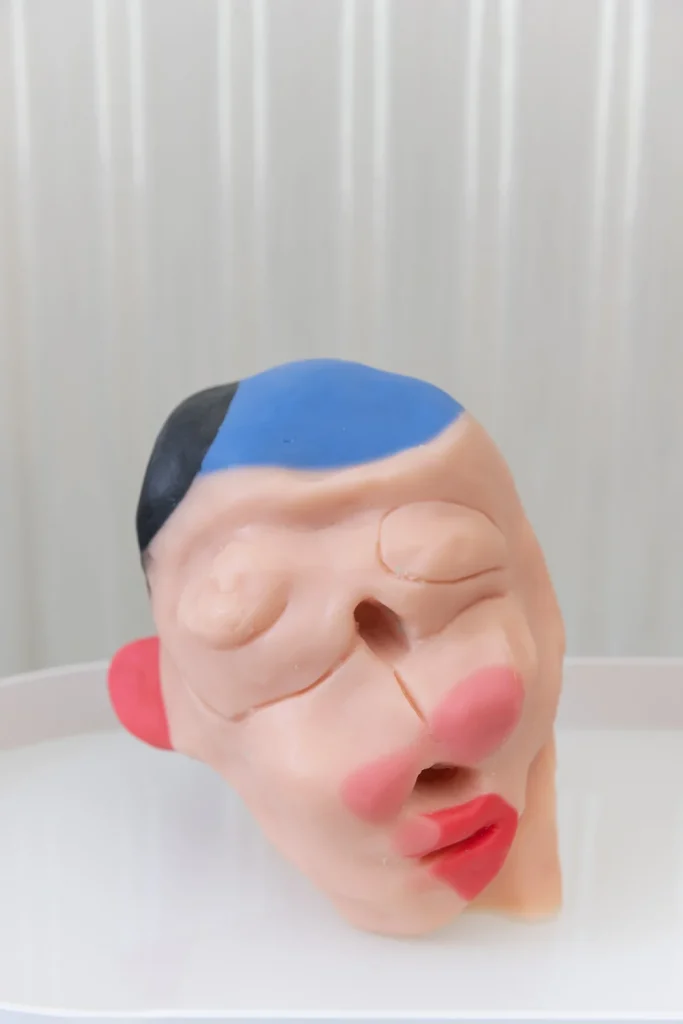
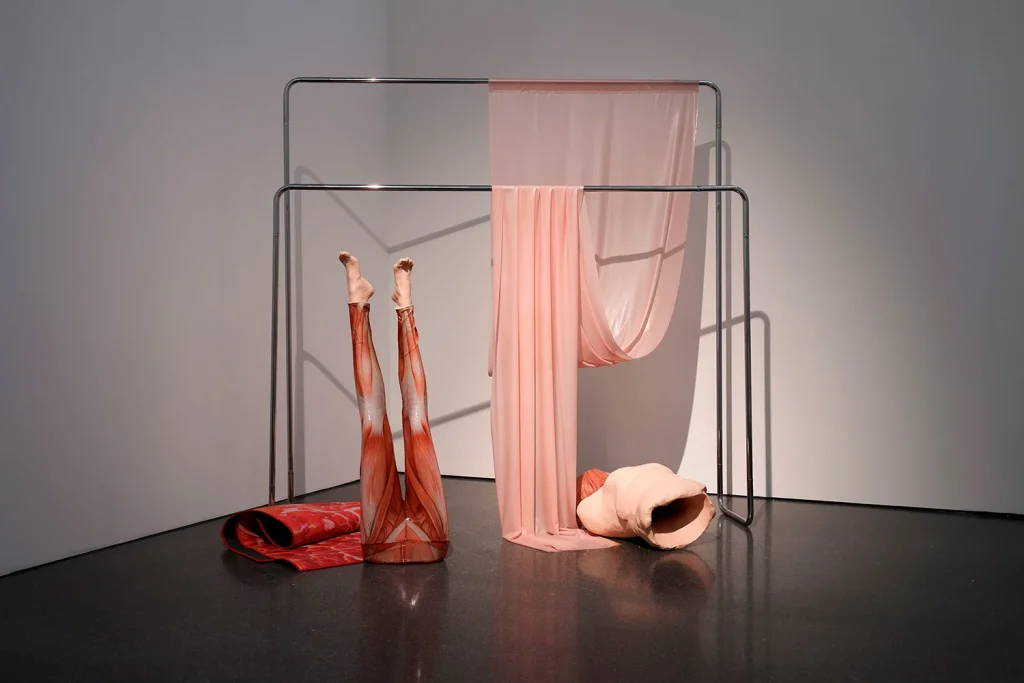
In my multidisciplinary practice, I focus on our social and political perception of the human body. In our performance-oriented society, there is a growing tendency towards objectification, which encodes the body as an arbitrarily manipulable mass. We can do something with our body, shape it or manipulate it. Today it seems omnipresent, permeable and somehow surmountable and increasingly resembles a number of possibilities. In my cross-media work, I no longer understand the body as a whole, but fragmented or manipulated. Many of my projects deal with the fragmentary body, transience, gender, posthumanism and the traditional idea of our body image in the digital age. For this I use various media such as installations, videos, photographs, sculptures or computer-controlled technologies.
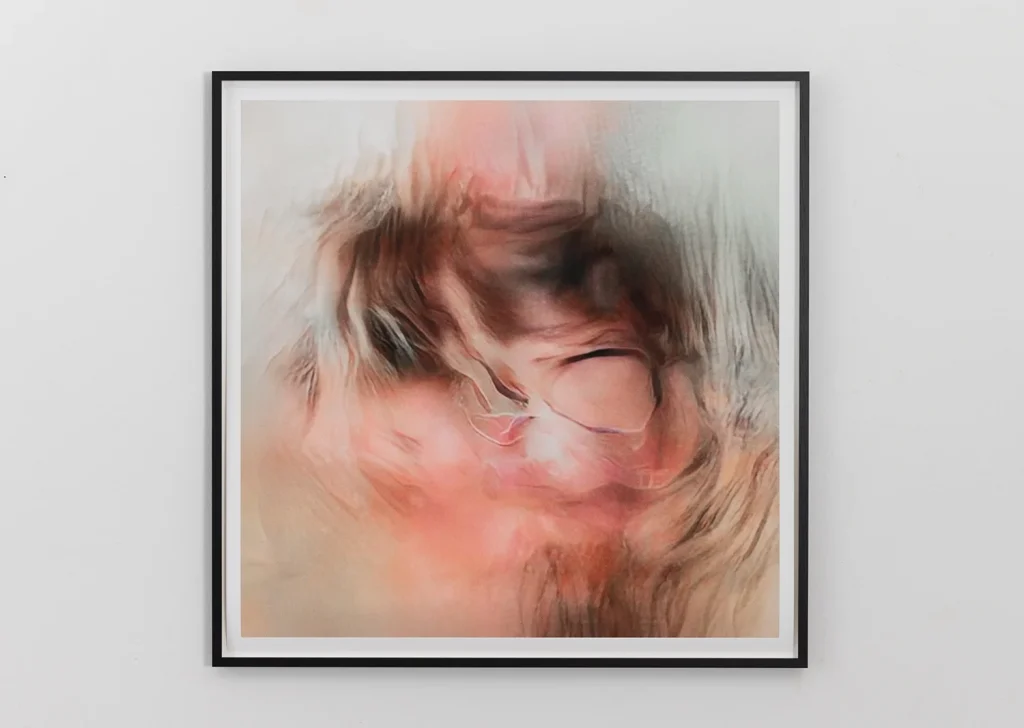
In my artistic work, the change in our contemporary body image in the digital age is a central theme. Last year I started to integrate computer-controlled techniques into my work process. In the mixed media work “How not to be seen as a body I”, for example, body objects were created on the basis of real photographs using 3D technology. In the course of this work process, the question arose for me to what extent digital technologies or the use of artificial intelligence change the view of the human body. That was the decisive factor for me to deal artistically with image synthesis through AI systems. This year I already started to work with an AI for two works (untitled body, human). For this purpose, the AI was first trained with pictures of me, and then independently generated body images based on an image analysis and specifications for color and structure. I will continue to work with the AI for the duration of the residency. In addition to generating new images, this time I want to make the learning process of the AI visible. For this I continue the training with the AI with further images. In process-based collaboration between me and the AI, artistic works are created that combine the symbiosis of the computer process based on a binary system with my intuitive way of working as an artist. I will also work on video works in connection with AR elements (Augmented Reality) beside the image synthesis. The resulting works are brought together again in a room installation, thus enabling the viewer to critically examine the limits of the visual reinterpretation of the human body in the context of digital image techniques.
CV Summary
Exhibitions
2019 DEW21 Art Prize, Museum Ostwall, Dortmund (GER)
2017 Gesichter, Deutsches Hygiene Museum Dresden (GER)
2015 Love & Loss, Lentos Kunstmuseum, Linz (AUT)
2014 Body Conscious, Amelie A. Wallace Gallery, NY (USA)
2013 boys ,n‘ girls – immer wieder anders, Staatliche Kunsthalle Karlsruhe (GER)
2009 Dark Side II, Fotomuseum Winterthur (CH)
2008 C|O Talents 10 / Zweiunddreißig Kilo, C/O Berlin (DE), Solo
Fundings
2021 VG Bildkunst Bonn (GER)
2020 Stiftung Kunstfonds Bonn (GER)
2019 working grant for 1 Year, Stiftung Kunstfonds Bonn (GER)
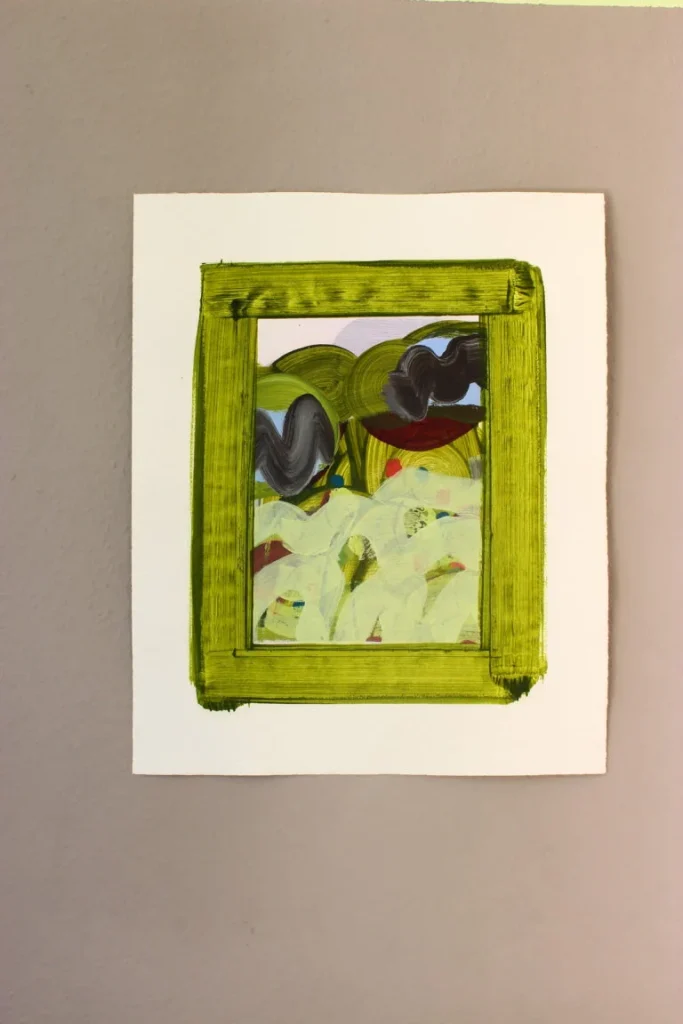
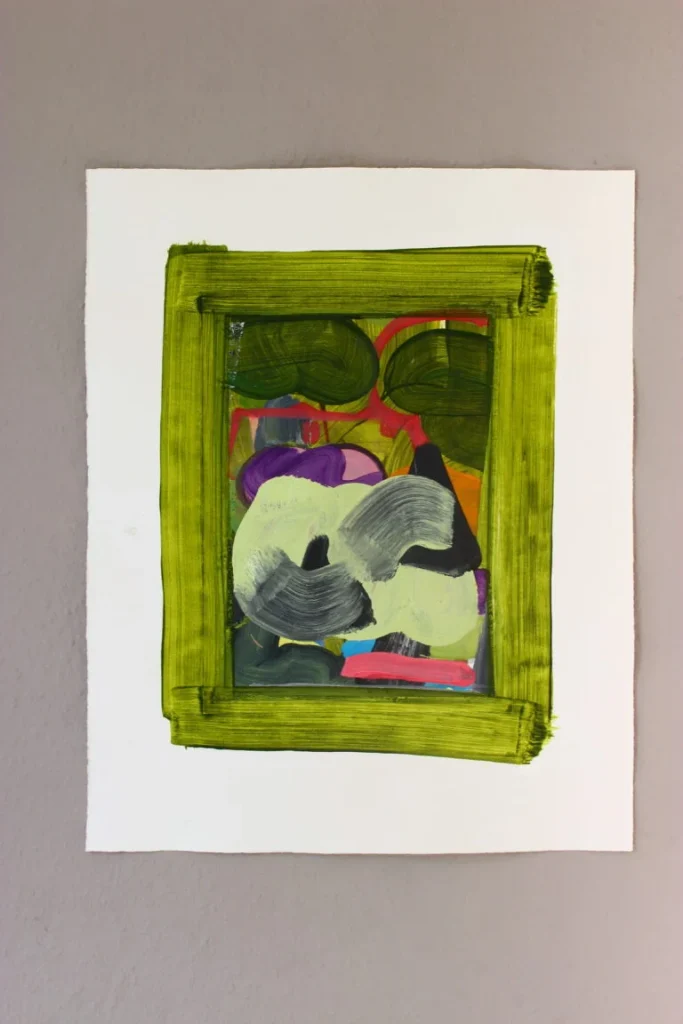
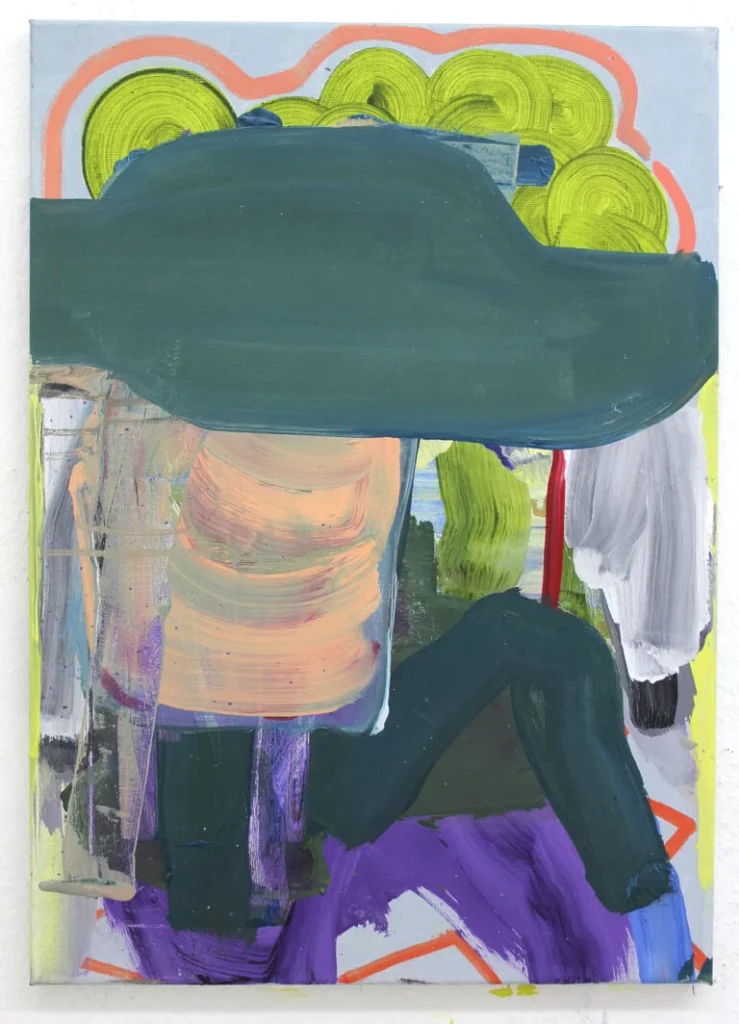
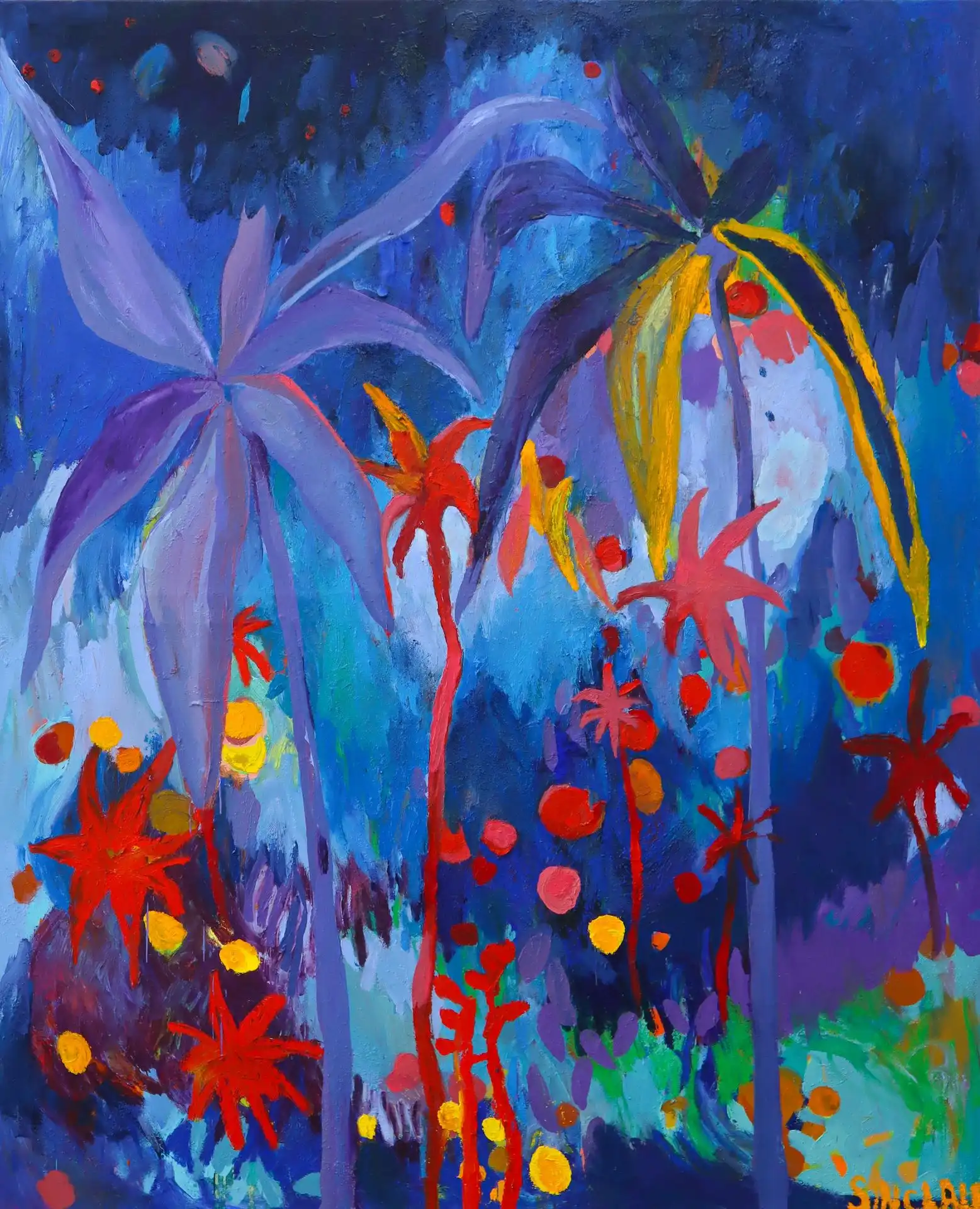
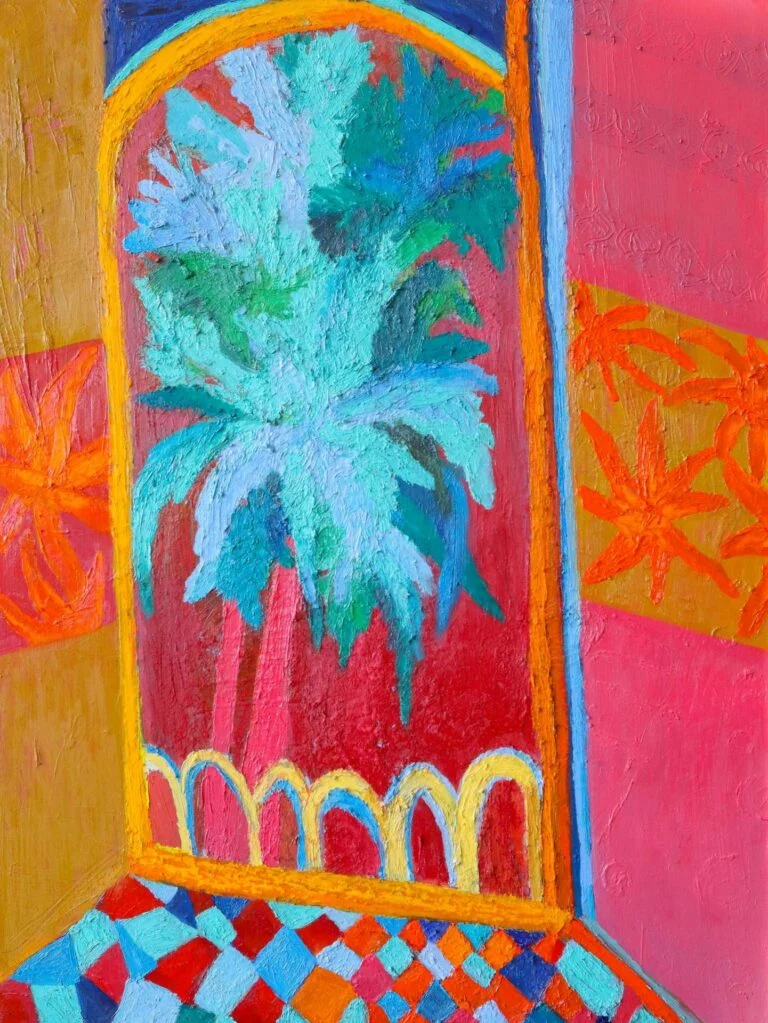
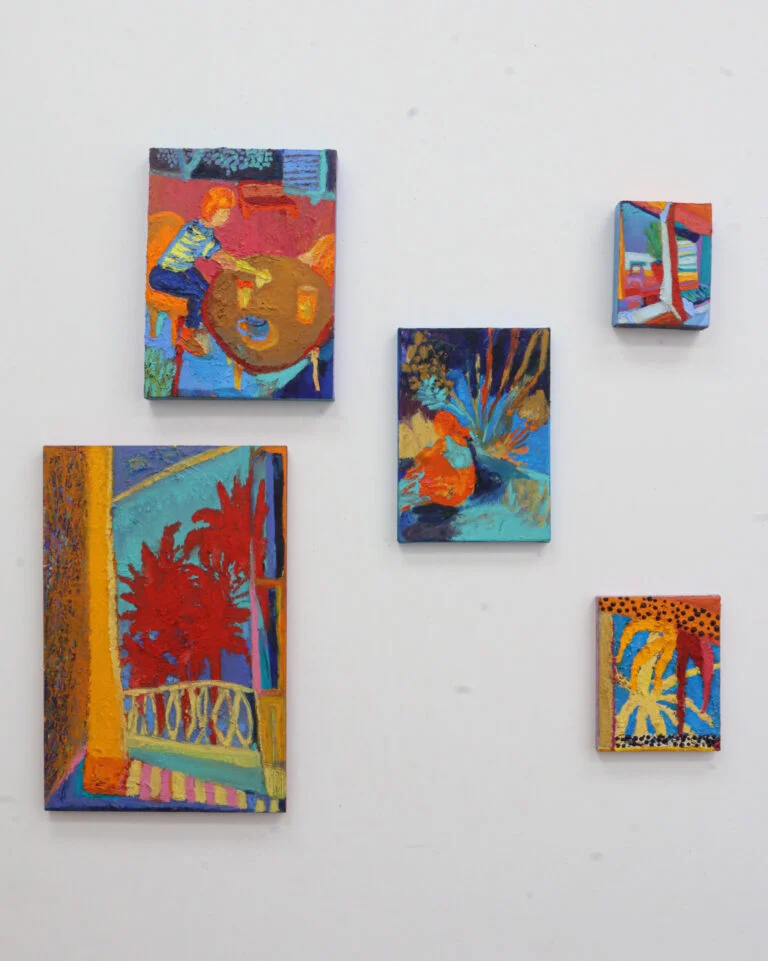
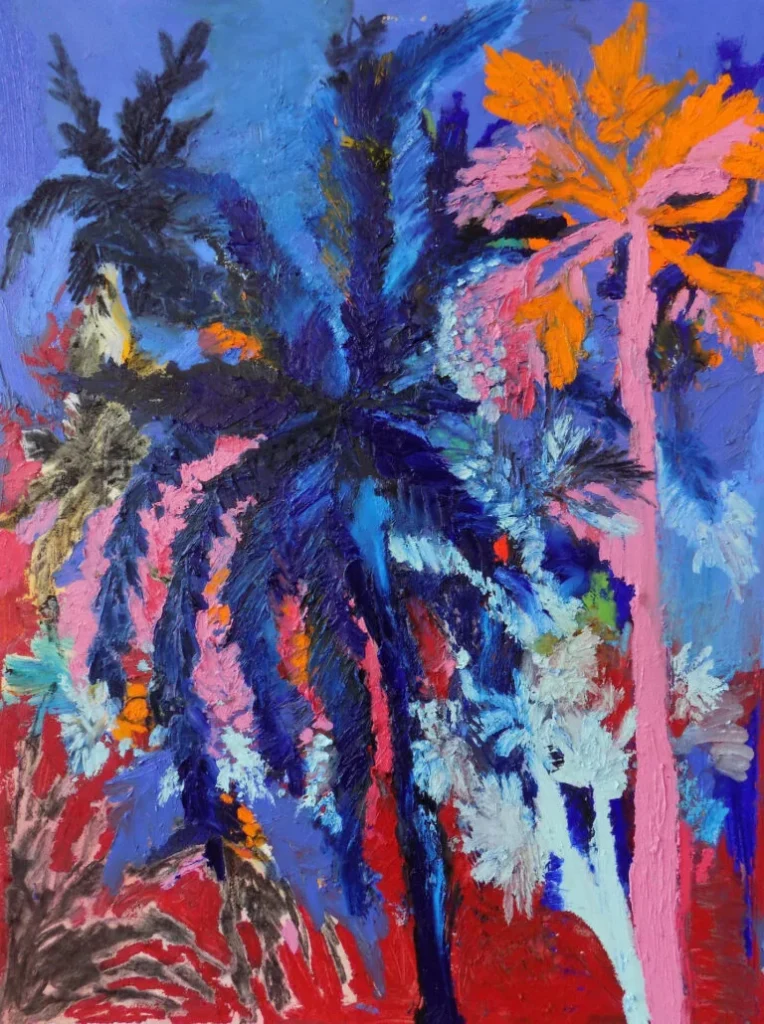
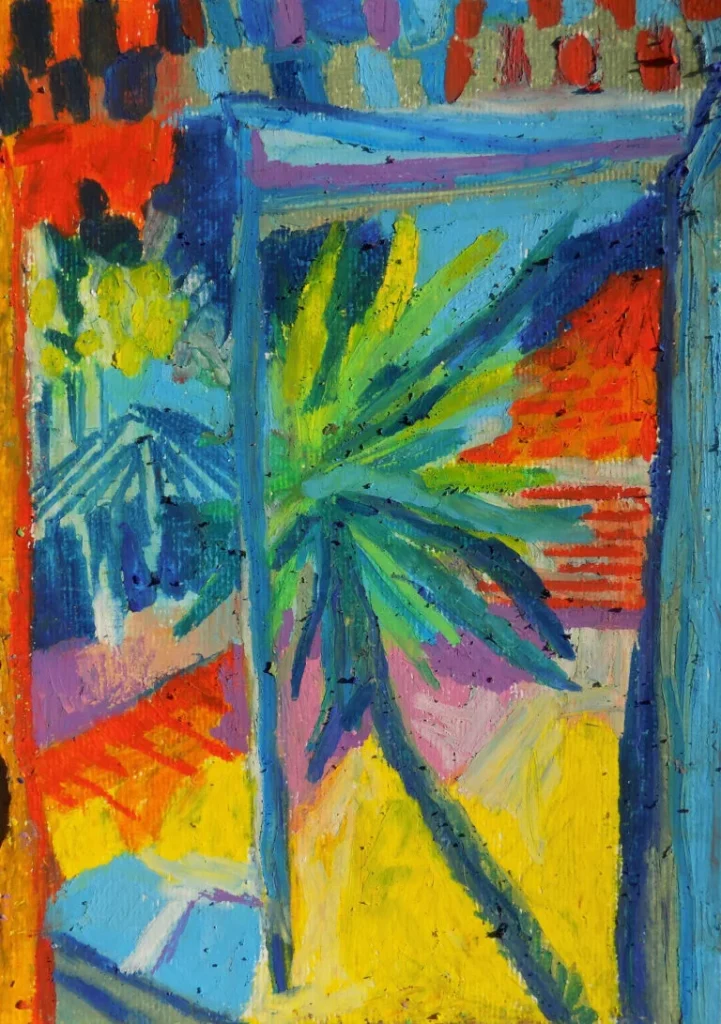
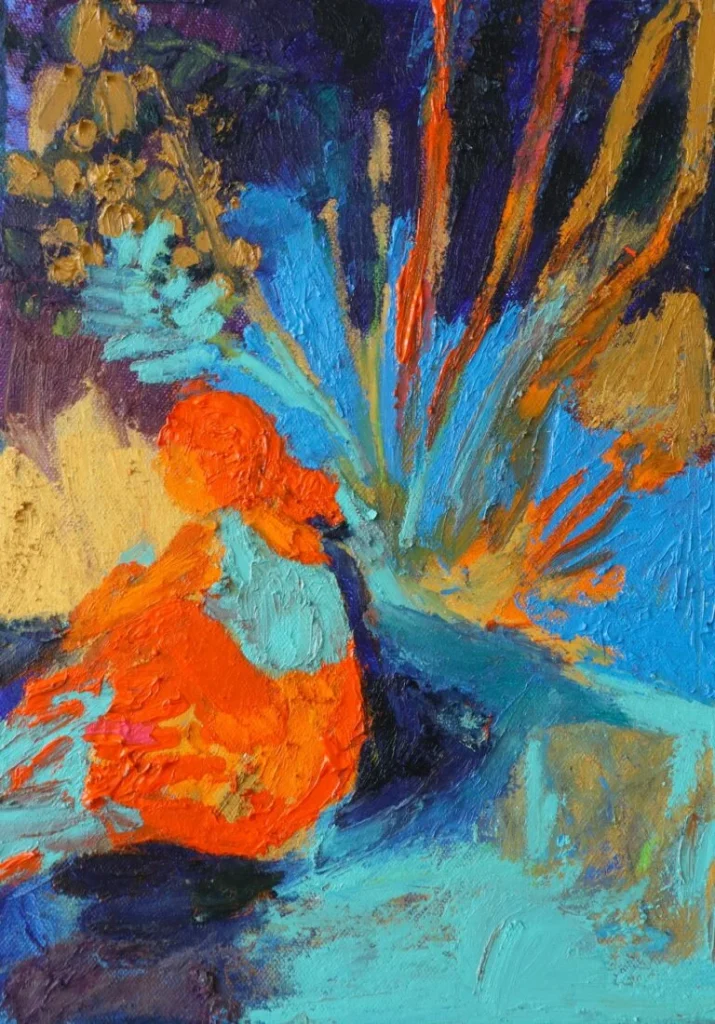
Lorna’s paintings are inspired by her European, Scottish and Irish travels, as well as scenes from her everyday life. Having lived in the Mediterranean area for a year post graduation, as well as more recently completing a six-week art residency in Cyprus, Lorna’s colour palette has been heavily influenced by the vibrant hues of her local surroundings.
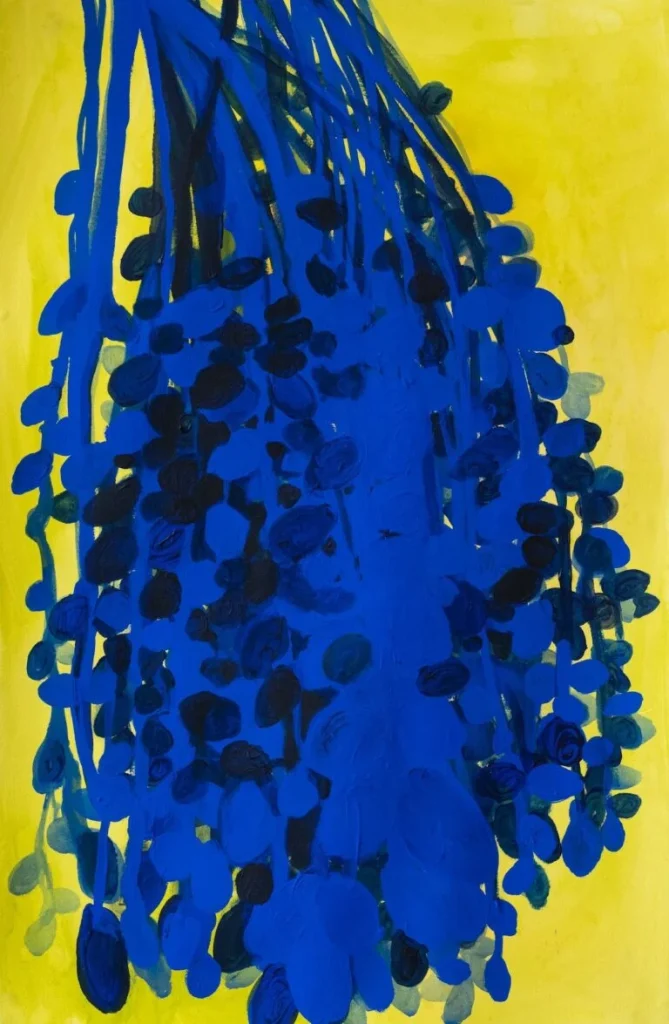
Colour is at the forefront of Lorna’s work. Every painting is directed by colour, for it is colour that inspires and moves her to paint. The Fauvists have greatly impacted Lorna’s artistic style and perception of painting; using uninhibited pure colour, rich textures and applying a spontaneous energy to her work is fundamental to Lorna’s practice. Lorna aims to excite and transfer this energy to the viewer through gestural brushstrokes and the thick, physical layering of oil pastels which she predominately uses. In particular, a focus on the changing light within remote and local landscapes, botanical gardens or the expansive view from her studio windows, drives her to paint.
Ultimately, Lorna wants to provide a sense of escapism to the viewer; offering a new, colourful reality for them to immerse themselves into.
Aileen Bahmanipour is GlogauAIR resident from October, 2021 to December, 2021
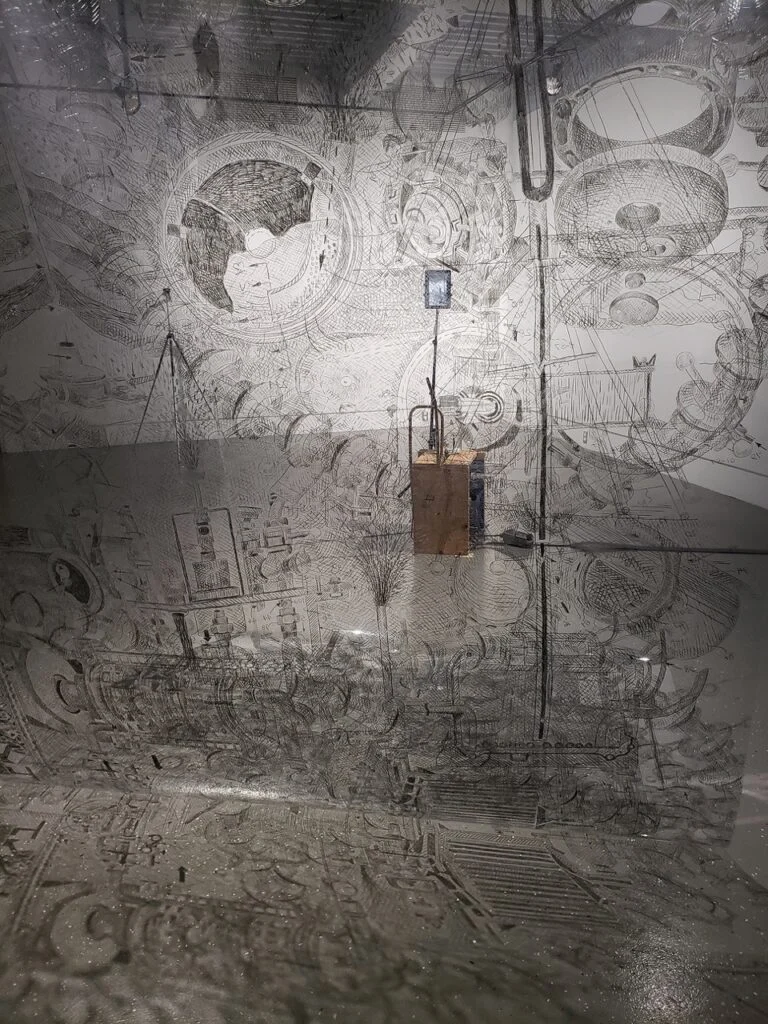
Aileen Bahmanipour’s practice centers on the vandalization of imagery, giving an opportunity to redefine a contemporary form of iconoclasm.
Meet the Artist
During her Residency in GlogauAIR, Bahmanipour focused on exploring the medium of video within the space, to understand video as a sculptural object. Expanding the architectural aspects of her current works.
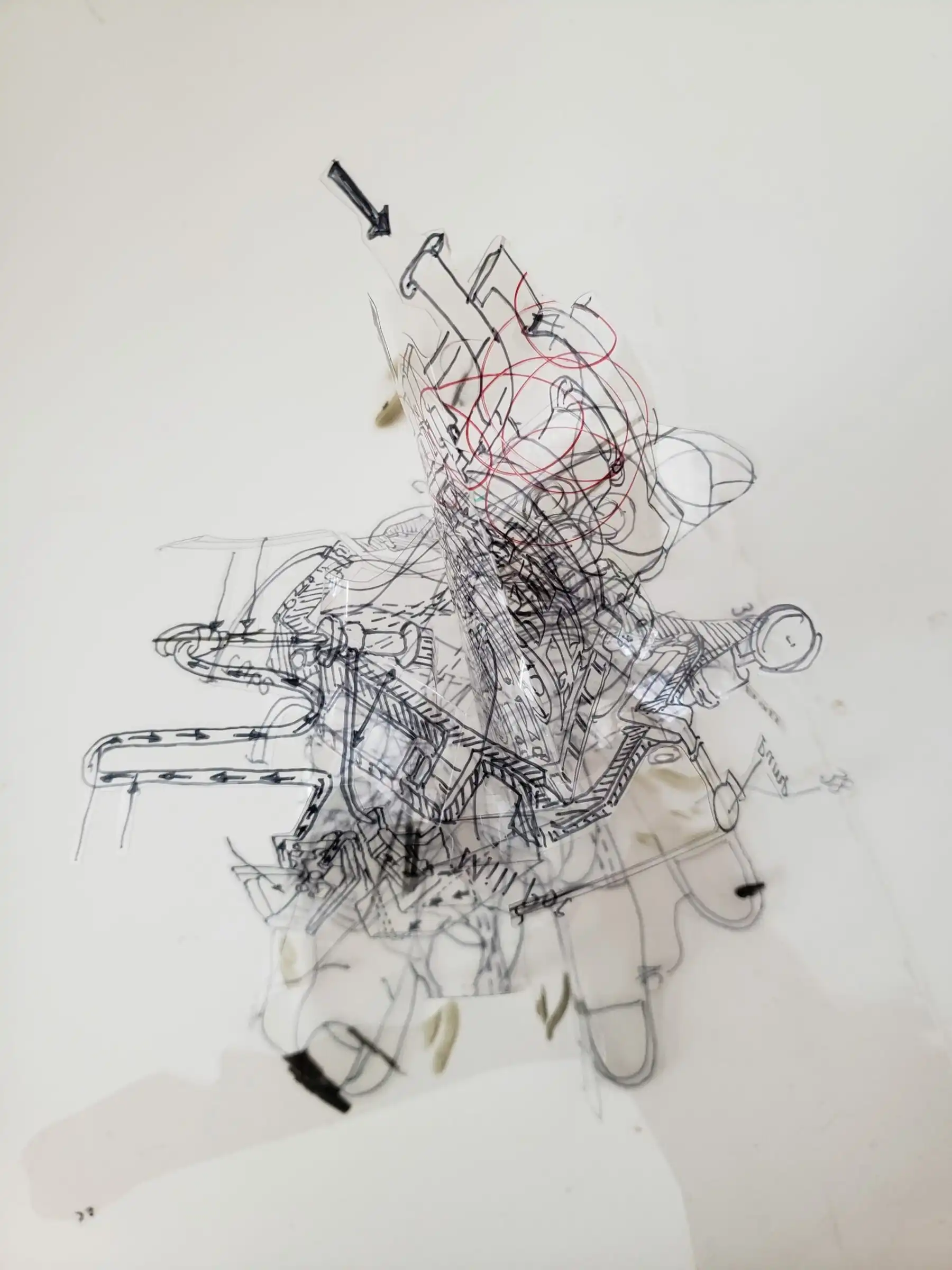
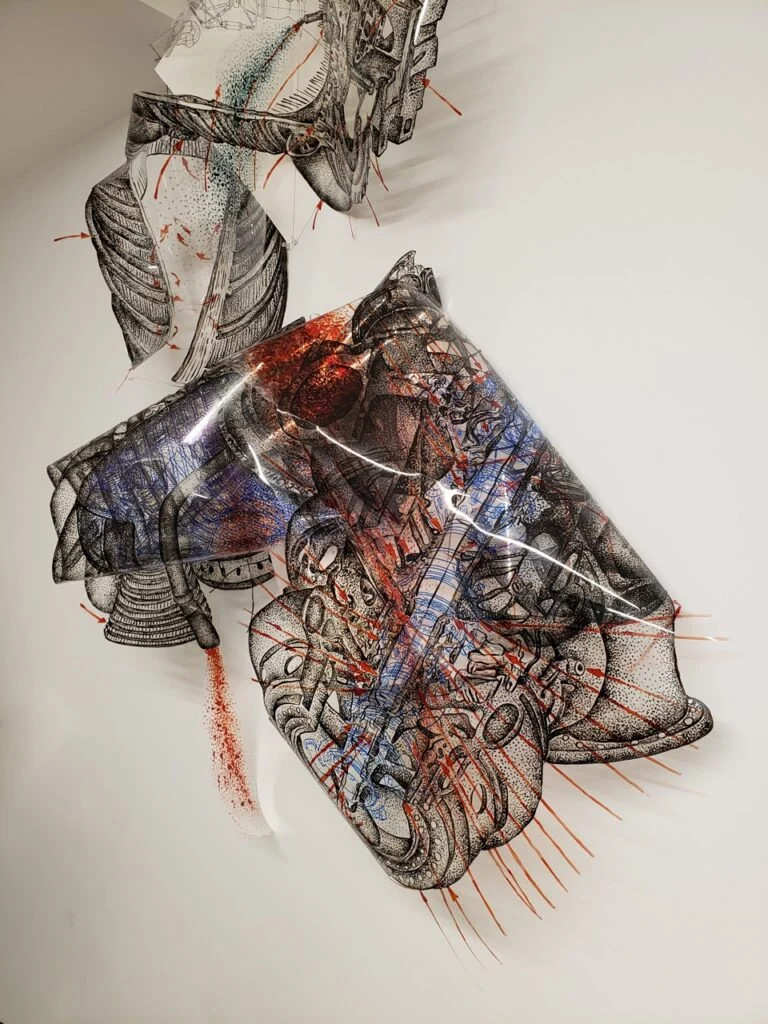
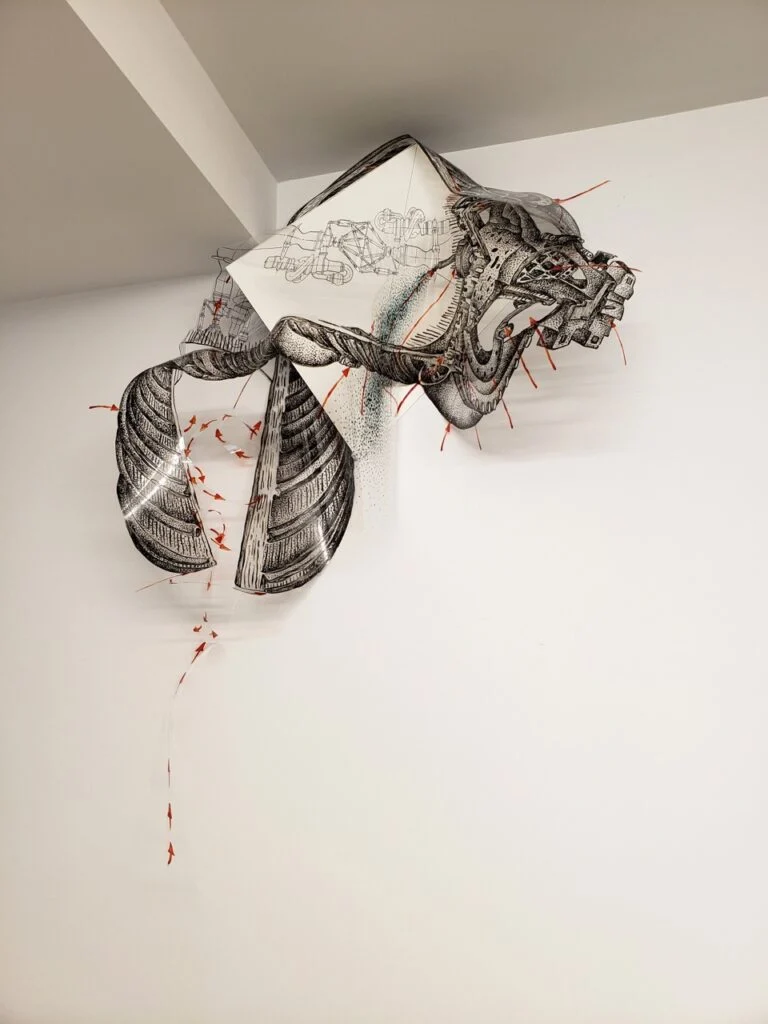
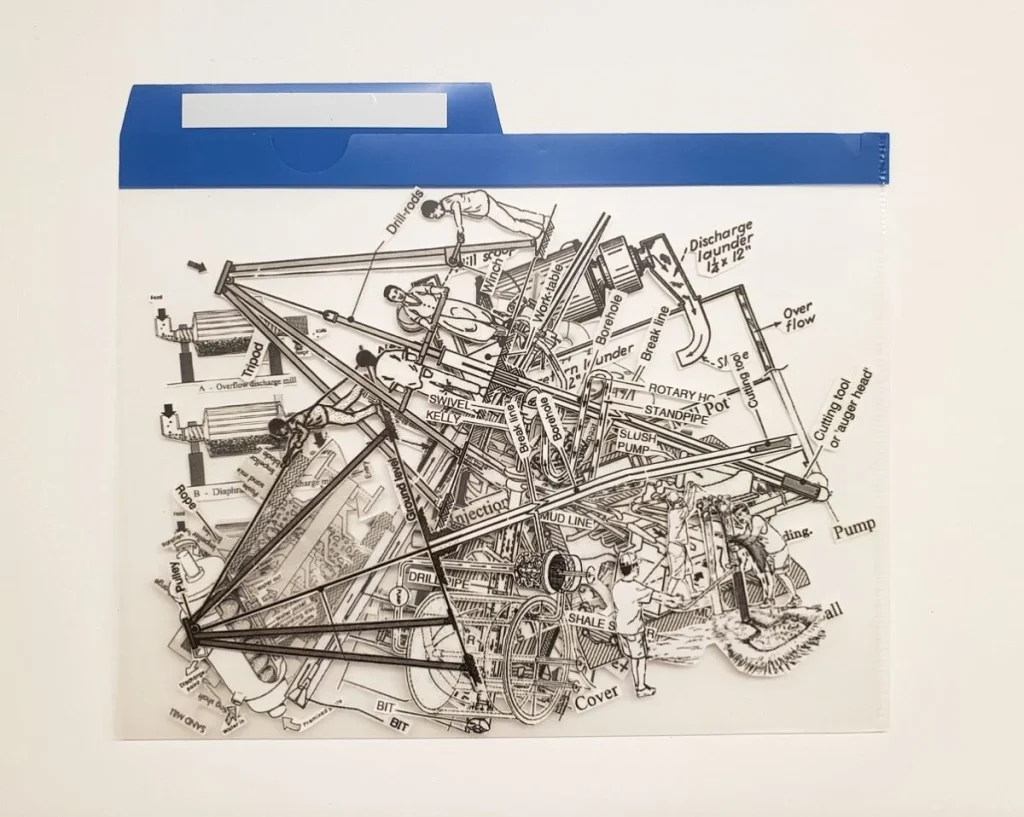
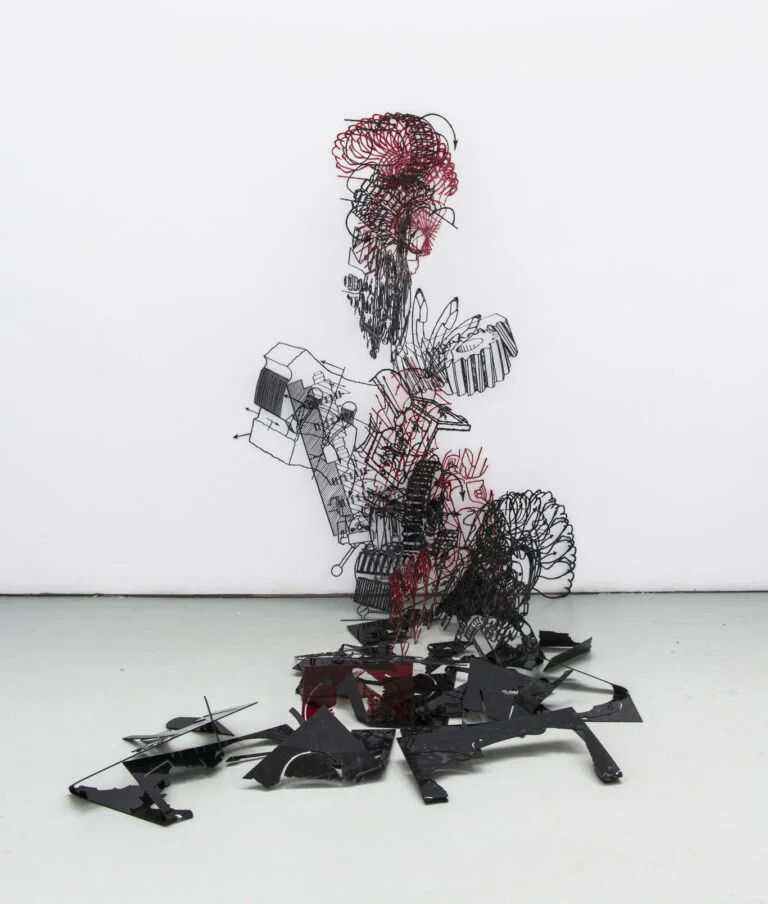
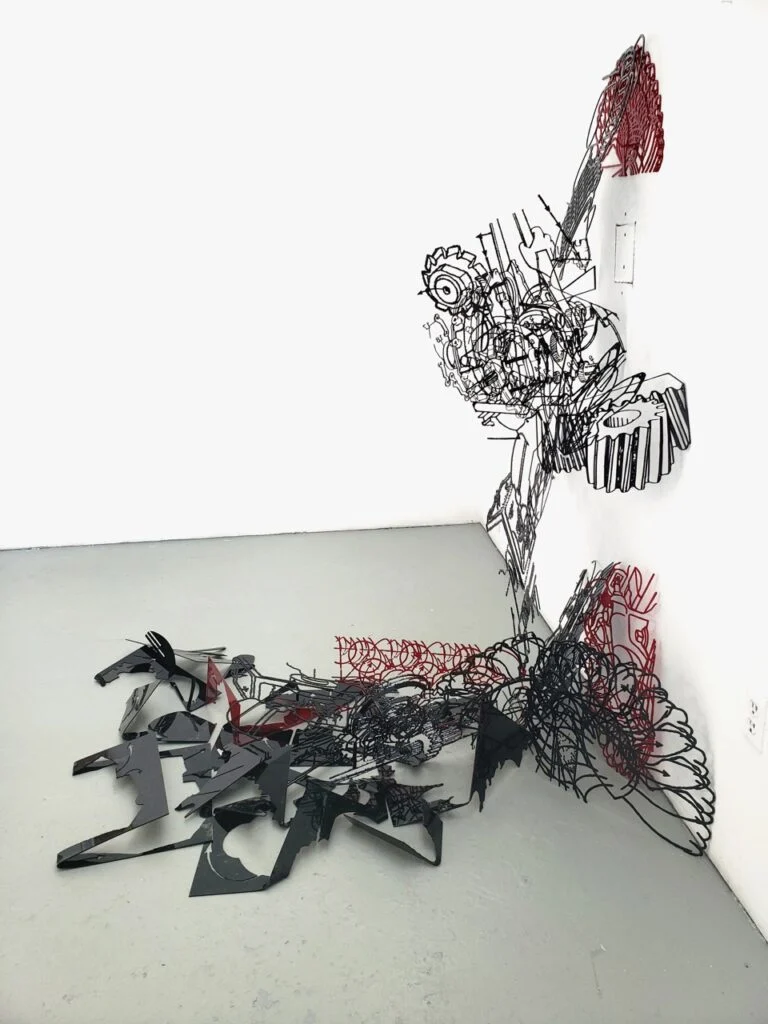
My practice is currently centered on exploring contemporary forms of Iconoclasm. I define Iconoclasm not to reject or negate the image but to redefine it. To do that, I challenge the figure/ground relations. The ground of the image, through the history of image-making, has been always suppressed and hidden by the covering image. By vandalizing the image, the iconoclast gives an opportunity to the ground of the image to find a language, to become visible, and be part of the image. My creative process is entangled with images, how and why we make them and interact with images. Since 2009 when the Iranian regime’s restrictions maximized on Internet filters, my practice became obsessed with the diagrammatic imagery that was available to me through limited access to information, perhaps because they were neutral and not political at all. That project led me to my recent research questions about the flow of information internationally: collection and process of raw data online. I appropriate and decontextualize diagrammatic imagery to make new circuits and patent files of non-functional systems that blur the border between productivity and waste. I transform these diagrams into different visual forms of study in systematic non-functionality and stupidity.
In my proposed project for this residency, my focus will be to explore the medium of video within the space, to understand video as a sculptural object. I’ll do that to expand on the architectural aspects of my current works. While I’ll study and research about works of artists like Sondra Perry and Lana Kurdy, I’ll also want to learn to work with video mapping applications or software. I would like to use this technology to bridge my 2D drawings into specific forms of digital animations that can be projected, in specific forms and shapes, on my DIY machines and other potential installations. My approach is to integrate and engage my 2D and 3D works together, and blur dividing borders between their forms. Through this exploration in form, I’ll dive into the concept of connecting, and simultaneity in space.
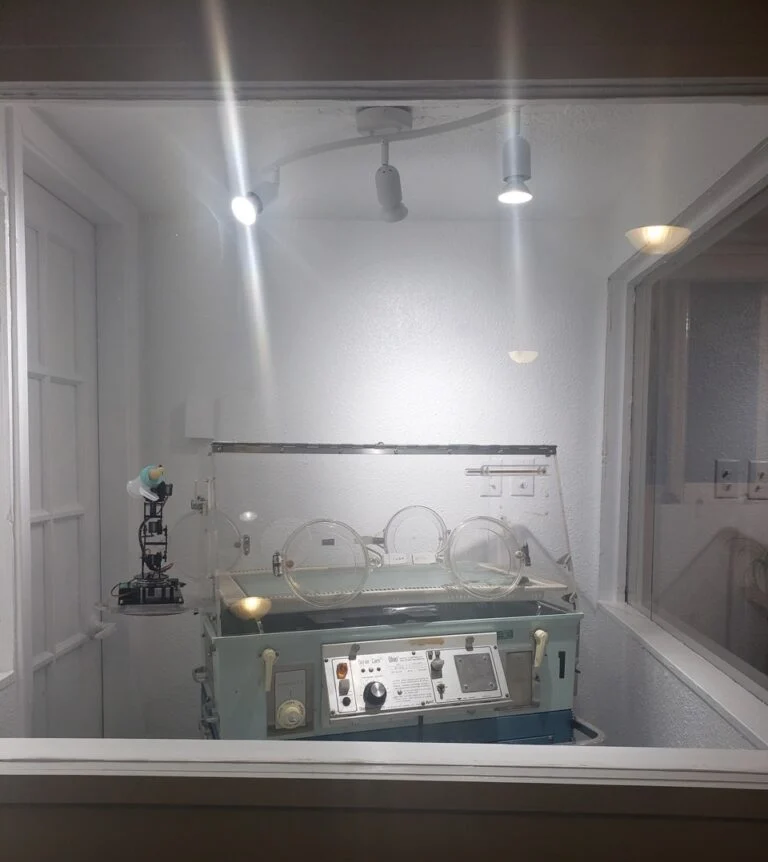
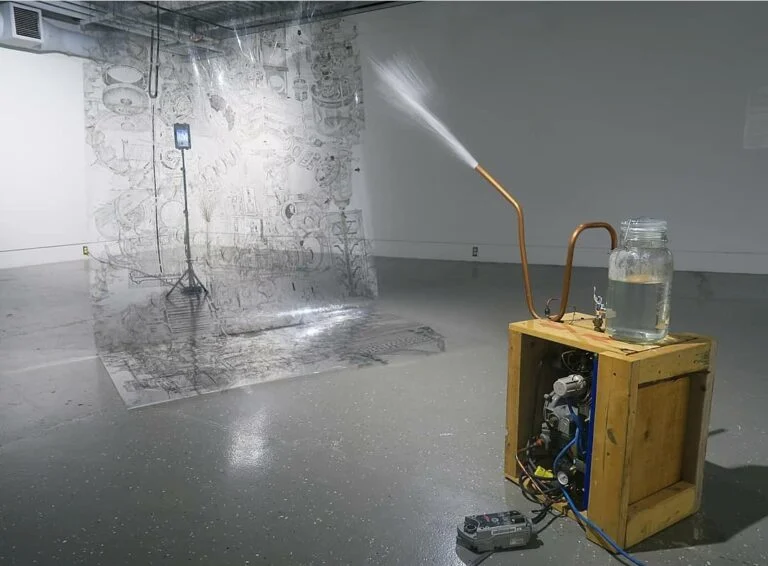
These two concepts (connecting, and simultaneity in the space) have been appeared in my previous projects, in which I’ve investigated machine-and-machine labour, human-and-machine labour, and the idea of investment-as-labour. I understand machines as intelligent in product-ability and accessibility in our contemporary capitalist world. In my research, I am more interested in the human-machine labour in collecting raw data, and process of them according to the needs and circumstances of the users. Historically and currently, the free flow of information is a myth. Selectors and controllers continue, as they always have, to sift and shape the messages that circulate in society. It is always a matter of who the selectors are and whom they represent. And this is an area in which social class is in control. I am also interested in the fact that information is inseparable from its organization and mode of storage. In this case, my project reflects on my cultural and political identity as an Iranian-Canadian visual artist. Through my Google search, I accumulate (hoard), and collect images that Google offers me as the answers to my questions. Then, using the collection of images that are mostly manuals and diagrammatic imagery, I design patent files for non-functional systems that consume their own waste products in a way that nothing useful is produced through their cycle of work (for production and consumption), it’s all waste. I transform these diagrams into different visual forms of study in systematic non-functionality and stupidity. Sometimes I make DIY machines or assemble ready-made machines for that purpose. I want to expand my works on DIY videos or in form of 2D animations of my diagrammatic drawings and integrate them with the space and/or on 3D sculptures of machines. I’ve also recently worked with machine coding and programming language as a form of concrete poetry. I am planning to work with this form of language (between humans and machines) in creative writing experiments. I should admit the impact of Laurie Anderson’s works on this part of my process, further study of her artworks is on my do-to list for this residency.
CV Summary
Aileen Bahmanipour is an Iranian-Canadian visual artist.
She is a first generation immigrant from Iran.
Bahmanipour is currently living and working on the unceded territories of the xwməθkwəy̓ əm (Musqueam), Skwxwú7mesh (Squamish) and səlílwətaʔɬ/Selilwitulh (Tsleil-Waututh) people.
She has received her BFA in Painting from the Art University of Tehran and MFA in Visual arts from the University of British Columbia.
Bahmanipour has exhibited her work in a body of solo and group exhibitions in Iran as well as in Canada, including her solo and group exhibitions at the Alternator Centre for Contemporary Art, Vancouver’s grunt gallery, Two Rivers Gallery, and Audain gallery.
She is the recipient of the Social Sciences and Humanities Research Council grant in 2017, Gail and Stephen A. Jarislowsky Artist in 2019, Early Career Development grant from BC Arts Council in 2019, Canada Council for the Arts and BC Arts Council’s grant in 2021 and 2022.
Lars van de Grift is GlogauAIR resident from October, 2021 to December, 2021
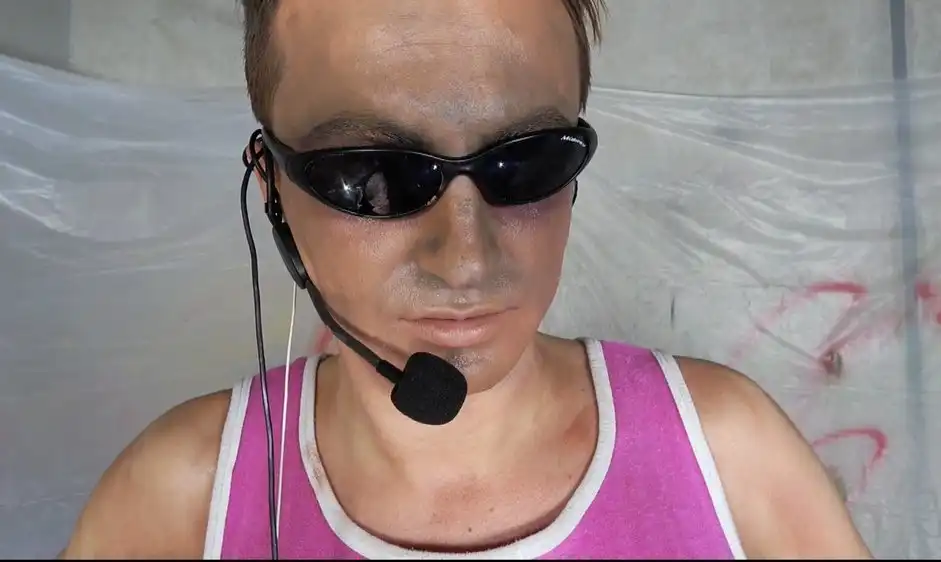
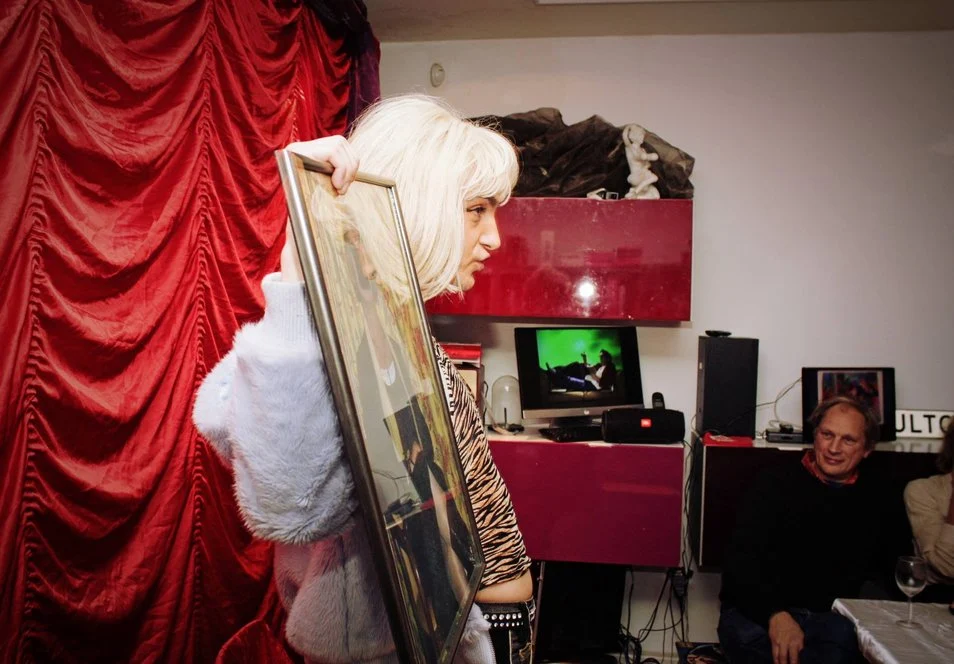
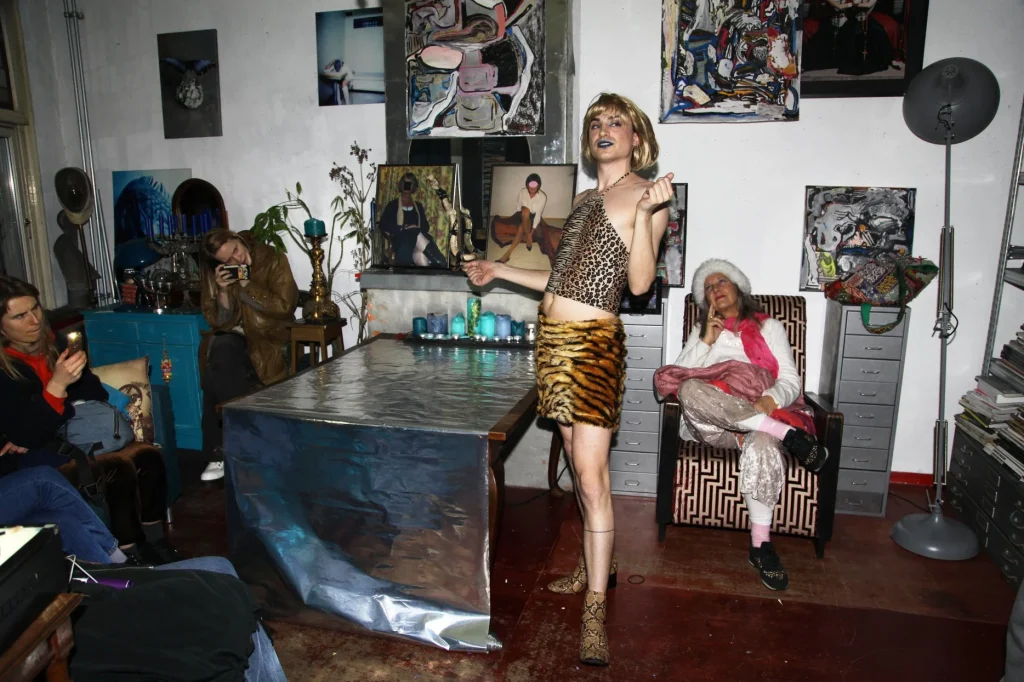
Lars Van de Grift’s practice aims to identify conflict as a means of creating. Specifically, adult conflict guides them to create free play zones. Their live videos and performances nourish the reality of direction and spontaneous interactions.
Meet the Artist
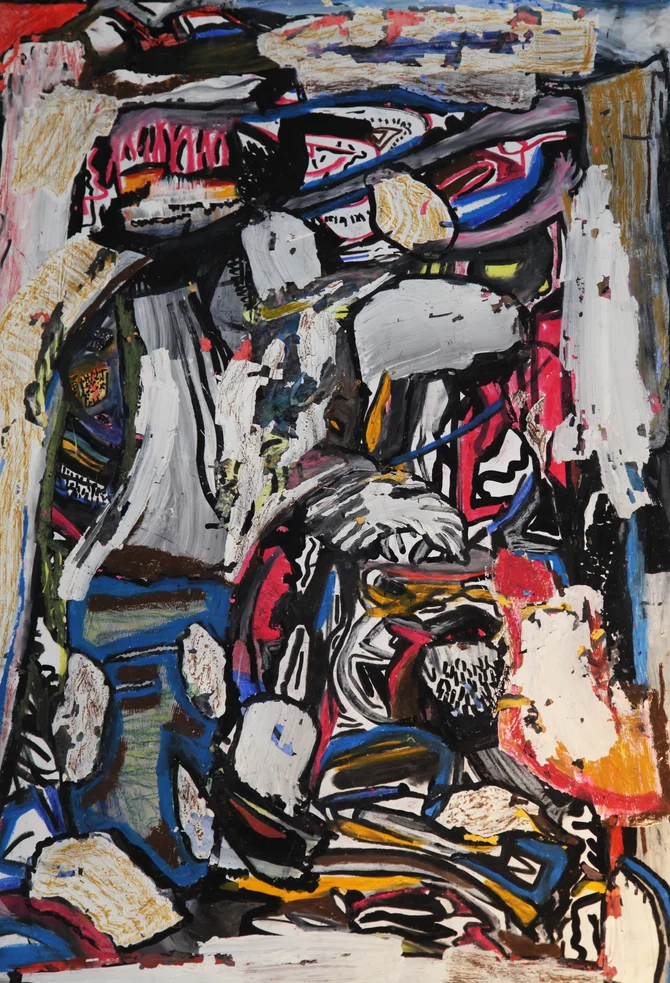
In their paintings they play with materials and rigid color compositions. They don’t see these works as paintings, however, but as interactions with other mediums.
Central to my work is the urge to identify conflict as a means of creating. Specifically, adult conflict guides me in creating free play zones: a free standing reflective playing field. In my videos and live performances I aim to nourish a multiple reality where directed and spontaneous reactions intersect. ‘Show your babies to Hella van Eem’ is a recent video work. The work follows a social experiment. Hella is a farmer lady and a known person from my youth. In this work she is forced to enter into a new experience. Changes in the environment, from farm to city, are directed and form a spontaneous, yet to an extent a forced transition. In my work I unravel the causes behind different attitudes and desires between Hella’s and my reality. I also paint. I’m working in a direct way. I don’t see these works as paintings, but as prints or materials to interact with, even within another medium. I work with rough textures, a free standing use of materials and rigid colour compositions.
At the GlogauAIR residency I would like to work on a series of documented performances. These performances can be seen as interventions and they will connect me, as a maker, with different people from the city of Berlin. In every performance I will invite a stranger to my studio. My aim is to receive guests that are exceptional or different from my reality. In the studio I create a manipulated set-up to exploit this exciting new acquaintance. The connection between me and the stranger will be documented. During the making process I will find out the potential in this new connection. How the relationship between me and these strangers will develop in this series will be interesting and surprising for the viewer. Partly it will be real life documentation and partly manipulated set-ups. Last year I’ve already had the chance to live in Berlin for a short time, despite corona it was for me, as a young artist, a nourishing experience to explore the diverse identity of the city.
CV Summary
Education
2014-2018 (BA) Gerrit Rietveld Academie, Fine Arts & Design, Amsterdam (NL), graduated with an honorable mention given by the jury of the Gerrit Rietveld Awards
2016-2017 Exchange, The School of Visual Theatre, Jerusalem (ISR)
Exhibitions
2021 Premiere of film ‘Show your babies to Hella van Eem’, Kunstkapel, Amsterdam
2020 Paintings, group show – ‘Dutch Connection – Back in town!’, Het Vrijpaleis, Amsterdam
2019 Live Performance, ‘Life-and-death’, Tetterode, Amsterdam
2019 Video and live Performance, ‘WTF Queer’, Vrankrijk, Amsterdam
2019 Live Performance, Willem de Ridder event, Willem Twee toonzaal, ’s-Hertogenbosch
2019 Video installation and live performance for launch of platform ‘NOW’, Zapp productions, Gilles van Ledenberchstraat, Amsterdam
2018 Installation and video ‘Hi Performance’, Graduation show, Gerrit Rietveld Academie, Amsterdam
2018 Screening film ‘Hi Performance’, Eye Filmmuseum, Amsterdam