Archives: Artists

  • Eva Busch Verni

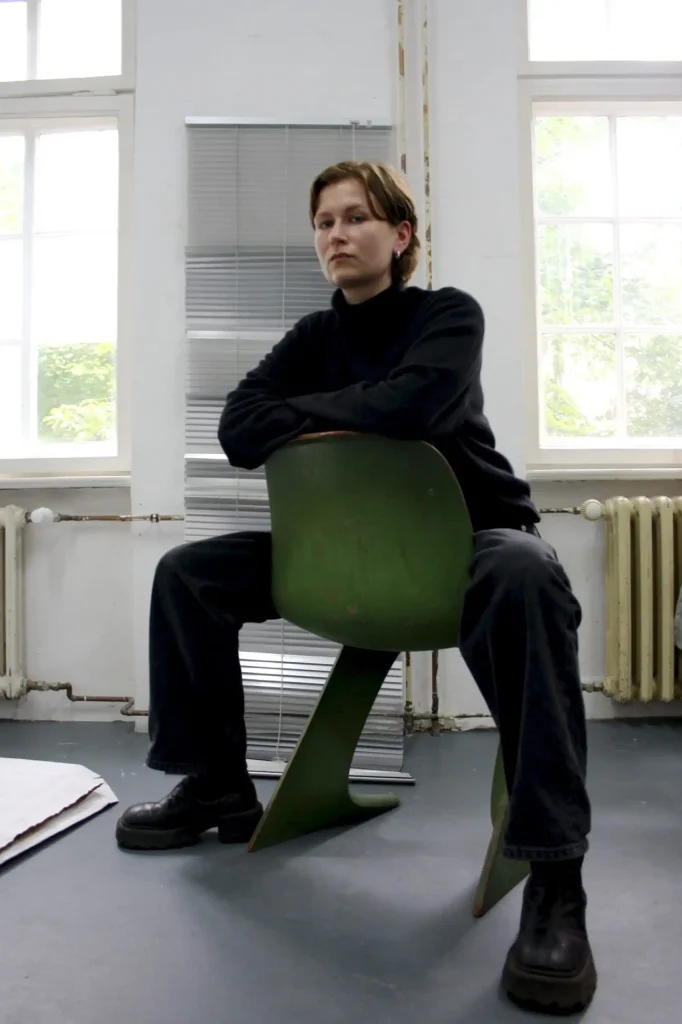
    Eva Busch Verni

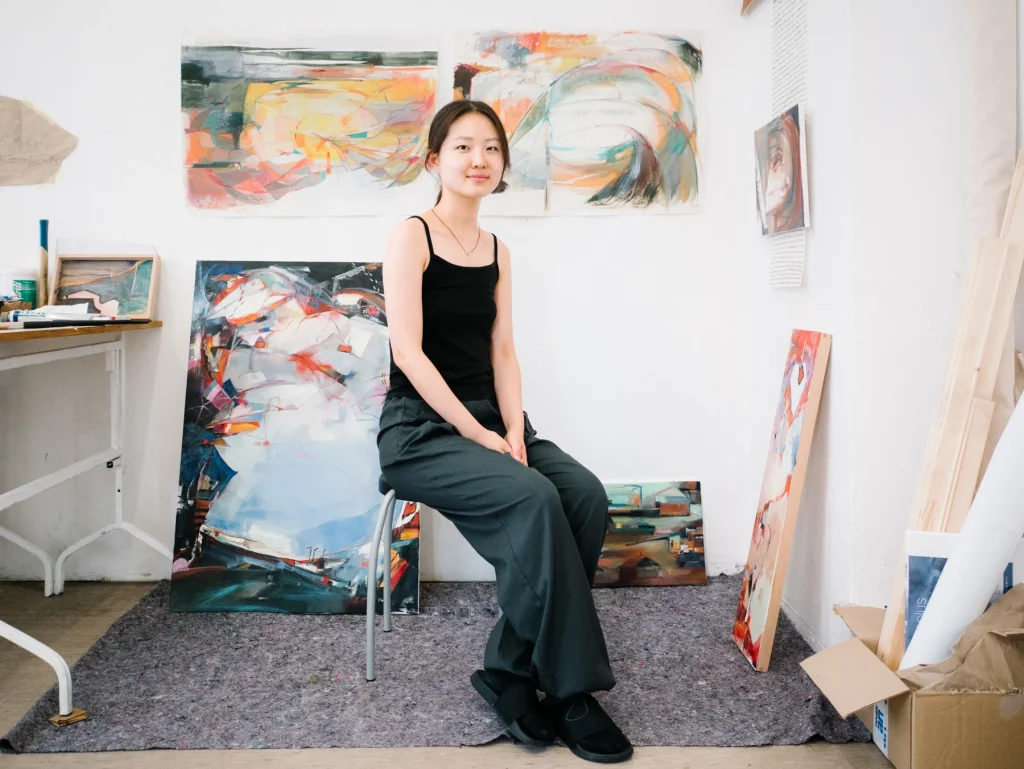
    Eva Busch Verni is GlogauAIR resident
    from April, 2025 to June, 2025

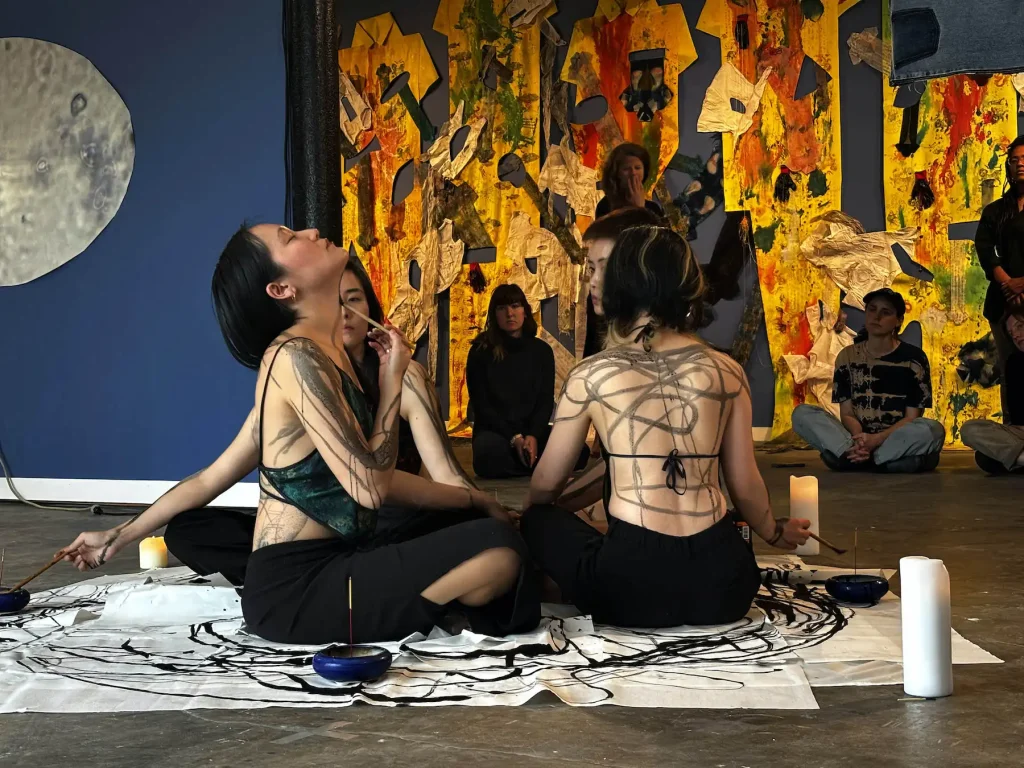
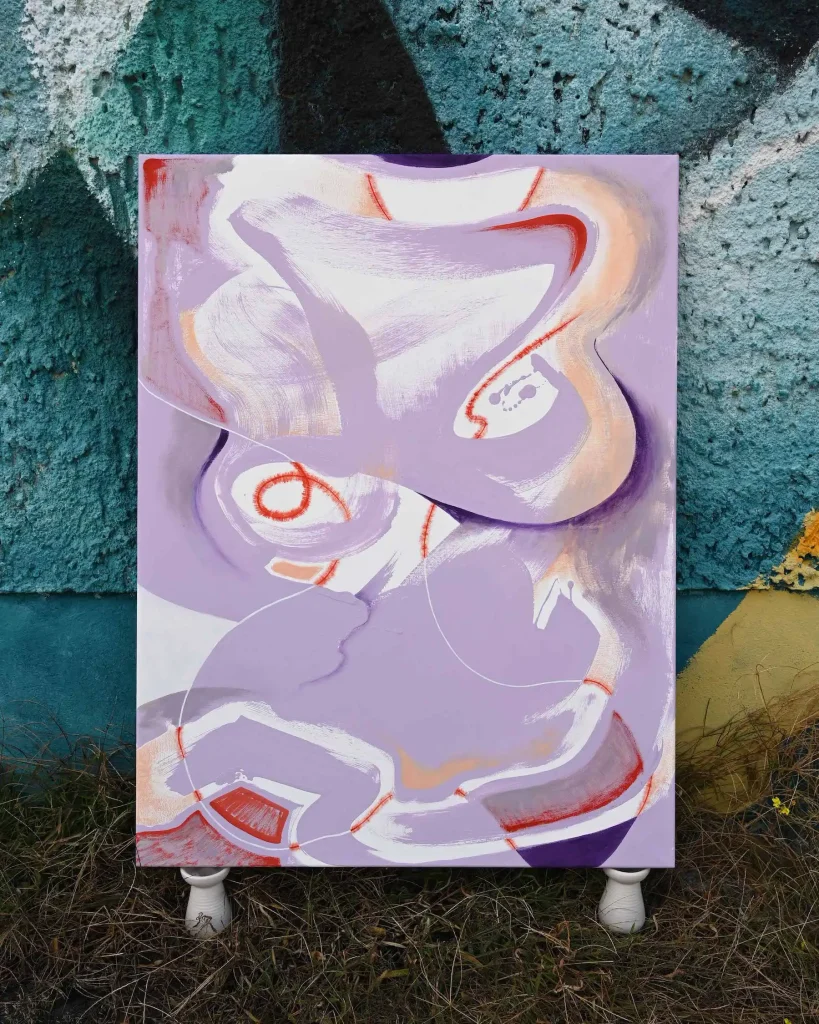
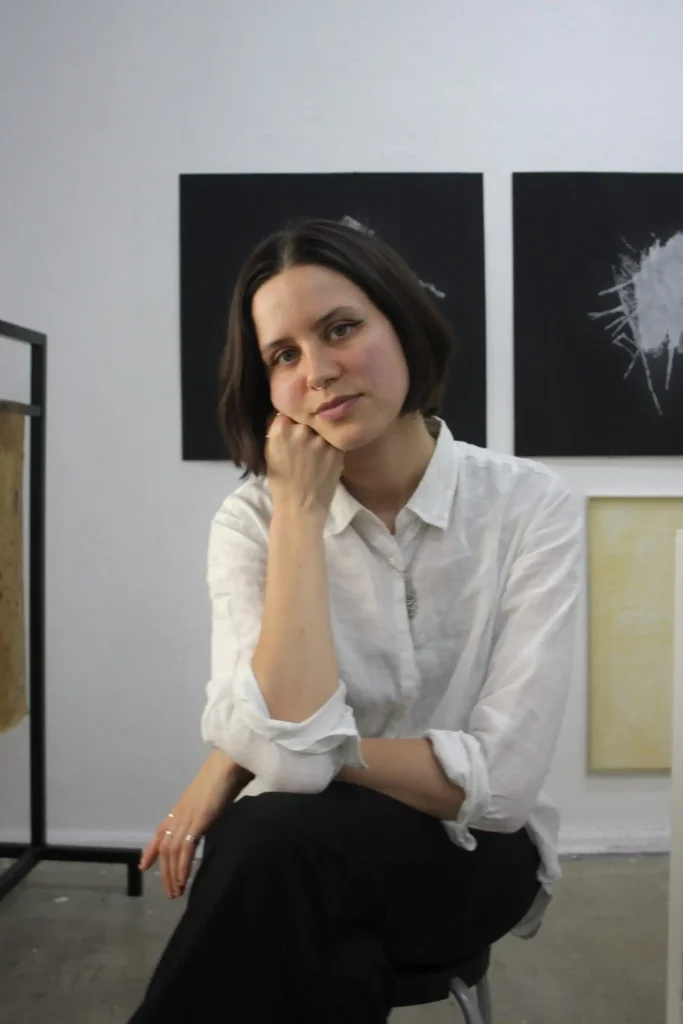
    Eva Busch Verni is a multidisciplinary artist from Chile currently based in Berlin. Her work fluctuates between time-based media, sculpture, drawing, photography, and writing, always with a focus on sensory and sensitive experiences. She explores themes of fluidity, ephemerality, arbitrariness, and eroticism. Her process often uses accessible materials and is informed by the principles of meditation.

    Meet the Artist

    Can you tell me about your background and the project you are proposing for this three-month residency at GlogauAIR?

    I’m an artist from Chile, and I’ve been living in Berlin for about a year. I studied visual arts and aesthetics in university, and I recently completed a certification course in a meditation technique based on jungian psychology. My interests are quite varied and my creative practice is multidisciplinary; I have worked with various materials in my artmaking process, which tends to be quite experimental and spontaneous, and I have also dedicated some time to writing, studying meditation and spiritual practices, teaching, and collaborating in cultural projects.

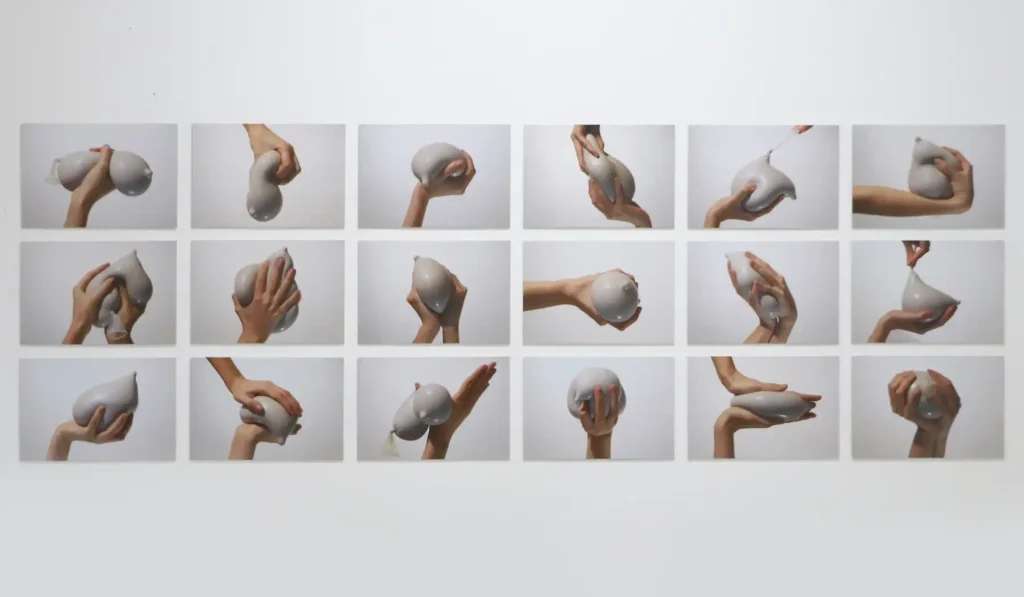
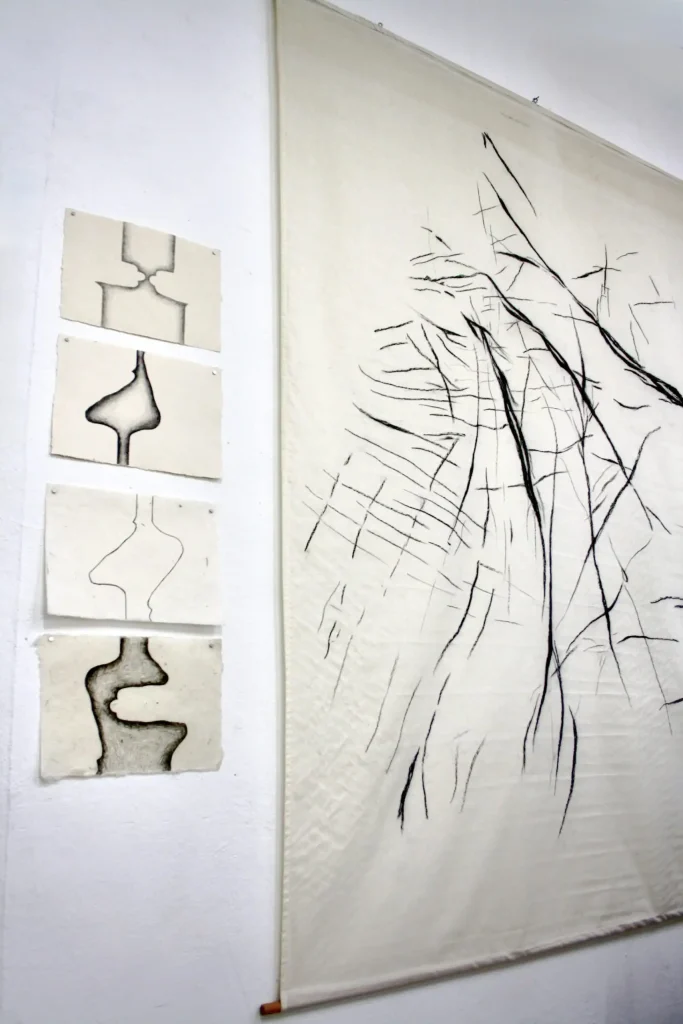
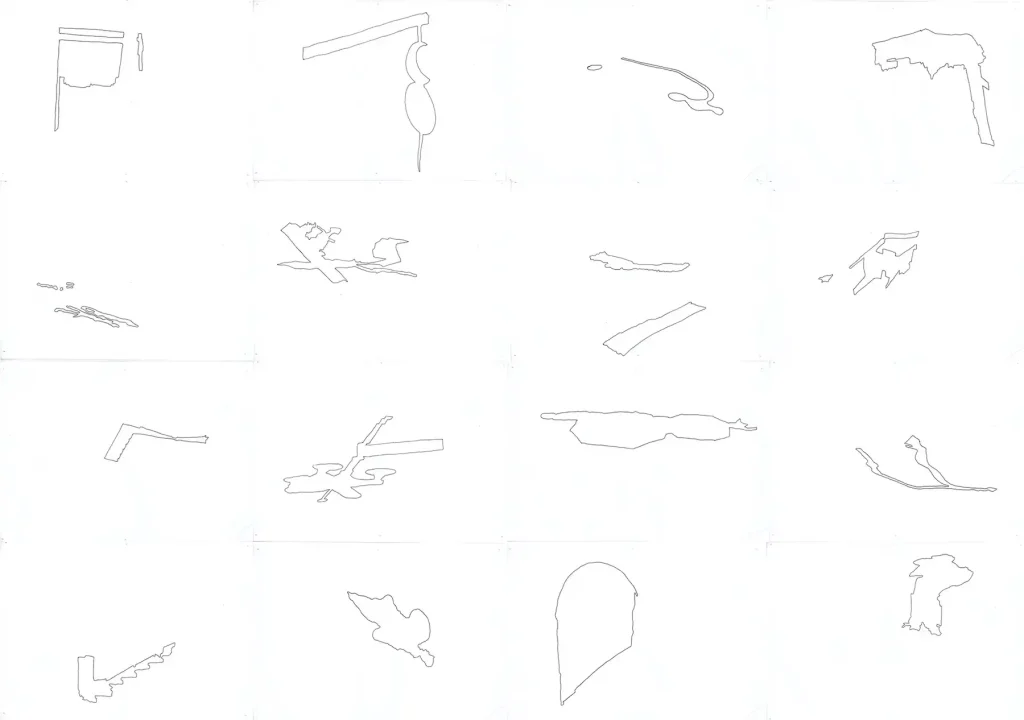
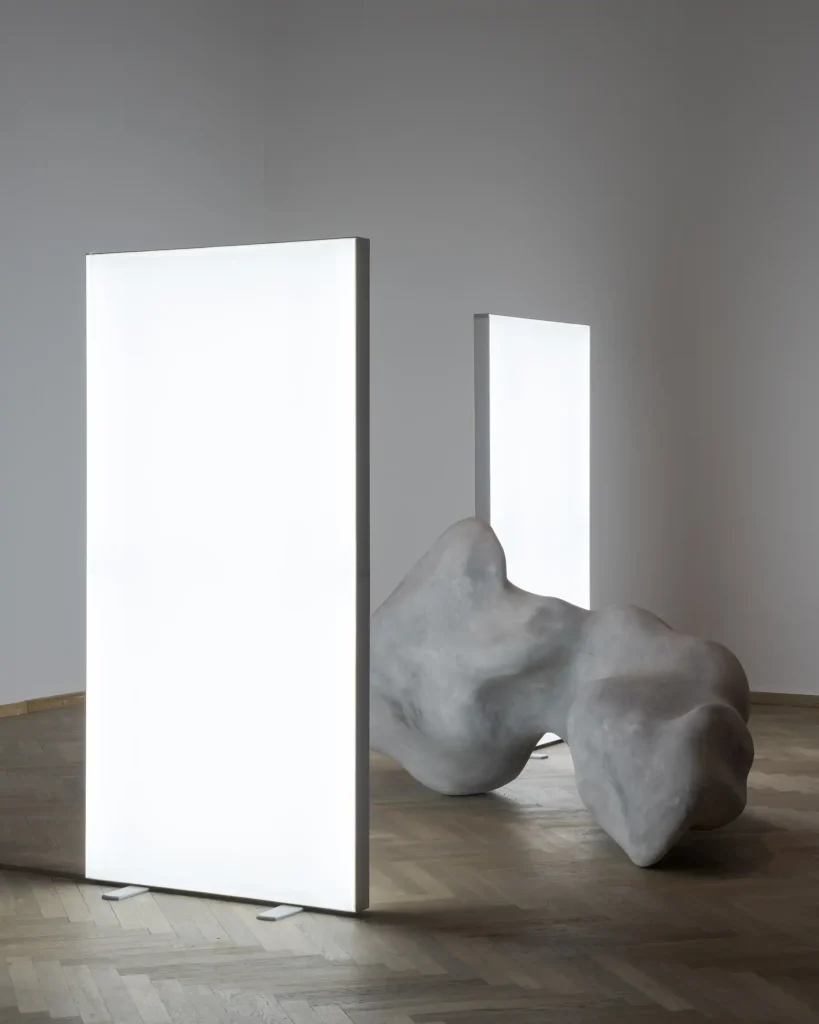
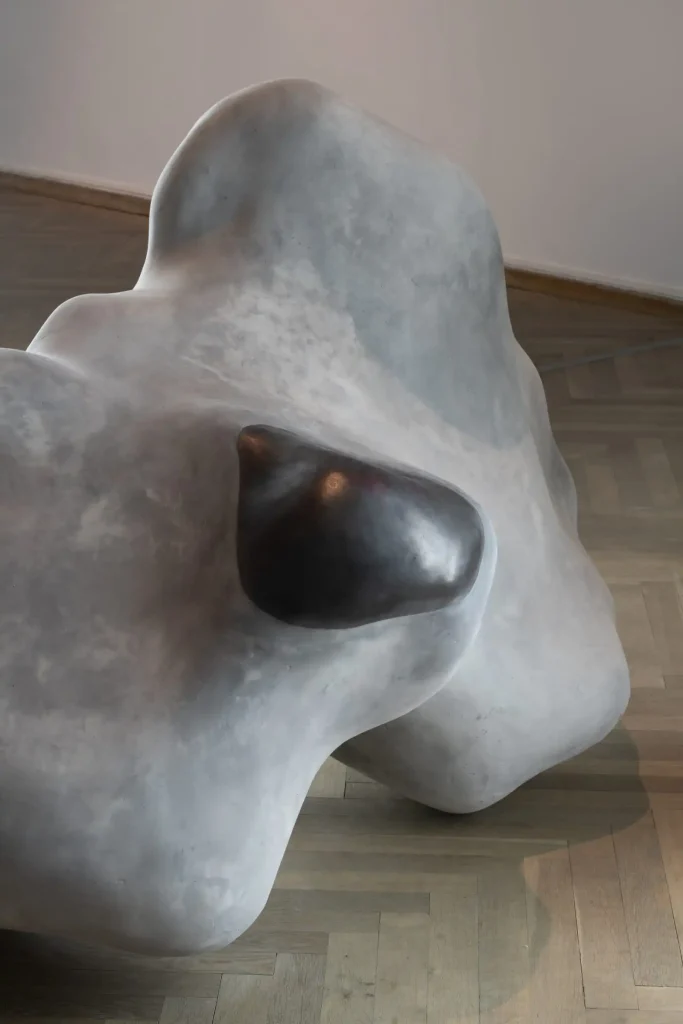
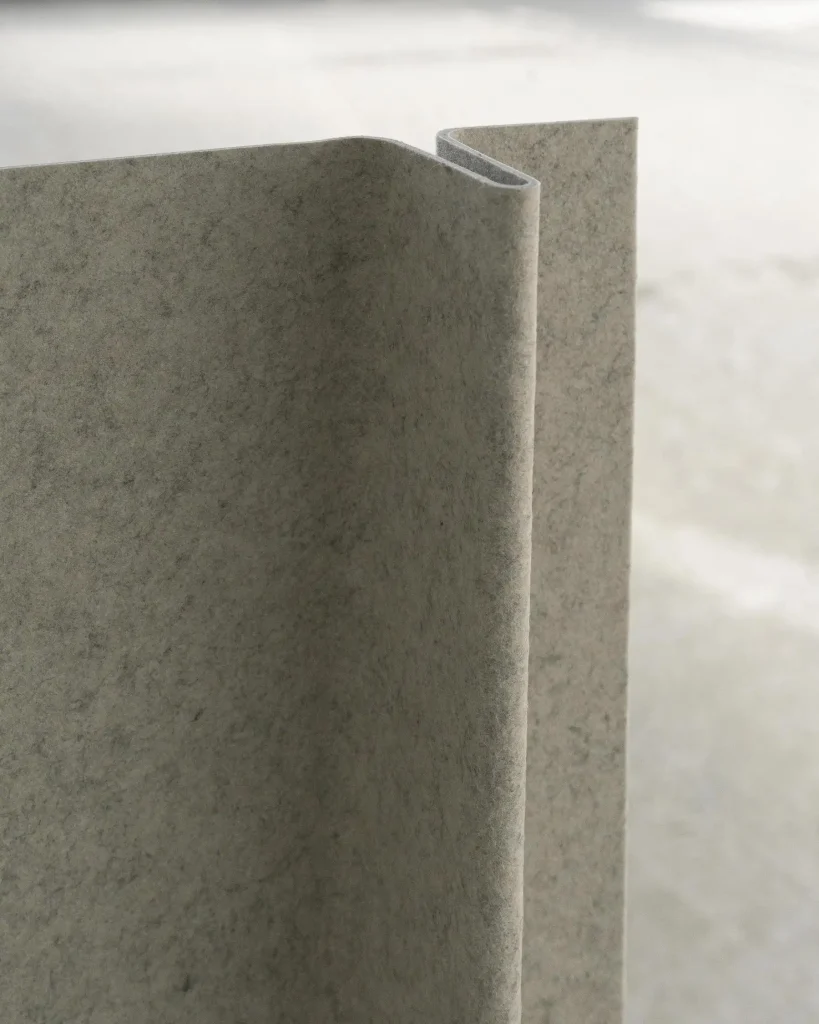
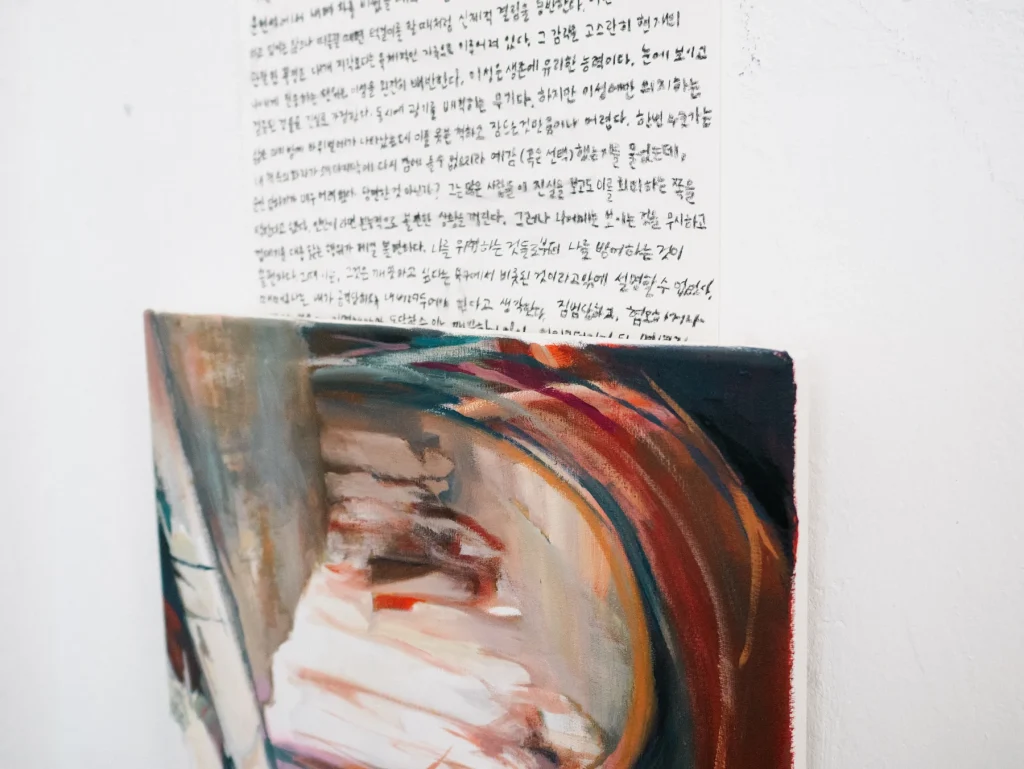
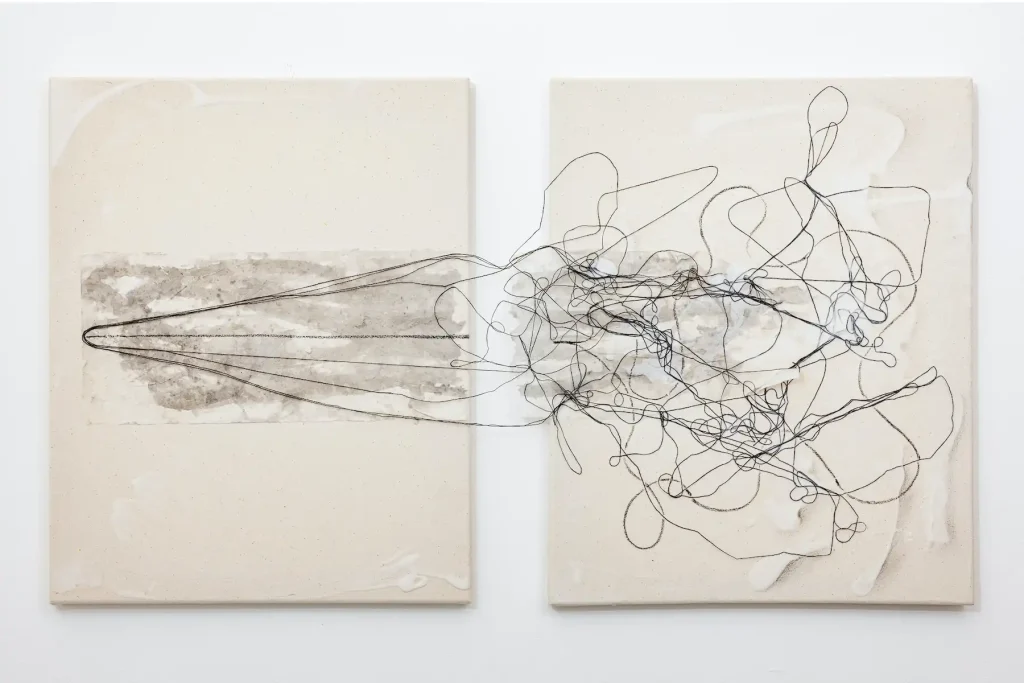
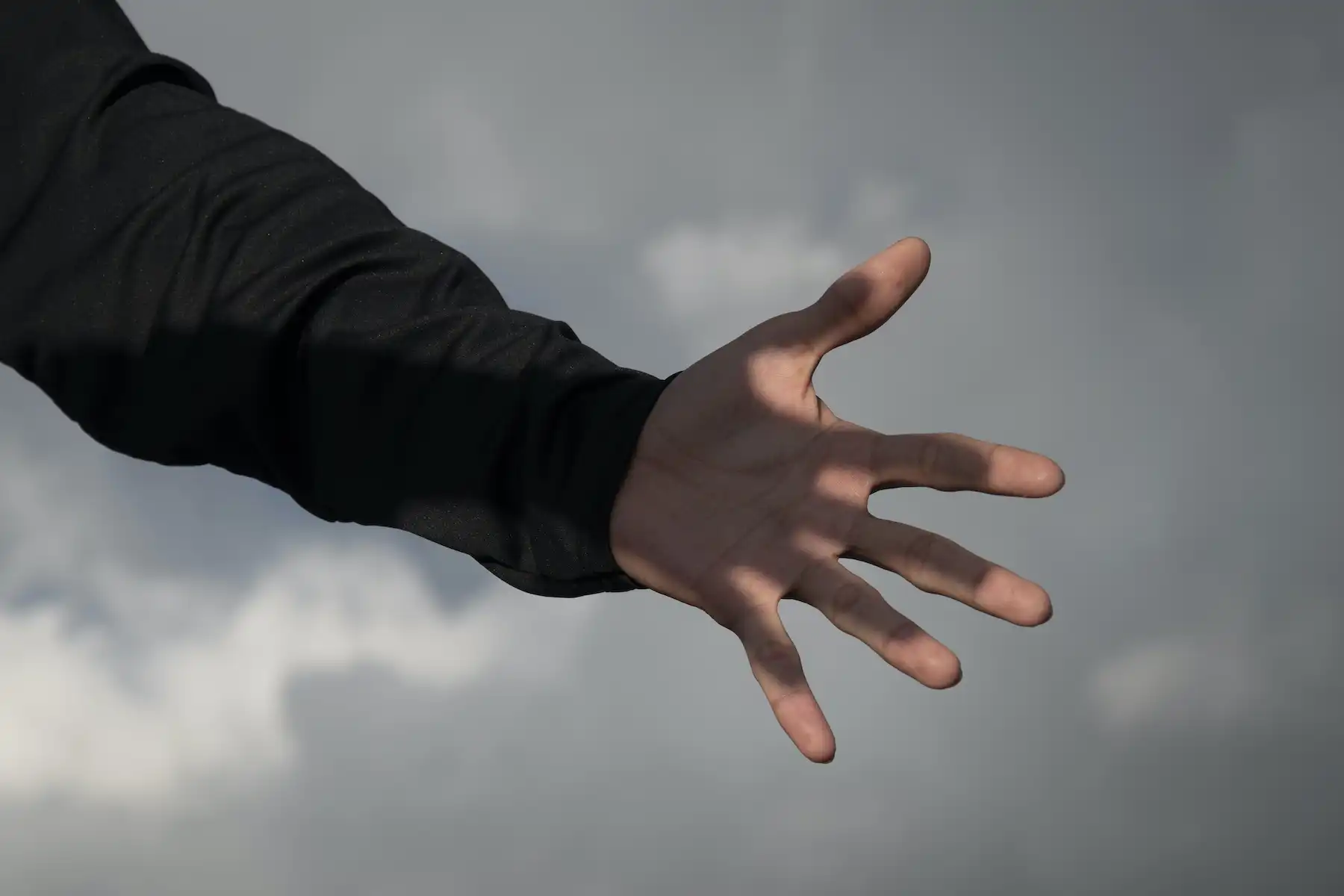
    For my project at GlogauAIR, I’m mainly working with latex. I’m quite interested in its flexibility, its transparency and how it absorbs textures from different surfaces. It’s quite a versatile material, and I’ve really enjoyed working with it. As a parallel investigation, I’m also exploring the symbolism of hands. I’ve been doing drawings of palm lines, silhouettes of hands and the empty space between them, playing with composition, contrasts, and transparencies. Hands have been a recurring symbol in my personal imagery for a while, but I’m only now working with them more explicitly. These two investigations converge in the concept of skin: the boundary between inside and outside. Ideas of imprints, traces and vestiges are central in my current practice as well.

    In your residency project, you described skin as a permeable membrane, and you speak of exploring boundaries and limits. Could you share how this idea has begun to materialize in the pieces you’re working on?

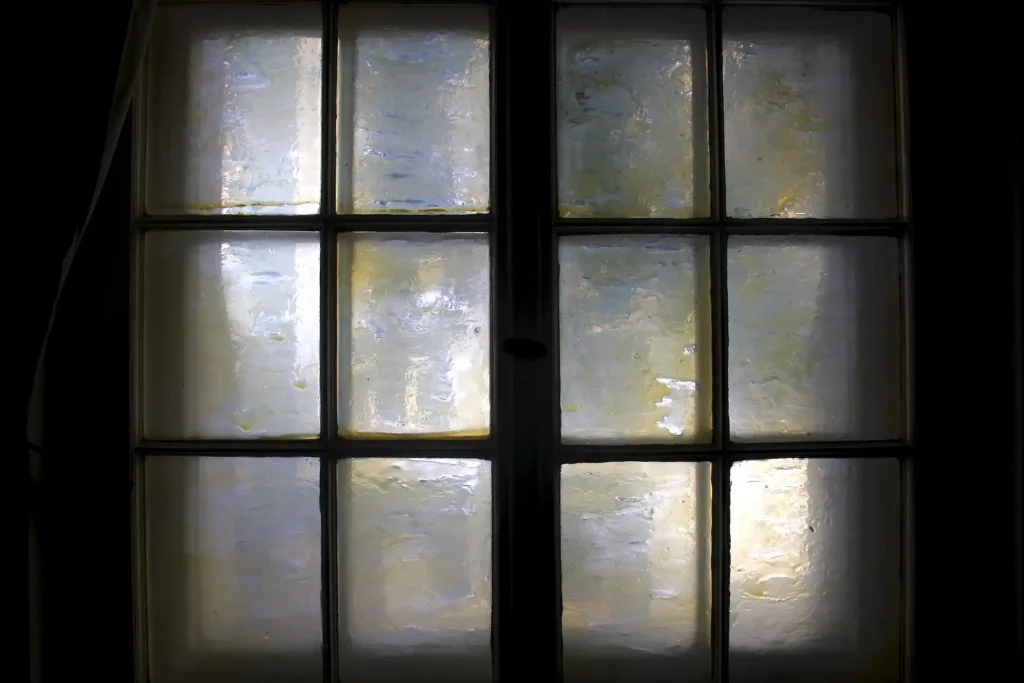
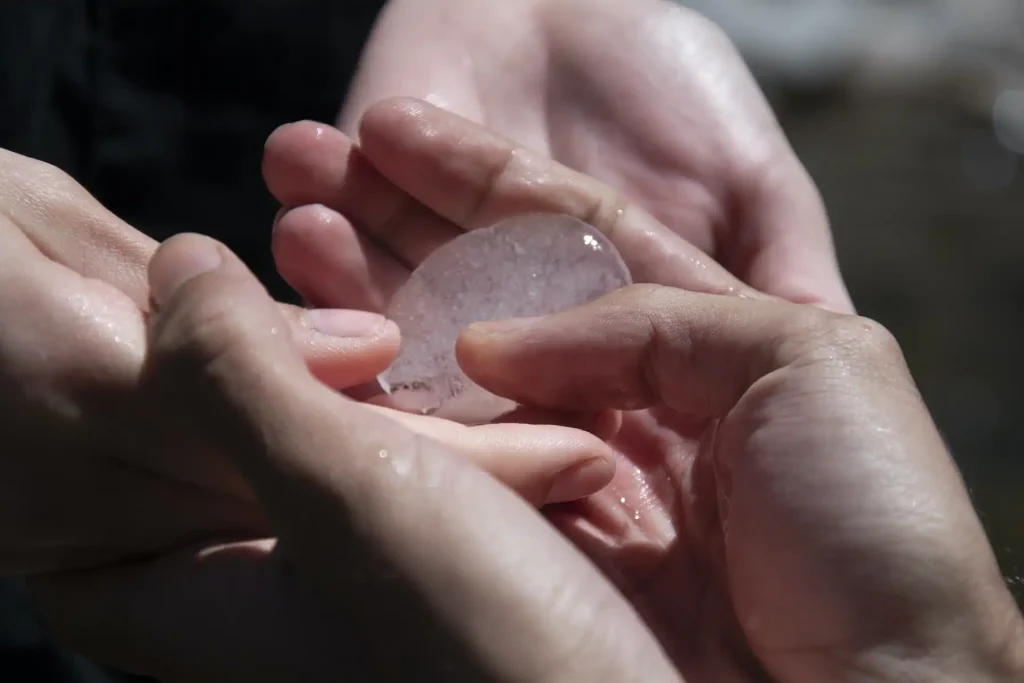
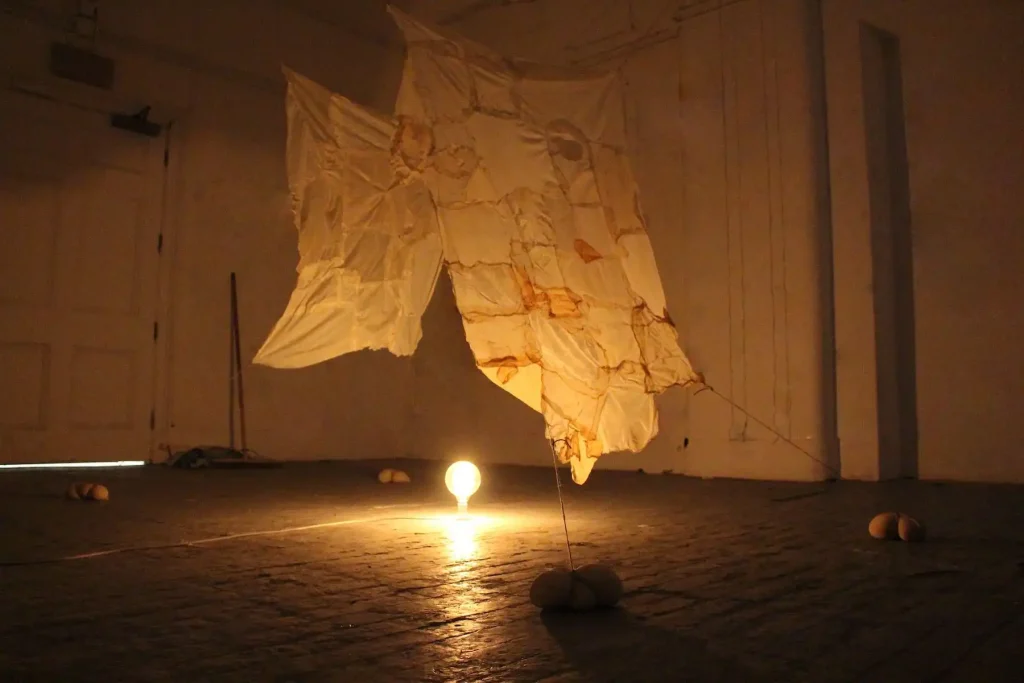
    This idea of working with the permeability of skin was quite intuitive and visceral at first, so I wasn’t sure how it was going to physically materialize in my work. As I’ve been exploring with latex, I think boundaries and limits have become visible in its relationship with space and light: how you can see through the material, how light affects artworks and expands their size beyond their physical limit, and how latex relates to its environment as well – especially in the work I did for the showcase window, where I took the imprint of a texture from the street. What the latex absorbs into itself in its liquid state when it’s put on any kind of surface is technically the “skin” of that surface, which I find quite interesting. If I put the latex on the sidewalk and peel it off, I’m taking the skin of the street, and anything that may fall on it from above also has to do with its direct environment. Physically it quite resembles skin, too; it’s mostly a tactile exploration.

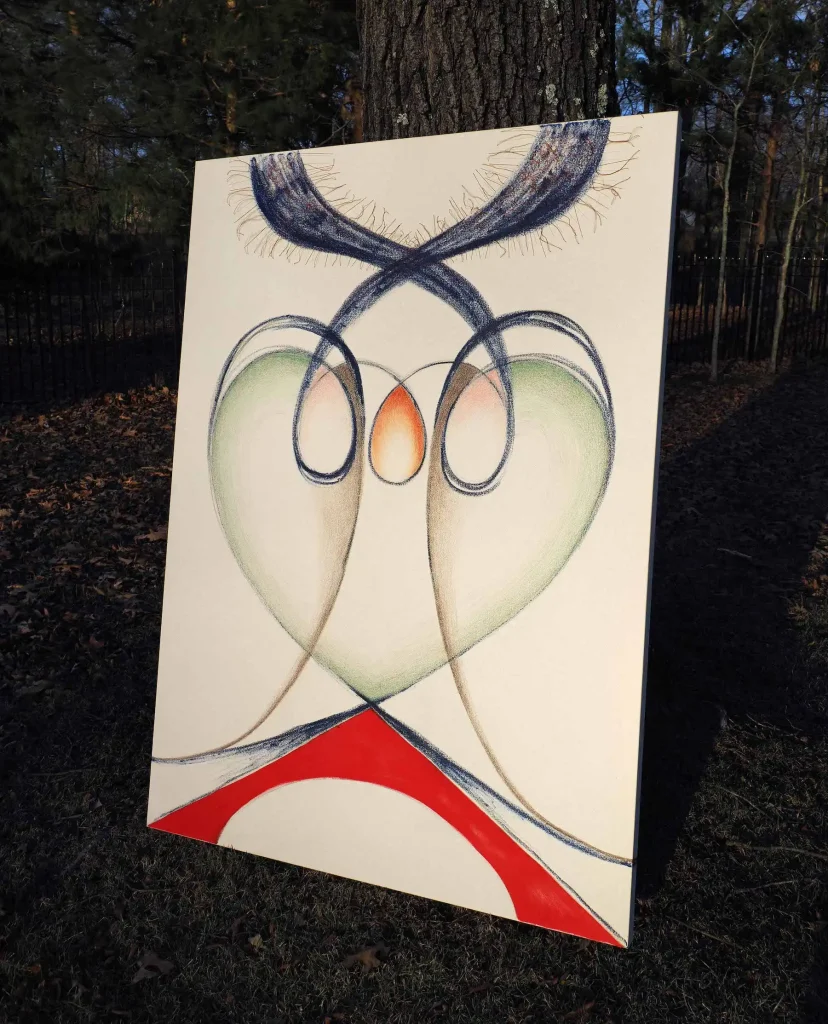
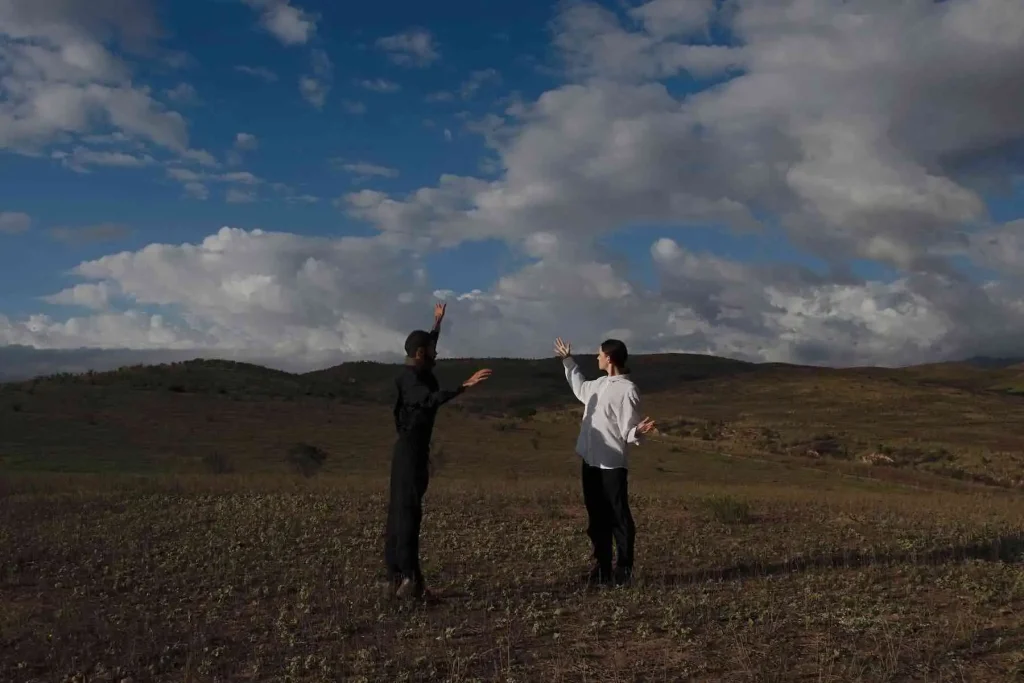
    The work I’m doing with hands is a bit more graphic and conceptual. Our sense of touch is one of our most important ways of interacting with the world, and hands are the main parts of the body with which we do this. With them we create, we learn, we give and receive, we communicate, we heal, we touch and we express. They are both an input and an output, like a membrane between ourselves and the other. They also have countless meanings associated with them. In Eastern philosophy, for example, especially in Taoism and Traditional Chinese Medicine, the center of the hand is a very important energy point, which I have referenced in one of my artworks. In some of the drawings where I’ve used images of hands, I’ve focused on the spaces between them, pointing to the space of encounter and relationship; the energy that is exchanged between one skin and another. I think boundaries play a big role here.
    How do you navigate the tension between unpredictability and intentionality in your current work? Is there a balance that you’re consciously seeking or the materials that you are using guide that negotiation?

    This is such a good question. I think there’s always an unconscious search for balance, but I find that it’s quite a fragile state, never fully achievable. Tension is an important concept here: you can’t have a work be fully controlled or fully unpredictable, it has to be a conversation between both. The unknown factor keeps it interesting. When I find some kind of balance in my process, I feel like I have to move somewhere else where I do feel tension, something that pulls one way or the other.

    I sometimes imagine my process as being in a dark room, something I have to find my way around. It feels unknown to me at first, and a little bit unpredictable. I need to feel my way through touch and intuition, slowly finding my bearings. Then my eyes start adjusting to the darkness and I start to see where I’m standing, making sense of the space around me. That’s what creative process often looks like: it begins with a small intuition, or something that sparks my interest, and only once I start going into the work, I begin to “see”.

    In that sense, the element of play is quite important: being able to play with materials, images, ideas and things that spark my interest, usually because I want to see how something looks and works. With the materials themselves, I think there’s always negotiation between what I’m able to control and what the material then gives me, especially with fluid materials such as latex or plaster.

    In exploring things like desire and change, are you drawing from inner narratives, collective experience, or both, and how do these layers coexist in your artistic process?

    I would say it’s a combination of both, because personal experience is never completely isolated from the collective, but the starting point of my work is usually an inner narrative, or my own experience within my environment.

    The themes of desire and change have been very present for me, both in my art and in my personal life. I approach them from a place of questioning and interest: how I relate to my own desire in interpersonal relationships, how change plays an important part in my life, and how my experience in my body can be translated into art. When there are things I don’t quite grasp, they tend to make their way into my work, even if it’s not entirely intentional.

    I usually feel like I’m in conversations with the work I make: something comes out of me because it needs to, and it speaks back to me afterwards, like a kind of echo. It gives me hints about some underlying themes that surface in my work. If desire and change are not clear elsewhere, for example, they begin to resolve as I explore them artistically. It’s quite intuitive, and I start seeing the links between my inner world and my art after the work is already there. I often start with an interest in specific materials, a small idea or an image, and I understand the motives later.

    Regarding the collective, I do think personal experiences can be shared, and art is a very good example of this. Something that feels intimate and obscure can be shared with many other people, even in unspoken and private ways. When talking about change, the body’s relationship to the environment, the permeability of skin, I feel like the process of migration has played an important role. I’ve lived in a few different places in my life, which has affected my way of being in the world and relating to my surroundings. Most recently, moving to Berlin has been a very intense and emotionally charged experience. Maybe that’s a more indirect theme that comes out of my work; but I think moving between places, to me, has made the exploration of skin, boundaries, and bodies more important and necessary. It’s like trying to find a sense of home in your own skin when you’re moving around, understanding how it always changes and how it’s affected by the environment.

    Statement

    Eva Busch Verni is a multidisciplinary artist from Chile currently based in Berlin. Her work fluctuates between time-based media, sculpture, drawing, photography, and writing, always with a focus on sensory and sensitive experience. Her approach to artmaking is playful and guided by curiosity, exploring themes of fluidity, ephemerality, arbitrariness, and eroticism.

    Eva’s work stems from the desire to observe and engage with phenomena that are within reach, noticing details, subtleties, and transformations over time – both internal and external. She uses accessible materials to translate these observations into artistic expression, posing questions about how we see and perceive. Her process is often informed by the principles of meditation: attentiveness, silence, an opening of the senses, and an acceptance of the complexities of embodied experience.

    GlogauAIR Project

    The project I intend to develop at GlogauAIR consists of an exploration of flexible and fluid materials, particularly liquid latex rubber. I feel drawn to its skin-like quality, semitransparency, adaptability to textures, and transformation from liquid to solid.

    Thematically, I am delving into the shifting and subjective experience of the body, thinking of skin as a permeable membrane between inside and outside. I am interested in edges, boundaries, limits, and how far they can be stretched; the intimate body (sensual perception, flesh, desire, subjectivity), and the body in context (home, uprooting, discomfort, change, the spaces we inhabit and how they affect us).

    As I enjoy leaving room for unpredictability in my work, remaining porous to my surroundings and allowing intuitive processes to guide my practice, the themes and ideas for this project remain open-ended.

    CV Summary

    EDUCATION

    • 2024. Certification program in Psychoplasticity (Programa de Formación en Psicoplástica)
    • 2020–2021. Bachelor’s Degree in Aesthetics. Pontificia Universidad Católica de Chile
    • 2016–2020. Bachelor’s Degree in Visual Arts. Pontificia Universidad Católica de Chile
    • 2018. Academic exchange: BA Fine Art. Slade School of Fine Art, University College London

    RESIDENCIES

    • 2025. GlogauAIR Art Residency. Berlin, Germany
    • 2025. Residencia Libro Ilustrado Chiloé. Ancud, Chiloé, Chile
    • 2021. Residencia Artística Raíces, Policarpo Cultural Center. Aconquija, Catamarca, Argentina

    AWARDS, EXHIBITIONS & FAIRS

    • 2024. First prize (sculpture category), Stgo Arte Joven: 24°. Collective exhibition in La Moneda Cultural Center. Santiago, Chile
    • 2023. Honourable mention, XVI MAVI UC LarrainVial Young Art award. Collective exhibition in Museum of Visual Arts (MAVI). Santiago, Chile
    • 2023. “Sílabas de Piedra”. Exhibition in Escuela Chilena de Folclor y Oficios. Santiago, Chile
    • 2023. Tinta Arte Impreso. Art fair in Campus Oriente UC, Santiago, Chile
    • 2021. Fábrica Abierta. Art fair in Centro Perdido. Santiago, Chile
    • 2021. “La amistad es cosa seria”. Duo exhibition with Hamid Burgos Velázquez. Policarpo Cultural Center. Aconquija, Catamarca, Argentina

    PRINTED PUBLICATIONS

    • 2025. One Day. Self-published at Chiloé Illustrated book Residency.
    • 2023. Brief manual for everyday meditation. Self-published.
    • 2023. “Voices of Motherhood”. Holding up the Ceiling: Explorations on Art and Motherhood. Ediciones Metales Pesados
    • 2022. “Des/aparecer de Paula Anguita”. Cuadernos de Arte, Nº25
    • 2022. “Quien fuera pájaro sobre las olas”. Revista Ciénaga: Ficción y actos ficcionales, Nº04
    • 2022. “Sombras en diálogo”. Revista Poros, Nº01

    WORK & PROJECTS

    • 2020–2025. Carta Seis. Personal illustration project
    • 2023–2024. Production, curatorship and content creation at Chilean School of Folklore and Crafts (Escuela Chilena de Folclor y Oficios). Santiago, Chile
    • 2021–2024. Co-editor of Poros Magazine. Santiago, Chile
    • 2022–2023. Guest artist-teacher at NubeLab Foundation: Laboratory of creative processes for education. Santiago, Chile
    • 2017–2023. Assistant Teacher in university courses: Faculty of Art and Institute of Aesthetics, Pontificia Universidad Católica de Chile

    Gallery
  • Hedvig Greiffenberg

    Hedvig Greiffenberg

    Hedvig Greiffenberg is GlogauAIR resident
    from April, 2025 to June, 2025

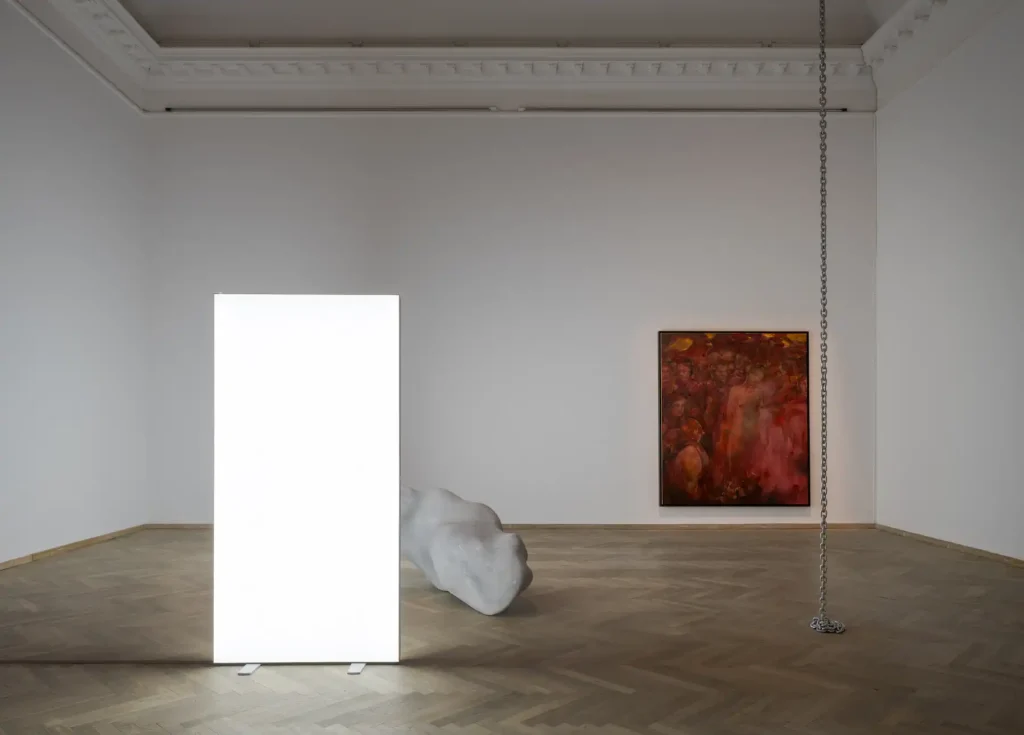
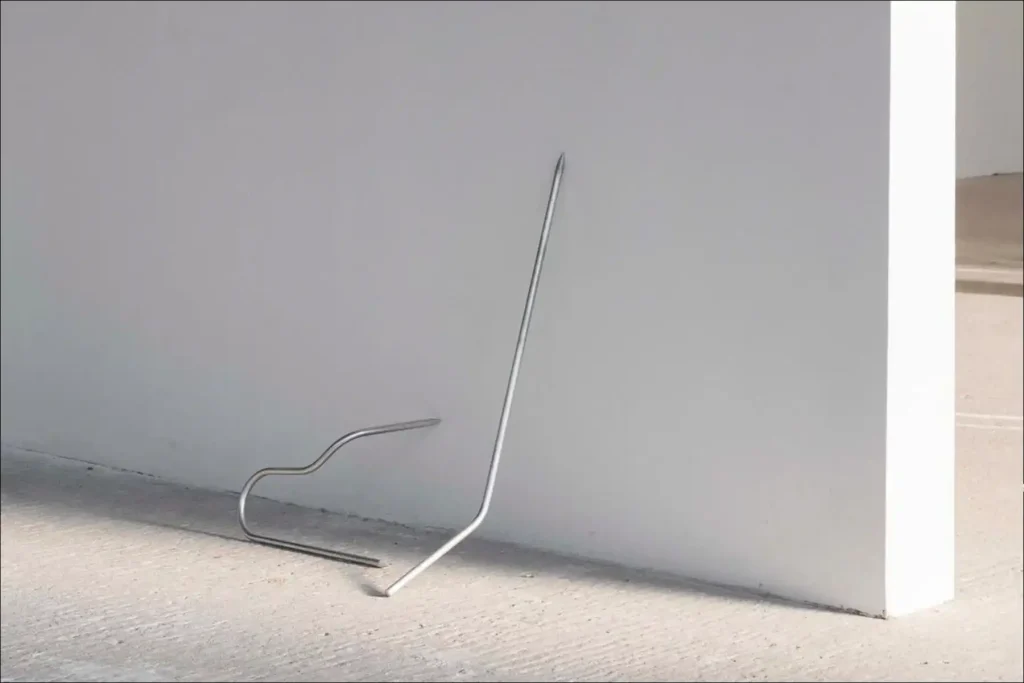
    Hedvig Greiffenberg is a Danish artist who mainly works in sculpture and installation. Interested in composition and semiotics, Greiffenberg works with unstable and composed figuration, exploring questions related to knowability, transformation, and blindness. Through her work, she investigates epistemological borderlands, fragility, and readability in a sculptural-poetic context examining how the gaze shapes the world.


    Meet the Artist

    Could you tell me about your background and the project you are proposing for this three-month residency at GlogauAIR?

    I am a sculptor from Denmark, and I finished my MFA in Copenhagen last year. I came quite late to art, I would say. Growing up I had no inclinations to be an artist, I didn’t see myself as an artistic person at all and I wasn’t interested in drawing or painting or anything. Art was my least favorite subject in school actually. If my art teacher knew I was an artist now, I think she would really be shocked.

    So when I grew up I went to university to study the history of ideas for a couple of years, and it was fun for a period of time. I was especially interested in some of the thinkers of the 20th century who were dealing with questions related to phenomenology and epistemology or structuralism and semiotics. Even to this day these are subjects that I am interested in and stuff that poses questions that feed into my sculptural practice.

    At some point I just got really sick of the way academia works and lost interest in writing essays on what someone had written or thought and to quote them correctly in order to make a point. To be honest I think I was more interested in my own thoughts at that time, so I dropped out.

    It was about that time, I think only a year before I went into the art academy that I actually started thinking about art as something that made sense for me to work with. It was such a relief to leave language and “truth” behind when I began making art. It felt so happy when I first started working with sculpture, it was like cheating the system in a sense. Being able to answer the questions instead of answering them. Art was for me a way of giving play or space to some kind of ambiguity that I really missed in academia, and a way of working with thinking about stuff in a subtler way that includes your body as well, and not having to eradicate all doubt in order to make a strong argument.

    I have this elementary problem with language, I guess, coming from academia and also having a background in poetry and writing. Language is for me an image of how humans need systems of categorization and binarities in order to make sense of the world. Language creates the world for us, makes the world knowable to us. But it has a violence to it, because through these categorizations a lot is left out. I think I see language as this huge net that holds the world. This need we have to categorize in order to make the world knowable is at the very core of my practice. In my work I am very concerned with investigating signification and readability beyond language.

    My project for GlogauAIR was initially about wanting to somehow work asemic writing into some new works. Asemic writing is this kind of writing that is empty of meaning, almost more of a drawing, but it looks like writing. So when you encounter it, it looks like words or sentences and you think that you can read something from it, but actually it’s completely empty. Asemic writing is for me signifying the act of reading itself in a way.

    But when it came down to it I couldn’t really get myself to actually make these asemic drawings or texts. I think it’s because the strategy of asemic writing is very similar to the way I have been working formally in my sculptures for a long time. I have been working a lot with the unreadable object, signifying some kind of epistemological threshold, an empty signifier so to say. I’m in a place right now where I’m not so interested in that. I feel like I’ve exhausted the aesthetics of the unknowable figure in space and while being here I’ve been working with sculpture in a very different way than I have in a long time.

    Can you talk about how your sculptures come into being and how your work has changed since being here at the residency?

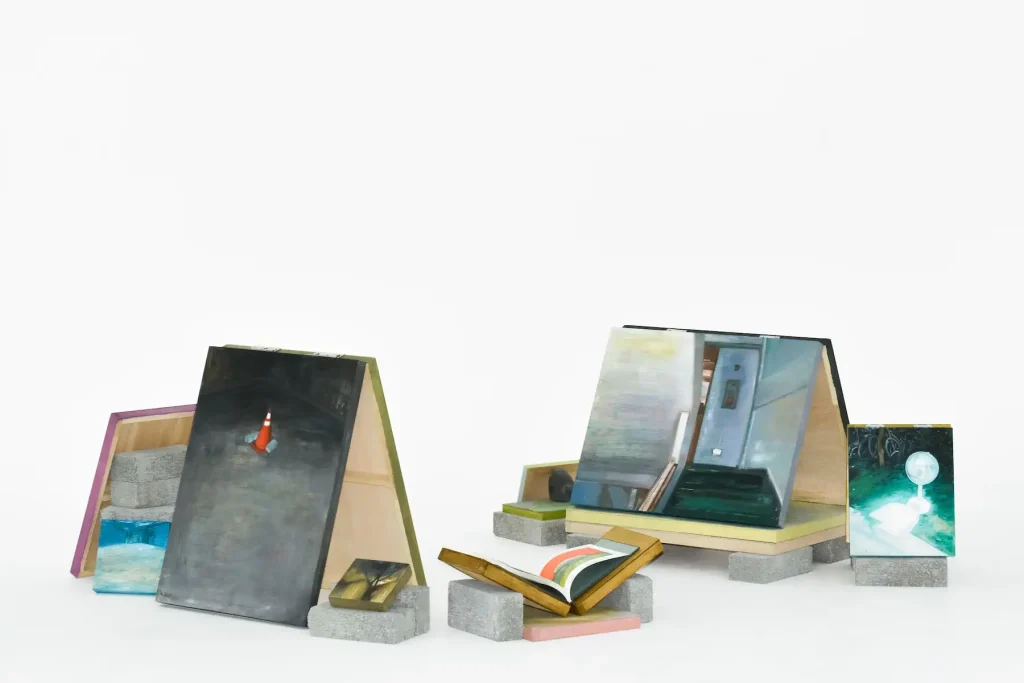
    Yeah, so I feel like I’m working with the same questions that I’ve been working with before in my sculptural practice, but I’m asking the question differently. I have moved from working with these very abstract sculpture bodies that are very ambiguous, like an unknowable mass, to asking questions on how we read the world, and what happens when we are encountering something that we can’t immediately read. Mainly because the unreadable stretches the moment in time in which we try to decipher something – it points to the action of reading. In my work I tend to try to “keep the door open” – create a moment in time, where the sculptural object makes a hole or an opening in our cognition, puts it on pause and makes us realize that we try to read something, because there is a resistance.

    Being here, I have been approaching this question in a different way, where instead of having this weird object, I take objects that already have some kind of semantic relation to the world, objects or materials that kind of say something about how we read them usually, but by putting them together, you can ask questions about how that knowledge is coming into being and somehow push the way they are read. I feel like the question that I’m interested in is the same even though my approach is very different – I realized that I don’t need an unreadable object to ask questions about readability. By putting things together that come from different places or have different associations you can also center the violence of the categorization, or maybe even, through these combinations, create new pathways and meanings.

    I’m thinking that putting things together in this way is a way of working with sculpture in the same way that I work with poetry. I think by putting things together, they shine a light on each other in a way. The materials transform each other in the meeting, like words in a poem. This strategy of combination It’s not like it’s completely new, but it’s in a bit of a different way. I’ve actually been working with putting things together, both in my sculptural work, but also in other ways. For a number of years, I edited a magazine for literature, which is very much about putting things, or in this case texts, together. I’ve also been running an exhibition space in Copenhagen with some friends. Curating is very much also about how to put things together I think. So I guess it is something that influences different spheres of my practice.

    While being here I’ve also integrated little elements of drawing into my sculptural work, which is very new. I think it might be a remnant from the asemic writing project. It is the kind of drawing that isn’t figurative in any way but more an exploration of the trace or the drawing as something that has rhythm, it feels almost musical but I’m actually not really sure about how to think or talk about it yet.

    I think being in this residency has really opened a new door in my practice, because of being away from home I do things differently. I didn’t bring any materials with me so I had to start from scratch, and that made me approach my work in a different way.

    Your work often engages with the tension between knowability and transformation. How are you seeing those ideas unfold in your current exploration of the space between sculpture and writing here at GlogauAIR?

    I’m generally interested in how we perceive the world. Also as a sculptor, I’m very interested in how we bodily meet something in space, and how, even though it’s not through the language system, that we kind of have ways of signifying or understanding how things are signified. In this work here, I’m trying to point to the knowability of what we already know, and the different semantics of the materials. Like, how an object is understood, and how that can shift a bit when you put it into another context.

    I feel like in some of these works that I have made here, it’s also very much about how something is framed, or how the gaze is shaped and held by context.

    So, philosophy and literature are key sources of inspiration for you, as you have said. Are there particular texts or thinkers influencing your process right now, and how are they transforming your current approach?

    I keep returning to the Danish poet Inger Christensen. She’s my favourite poet, or one of them at least. I brought a book of her essays with me to Berlin to read it again while I’m here and it’s just so wonderful. She writes so well, and her thoughts really resonate a lot with how I understand creation. Her essays are about many different things, like math and silk and nature, but it’s somehow all about how language relates to the world. In one of her essays there is this really beautiful paragraph. I think I’ll just read it to you, it’s in Danish so I’ll try to translate it. Okay, she writes here: “I want to influence blindness. I see it as the writer’s job to construct a sign system that transmits blindness. I see it as the writer’s job to engage with the impossible, the incomplete, what is outside”.

    I think what she tries to point to here is a question I keep returning to in my own practice. How do we make sense of what is outside understanding. How can we grasp or change or maybe even know what is unknowable. I think by “affecting blindness” you become aware that the blindness is there, and that the blindness is created by a system that can actually be changed or just looked at. This section is so beautiful I think, and I can really relate to this feeling of wanting to be in contact with the unknowable, push the boundaries for what we know, or how we know it. It reminds me a bit about something Bataille writes somewhere in Inner Experience, he has this term “a blind spot”, that relates both to a blind spot in our understanding but also metaphorically to the senses, to the eye. In the text he discusses how knowledge usually is created in a specific order, going from the the unknown to the known – we so to say add the things we don’t understand to the things we understand, but some things work the other way around from the known to the unknown, he uses poetry as

    an example as far as I remember, and that this movement is moving the other way from the known to the unknown, from sight to blindness so to say. I think it is a bit similar to what I am exploring right now in these simple compounded sculptures. I feel like I have previously in my practice, worked very much from the unknown to the known, like working with how the viewer would try to add the unknowable mass to what they know, through what they already know about the world. And right now I kind of try to work the opposite way, working more from the known to the unknown, by changing and estranging the known even just a bit.

    Statement

    Hedvig Greiffenberg is a Danish artist working mainly within the field of sculpture and installation. Interested in composition and semiotics, Greiffenberg works with unstable and composed figuration, exploring questions related to knowability, transformation, and blindness. Through her work, she investigates epistemological borderlands, fragility, and readability in a sculptural-poetic context examining how the gaze shapes the world.

    GlogauAIR Project

    For my stay at GlogauAIR I will work on a project investigating the middleground between sculptural representation and writing. With inspiration from philosophy and literature to practical experiments with asemic writing, I will explore how signs come into being and create a new composit of works ranging from casted or other kinds of transposed sculptural material to “flat” explorations of mark making and/or writing.

    CV Summary

    Education

    • 2024 Master of Fine Arts: The Royal Danish Academy of Fine Arts.
    • 2022 Summer School: International Summer Academy Saltzburg.
    • 2021 Bachelor of Fine Arts: The Royal Danish Academy of Fine arts.
    • 2017 Creative writing: Skrivekunstskolen

    Recent exhibition activities

    • “Lost and Found”, Ågalleriet, Frederiksværk – March 2025
    • “Land & History” Magma Maria, Offenbach – August 2024
    • “we thrive somewhere” Albert Contemporary, Odense – August 2024
    • “Thy Alive 2024” – Music festival, Thisted – July 2024
    • “Afgang 2024”– Kunsthal Charlottenborg, København – April 2024

    Gallery

  • Haein Kim

    Haein Kim

    Haein Kim is GlogauAIR resident
    from July, 2025 to September, 2025

    Haein Kim examines the unpredictability and potential of a moving state, either when commuting as an urban laborer or temporarily residing in foreign cities. This practice perceives liminality as a liberation, contradicting the productivity and efficiency demanded in the capitalistic world. Her works function as milestones in undefined spaces, marking her geographical and psychological journey.

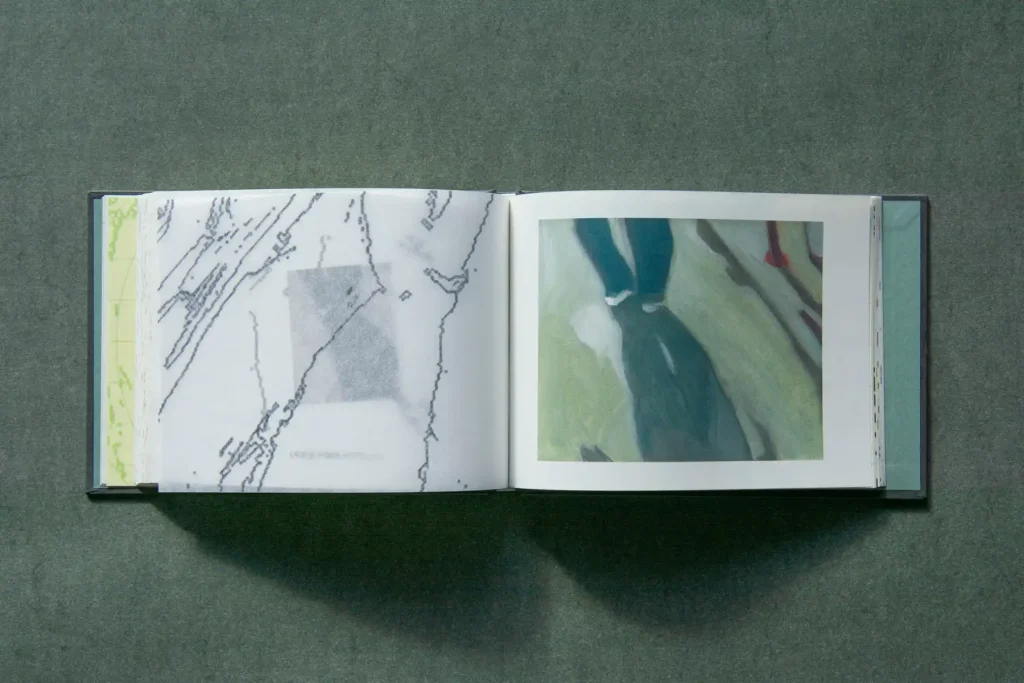
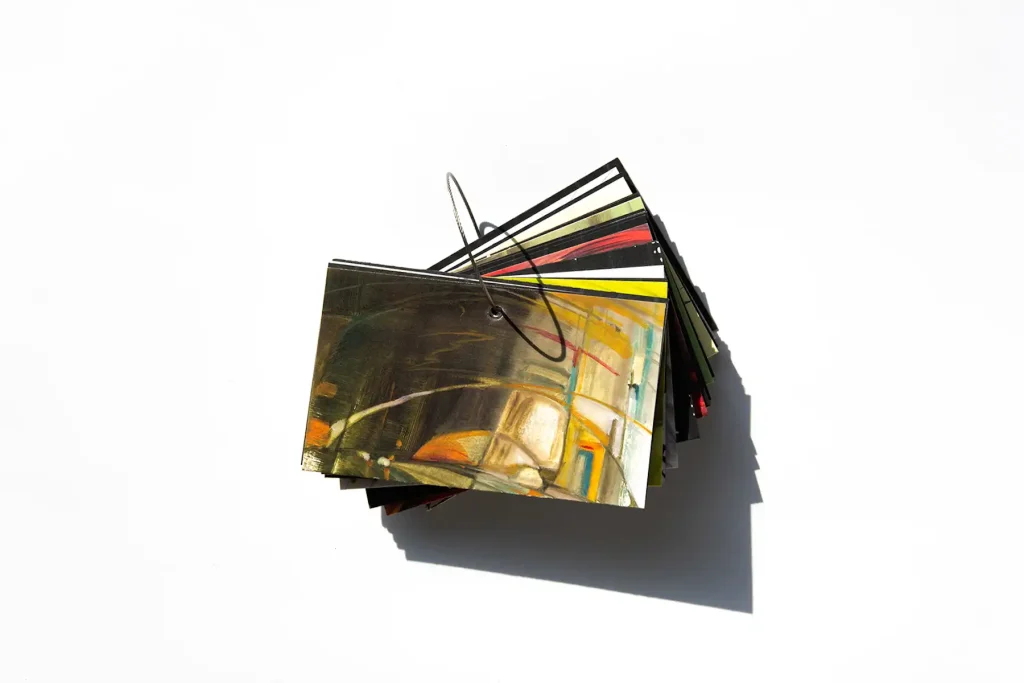
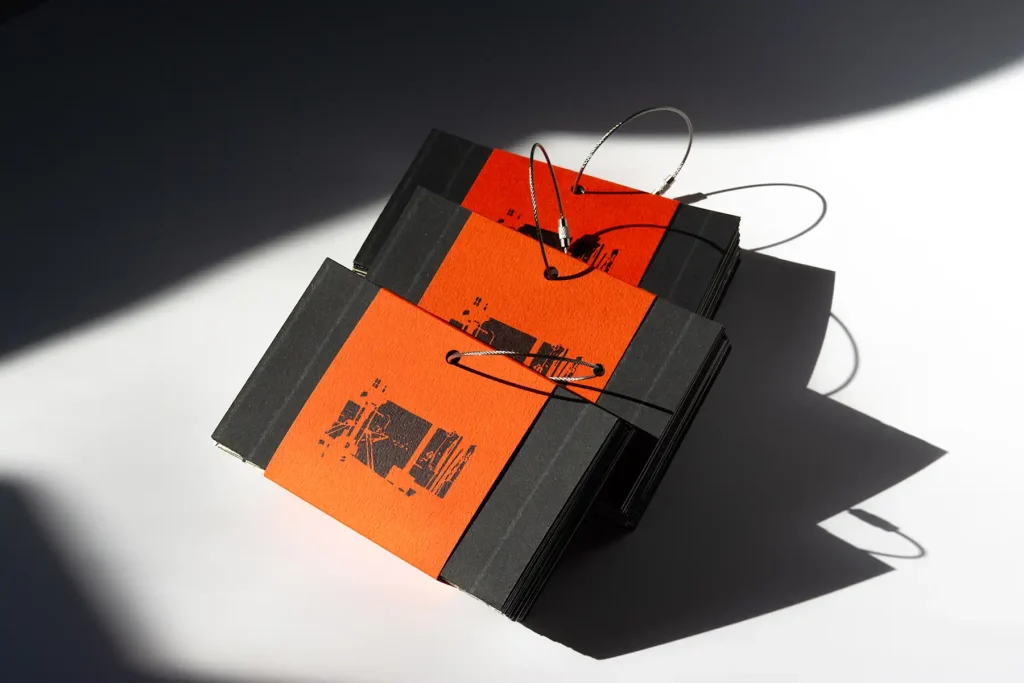
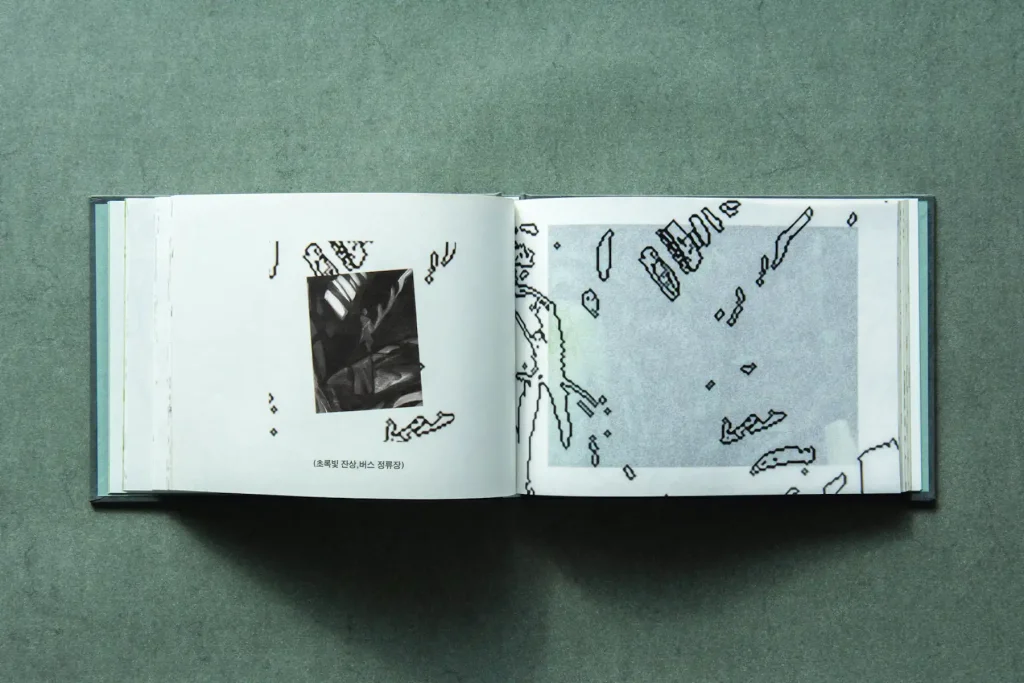
    She paints and writes, then assembles them into artist books. Their materiality takes an essential role in amplifying the concept: she utilizes paper textures and binding formats that resemble the works’ sentiments, absorbing the entire reading experience into the narrative.


    Meet the Artist

    Could you tell me about your background and the project you are proposing for your six-month residency here at GlogauAIR?

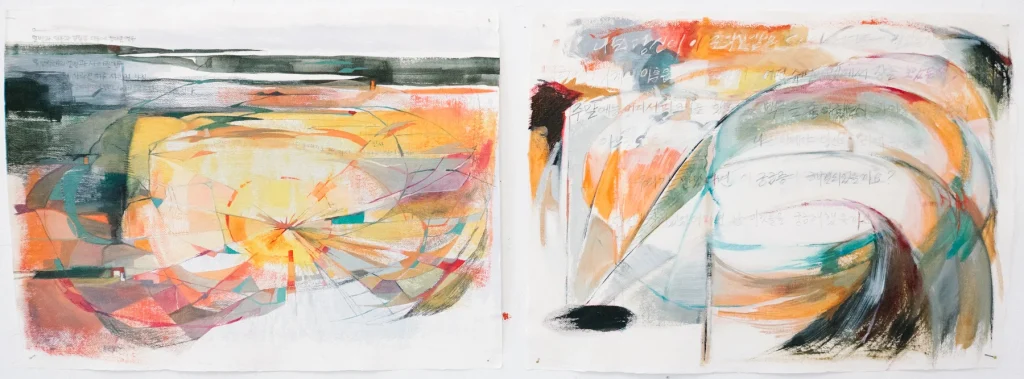
    I majored in graphic design but I’ve always painted and drawn, so most of my previous works are published works like books. I would write texts and draw or paint images and combine them digitally. Now I am trying to apply them directly on paper or larger surfaces, taking more of a painterly approach in terms of medium.

    My previous works mostly originated from what I had observed in my daily routines and familiar surroundings. In Berlin it is quite the opposite. I am more focused on the new stimulus the city gives me, and my current ideas come from this spontaneous input I’m absorbing.

    How are you approaching the exploration of spaces that feel entirely new and unfamiliar for you here in Berlin, in contrast to those that have become familiar to you within your city in Korea? Have you noticed any particular emotions or states of mind that emerge from navigating these new spaces?

    I wouldn’t say Seoul is a chill city – sometimes it feels busier than Berlin – but when you’re in public spaces there is more of a sense of distance. You have this exclusive personal space that no one breaks and comes right in front of you. That’s the atmosphere of my country, but here it’s more intrusive. There are extreme examples of getting cat called or spoken racism but not only that, there is just so much noise and encounters. Also, strangers would abruptly and casually talk to you, as if they are breaking through my personal space. At first I was taken aback and found this rather threatening, but soon after I started to acknowledge this environment and enjoy it.

    At the moment I’m reflecting on these intrusive encounters with people or spaces, because whenever I let people approach me or provoke me, something interesting happens. Usually, if you’re caught off guard in these moments you would take this as very offensive, but when you are consciously examining it, the tension is quite entertaining. My current focus is the relationship between me and Berlin formed by these moments.

    For the Open Studios at GlogauAIR, you are considering presenting your work through printed, painted, written, and possibly performative forms. Could you share more about how you envision these mediums interacting, and how their interplay might shape the presentation of your work?

    Writing and painting were always coherent activities for me because I would add them together in books,but when I do that digitally they feel very separate, even if I try to blend them very well. Now I’m handwriting right on papers without any notes or script, no matter how bad the sentences are, blurting out whatever is in my mind. I think this shares the same approach as when I’m drawing, because I usually don’t spend much time in esquisse. By combining texts and images, I am tryingto discover a poetic rhythm by letting the elements collide. I’m trying to break down their boundaries and see what happens next. Also, I’m trying out a reading performance which is giving me a lot of inspiration, as I’m fascinated by the gaps of languages. When I write in Korean and translate to English, there are inevitable gaps that you have to acknowledge. I started to experiment with them to see how the meaning changes as they go back and forth in the languages. My writings are written in Korean, and I am translating them on the spot as I read aloud, varying the word choices depending on the situation. As I’m proceeding with this project, it becomes more interesting to me in terms of storytelling, because I get to choose the words wisely to make it more fluent and interesting to hear. This activity advises me how to narrate the story, as you have to keep throwing these little “treats” to keep the audience engaged.

    Statement

    Haein Kim lives and works in South Korea. She examines the unpredictability and potential of a moving state, either when commuting as an urban laborer or temporarily residing in foreign cities. This practice perceives liminality as a liberation, contradicting the productivity and efficiency demanded in the capitalistic world. Her works function as milestones in undefined spaces, marking her geographical and psychological journey.

    She paints and writes, then assembles them into artist books. Their materiality takes an essential role in amplifying the concept: she utilizes paper textures and binding formats that resemble the works’ sentiments, absorbing the entire reading experience into the narrative.

    GlogauAIR Project

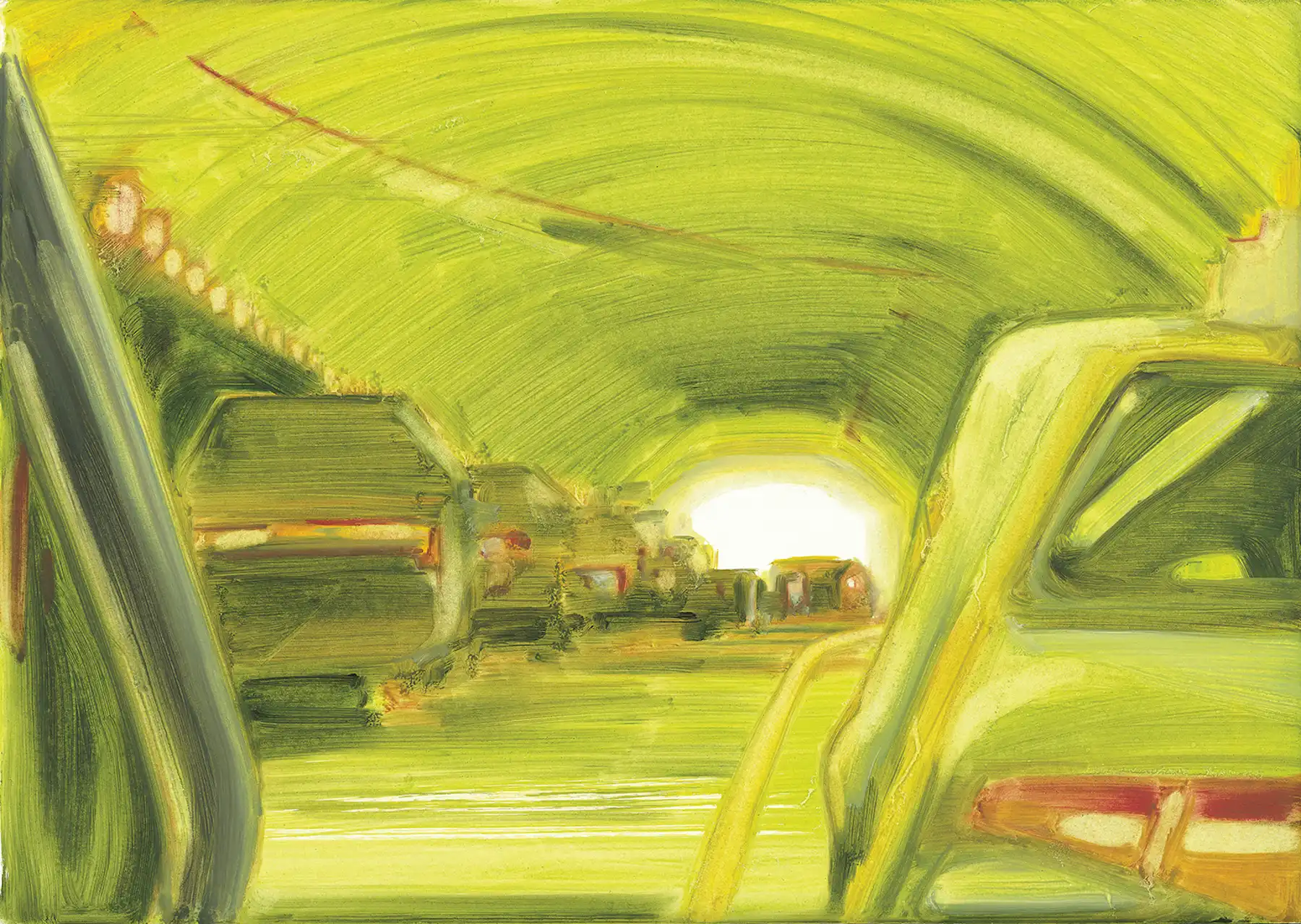
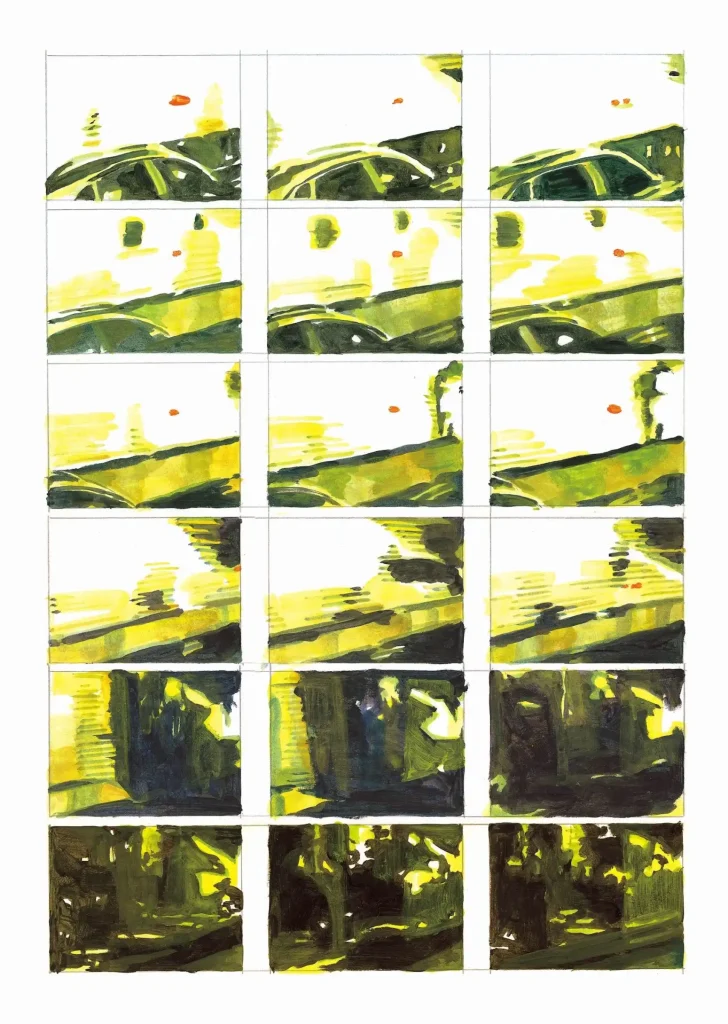
    I will collect landscapes of public transport and the view outside, then remake my recently published work Roadbed. The book depicts a bus journey back in my hometown, whereas its new version would consist of sceneries of Berlin I encounter as a stranger. I will use papers and a binding method found in the city’s art printing scene, taking a site-specific approach to its materiality.

    Simultaneously I will paint these images life-size. They are smaller representations of reality as the vehicles accommodate glimpses of various lives, yet I will also explore their abstract characteristics based on my perception of liminal spaces. Texts will accompany and link them into a visual novel.

    CV Summary

    Education

    • BA, Visual Communication Design, Hongik University, South Korea, 2024

    Group exhibitions

    • Raw Archive, Hongik University, Seoul, South Korea, 2023

    Book fairs

    • Incheon Art Book Fair, Incheon, South Korea, 2025
    • Unlimited Edition 16, Seoul, South Korea, 2024
    • Incheon Art Book Fair, Incheon, South Korea, 2024
    • Jeju Book Fair, Jeju, South Korea, 2024

    Published works

    • Awoken in the Square, 2025
    • Roadbed, 2024
    • The Atlas of the Lost Landscape, 2023
    • How to Take a Bite of Your Time, 2021

    Gallery

  • Rieko Tsuji

    Rieko Tsuji

    Rieko Tsuji is GlogauAIR resident
    from July, 2025 to September, 2025

    Rieko Tsuji researches and expresses gender issues through creating works using crafts and video. Through traditionally feminine methods of handicrafts and sewing as well as turning the works into cute visuals, Tsuji is attempting to defy the expectations of androgynous, strong role model characters that are often directed at female artists who talk about queer culture and feminism. How can women be respected while remaining feminine?


    Meet the Artist

    Could you tell me a bit about your background and the project you are proposing for this three-month residency here at GlogauAIR?

    I’m a visual artist from Tokyo, Japan. Lately I’ve been working on installation work combining handicrafts and video. During this residency, I ́m planning to make soft sculptures and short films. Right now I have a lot of ideas for my film but I still haven’t decided which direction I should go. The themes I have in my mind now are dream destination, the Western gaze to the east, and the cultural inheritance of nomads.

    Could you elaborate on the themes you explore in your work? What is your own position within these themes?

    Let me explain those themes. A dream destination is a place you always wish to go, somewhere very mesmerizing for you. It can sometimes be a place you have never been or don’t know exactly what it is like. For me, abroad in general was a dream destination since I was young. I guess one of the reasons is that Japan is a big island and you’re completely divided from other foreign countries. In Japanese TV series, there are often depictions of the protagonist going abroad as a success story. Japanese people dream about the world beyond the sea and I was one of them.

    Then the Western gaze to the East…There is a word: orientalism, which means imitation or depiction of aspects of the Eastern world by Western writers or designers. It’s often used to talk about the stereotypical image of culturally Eastern people, such as a quiet, submissive or mysterious woman from Asia. I struggled to get out of those expected and projected images of me, but later I realized that the stereotypical image is partly true and that I carry it with me. I was told to be humble and calm by Japanese society and it became part of my character. And I actually enjoy being a calm person. So, while staying in Europe, I want to reconsider how to deal with this dilemma between projected image by the West and what it really means for myself.

    The cultural inheritance of nomads is from my personal experience. My mother always wanted to go abroad to study, but my grandparents never approved of it. But in my case, I was sent to an English school when I was young, so I could have that opportunity in the future. I think this opposing way to educate us actually relates to each other. Now I’m travelling to Japan and Europe back and forth like a nomadic person and wondering how it started. So this is another topic I want to dig deeper into during my residency. I will talk about these topics in my video without any clear answers, maybe just rambling.

    How are gender equality and queer rights currently addressed in Japan, in your view? How does that compare to what you observe in Berlin?

    I can tell there’s still a lot of people repressed in Japan. Same-sex marriage still isn’t recognized yet, and it will take some more decades. In Berlin, I’m really happy to see queer couples holding hands or making out by the river or expressing their love in the public space. In Japan, there is one certain way of life: get married, have kids, own a house. And there are no other options suggested by the society. You rather try to fit in that box or be an outsider…And Japanese society is harsh on outsiders.

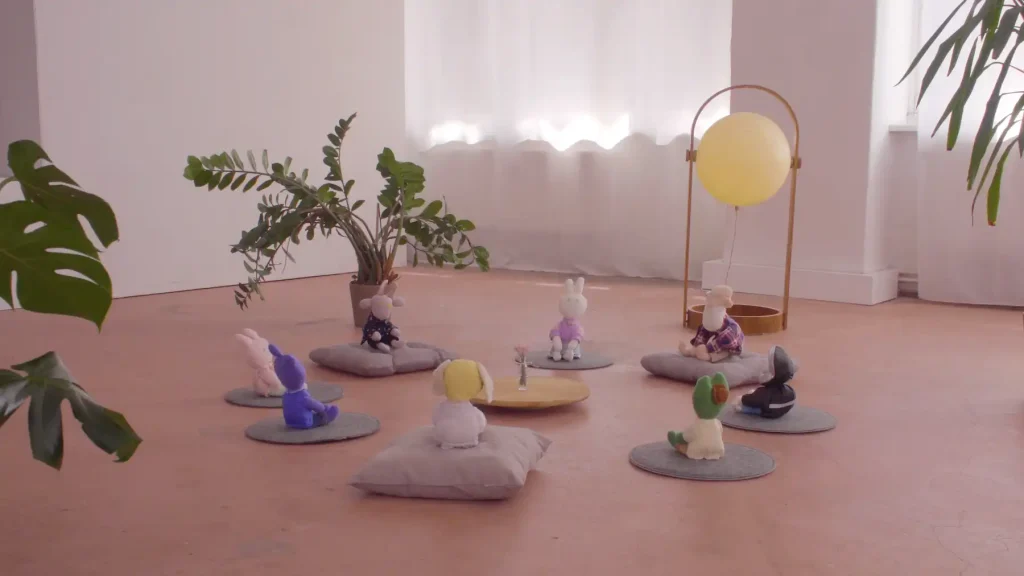
    What inspired you to work with puppets or stuffed animals? What role do they play in the narrative of your artwork?

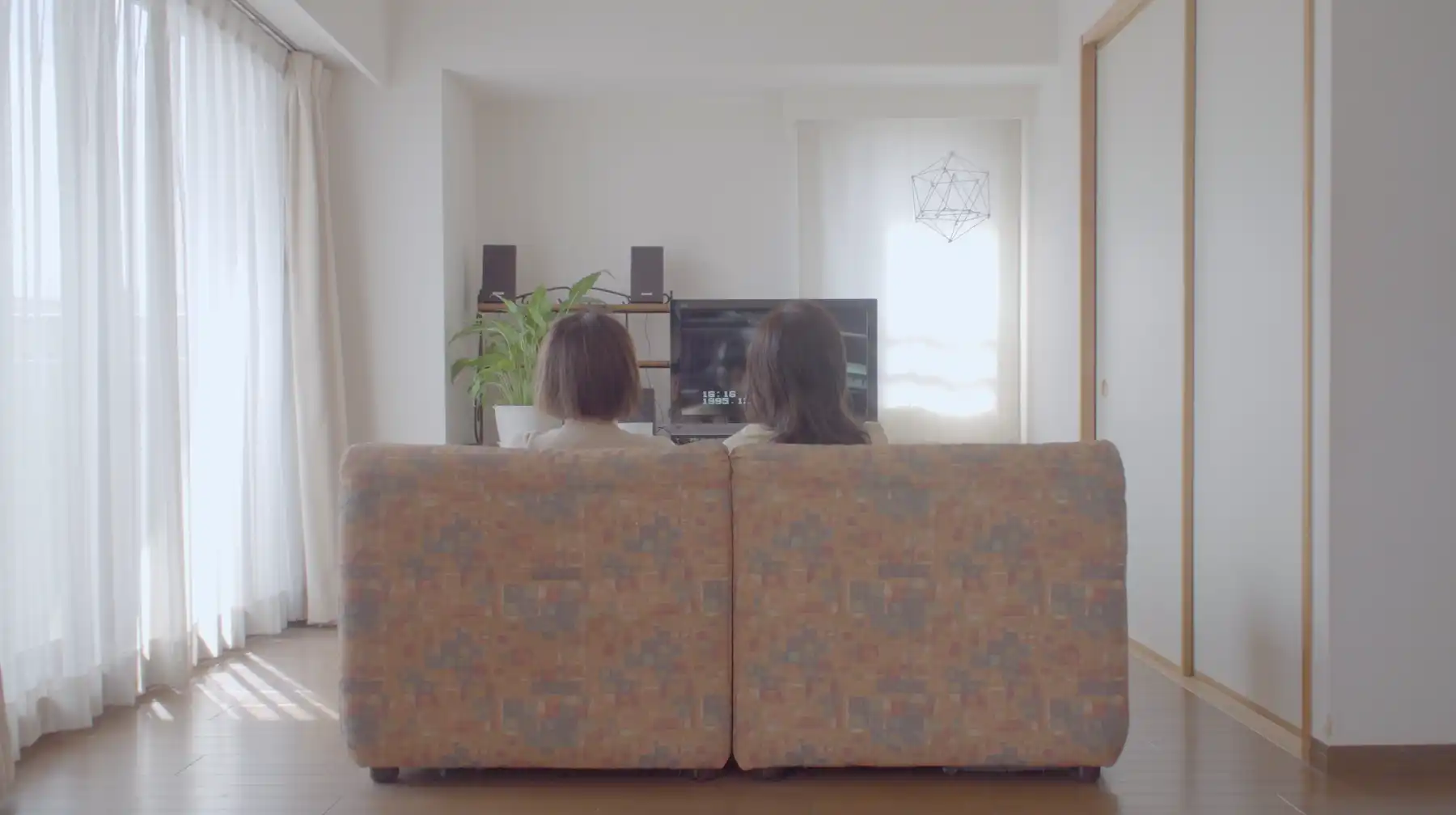
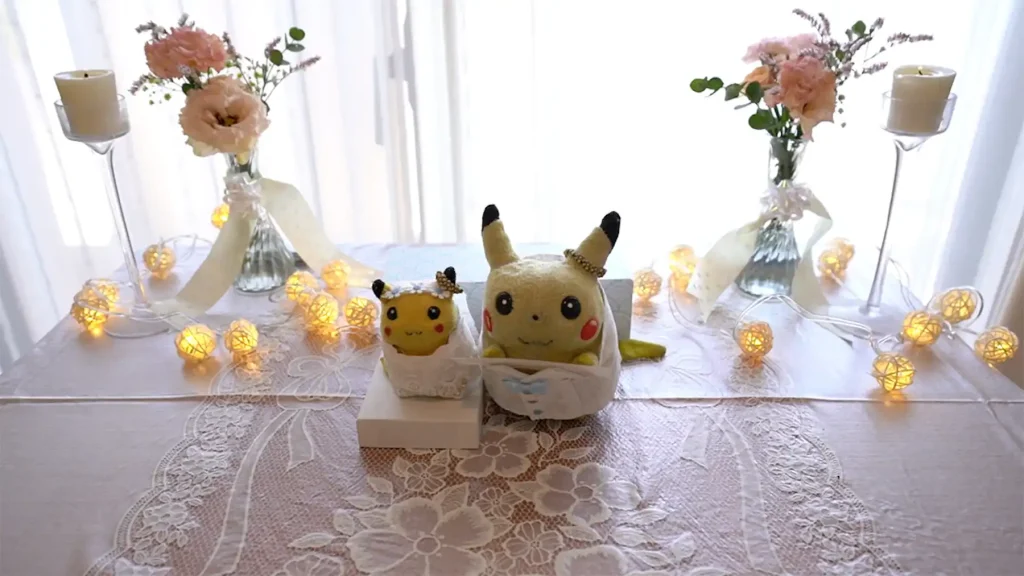
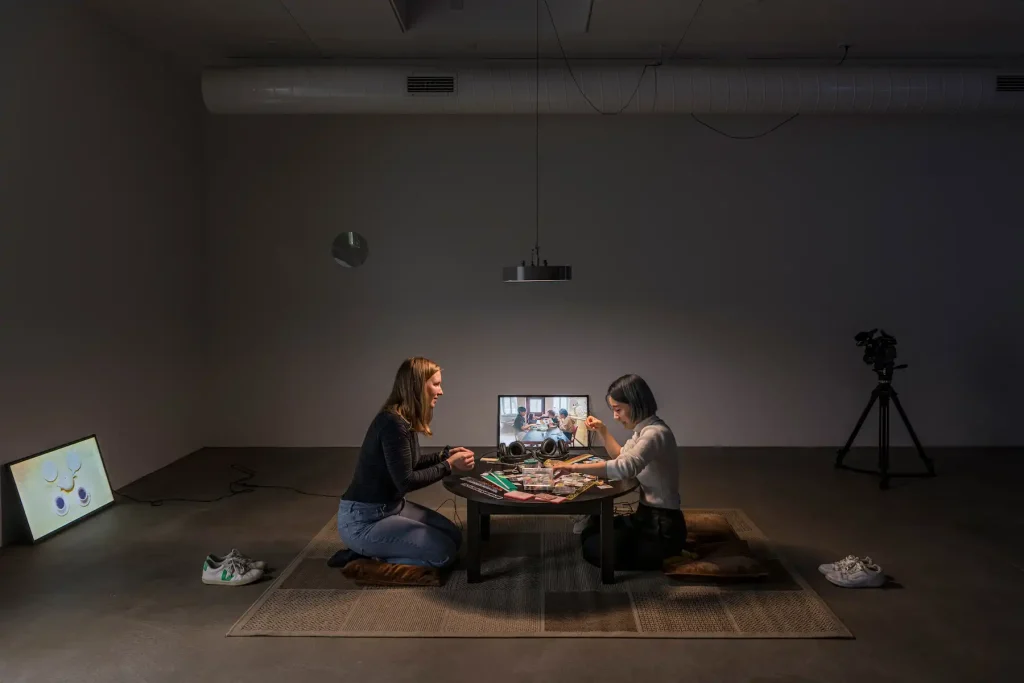
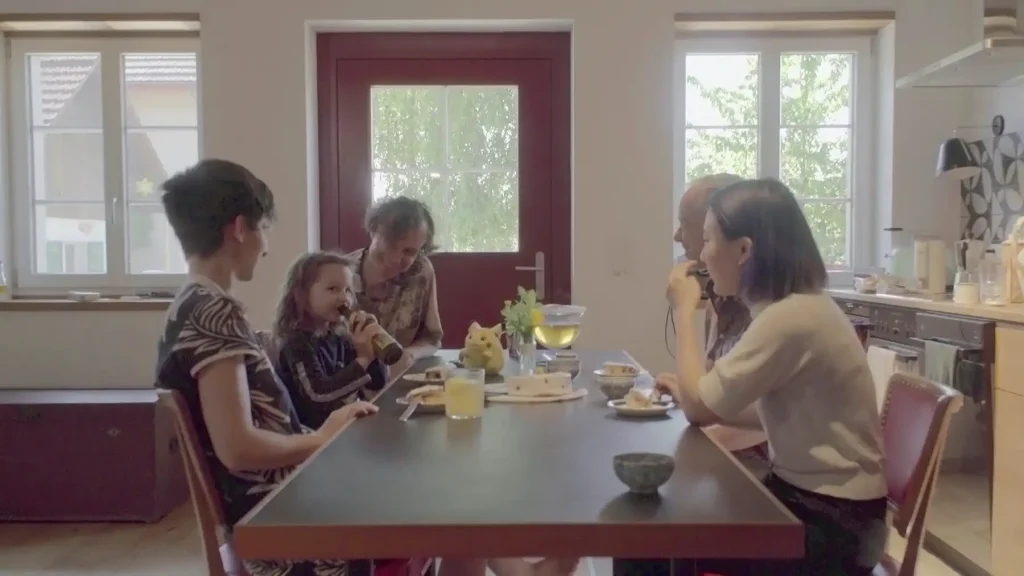
    My grandma’s younger sister makes handicraft dolls at her place with her neighbors, and I like how she creates a good community for elderly people who live by themselves. They gather in a circle around the table and make stuffed toys together. It’s kind of like group therapy, and I admire that gentle atmosphere. That’s a huge inspiration to my work. Besides, I love stuffed toys, I still keep my old dolls that I got when I was six. I made a video of one of these dolls and his wedding ceremony. The story of the video is about how stuffed animals can build a family without having fertility, they don’t have a gender or sexual features on their body. So, if they want to have kids, they have to adopt one. I think that is a good way to tell others that there are other ways to have children than just sexual intercourse.

    Statement

    Rieko Tsuji researches and expresses gender issue through creating works using crafts and video. Through traditionally feminine methods of handicrafts and sewing, and turning the works into cute visuals, Tsuji is attempting to defy the expectations of androgynous, strong role model characters that are often directed at female artists who talk about queer culture and feminism. One of the focus of her work is how women can be respected while remaining feminine.

    GlogauAIR Project

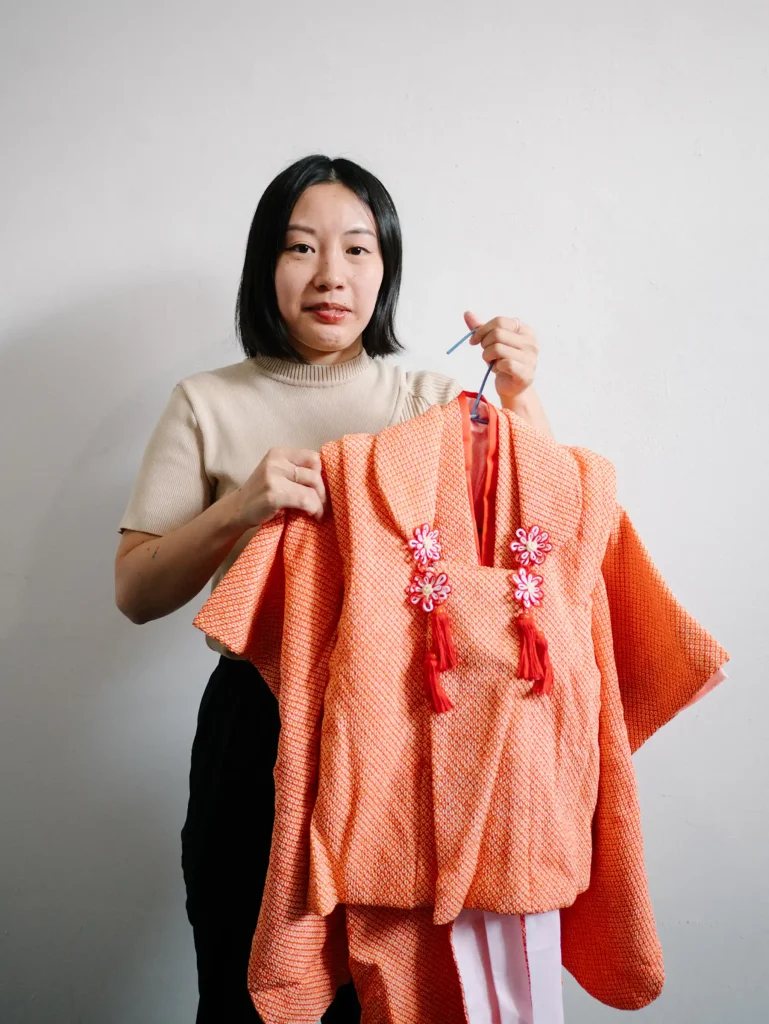
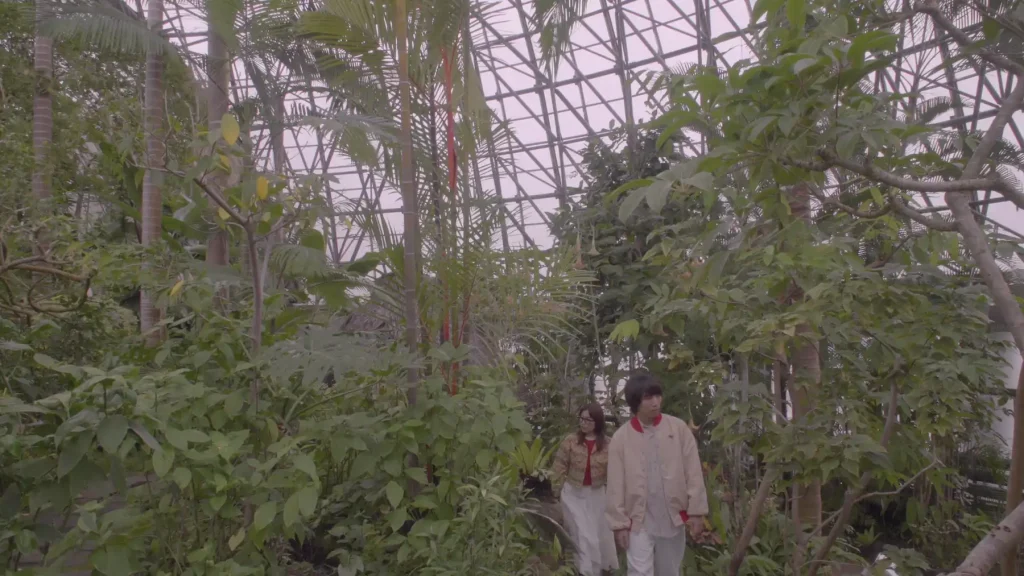
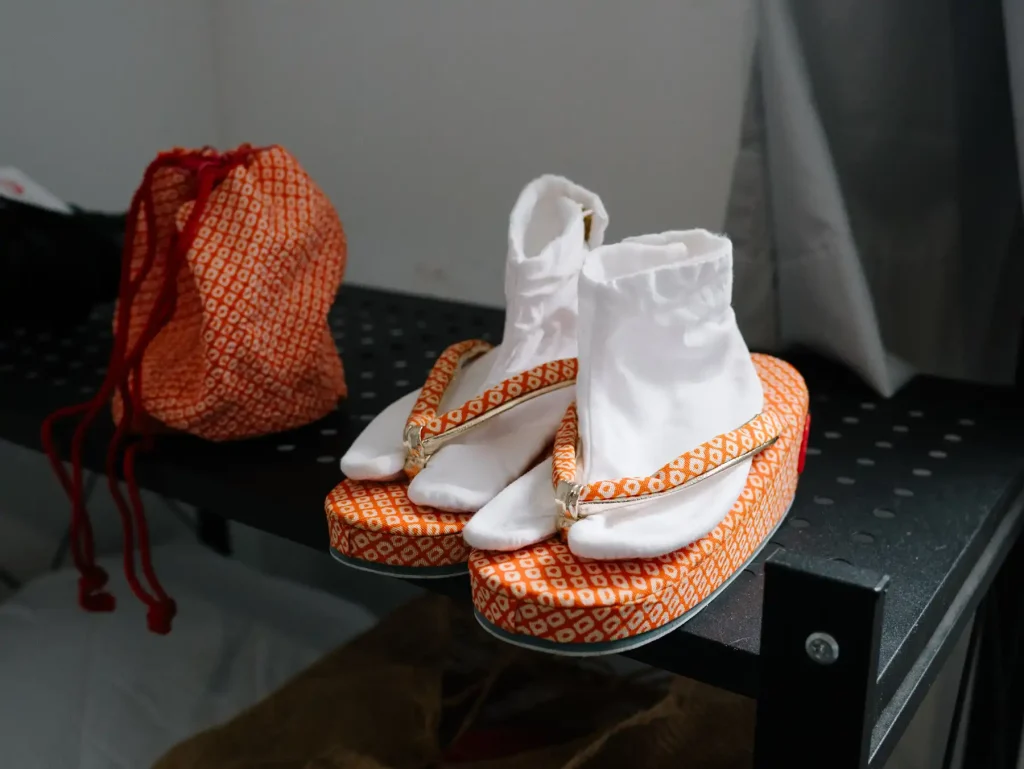
    Rieko Tsuji express the relationship between mother and daughter and the changing social status of women through craft and video. Tsuji creates handicrafts using old kimonos, traditional Japanese clothing. The kimono was worn at coming-of-age ceremony by her mother, after she gave up her dream of studying abroad. Comparing the present with a time when it was more difficult to travel abroad than it is now, the artist reflects on her own activities. The work will include video which Tsuji speaks with women in different situations.

    CV Summary

    Academic background

    • 2019 MFA Tokyo University of the Arts global art practice program
    • 2017 Bauhaus University exchange program
    • 2016 BFA Kyoto University of Art and Design contemporary art course
    • 2014 Zurich University of the Arts exchange program

    Selected solo Exhibitions

    • 2025 All is Love, Koichi Yamamura gallery, Tokyo, Japan
    • To a Planet, Totan, Tokyo, Japan
    • 2022 The Marriage of Pikas, soco1010, Tokyo, Japan
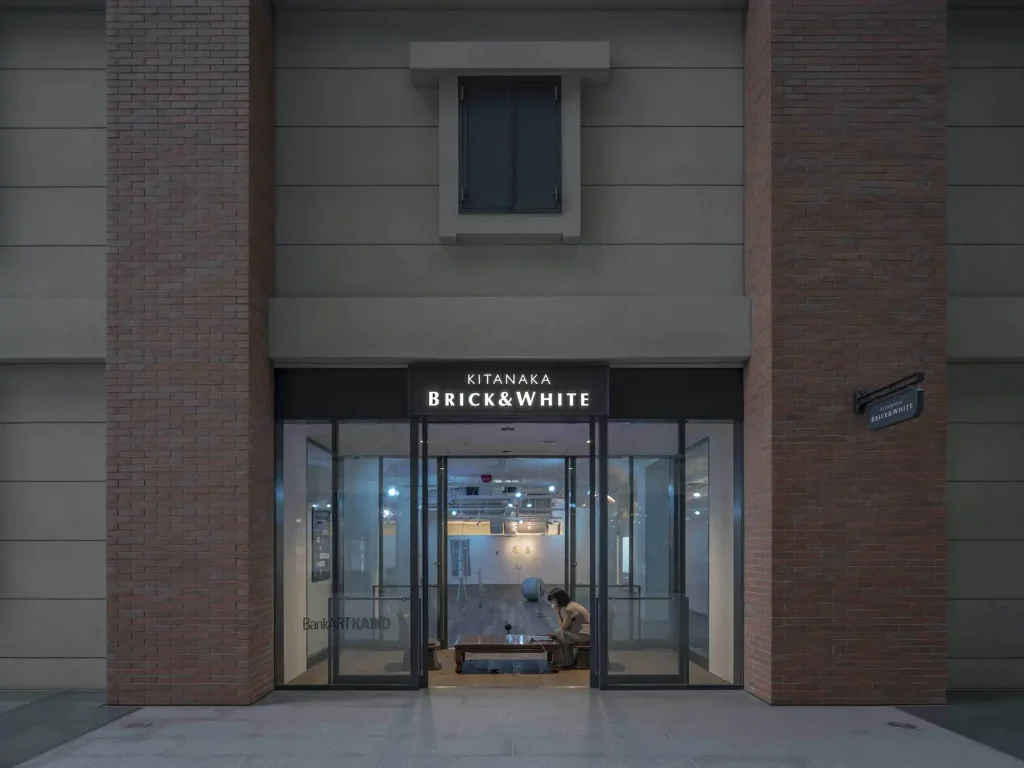
    • BankART Under35 2022 “House Show”, BankART KAIKO, Kanagawa, Japan
    • Swan Nursery Rhyme “Waiting for You”, Iwaki Alios, Fukushima, Japan
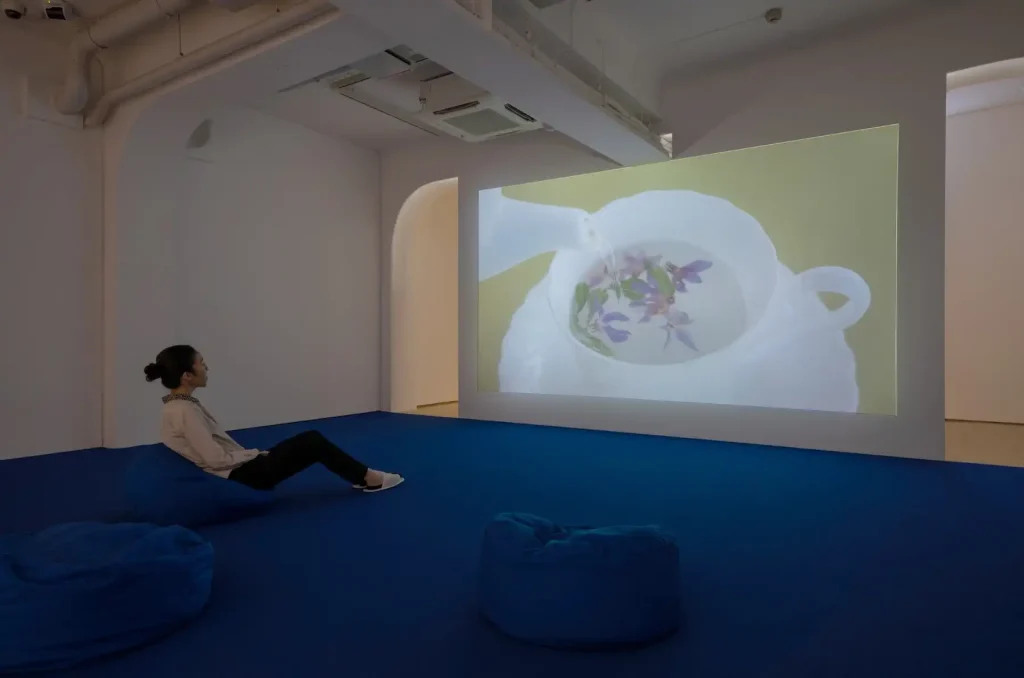
    • 2021 TOKAS-Emerging 2021 “Borage Tea”, Tokyo Arts and Space, Tokyo, Japan

    Gallery

  • Natasha Lubis

    Natasha Lubis

    Natasha Lubis is GlogauAIR resident
    from July, 2025 to September, 2025

    Indonesia


    Meet the Artist

    Coming soon

    Statement

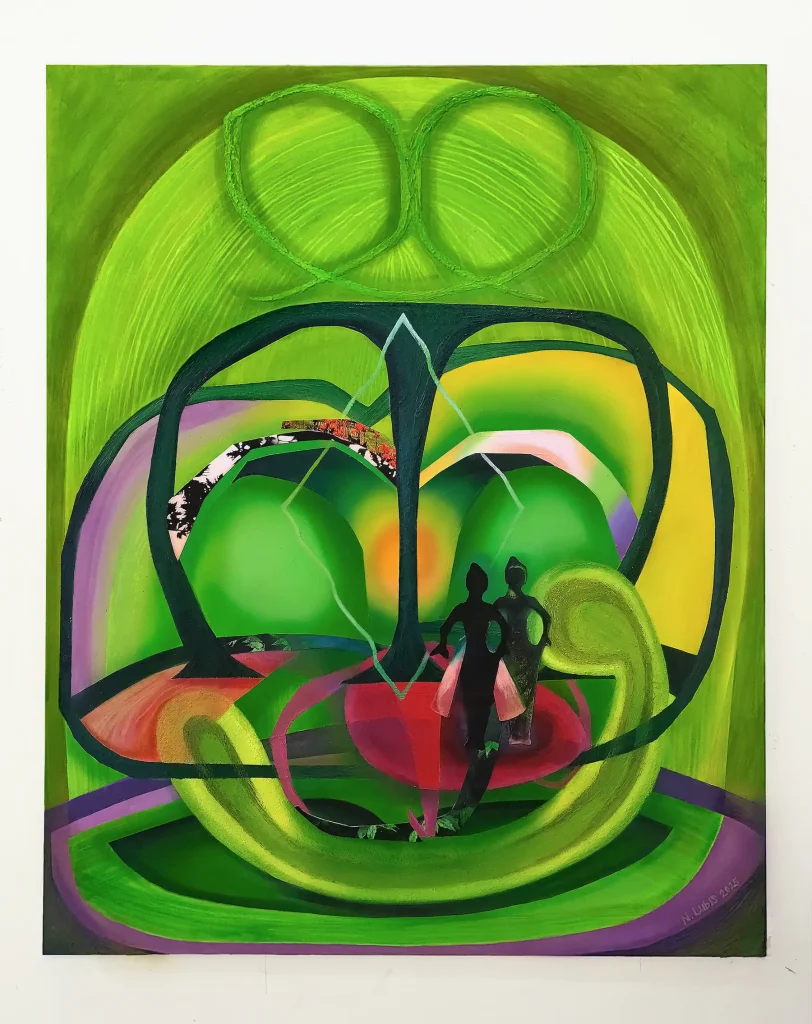
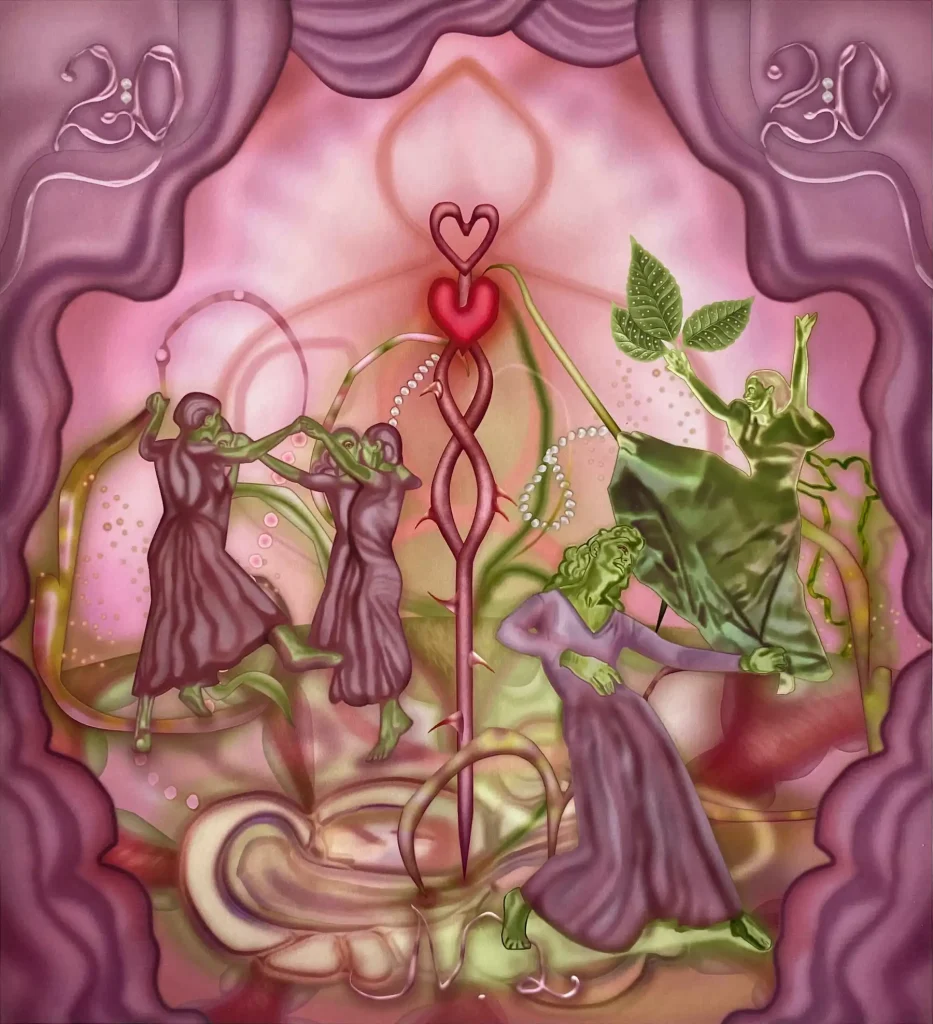
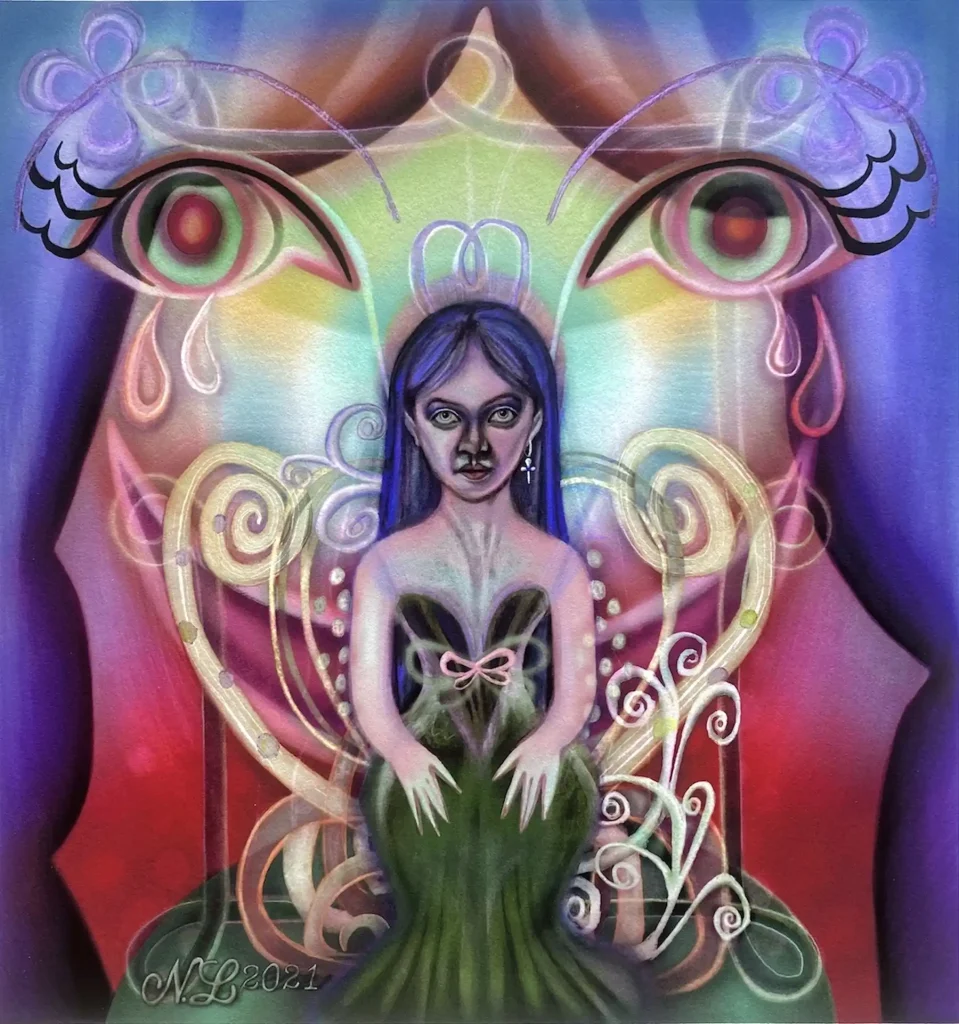
    My work explores internalized archetypes through feminine representation and iconography, interweaving historical narratives, popular culture, and psychological influences. I examine how visual constructs are shaped by sociohistorical contexts while engaging with inner emotional experience.

    Informed by formative embodied memory and the concept of the collective unconscious, my practice investigates the emotional terrain of identity and subjectivity. I’m particularly interested in notions of façade and artifice, and the dynamics of veiling and unveiling, the visage, and the mask—as means of both concealing and constructing feminine identity.

    Natasha Lubis is an Indonesian artist who lives and works between Bali and Jakarta.

    GlogauAIR Project

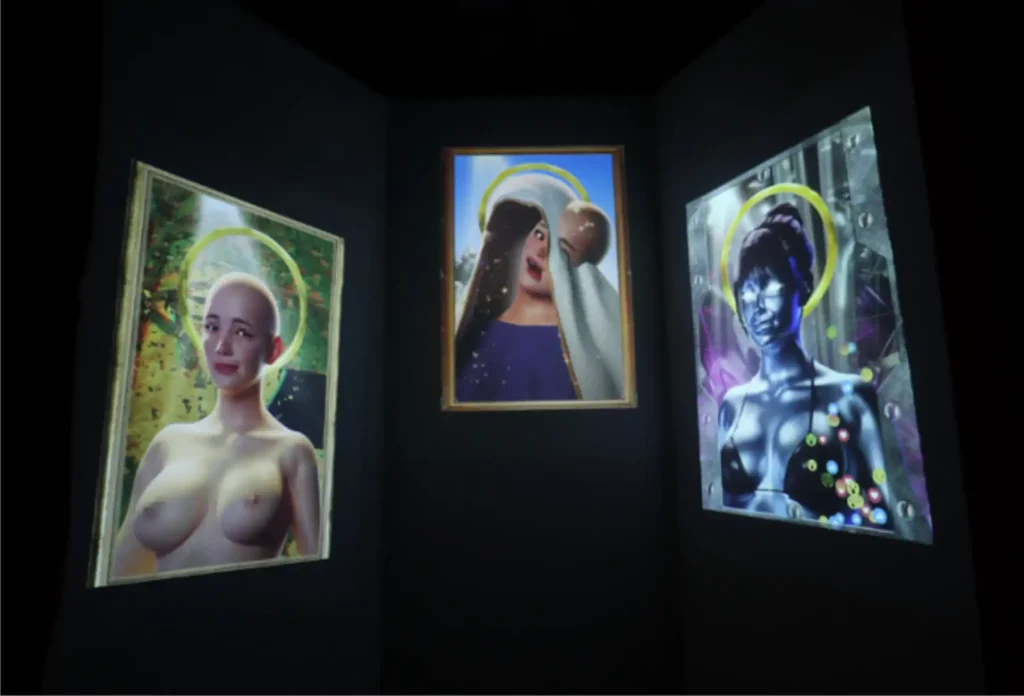
    I aim to explore visual storytelling and mythology as pathways to personal and collective meaning. My work blends digital and traditional techniques and experiments with mixed media, with plans to expand into dimensional forms beyond the canvas, weaving feminine figuration into moody, whimsical tableaux.

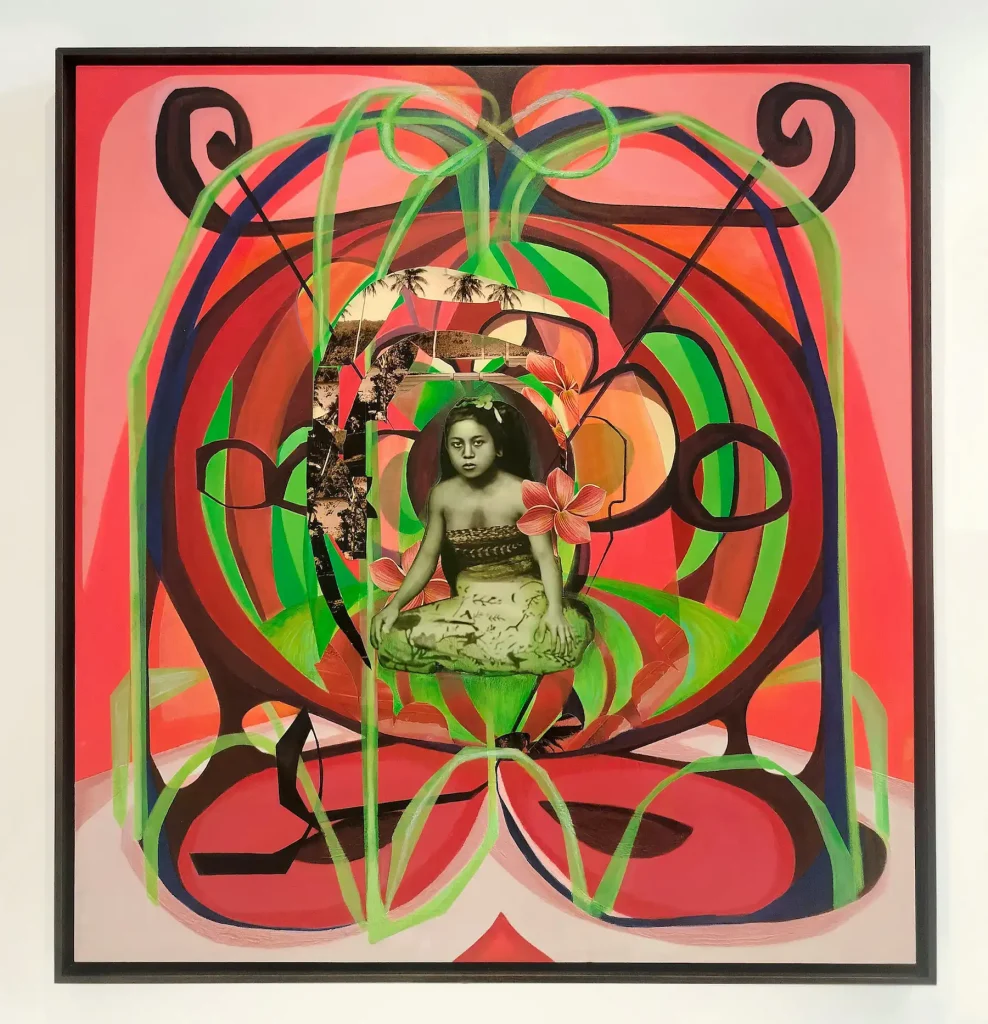
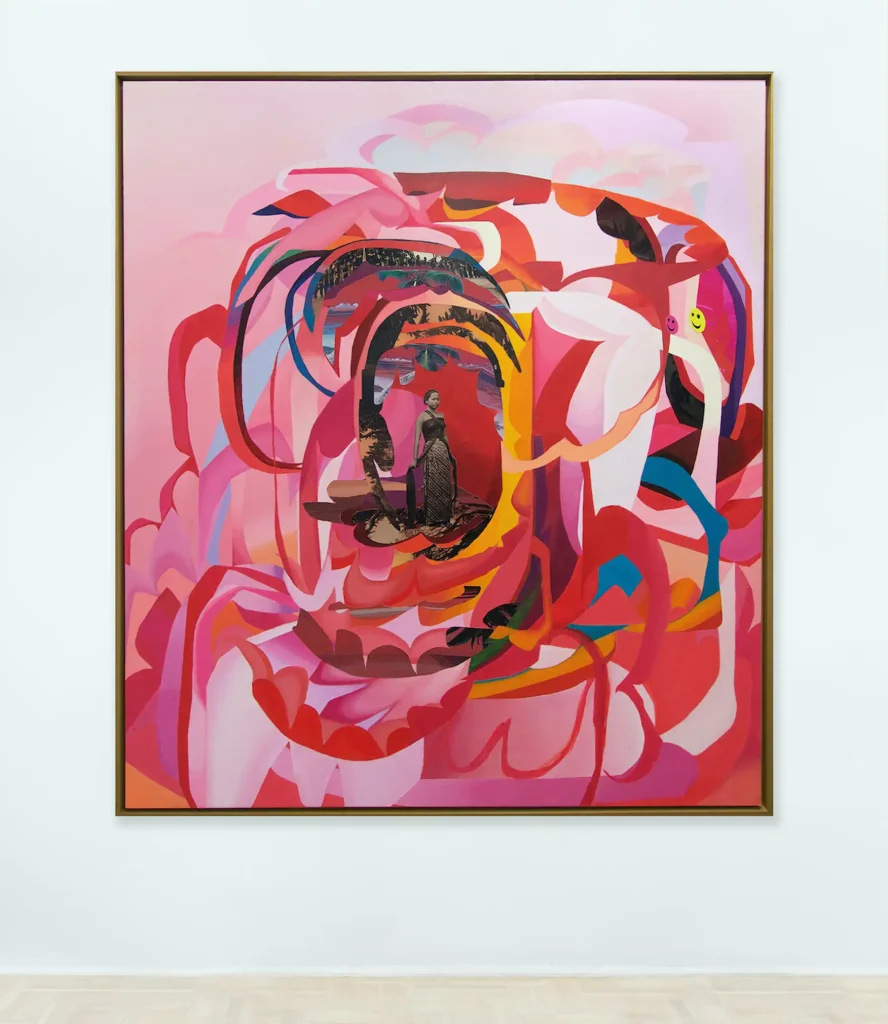
    Drawing on archival photographs of Indonesian women from the colonial era, I reimagine these symbolically charged figures to reclaim cultural narratives and restore agency through stylistic forms of enchantment.

    Guided by folkloric structures and archetypal imagery, my practice bridges historical contexts with imagined experience, reinterpreting internalized symbols shaped by cultural and personal memory.

    CV Summary

    Education

    • 2015 Masters of Fine Art, Goldsmiths, University of London
    • 2010 Bachelor of Fine Art, Monash University, Melbourne

    Solo Exhibition

    • 2011 Obscured by Clouds, Obscura Gallery, Melbourne

    Selected Group Exhibitions

    • 2025 Art Jakarta Gardens, Hutan Kota by Plataran, Jakarta
    • 2024 Rentang Hara, ISA Art and Design, WTC 3, Jakarta
    • 2024 Shape of Memory, Titik Dua Ubud, Bali
    • 2023 Hearts of Darkness, Studio 22nya, Jakarta
    • 2022 End of Res Show, PADA Studios, Lisbon
    • 2022 Living Residue, Omnu Creative House, Lisbon
    • 2020 Inter(Subject)ivity, ISA Art and Design HQ, Jakarta
    • 2020 ArtistAttire x Natasha Lubis, Rooms Tokyo Creative Trade Show, Tokyo
    • 2018 Tetap Terang, three-person show, ISA Art and Design, Jakarta
    • 2018 Here is Zine TOKYO16, TOKYO CULTuART by Beams, Tokyo
    • 2018 Women in Art, ISA Art and Design, WTC 3, Jakarta
    • 2018 Unknown Asia Awards, Shenzhen Design Week, Shenzhen
    • 2018 Xero Fest IV, The Goods Dept, Jakarta
    • 2017 Artstage Jakarta, with Rachel Gallery, Jakarta
    • 2017 Kedatuan Sriwijaya: The Great Maritime Empire, Museum Nasional Indonesia, Jakarta
    • 2017 Unknown Asia: Art Exchange 2017 (Indonesia representative), Osaka
    • 2017 Unknown Asia EXTRA, Daibiru & Festival City, Osaka
    • 2017 Korea Ensemble of Contemporary Design Poster Exhibition, Daegu
    • 2017 YOUTH exhibition, ISA Art and Design, Jakarta
    • 2016 Merayakan Murni, Sudakara Artspace, Bali
    • 2015 DigitalDisco: The Body in the Age of the Digital, The Showroom, London
    • 2015 Goldsmiths MFA degree show: Ben Pimlott Building, Goldsmiths College, London
    • 2014 Art in the Days of Haze, Red Gallery, London

    Residencies

    • 2016 Ketemu Projects Space, Bali
    • 2022 PADA Studios International Art Residency, Lisbon
    • 2022 AGA Lab (Amsterdams Grafisch Atelier), Amsterdam
    • 2023 DUPLEX Artist Residency, Lisbon

    Selected Publications

    • 2024 Artist-feature. Suboart Magazine, Lisbon.
    • 2020 Women and Their Dreams: Collaboration with Female Artists. Elle Magazine (ID).

    Gallery

  • Hsin Yen WANG

    Hsin Yen WANG

    Hsin Yen WANG is GlogauAIR resident
    from April, 2025 to June, 2025

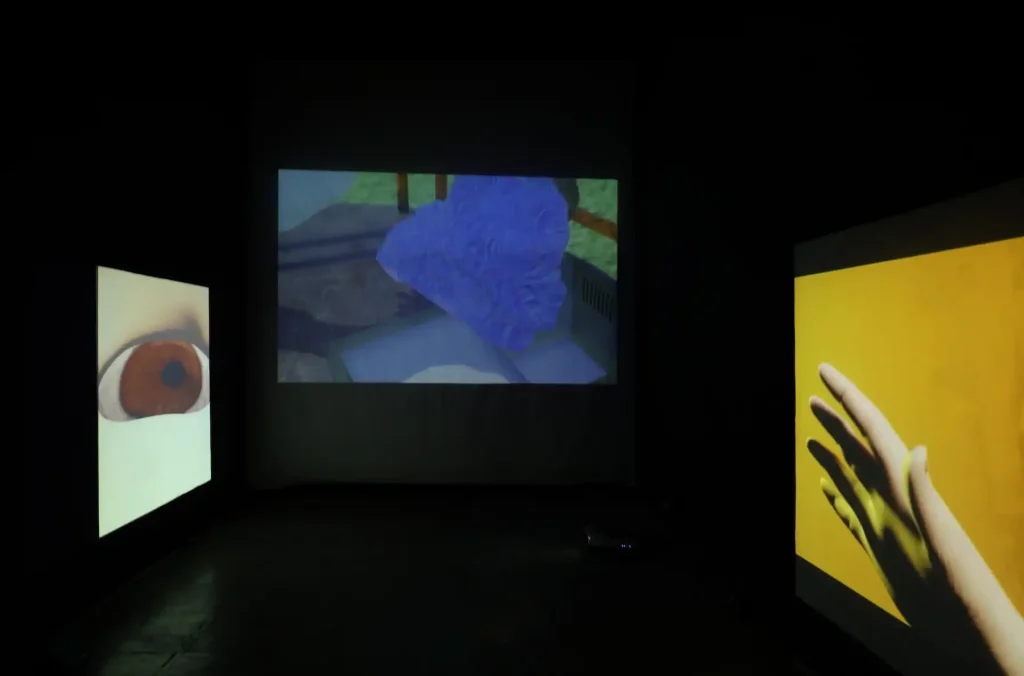
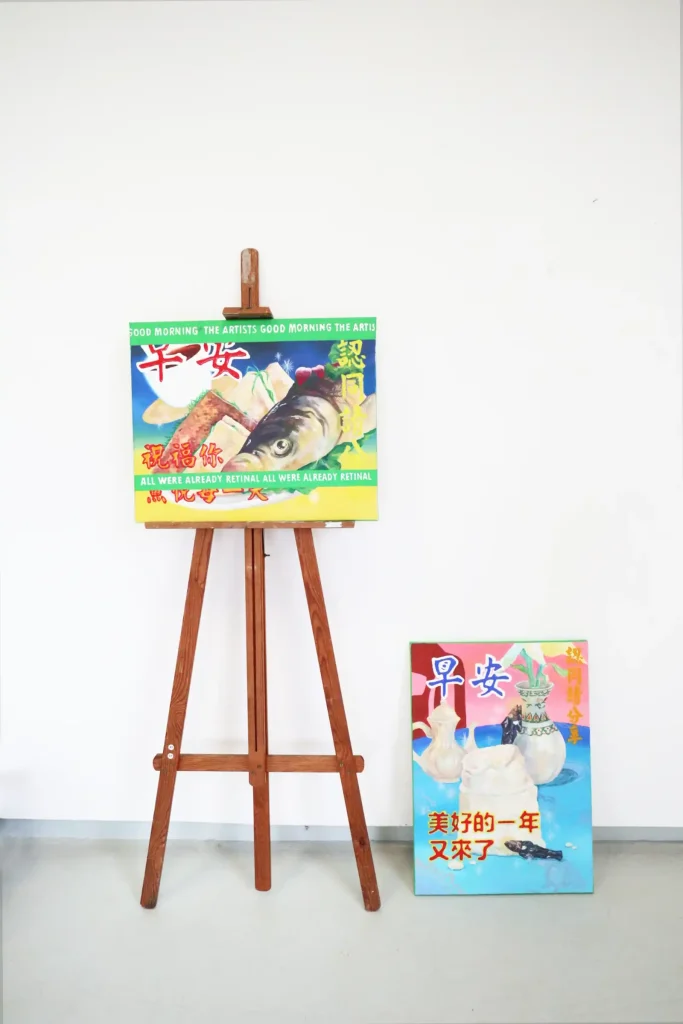
    Hsin Yen WANG is a visual artist specialising in 3D technology and video. Her work explores themes of politics, social and cultural structures, and the cycle of consumption embedded in images. A central theme in Wang’s work is the interplay between consumerism and Asian ethnic history, particularly in relation to political shifts and cultural representation. By blending virtual environments with real-world elements, she creates immersive narratives that blur the boundaries between fiction and reality, tradition and modernity.


    Meet the Artist

    Can you tell me about your background and the project you’re proposing for this three-month residency at GlogauAIR?

    Okay, so I’m Taiwanese. After four years of studying fine arts in Taiwan, I went to France. Now I’m currently pursuing my master’s degree there, in Bordeaux, France. This year is my third year in Europe.

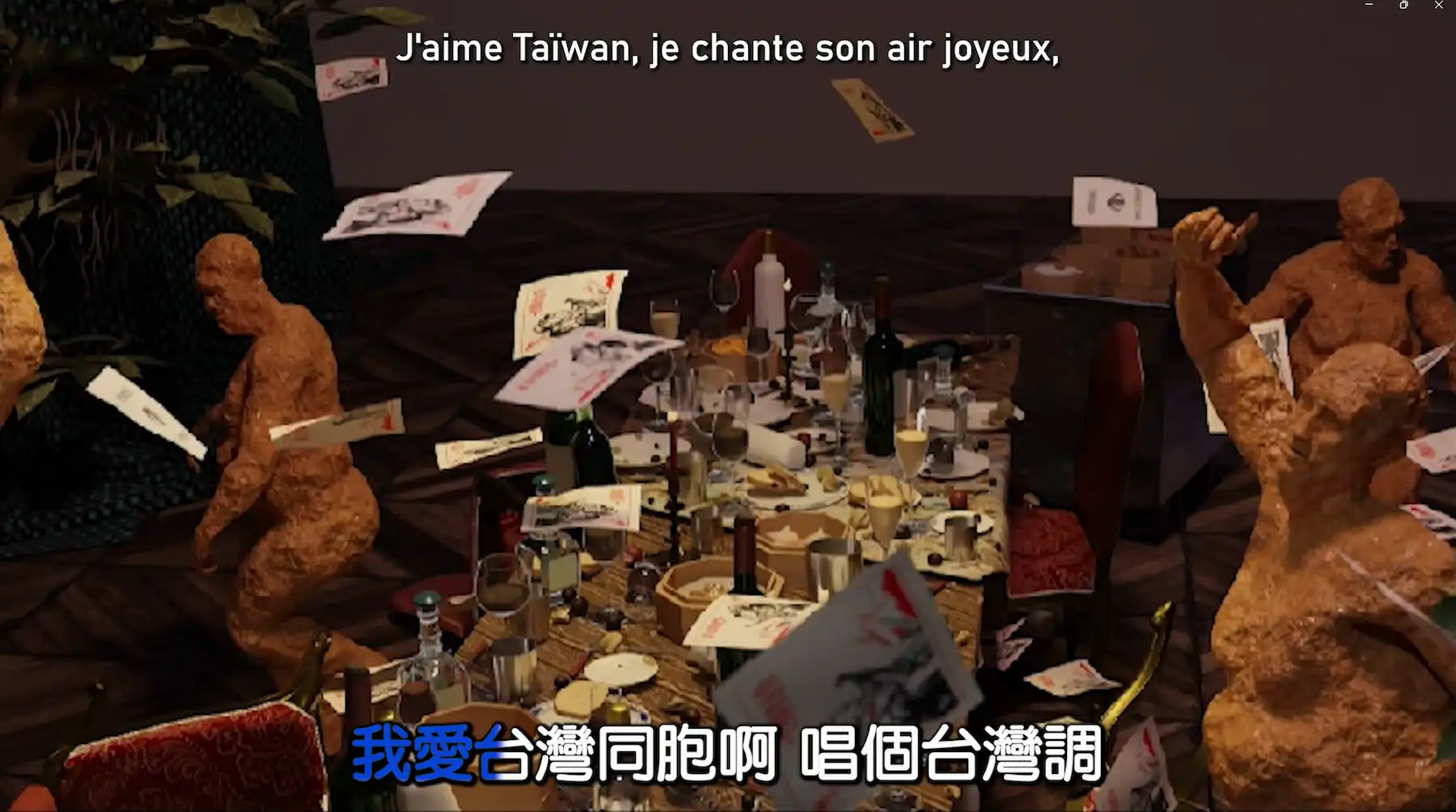
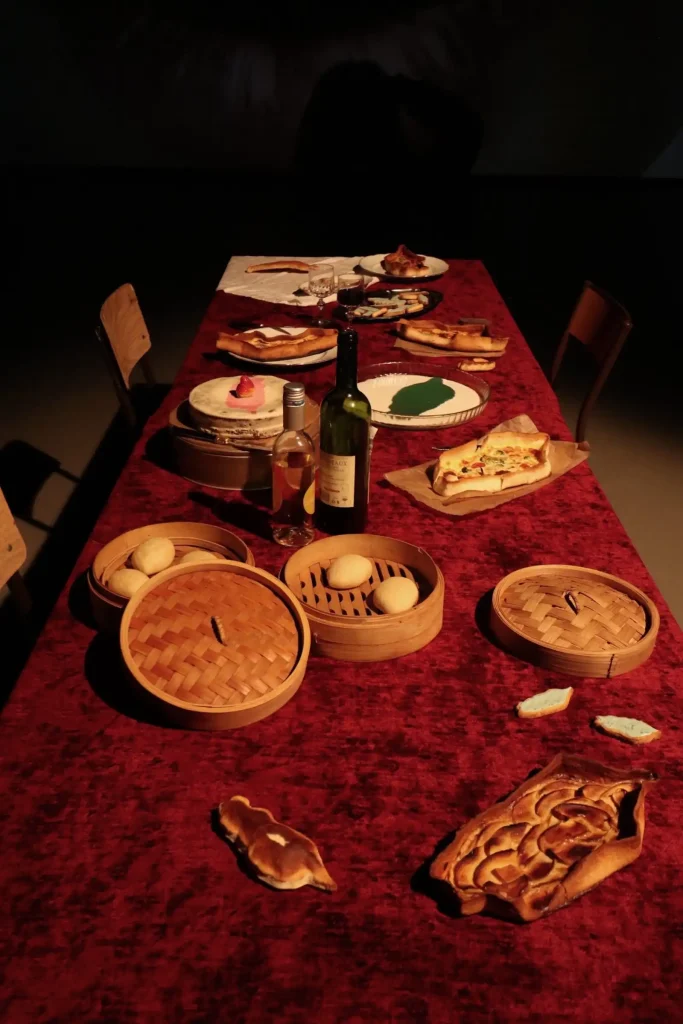
    My work mainly involves 3D animation, video installation, and sometimes painting. More recently I’m working with food installation. During the three-month residency in GlogauAIR, I’m developing my first VR project. I created a world, a virtual world, where I invite the players to take the role of a starving ghost to search for the missing ingredients and the fragmented recipes in the world I recreate.

    During your residency at GlogauAIR, you’re developing a virtual afterlife world inspired by the Taiwanese ritual of “Pudu.” What has the process been like in translating an ancestral ceremony into a digital, participatory environment?

    The most traditional way we do it in Taiwan, during the ghost festival “Pudu”, is that people prepare offering foods and also create paper money –spirit money–, and they place it on a table to feast with the wandering ghosts, which is an act of compassion toward the forgotten dead.

    The initial part I’m interested in is how the material objects become spiritual nourishment and how the spirits consume the offerings, and what they say about our belief in the material world. Here, the player will take the role of the hungry ghost.

    I did a lot of interviews with people around me and collected the fragmented recipes based on their food memory and their life memory. So, the player –the participant– will be searching for the missing ingredients with the recipes that I collected from the interviewed people. By doing so, it’s more like a process of finding and collecting the remembrance in a virtual space, and also reconstructing their personal past life and the life stories.

    What kind of visual and sound materials are you incorporating into this project? Could you share a little bit about your creative process when designing the animation and game elements?

    The visual elements are all created in 3D. I start by using Blender and Nomads, which are the special programs for 3D modelling. I model them and attach them, after that I bring everything into Unity, where I use code to control their behaviours and actions.

    The most difficult part is the technical part, because I’m not an engineer. This is my first time making a VR project, and also programming, I’ve never used programming before. I also set up the hardware, which takes a lot, lot, lot, lot of time. Maybe I might consider taking courses in the future, because it’s definitely a chore for me. I learn by YouTube and also Chat GPT helps me a lot.

    As for style, I haven’t implemented it yet, but I already have a concept. I’m planning to collect all the recipes based on the people around me, and invite them to voice their own recipes. I’ll put their voices into my VR project as the immersive, surrounding sounds to reflect the process of the forgotten dead, the hungry ghosts.

    Could you tell us more about the role of food in this project? Is it a symbol, a spiritual material, a means of connection, or something else?

    I’ve been working with food for around two years. Initially I was interested in how food can shape my context and political history, and because I’m Taiwanese, I come from Taiwan, we have lots of problems in the political way, and so I deeply understand how food can be used as a tangible tool to construct and even influence political realities.

    For example, the evolution of Taiwanese official banquet cuisine reveals a lot about how food can create or even manipulate the national identity of people. In my project, the food is used as the elements to re-choose and re-construct, even to reimagine their identities and their memories.

    I would say that in my project, food is not simply a nominal object, but it’s more like something participatory, tactile and incapable of healing.

    Are you still making bread? Can you tell me a little bit of this? Also, how is it connected with the game that you are making?

    I think they are separate projects, because this year I changed my mind a little bit. I’ve been working with programming for maybe two, three years, and it is so serious and logical. And this year I wanted to switch and work with more organic, more random and more soft things. That’s why I started to use bread.

    Initially I used sugar, and here I met the artist Clara. She also worked with sugar. Also, there’s an American artist who also worked with bread. She used bread to make a sculpture, but it’s more like an abstract form. I was just wondering, maybe I can use this material –German bread, because I live in Berlin right now– to construct a symbol, a religious symbol. So, this was my original idea.

    Statement

    Born in Taipei in 2000, Hsin Yen Wang is a visual artist specializing in 3D technology and video. Her work explores themes of politics, social and cultural structures, and the cycle of consumption embedded in images. Through digital tools and virtual technologies, she seeks to challenge conventional perspectives on image culture and its influence on human perception.

    A central theme in Wang’s work is the interplay between consumerism and Asian ethnic history, particularly in relation to political shifts and cultural representation. She often draws from historical archives, commercial aesthetics, and everyday objects, reinterpreting them through digital interventions that invite viewers to question their own sensory experiences and cultural assumptions. By blending virtual environments with real-world elements, she creates immersive narratives that blur the boundaries between fiction and reality, tradition and modernity.

    GlogauAIR Project

    Since 2023, my work has focused on the reconstruction and transformation of food and identity through virtual technologies, as well as the spiritual and material dimensions in Taiwanese folk traditions. I am particularly interested in how these beliefs evolve in digital spaces and how technology reshapes our perception of cultural rituals. This year, I began experimenting with virtual reality (VR) and video games as creative tools to explore these themes.

    During my residency at GlogauAIR, I plan to use VR to construct an afterlife world within a game environment, inspired by the Taiwanese ritual of “Pudu” (Universal Salvation Festival). This traditional ceremony, centered on offering food to wandering spirits, reflects deep cultural ideas about life, death, and the afterlife. In my project, participants will engage in a virtual food ritual, questioning the connections between souls, materiality, and identity in a digital space.

    CV Summary

    • 2024-2026 L’école supérieure des beaux-arts de Bordeaux
    • 2018-2023 Taipei National University of Arts. Taipei, Taiwan

    EXHIBITIONS

    2025

    • Portfolio: Éventrer le Béton – Collective Exhibition, LE FRAC Nouvelle-Aquitaine MECA, Bordeaux, France
    • Les Failles Font Corps – La 17ème Édition du Prix Icart, Hotel Mona Bismarck, Paris, France

    2024

    • 2012 – Collective Exhibition, L’Espace Continuum, Bordeaux, France

    2022

    • Taiwan Annèle – Collective Exhibition, Virtual Platform, Taipei, Taiwan
    • Exchange – Collective Exhibition, Yongfu No.5, Taipei, Taiwan

    2021

    • Poulet en Caoutchouc! – Solo Exhibition, Galerie Nanbei, Taipei, Taiwan

    2020

    • Joie – Collective Exhibition, Yongfu No.5, Taipei, Taiwan

    2019

    • Action d’Atterrir – Collective Exhibition, Underground Gallery, Taipei, Taiwan

    PROJECTION

    2024

    • VII International Bad Video Art Festival, L.A.M.A, Cosenza, Italy

    PUBLIC ART

    2023

    • Durable Heart, Taoyuan Fon-Ho Park, Taiwan

    Gallery

  • Jessica Ledwich

    Jessica Ledwich

    Jessica Ledwich is GlogauAIR resident
    from April, 2025 to June, 2025

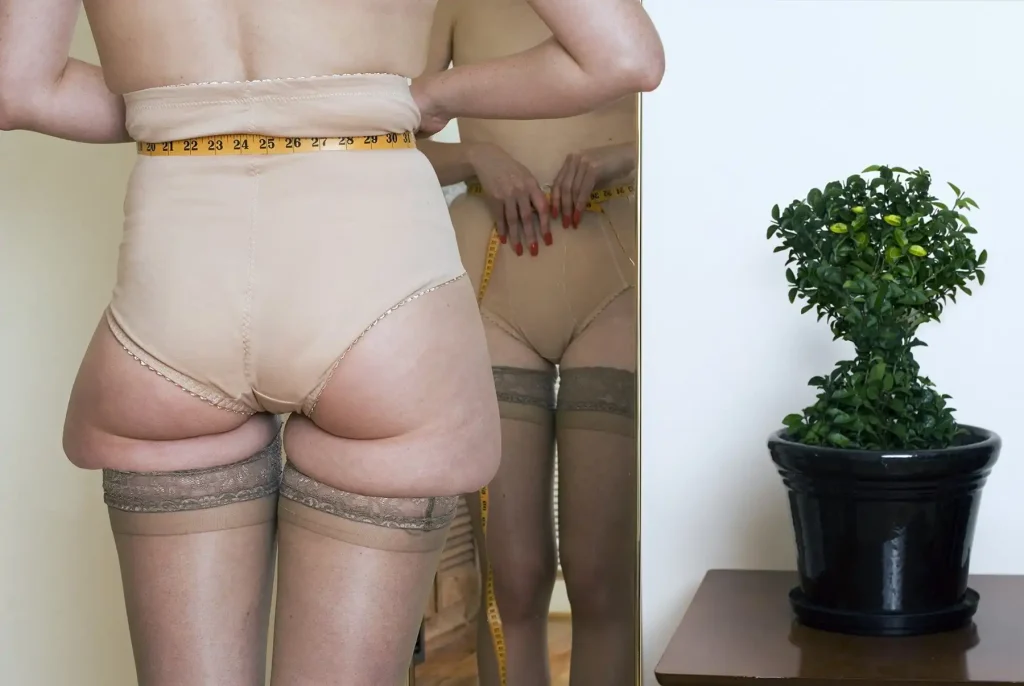
    Jessica Ledwich is an Australian photographic and installation artist whose practice explores the intersections of consumer culture, eroticism, and contemporary ideals. Her work invites viewers to confront the contradictions embedded in modern visual culture and to engage with the complex, often uneasy terrain of bodily experience, consumption, and constructed desire.


    Meet the Artist

    Could you tell us a bit about your artistic background and the project you are proposing for this three-month residency here at GlogauAIR?

    I’m from Australia and originally trained in commercial photography. I used to work in fashion photography. So, I guess glossy aesthetics is something that was really prevalent early on. I think that I got really sick of doing that and I guess got very sick of the surface nature of it. I always wanted to go in a bit deeper.

    Then I moved more into an art area but found that I still was really interested in those aesthetics and I guess the ideas and themes around commercial photography and commercialism. It’s been sort of a natural progression and it leads very much into my project here because it’s all about the way that photography is used as a tool to seduce us. It’s a very integral part of the capitalist model of selling us things. It’s almost like capitalism needs photography to function. And it’s that kind of illusion that it creates. I guess it’s something about that that I find really fascinating.

    This project is very much about exploring our continued obsession with the surface and the fact that we are continually trying to get meaning through what we consume in terms of goods. This project is very much about exploring this idea of the real and the artificial, what’s fake and what’s not. And really using those aesthetics of the hyper-real, glossy, that we’re kind of really, unconsciously used to seeing all the time and responding to.

    How did you come to develop a practice that bridges photography and installation?

    I think there was a desire to move away from photography when I stopped doing commercial work. It was like a rejection of it. So, I moved into starting to do more sculptural things.

    And then I did my master’s and there’s a push to experiment with materials and materiality. That was where I started to play with how photography could be incorporated into a more immersive installation aspect. I think the immersive aspect is a quality that I really like. And the tactile creation. A lot of my photographs are quite sculptural. So, I’ve now almost come back around and kind of merged the two together.

    I find that photography can be quite immersive, but the two dimensional aspect of it, it can only go so far. Something about an installation aspect forces the viewer to kind of get amongst things, which I think can kind of make it a lot more immersive. I also studied taxidermy as well, so, there was an aspect of bringing these visceral elements into the work. And those sculptural and installation aspects that bring a richer element to these things that I’m exploring.

    So, how do you incorporate found imagery and everyday objects into your work? And what role do they play in the narrative of your artworks?

    Well, I’m really fascinated by just the things that you find that are very mass produced. I trawl discount stores, like Eurostore, flea markets, even the supermarket. It’s about finding these mass produced objects that really speak to this kind of consumer fetish that we have. But there’s also an element though of them being odd. It’s almost like they reveal themselves to be a parody of consumerism, like the brussels sprout puzzle. Like, who would ever want to do a puzzle of just brussels sprouts? And even more brilliant is this for children seven to ten. What seven-year-old is going to want to spend hours making a brussels sprouts puzzle? It’s so funny, but it’s almost like it doesn’t get the joke. I guess it’s these kinds of elements.

    I’m always looking for something that’s just a bit, like the question is, why was this ever made? Like, why were precious resources used to create this? It’s almost like the absurdity in that is the very thing I’m looking to expose. But also, the found photographs, it’s a similar kind of thing. I’ve found a few really interesting postcards from the 70s and the 80s. What’s interesting about postcards is they’re almost like a snapshot in time of a cultural attitude or a sort of zeitgeist. For example, I found one from the 70s, which is a postcard of a TV dinner. We look at that now and wonder, who’s going to send a postcard of a TV dinner? Why would you put this on a postcard? And then you realize, at the time, it’s modernity, it’s progress, it’s the future. There’s something really fascinating in that.

    The idea of simulacrum is central to your project. What does the real mean to you today in a world oversaturated with images?

    It’s a really interesting question. I was sort of sitting and thinking about that a lot and to be honest, I think it’s becoming increasingly slippery. I think this notion of what is real is actually continually moving. I think that it’s less about imagery that’s not manipulated, but it’s more about that floor, that element there that reveals the reality underneath that veneer of perfection.

    For example, you have the glossy gold bunny, but it’s got a crack in its ear and it’s got a chip. And so that’s why it’s reduced, but they’re selling it anyway. It’s this interesting thing of everything’s got a price, for example, the food photography where the cream is melted before you had time to take the picture.

    It’s this idea of the elements where we sort of see the cracks beginning to show metaphorically in this veneer of perfection. I think that that’s really where the truth is lying now, because in the oversaturation that we have, everybody filters everything.

    When we look at AI now, the biggest complaint is that it looks too fake. Everything’s too smooth. The skin has no tone. The colours are just too vibrant. It’s almost like the antidote to that is where you almost find yourself questioning, well, it has to be real because why would anyone have made that up? I think that it’s interesting with photography because the history of photography was based in truth. It was the only thing you could believe because it was a record making device. And now, we choose to not believe it before we believe it. So, there’s inherent suspicion regardless now. I think that that’s something really interesting to kind of play with.

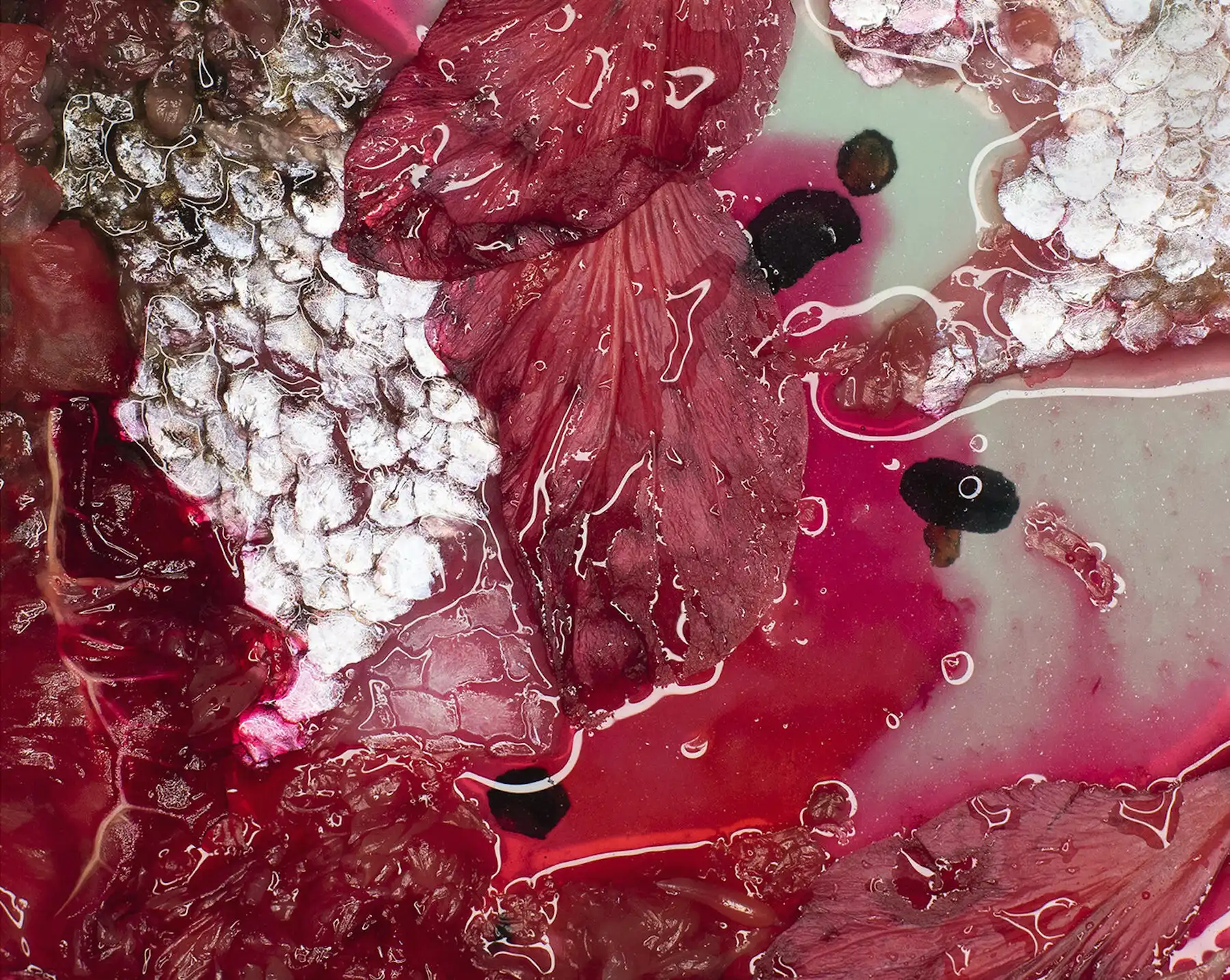
    For me, I guess it’s around things like the wilted flowers as opposed to the perfect flowers. It’s about those things where there’s an element of reality, but there’s also sort of that tension.

    Statement

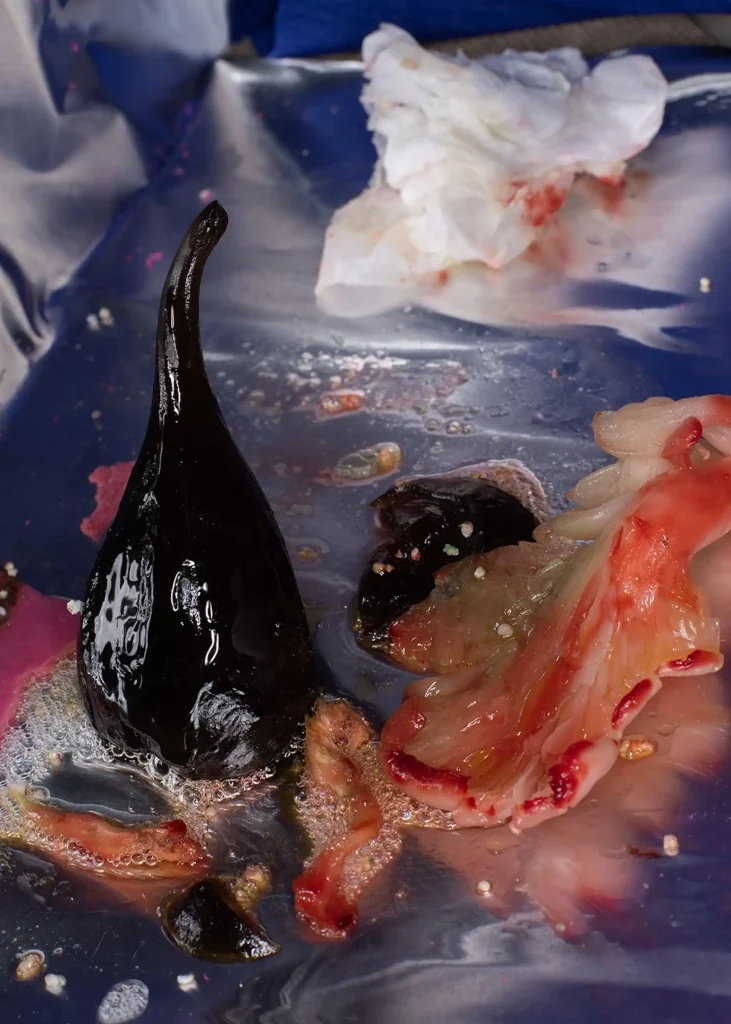
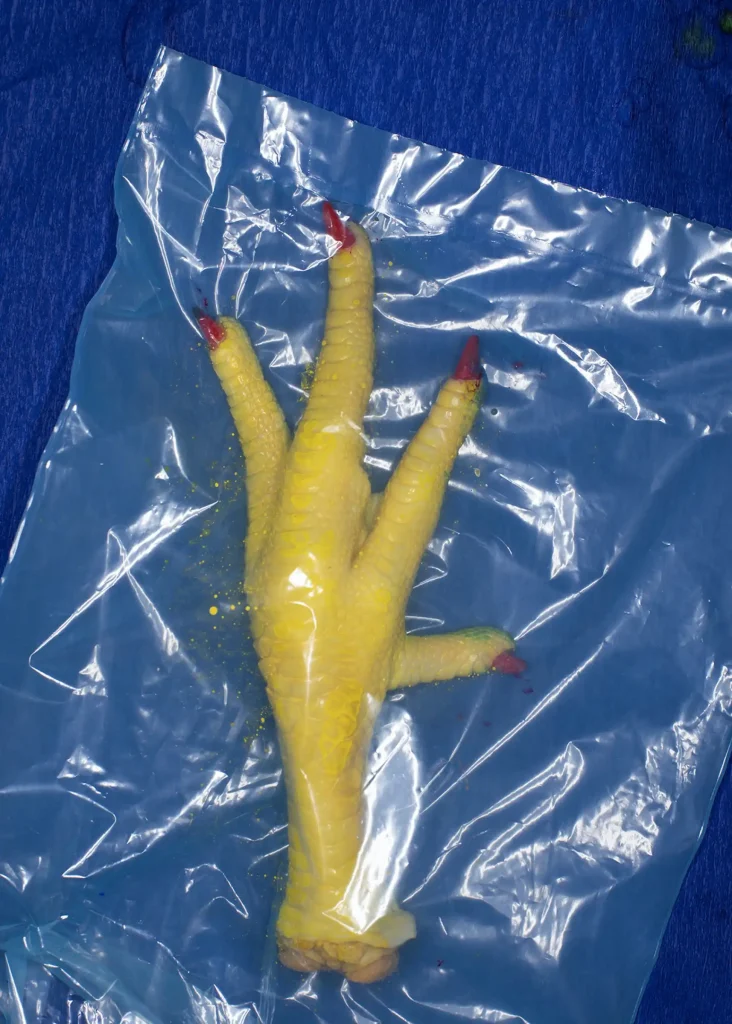
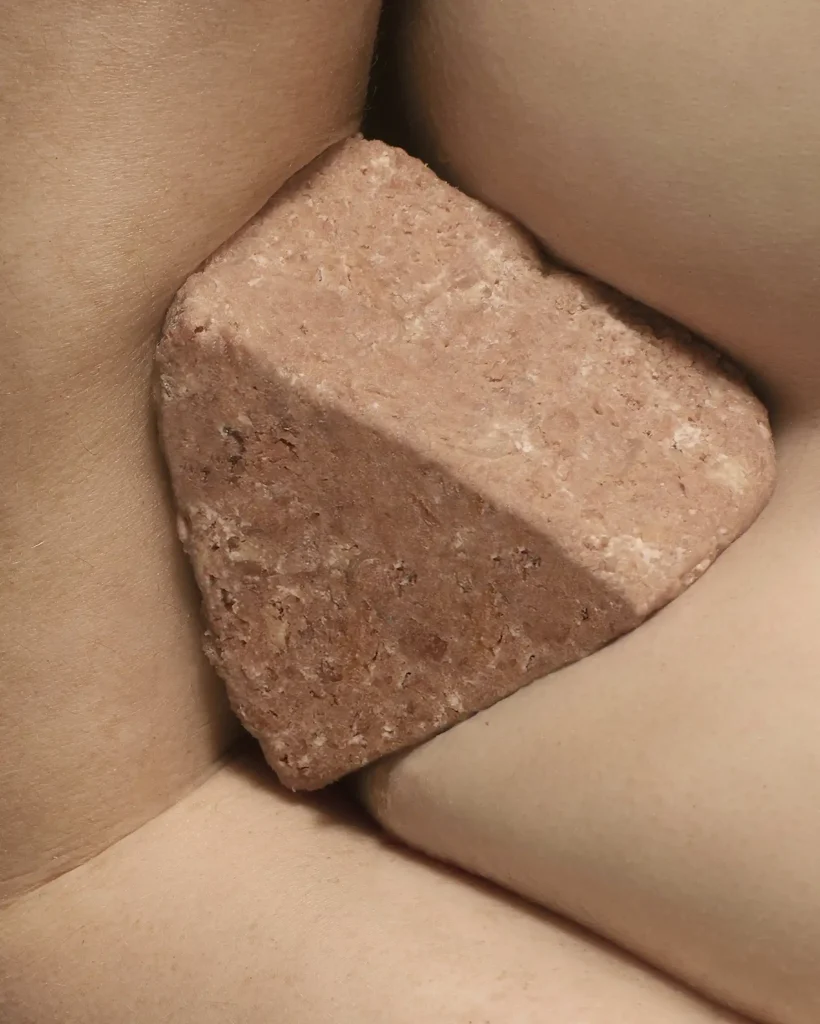
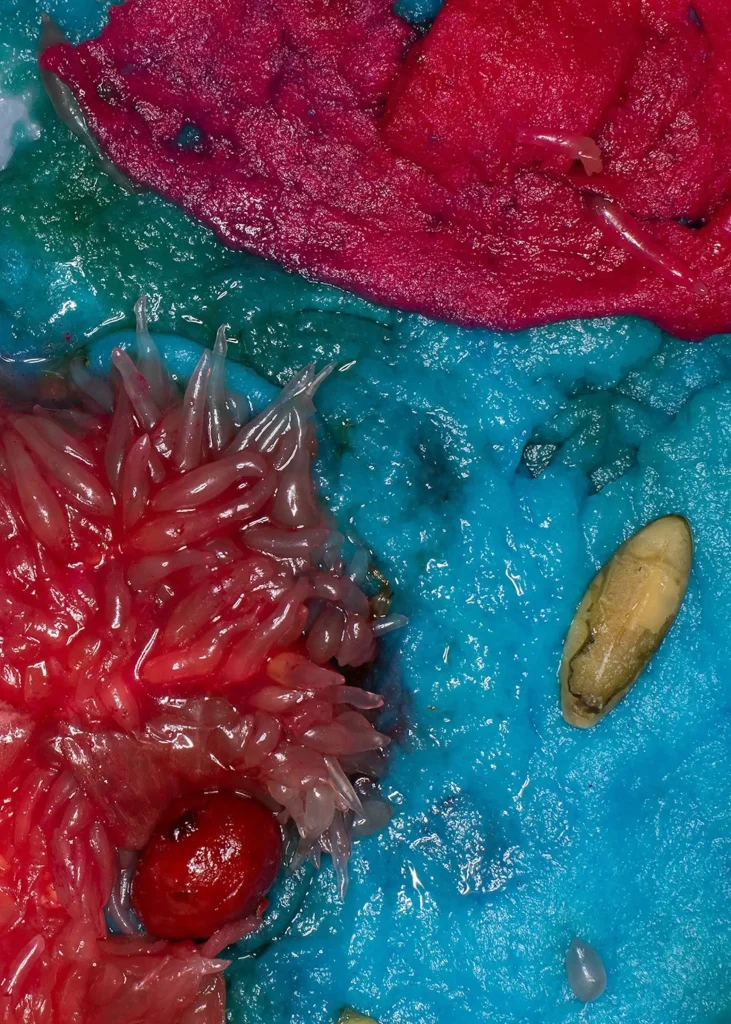
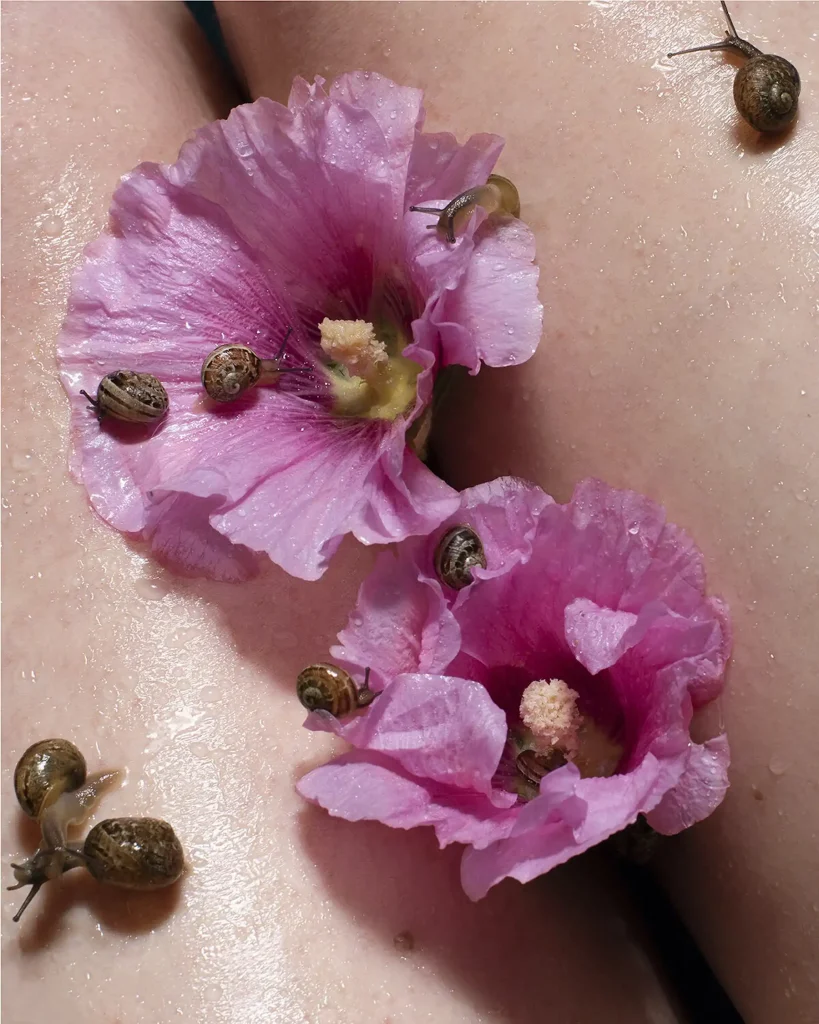
    Jessica Ledwich is an Australian photographic and installation artist whose practice explores the intersections of consumer culture, eroticism, and contemporary ideals. Working with close-up imagery of food, nature, and the body, she creates visceral, hyperreal compositions that blur the boundary between the synthetic and the real. Through striking contrasts in colour and texture, Ledwich examines the dualities of beauty and the abject, desire and repulsion, seduction, and discomfort. Her work invites viewers to confront the contradictions embedded in modern visual culture and to engage with the complex, often uneasy terrain of bodily experience, consumption, and constructed desire.

    GlogauAIR Project

    My project explores how capitalism shapes desire and value through images and how our consumerist ideals are heralded as an antidote to death. In a media-saturated world dominated by fake news, misinformation, and the ever-growing feeling we are living in a simulacrum, I am looking to explore what is real and what is synthetic. Exploring the role of photography as a seduction tool in the machine of desire, this project will incorporate found imagery, objects, food, and the body to interrogate our collective cultural ideals of value, beauty, and permanence in an era defined by excess, replication, and visual manipulation.

    CV Summary

    Education

    • 2000 – 2002 Bachelor of Performing Arts, Monash University, Melbourne
    • 2008 – 2010 Advanced Diploma of Photography, Photography Studies College, Melbourne
    • 2013 – 2014 Master of Fine Art with distinction, RMIT, Melbourne, Australia

    Selected Exhibitions Solo

    • 2023 Spoils, Casa Lü, Mexico City
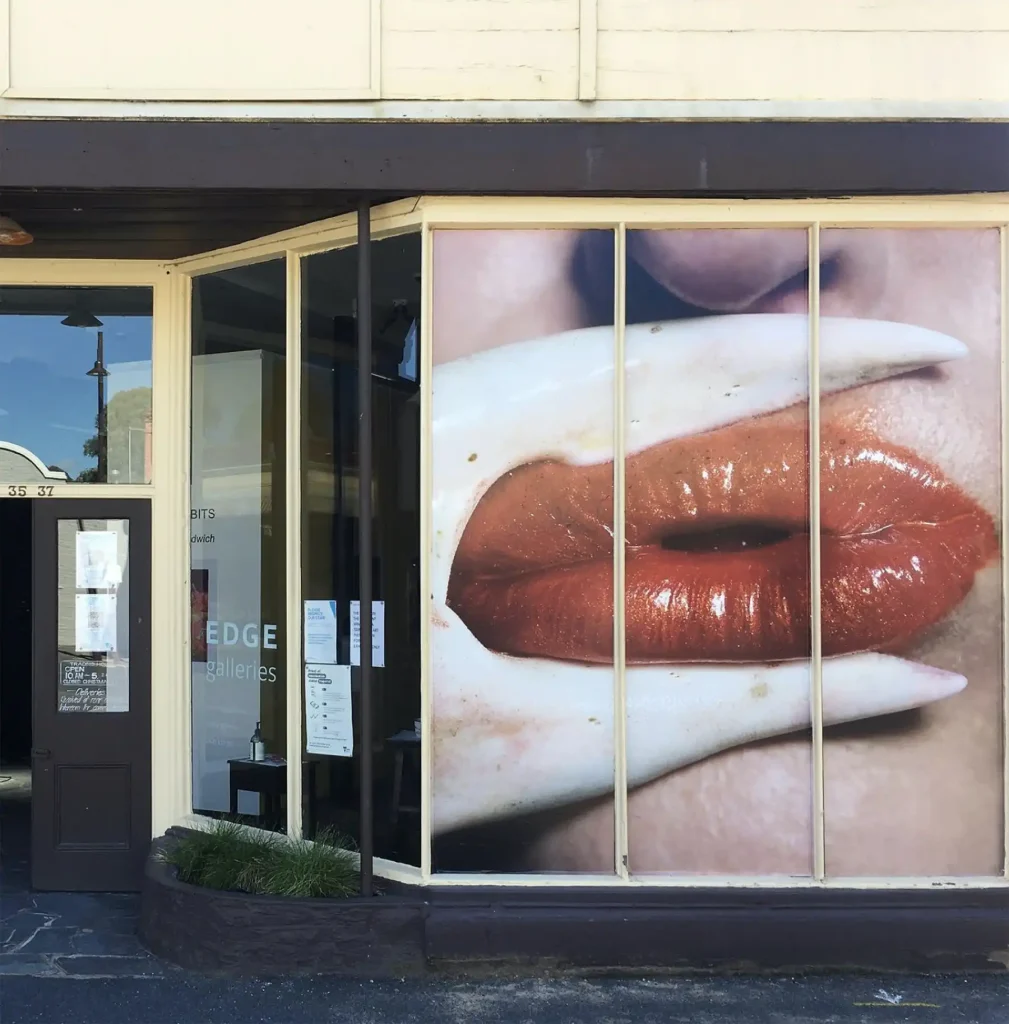
    • 2022 Sticky Bits, Edge Galleries, Maldon
    • 2021 Messy Beautiful, Edge Galleries, Maldon
    • 2019 Our Desires Are Not Our Own, Stockroom Gallery, Kyneton
    • 2017 Once upon a time the world wasn’t brown, Stockroom Gallery, Kyneton
    • 2017 EMIC, WestEnd Gallery, Melbourne
    • 2016 Unconscious Flesh, Alternating Current Artspace, Melbourne
    • 2015 Anonymous, Castlemaine State Festival

    Selected Group

    • 2024 Clavo Movimiento, Queer Bureau of Art, Mexico City
    • 2022 Fotografica PRPG Gallery, Mexico City
    • 2022 EXCEL Project, Oriq Gallery, Portugal
    • 2021 British Journal of Photography 1854 Edition 365 Award, Virtual exhibition NewArt City
    • 2019 Made to Measure, Town Hall Gallery, Hawthorn
    • 2018 Translating New Territories, Osage Gallery, Hong Kong
    • 2018 Mixed Tape, Stockroom Gallery, Kyneton
    • 2017 Translation(s) III, International Festival of Contemporary Art, ARTSTAYS 2017, Slovenia
    • 2016 Summer Salon, Alternating Current Artspace, Melbourne
    • 2016 Chalk & Cheese, Alternating Current Artspace, Melbourne
    • 2015 Translation(s) II, International Festival of Contemporary Art, ARTSTAYS 2015, Slovenia
    • 2015 Translation(s) II, Videotage Festival, Hong Kong
    • 2015 Linden Art Prize, Linden Gallery of New Art, St Kilda
    • 2014 Settlings, First Site Gallery, Melbourne

    Awards

    • 2021 Winner British Journal of Photography 1854 Fast Track Award
    • 2021 Winner British Journal of Photography 1854 Edition 365 Award
    • 2015 Finalist Linden Art Prize

    Gallery
  • Midori Samson サムソンみどり

    Midori Samson サムソンみどり

    Midori Samson is GlogauAIR resident
    from January, 2025 to March, 2025

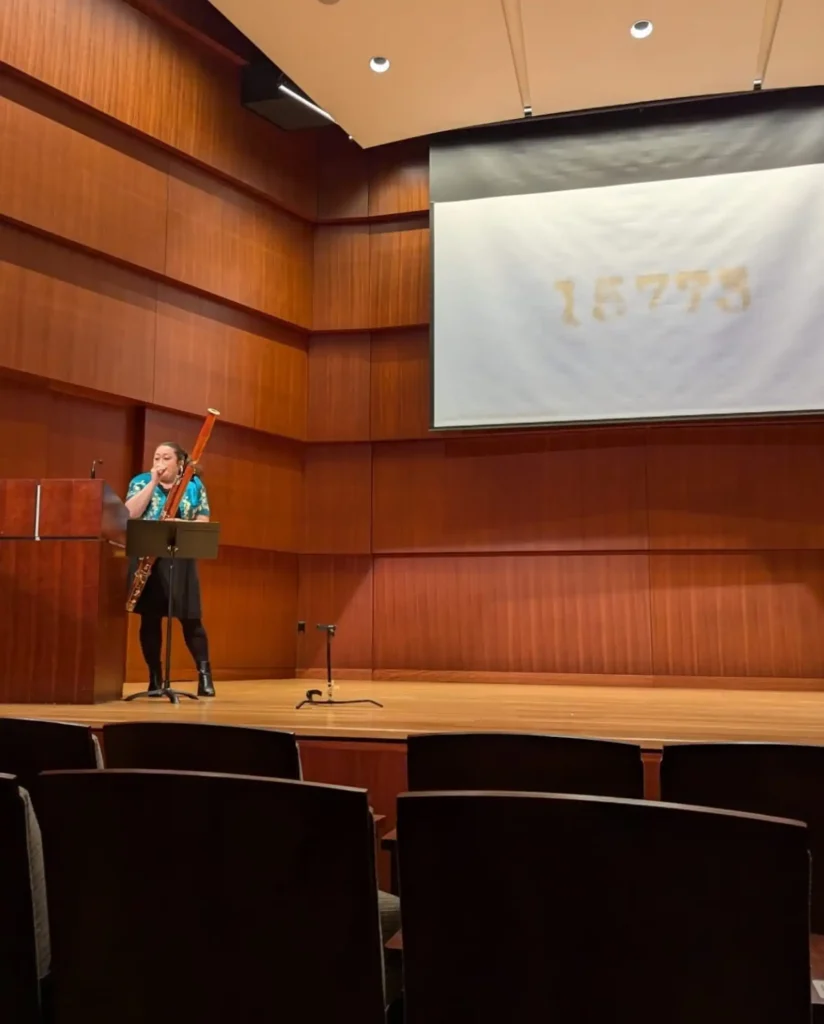
    Midori is a bassoonist, professor, sound artist, and social worker exploring music, trauma, and healing. Her work examines Asian American identity through her ancestors’ collective traumas, using bassoon, field recordings, and visual elements like embroidery, poetry, and photography. Through sound, Samson processes intergenerational trauma and help others use music for resilience and reclamation.


    Meet the Artist

    Statement

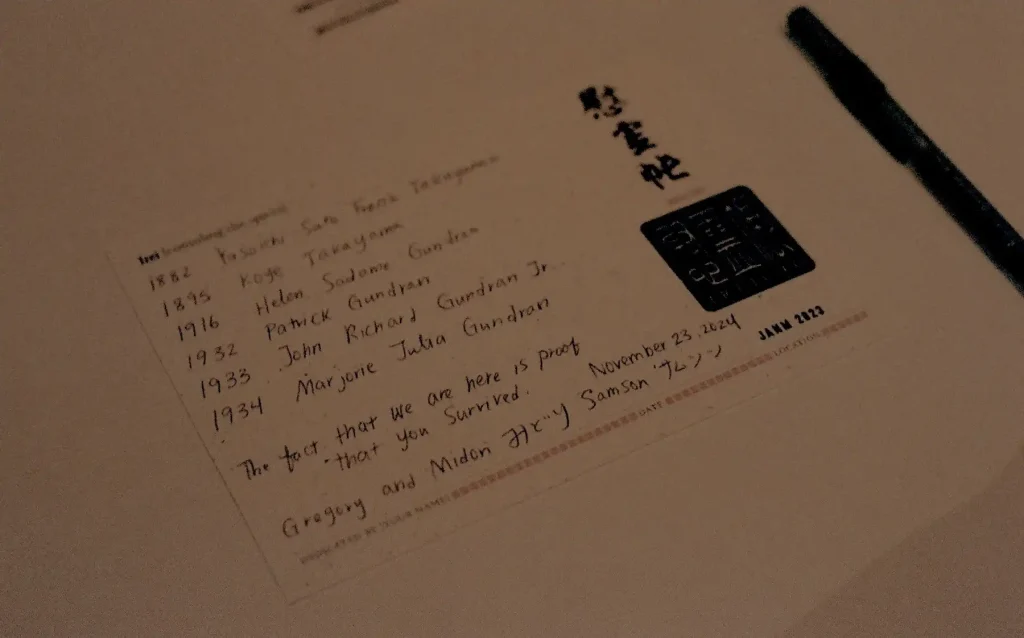
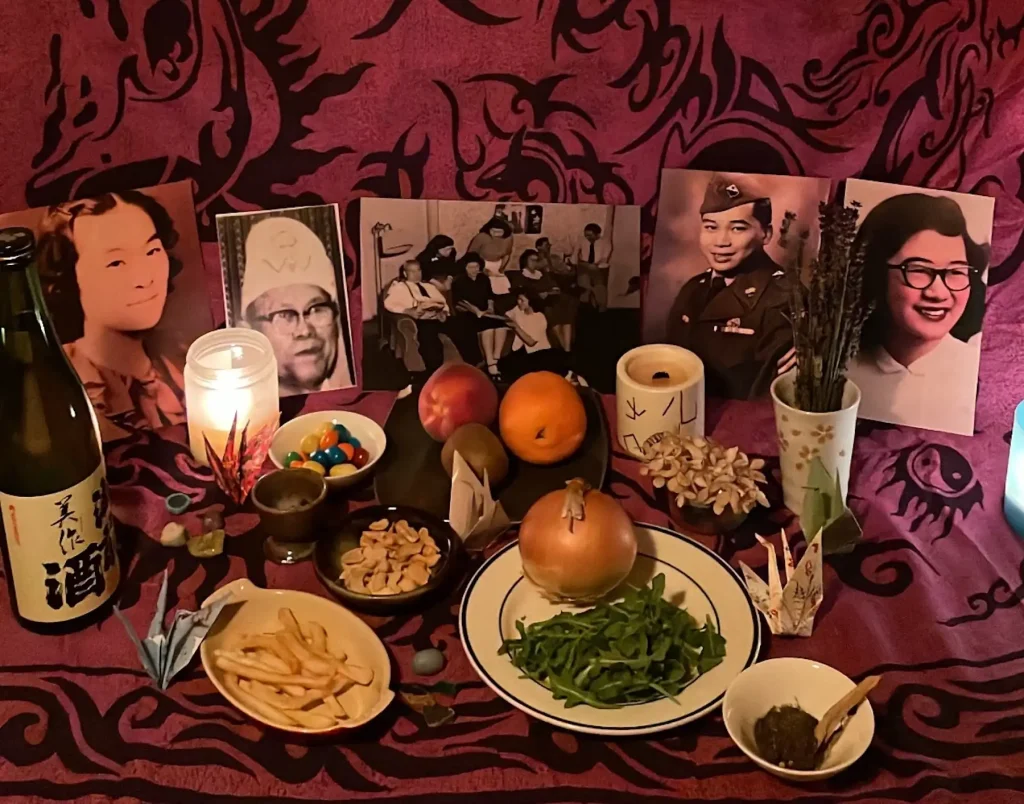
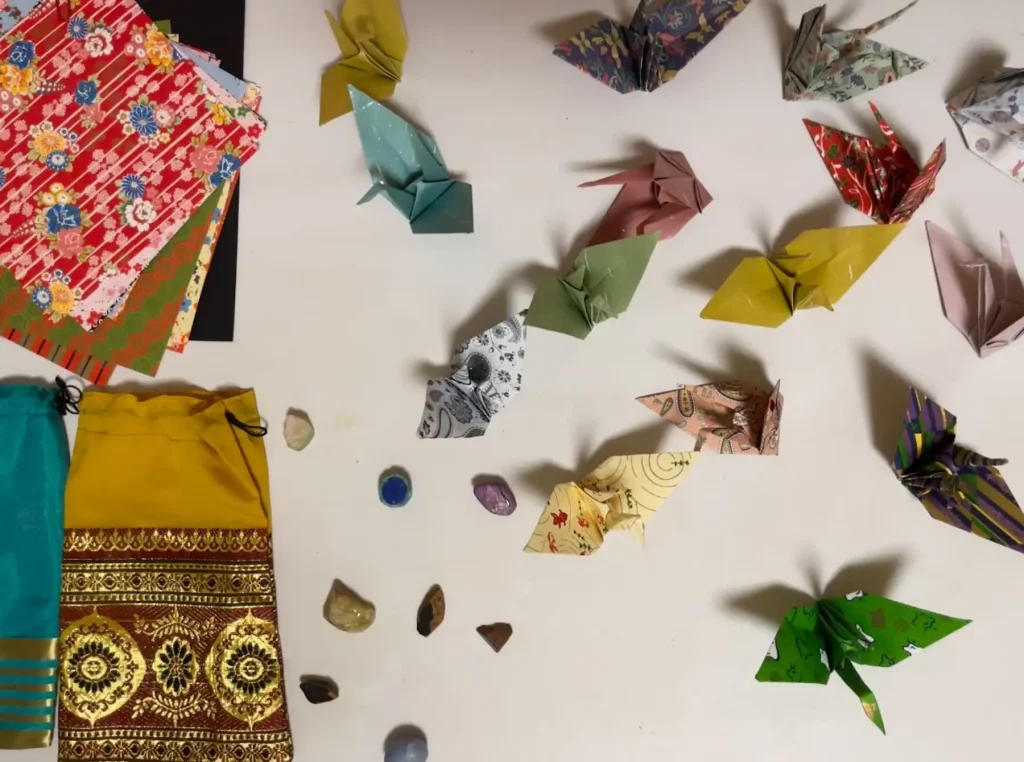
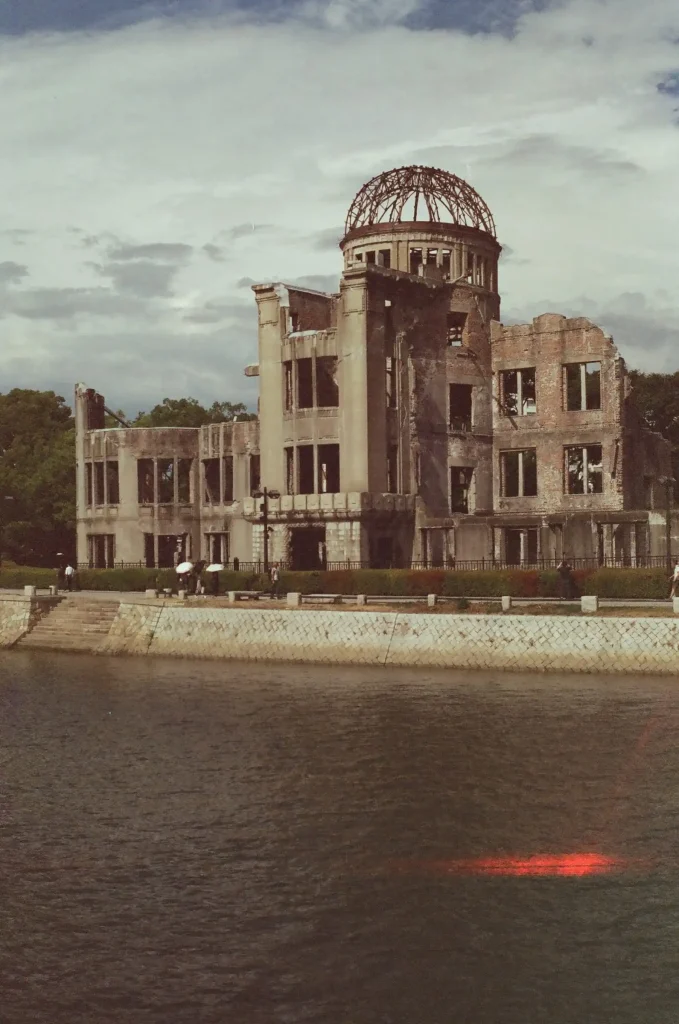
    I am a bassoonist, professor, sound artist, and social worker creating at the intersections of music, trauma, and healing. My practice explores my Asian American identity by examining the collective traumas experienced by my Japanese and Filipino ancestors. Using pilgrimage, autoethnography, and speculative fiction as methodologies, I compose with acoustic bassoon and field recordings collected at sites of family trauma (e.g., Hiroshima, Camp Tule Lake). I also integrate visual elements including sashiko (刺し子) embroidery, multi-lingual poetry, film photography, and butsudan (仏壇) installation. With audio distortion, repetition, and classical structures in my music, I process intergenerational trauma with sound, and I support others in using music as a tool for understanding resilience, reclamation, and liberation.

    GlogauAIR Project

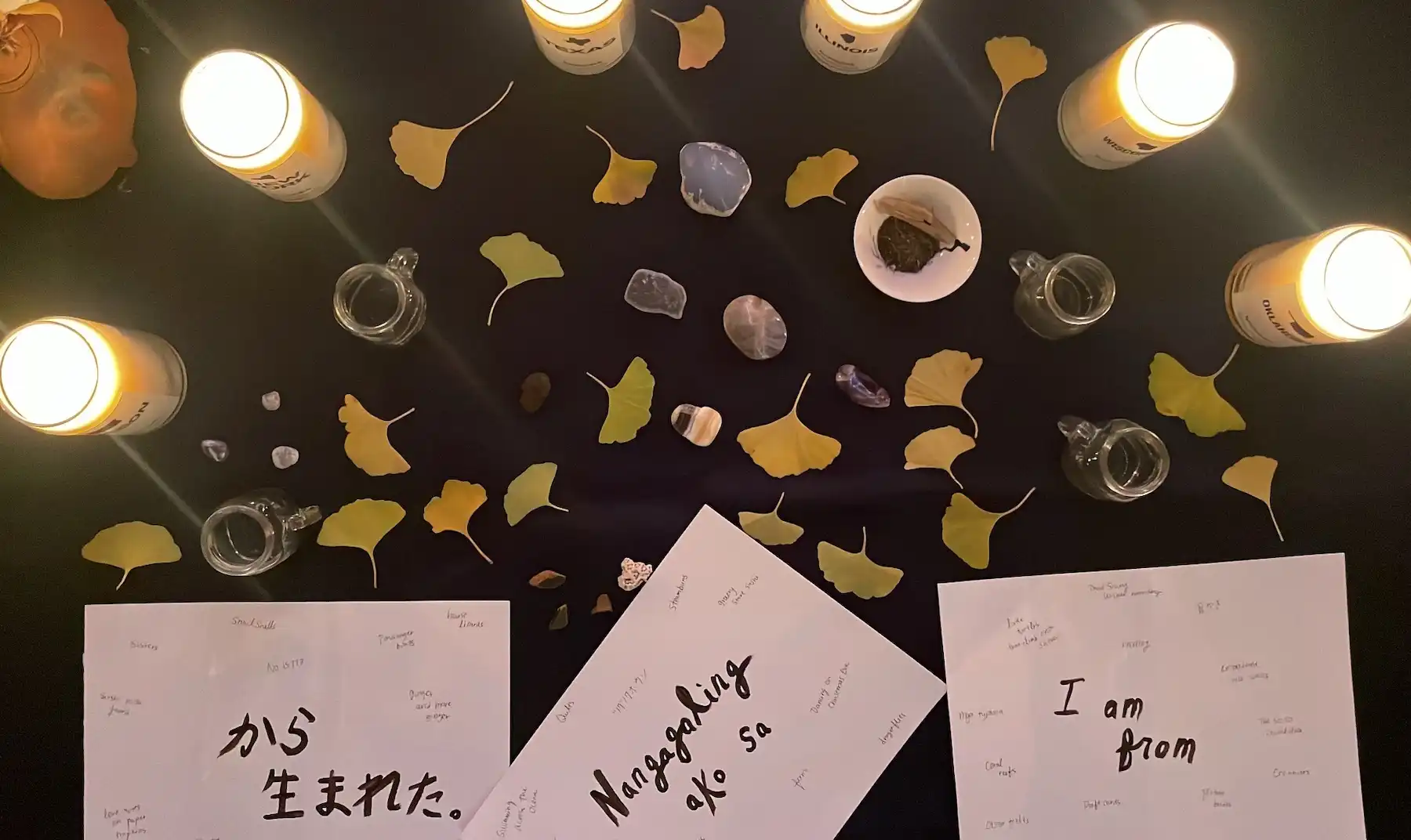
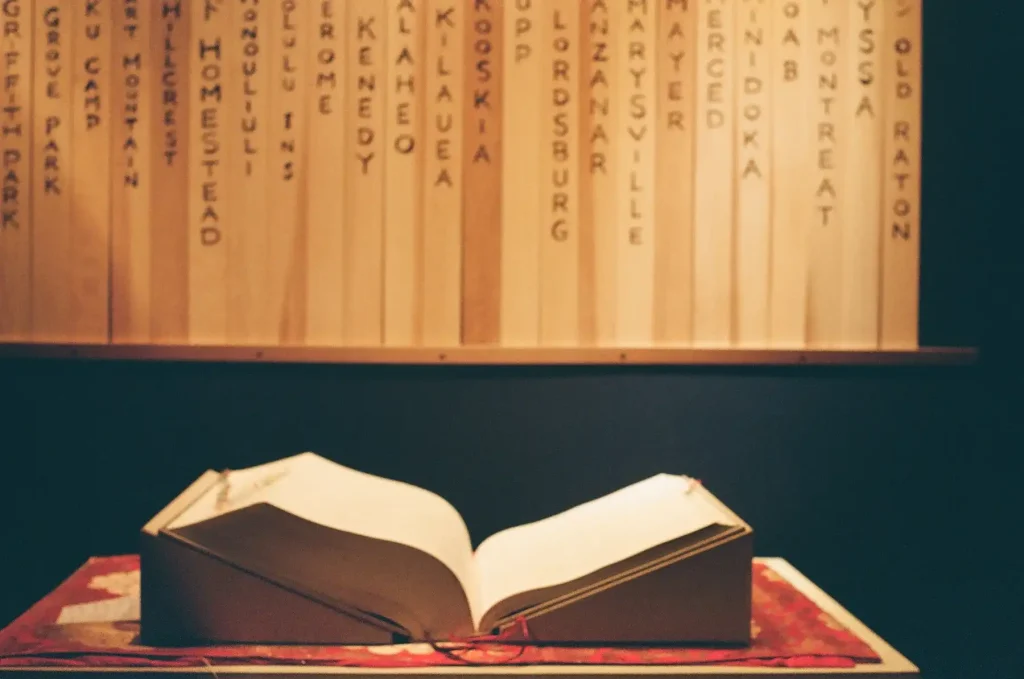
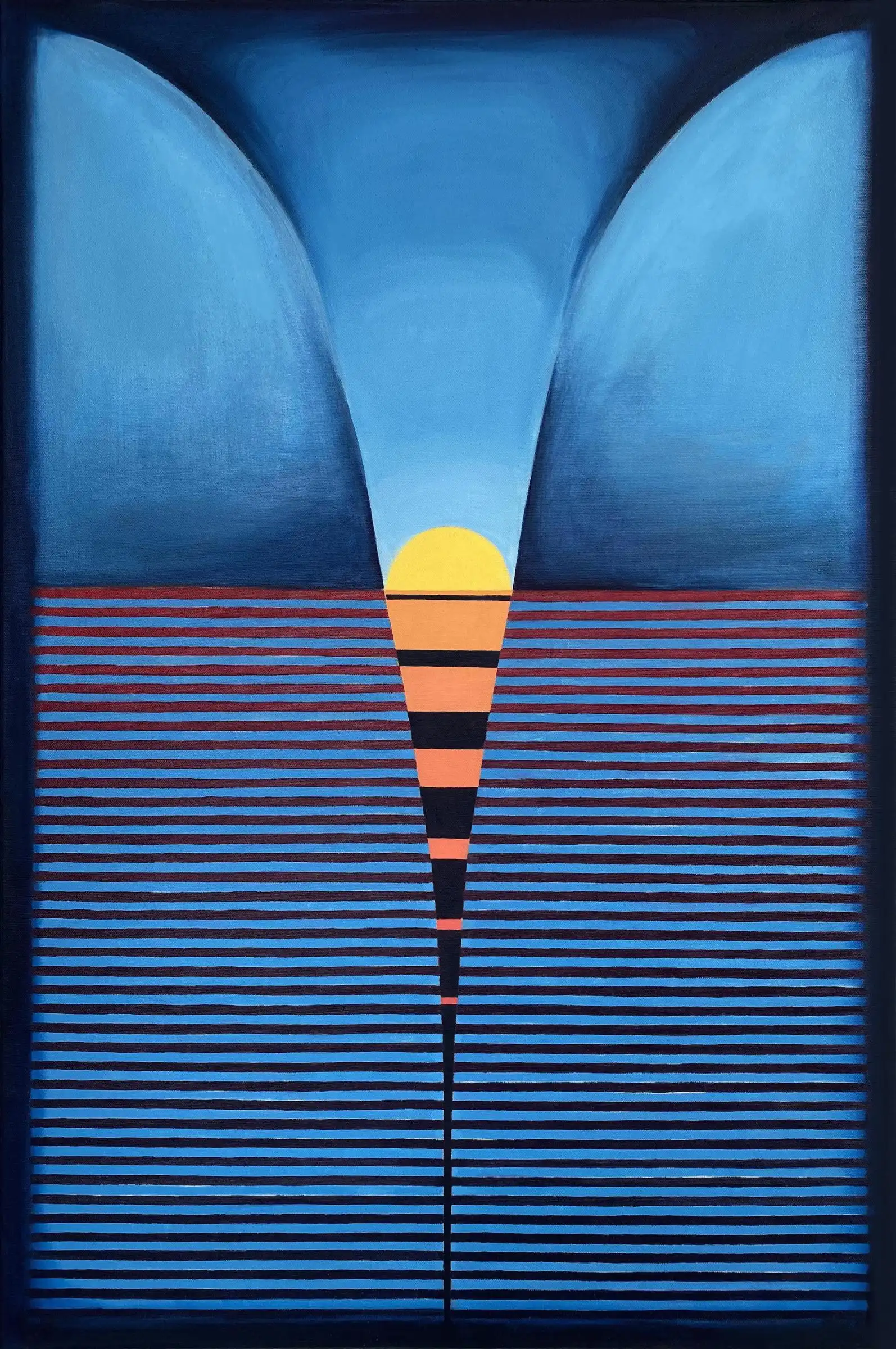
    I will use my GlogauAIR residency to work on music for my upcoming album. Using autoethnographic data and field recordings collected during a recent residency in Japan, I will synthesize those materials into two tracks. One track will represent my pilgrimage to Okayama, the prefecture my family emigrated from in 1906 when they came to the United States. The other track will focus on Hiroshima, reflecting on what my ancestors might have felt upon learning about the atomic bomb’s devastation in their home country from across the Pacific. Additionally, I will develop visual elements to accompany these tracks by conceptualizing ancestral altars that incorporate symbolic imagery. These Butsudan (仏壇) will serve as a tribute to the trauma and resilience inherent in my ancestors’ experiences of war, separation, assimilation, and loss.

    CV Summary

    Education

    • Doctor of Musical Arts, University of Wisconsin-Madison, 2021
    • Master of Social Work, University of Michigan, 2025
    • Master of Music, University of Texas at Austin, 2016
    • Bachelor of Music, The Juilliard School, 2014

    Current Appointments

    • University of Kansas, Assistant Professor of Bassoon, 2024–present
    • Bay View Music Festival, Wind Institute Faculty, 2023–present
    • Wisconsin Chamber Orchestra, Section Bassoon, 2016–present

    Performance and Research Residencies

    • Claire’s Continuum (New York), 2024
    • Hiroshima Peace Memorial Museum (Japan), 2024
    • Uganda Composers Meeting, 2023
    • Aqtushetii (Georgia), 2023
    • Belgrade Art Studio (Serbia), 2022
    • Flying Carpet Festival (Turkey), 2022
    • Youth Music Culture Guangdong (China), Appointed by Yo-Yo Ma, 2019–2020
    • Mashirika Theater Company at the Ubumuntu Arts Festival (Rwanda), 2019

    Community Music Collaborations

    • Peace Corps Virtual Service Pilot (Ukraine), 2024
    • Miejsce Otwarte (Poland), 2024
    • Payne County Youth Shelter (Oklahoma), 2022
    • Ruth Ellis Center (Michigan), 2019
    • Cemucha Institut de Musique (Haiti), 2018
    • RefugeeOne (Chicago), 2017
    • Music in Prisons (Chicago), 2017–2018
    • Umoja Youth Centre (Tanzania), 2016
    • Shanti Bhavan Children’s Project (India), 2015–2018

    Gallery
  • LiLi 丽丽 Nacht

    LiLi 丽丽 Nacht

    LiLi 丽丽 Nacht is GlogauAIR resident
    from April, 2025 to June, 2025

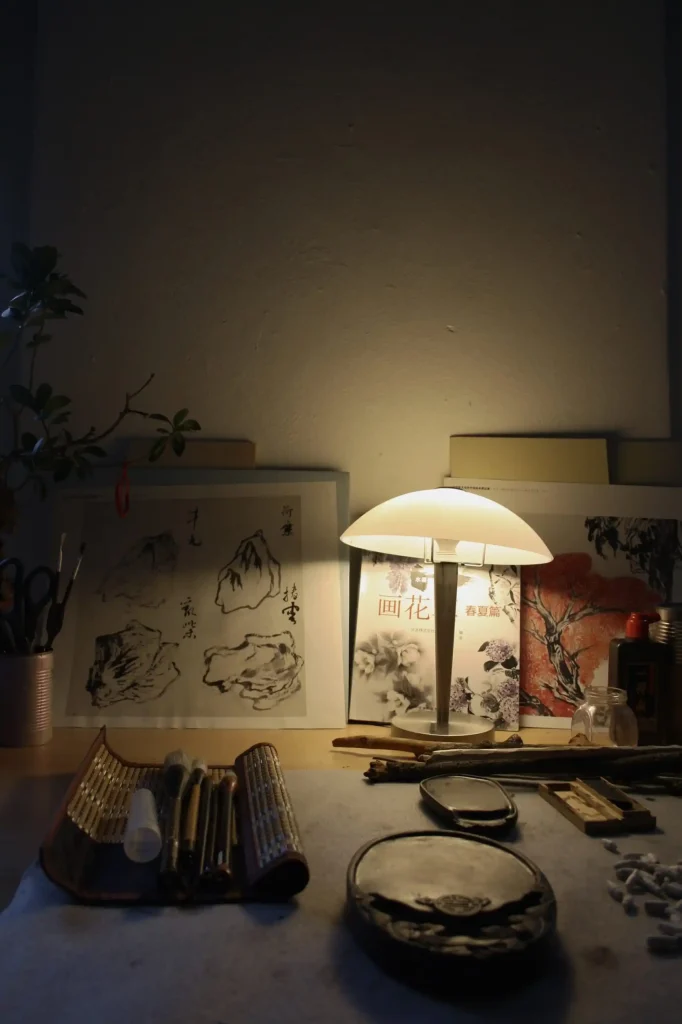
    The work of artist educator LiLi 丽丽 Nacht is rooted in meditation, ritual, Daoist/Buddhist practice, and 山水 (mountain water) ink landscape painting traditions. LiLi 丽丽 creates environments by employing a diverse range of media, including painting, performance, and social practice to explore the tensions between chosen and inherited identities.


    Meet the Artist

    Can you tell me about your background and the project you’re proposing for this three-month residency at GlogauAIR?

    I’m a visual artist and educator, born and raised in Memphis, Tennessee and Wuhan, China. This gap between cultures is quite vast, and dealing with these differences is what brought me to a creative practice.

    During the GlogauAIR residency, my project has become a research deep dive into I Ching, which is an ancient book of wisdom and oracle tool from thousands of years ago, Dao De Jing, one of the foundational texts of Daoism, as well as the compositional element, liu bai, or “leaving white”. Liu bai is a technique from the Chinese shanshui painting tradition, where emptiness is intentionally used within the composition to represent a space where you can project your imagination. I am also thinking about the correlation to Taiji Quan movements. There’s actually a lot of overlap between these different texts and practices, and they all inform each other.

    What role does the body play in the creation of your work, particularly in relation to meditative movement?

    As I’ve been learning Taiji Quan with my teacher Lingji Hon, who comes from a long lineage of Taiji Quan masters, I’ve been trying to channel the qi, or energy, moving through the body into the work itself. Letting the movement influence the forms that come out. Shanshui painting doesn’t emphasize visual accuracy as much as capturing the inner essence and life force of the subject–the feeling you have while creating. A movement practice really pairs well with this.

    Previously, performance has been a crucial part of my work. This time, I’ve decided to focus more on the visuals as the creative output, informed by historical research and Taiji Quan practice. A lot of these images stem from specific movements or I Ching hexagrams. They’re not just random shapes and abstract forms. I’ve been struggling a bit in communicating this, but I think if people can understand that the work is created through an exploration of movement and energy, it helps give more context.

    In your artist statement, you mentioned a desire to foster collective unlearning. How does this intention manifest within the specific project you’re developing during the residency?

    During the residency, I’ve also hosted a few workshops. I’m very interested in social practice and using art as a tool for bringing people together in addition to having my own studio practice. Together with Tofu Stand Collective, we organized a tofu-making and puppet theatre event sharing the story of how tofu was brought to the West by Chinese anarchists. This past Sunday, I hosted an I Ching workshop as well. All of these are dealing with knowledge that is passed down between generations. A goal of mine is to provide diasporic people with opportunities to understand the wisdom of their culture more in depth and to develop practices of resilience within the community.

    Specific to the works here in the room, I’ve been learning a lot from I Ching and Dao De Jing. There’s so much depth to the words. These learnings have changed my mind about my process and even about the world in general. It’s taught me to be more humble and accepting towards life. I am certain many people would benefit from these ideas. Unfortunately, I think the wisdom of these texts can be difficult to access without guidance or studying. I wanted to create an environment and visual representations that offer an entry, without having to read, read, read. Maybe it’s a universal feeling that can be transcribed regardless of language.

    About “unlearning”, I mentioned earlier that I come from the American South and also from Wuhan, China. Living in Tennessee, I hated being Chinese and suffered from a lot of internalized racism; my heritage is what marked me as different from my surroundings. When I was in China, I was also treated as though I’m not from there. I developed a superficial and kitschy understanding of Chinese culture “oh, there’s this dragon scroll or Kung Fu characters in a movie”. It was passed down to me through consuming media that wasn’t authentic or intentional. Now that I’ve taken time to really understand the history, texts, movements, and philosophies of the culture I’m from, I’ve gained a whole new appreciation. I’m no longer constantly negotiating with the world my right to belong. The process of unlearning is crucial, because as we become adults, we have to decide what opinions are our own and what beliefs are inherited from the environment where we grew up that no longer serve us. That’s what I mean by unlearning. I didn’t even know how to pronounce yin yang correctly for a big part of my life, let alone understand that it represents an entire belief system.

    How do you navigate the tension between the traditional and the contemporary in your practice, and do you aim to preserve ancestral forms, or do you reimagine them from a critical and personal perspective?

    I’m interested in what is simple and what endures. Tradition gets a bad reputation, because it often becomes conflated with nationalism, or it is used as a reason to ostracize. It is misunderstood, because it’s not current or it is presented outside of context and cut off from the true meaning (think yin yang symbols on merchandise). I do believe there is a lot of knowledge held within cultures that should not disappear; there’s a reason why some things have been done a certain way for centuries. Of course, there are aspects of tradition that have to change, and we have to move with the times. Lucky for us, knowledge has a way of disappearing then remerging as we move through periods of peace or periods of distress. The past years have been very difficult on the global scale, and I think now more than ever we must lean on this collective wisdom held within our histories.

    How does it fit into the contemporary context? I’m very interested in how diasporic people who have left home for whatever reason–war, forced migration, searching for better opportunities–embody this new hybrid knowledge that is formed in the process of uprooting and building a new home. That’s where it gets interesting. How does this synthesis of information happen within someone’s life? With unlearning, it’s important to recognize the context of where you’re from, to be able to know where you’re going. To live from a place of true understanding, because if you don’t, you’re hiding from a part of yourself.

    What role does silence play in your creative process, and do you see it as an active tool, a compositional element or a necessary framework for the project you’re working on here?

    Yes, absolutely. Silence can be understood as emptiness, or a manifestation of yin energy – a pause or retreat. And as I’ve learned from I Ching, emptiness can be seen as receptiveness. It allows for something to come in. Within this philosophy, the binary is not really a binary. It’s more like two counterbalances that together form a whole. A valley is empty, but it is the most fertile land because it allows for water to enter, allows for life to enter, and in doing so becomes full. So, silence is something that holds everything else around it. Emptiness within a painting or an artwork holds the rest of the composition in balance. By lui bai or “leaving white”, you create space for contemplation and allow the mind to wander to other places beyond the surface of the canvas, maybe even beyond the room. And I think this liminality is very beautiful.

    Statement

    The work of artist educator LiLi 丽丽 Nacht is rooted in meditation, ritual, Daoist/Buddhist practice, and 山水 (mountain water) ink landscape painting traditions. LiLi 丽丽 creates environments, abstract forms and fluid compositions that transcend the literal, inviting viewers into a space of reflection and connection with their inner world. LiLi 丽丽 employs a diverse range of media, including painting, performance and social practice, to explore the tensions between chosen and inherited identities, reimagine historical narratives, and foster collective unlearning.

    GlogauAIR Project

    Central to this project is the traditional Chinese painting compositional element 留白 liu bai, or “leaving white,” where negative space is intentionally used in a work of art to represent an internal state or as a blank web for projecting the imagination- an emptiness.

    Building upon this foundation, the project envisions the creation of large-scale painting scrolls that capture the fluidity of meditative movements and embody the essence of transformation inherent in such practices. The work will also integrate corresponding I-Ching hexagrams and offer visual interpretations of these symbols. This liminality aims to highlight moments that exist between states of being and the potential found within pauses or the anticipation of change.

    Introducing I Ching:
    A Workshop and Community Offering

    CV Summary

    • Born in Memphis, Tennessee
    • BA in Visual Arts at Columbia University in New York City with additional courses completed at Universität der Künste in Berlin
    • MFA at the China Academy of Art (中国美术学院) in HangZhou, with a specialization in traditional Chinese landscape painting (2022)
    • Taught in universities, schools, and museums across China, USA and Germany
    • Founding member of the MengCheng 梦城团 Collective, a queer collective of Asian-American artists from the American South with a focus on resource dissemination, archive making, intergenerational dialogue, communal healing, and empowerment.
    • Upcoming exhibitions:
      • Minerva Gallery (CN, Aug 2025)
      • Sheet Cake Gallery (USA, Feb 2026)
    • Selected exhibitions:
      • NADA Curates “As It Unfolds” (online, 2025)
      • Stove Works “Celestial Bodies” (USA, 2025)
      • UrbanArt Commission “Between Heaven and Earth, We Build Our Home” (USA, 2024)
      • Crosstown Arts “KAI PA TI” (USA, 2023)
    • Press/Publications:
      • Suhrkamp Verlag
      • Focus LGBT+ Magazine
      • Burnaway Magazine
      • DADDY Magazine
      • The China Project

    Gallery
  • Martin Winkler

    Martin Winkler

    Martin Winkler is GlogauAIR resident
    from April, 2025 to June, 2025

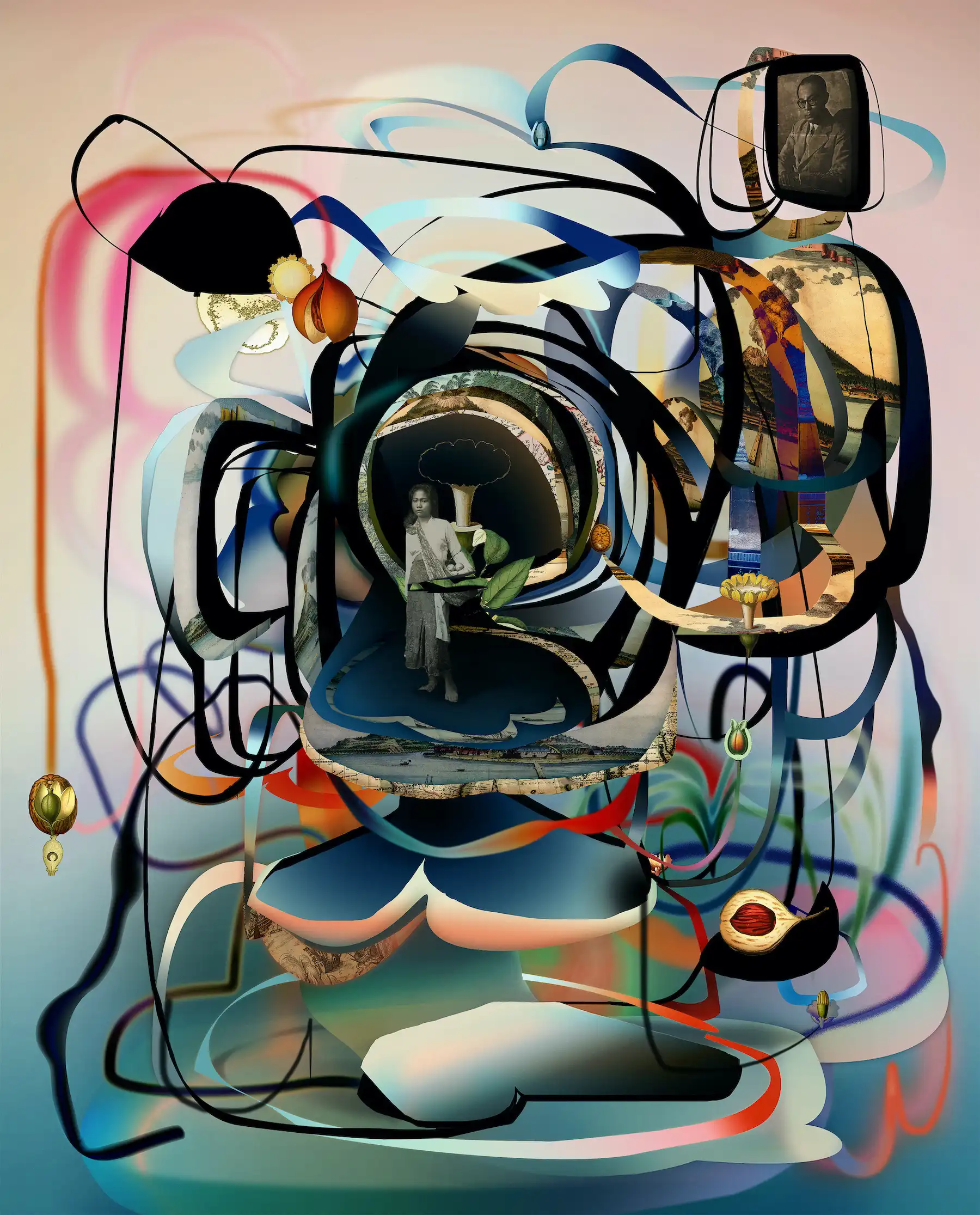
    Martin Winkler is a visual artist based in Göttingen, Leipzig, and Berlin. His work explores queerness, history, and pop culture through painting and installation. Drawing from journalism and travels, he recontextualizes overlooked narratives with humor and stark symbolism. Inspired by historical imagery and media tropes, his vibrant, simplified forms invite reflection on identity, trauma, and resilience, blending past and present in visually striking ways.

    Meet the Artist

    Can you tell me about your background and the project you are proposing for this three-month residency at GlogauAIR?

    I’m a visual artist from East Germany and I have a background in painting and journalism, which I also studied. For my project at GlogauAIR I want to research the origin of homophobia and use my work to educate people—without relying on words. I also want to entertain them and share this message in a fun, humorous way.

    In your project, you mention that it explores gay pop culture. Gay and queer pop art often uses humor as a tool for subversion and resistance. What role does humor play in your project?

    Using humor is always a good method in dark times, but also to show people a mirror. Queer culture has always used satire or camp to change the position of who’s making fun of who. So, I think humor is a nice channel to build up a conversation and also open up topics. For me, personally, it’s very important. I’m doing it to have fun by myself and when it’s done, I will share it with others. I notice that people also do enjoy it in a certain way, so I think humor is a very instinctive thing.
    How does your personal experience influence the way you approach discrimination from an artistic and emotional perspective?

    I spent my childhood in the countryside in a very right-wing and conservative area, so I’ve always felt like something is off and that I didn’t fit in the way people want me to. But as I got older, I found myself in this mindset of ‘I want to make art, but I need money to do it,’ which led me to push myself so hard that I ended up burning out. It was a really tough experience.

    I noticed that discrimination in my childhood, but also growing older, that’s the thing that I want to communicate because I think the biggest problem these days is the lack of empathy for each other, and I think through colour and symbols, people can find a trigger. I can open up a channel that says “oh that’s pretty, that’s fun”, but then also make the viewer aware of being more sensitive, and to listen to each other, and be there for each other, and have empathy.

    For my project, from the perspective of switching generations and being queer and being one of the first generations getting older being queer, because everyone thinks about parties, cocktails and sex, but nobody’s talking about how to age in dignity. So, I’m really excited about that, growing older but also of what will come out of my work and how much I can leave the trauma behind but also bring people together, so they can understand like “oh wow, we should listen more instead of always seeking competition“.

    So, gay pop culture is often celebrated for its vibrant and festive aesthetic, but it can also conceal deeper layers of pain and marginalization. How do you navigate that duality in your work?

    I grew up next to a church that had a graveyard and the house of the pastor. So growing up next to a graveyard, and being out at night -especially in autumn and winter when it’s dark- we weren’t many children in the village but I remember that there were always these funny storytelling things like: “let’s go in the graveyard and go through the graves” and think how people could have died, and I don’t know, coming up with stories which is still a strong part of my work, storytelling and working with strong symbolic images.

    At some point, I reached a place where I was a bit annoyed that the medium that I work with was so flat. I wanted to make it multi-dimension to also step into it.I wanted to work more on installation than painting, which brings us to my project. It’s going to be a life-size horse, but also loose linen hanging from the ceiling, so the reference is Raoul Dufy’s “La Fée Electricité” which is the history of electricity, but when you see it, it’s like rainbow colors and easy shapes, you can really enter the painting which was super inspiring. I wanted to break this whole traditional idea of painting because I don’t think that I work traditionally, instead more intuitively.

    I found myself not too long ago thinking that Christopher Street Day is always colourful, a party, drugs, I don’t know. But later, I figured out on a trip to New York, that it’s based on a demonstration, a riot, and I was a bit embarrassed that it took me so long to understand that. I think humor, grief, and all that stuff goes hand in hand, and it’s a strong channel to communicate a message if you just communicate it in a sad way. There’s already so much sadness, so I want to change the way the communication is functioning in a way of making it entertaining, and not sadder than it is already, so I think it goes hand in hand.

    I was looking at your studio and wanted to ask you about all the new pieces that you are working on right now.

    One night I found this big topic of “outsider art” in combination with gay artists. Later, I discovered the work of artists from the past and through this whole aesthetic I was really into, this whole magical world connected with fairy tales and storytelling that I really dived in deeper. So, it’s going to be part of the window, and partially also in the showcase. There will be a lot of bones, rusty nails and teeth.

    This takes me to the graveyard that we spoke about before.

    Yeah, you know, the things that trigger bad feelings. Like bones and teeth, they’re built up in layers, like a collage kind of thing, so for me they start to be less scary and more exciting because it’s such an interesting material, it’s like the hardest material you have in your body. I want to trigger the bad things on the spectrum but in a very decorative way, and this whole occult-magic art is pretty close to that, like voodoo and all that stuff.

    I think that the core of my work is to trigger instincts that we brutally got away from, because children now have so much empathy and have this uneducated logic in life, and the older you grow, the more you have to function in a certain way, and I want to bring people back to the mindset of following instincts and even if you don’t understand why you feel that way, dive in and try to figure that out.

    Statement

    Martin Winkler (b. 1992, Halle/Saale, Germany) is a visual artist based in Göttingen, Leipzig, and Berlin. His work explores queerness, history, and pop culture through painting and installation. Drawing from journalism and travels, he recontextualizes overlooked narratives with humor and stark symbolism. Inspired by historical imagery and media tropes, his vibrant, simplified forms invite reflection on identity, trauma, and resilience, blending past and present in visually striking ways.

    GlogauAIR Project

    During my GlogauAIR residency, I will develop Beyond the Rainbow, a large-scale painting exploring the evolution of queer pop culture and discrimination over time. My focus lies on the human emotional spectrum—fear, anger, disgust, and repulsion—emotions we cannot consciously control. Inspired by Raoul Dufy’s La Fée Electricité, I experiment with old theater techniques, illusions, and multidimensional painting to challenge perception. Using gouache and Japanese ink on loose linen, I aim to create immersive, confrontational storytelling that reframes queer history.

    CV Summary

    Martin Winkler
    Visual Artist
    Born in 1992 in Halle (Saale), Germany

    Education

    • 2024–2025: Master Student under Prof. Dierk Schmidt, Kunsthochschule Kassel
    • 2017–2024: Fine Arts Studies, Kunsthochschule Kassel (Graduated with Distinction)
    • Previously: Journalism and Publishing Studies in Magdeburg and Leipzig

    Exhibitions (Selection)

    • 2024: Documenta Halle, Kassel
    • 2024 “tears for queers”, exhibition hall, Kassel, Germany
    • 2024: New Artist Exhibition, The Ballery, Berlin
    • 2023: Offspace “Mars,” Frankfurt Main (work acquired by the Frankfurt City Council)

    Gallery