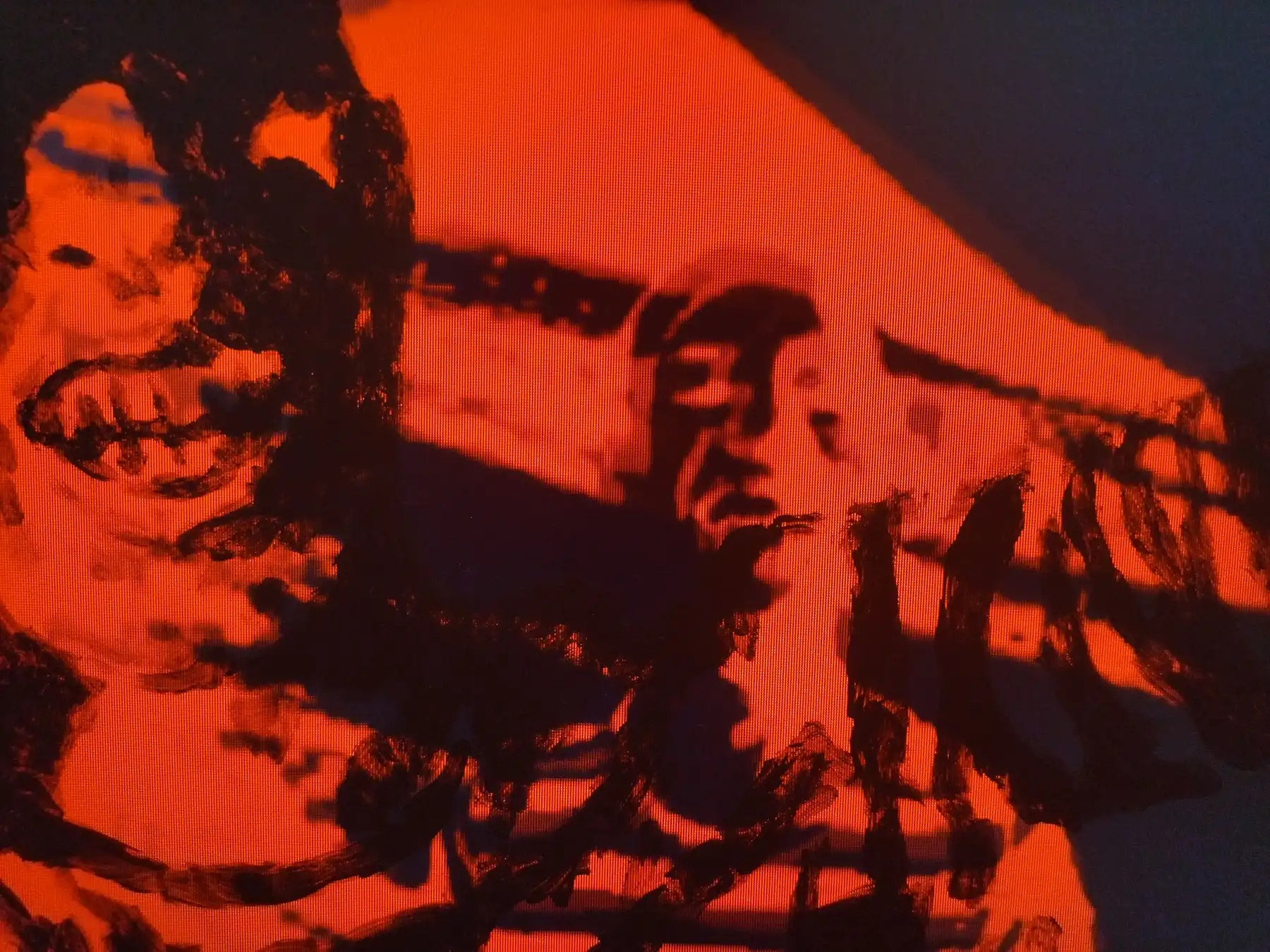
Carlos Bonet is GlogauAIR resident
from July, 2025 to September, 2025
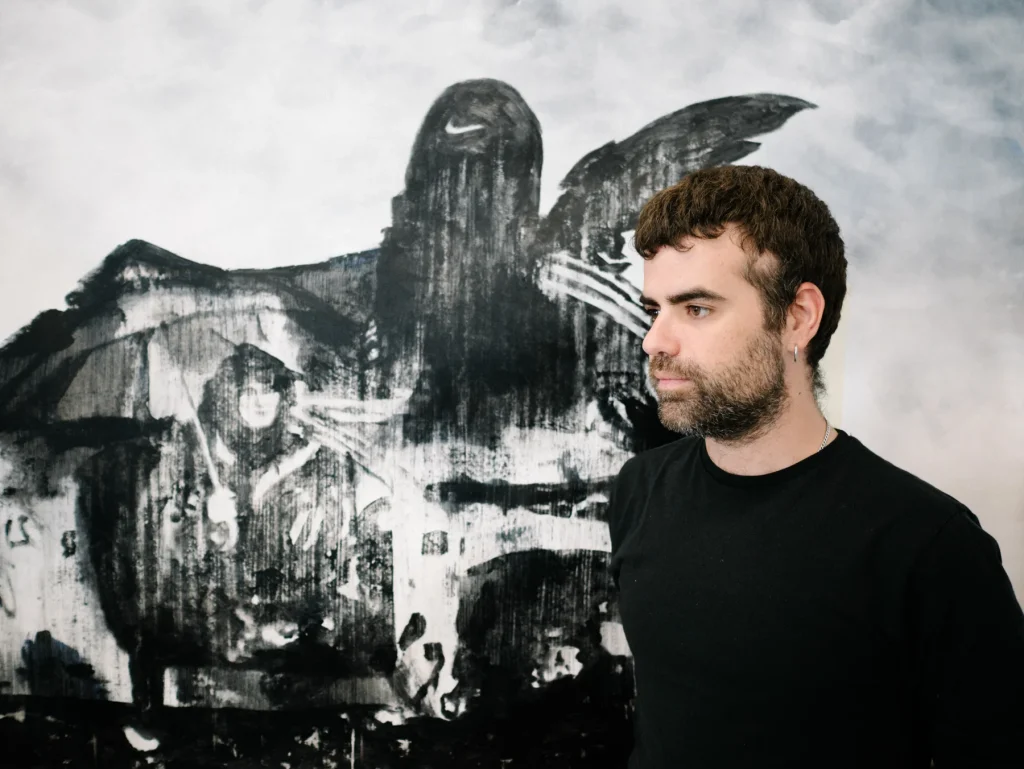
Carlos Bonet is a multidisciplinary artist working across audiovisual and pictorial media, with a parallel focus on cultural mediation. He has contributed to spaces like EACC (Espai d’Art Contemporani de Castelló) and is co-founder of the assembly-based contemporary art space CÚMUL. His work investigates the relationship between power and pleasure within capitalist structures and often includes cultural phenomena such as techno and punk.
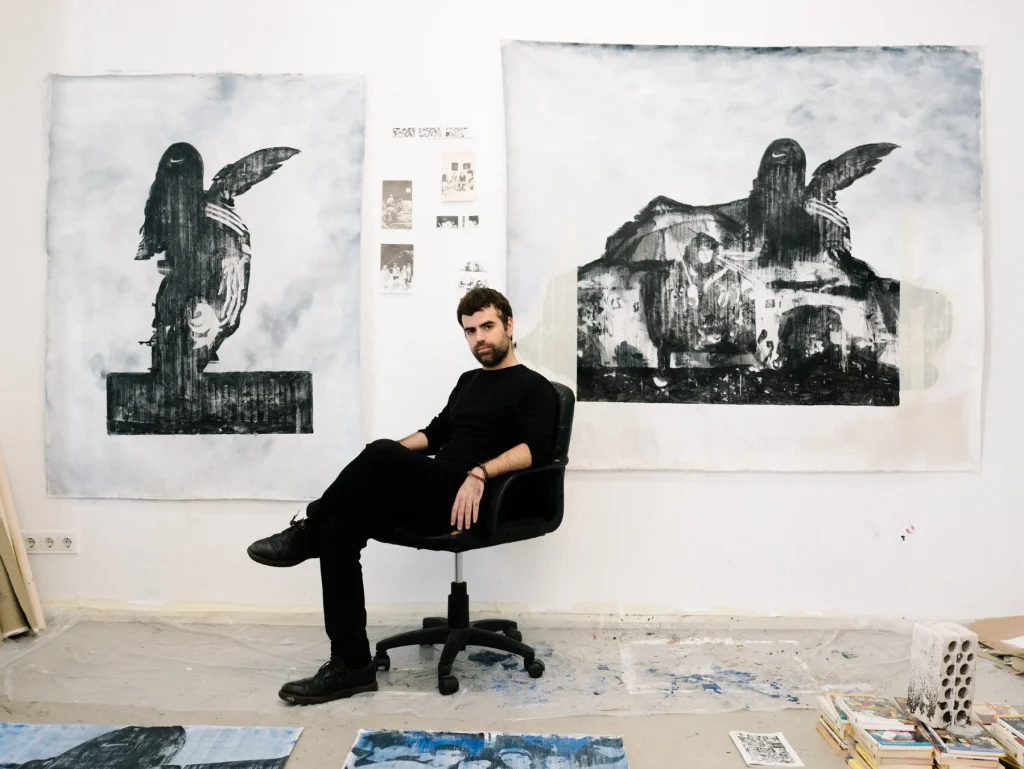
Meet the Artist
Could you tell me more about your background and the project you are proposing for this three-month residency at GlogauAIR?
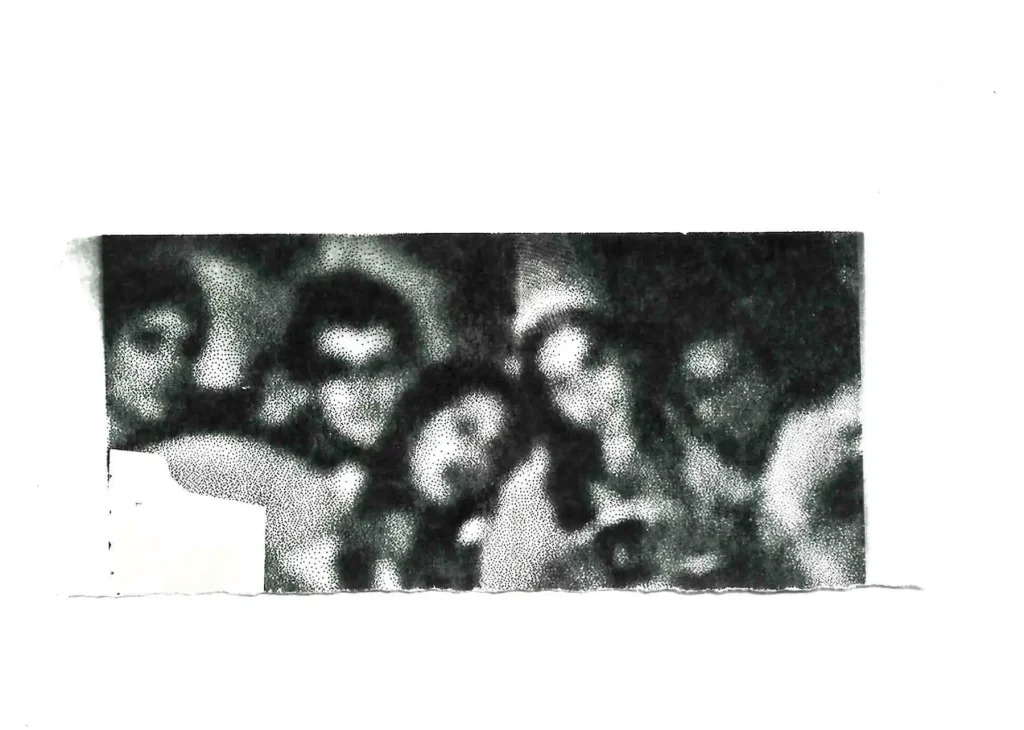
The project has two antecedents: one is a residence I did at the Konvent 2.0 in Cal Rosal, Barcelona, where I was working on the relationship between clubbing and the industrial area. I wanted to find a nightclub in a very big industrial area that would give me this feeling of being in a sort of ecclesiastical temple, the idea of ritual. The second one comes from a project I was doing for an exhibition in the contemporary museum of my city. The work was about “the young workers”, the people who built the museum at the end of the 90 ́s. The generation of the housing bubble, the “golden era”, political corruption, the boom of nightclubbing, people would work, buy a car, and go partying. It was a very hedonistic context and I found it interesting to work on these relationships. During this research I found an image of five friends partying at Pirámide, a nightclub in Castellón, my city. It had been taken during a night in 2009, the same year that the club closed due to the 2008 economic crisis. And I started to think about the after party, the idea of the end of the party, the end of nightclubbing, the end of the housing bubble, the consequence of extreme political corruption, and also the end of hedonistic life. It all felt to me like a poetic analogy.
Later, I found a book from my childhood called “The Famous Five” by Enid Blyton, and I instantly made the connection between the five in the image and the five of the book. What was interesting to me is that the book described a very archetypical idea of youth, which was a total contrast with the friends in the picture. So my work is about putting teenagehood and youth in perspective. I feel particularly interested in this moment of life because it’s the time when people build their identity, the identity of a group, and where all the romanticism of the absolute ideas come from, also political ideas.
Your project could be interpreted self-referential, given that you share both the age and hometown of its protagonists. How do your personal experiences after the economic crisis intersect with the characters in The Famous Five? What aspects of the contrast between the historical context in the book and your own at that moment captured your attention the most?
The question is interesting because it lets me explain this. Despite the title, this is not an autobiographical project through which I aim to narrate something personal or intimate. It is more a collective portrait in which we never see the faces of these five friends. My interest is for the viewer to fill in that gap with their own experience. I’m fascinated about what happens during the teenage years and the interpretation of social and cultural movements, by making a contrast between them and the contradictions of the famous archetypes of that era. For example, “The Famous Five” are five friends who represent idealized models of youth, figures perfectly shaped to fit in society. Their concept of life and adventure is completely different from that of the five friends after the club. For the latter, adventure is tied more to excess, drugs, and nightlife. This contrast brings up the idea of a lost innocence and reflects the signs of a depressed, troubled era.
Would you say that your very early experiences in a context of economic restriction shaped your artistic vision and trajectory? If so, how do you feel they have influenced your way of perceiving and creating?
Well, even though I try to distance myself, my personal vision is present. My memories from that time are not only mine, but also experiences from friends or other people. I lived and observed the things that most young (and not so young) people saw at that time such as the TV news shows or political speeches. Ultimately, this project is a portrait and analysis of that period of youth from an observer’s perspective, it could be me or any other viewer, interested in knowing more about the story behind this. Although it focuses on a specific time and place, I believe it transcends that local category and can be understood by any other generation or anywhere else in the world. In the end, local questions are universal.
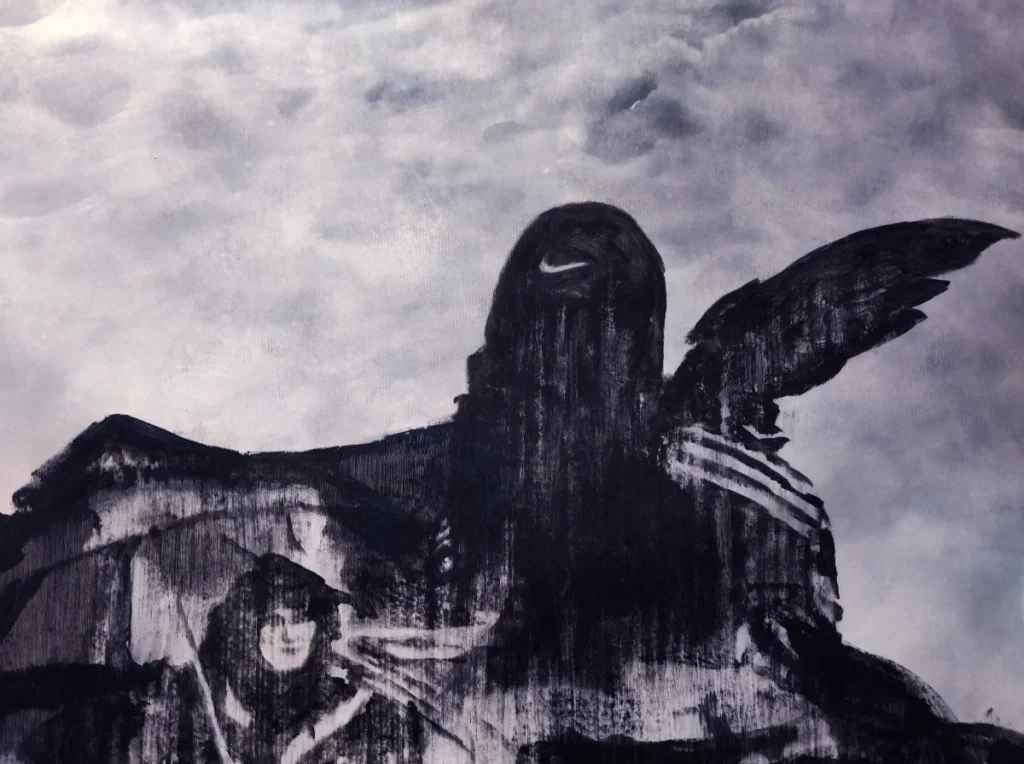
In your project for GlogauAIR, you aim to evoke the ghostly presence of these five friends to explore the themes of hedonism, power and capitalism. Could you tell us more about the mediums you have chosen for this representation and why?
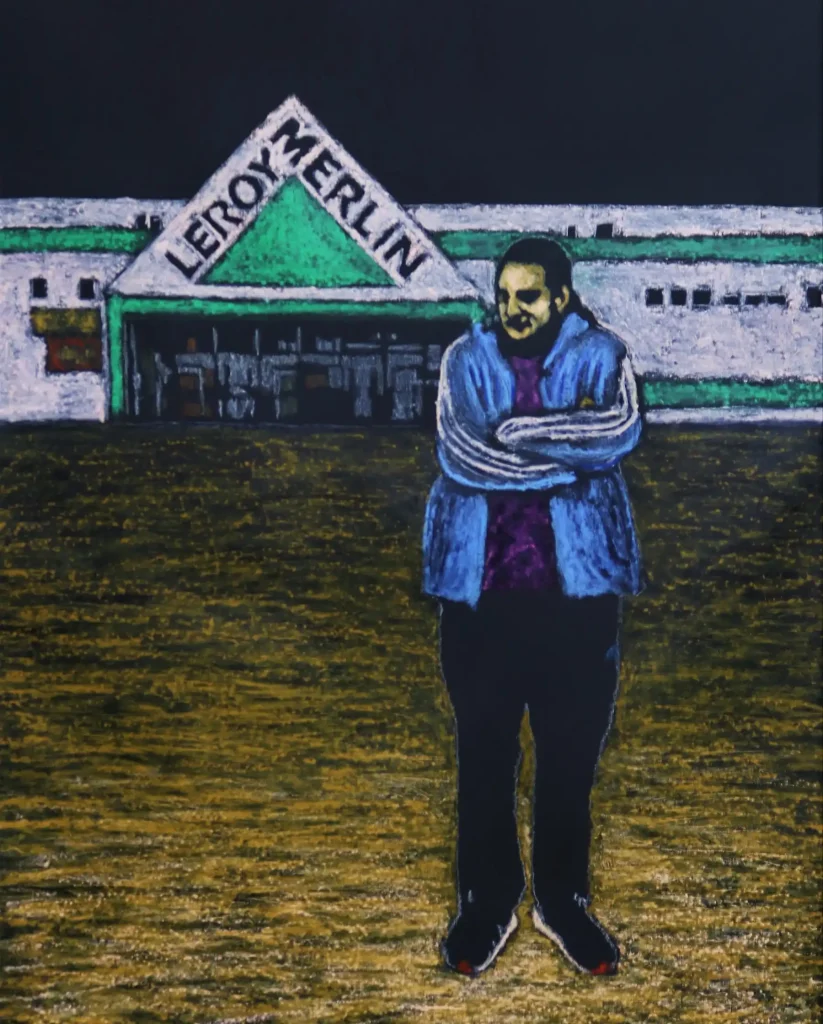
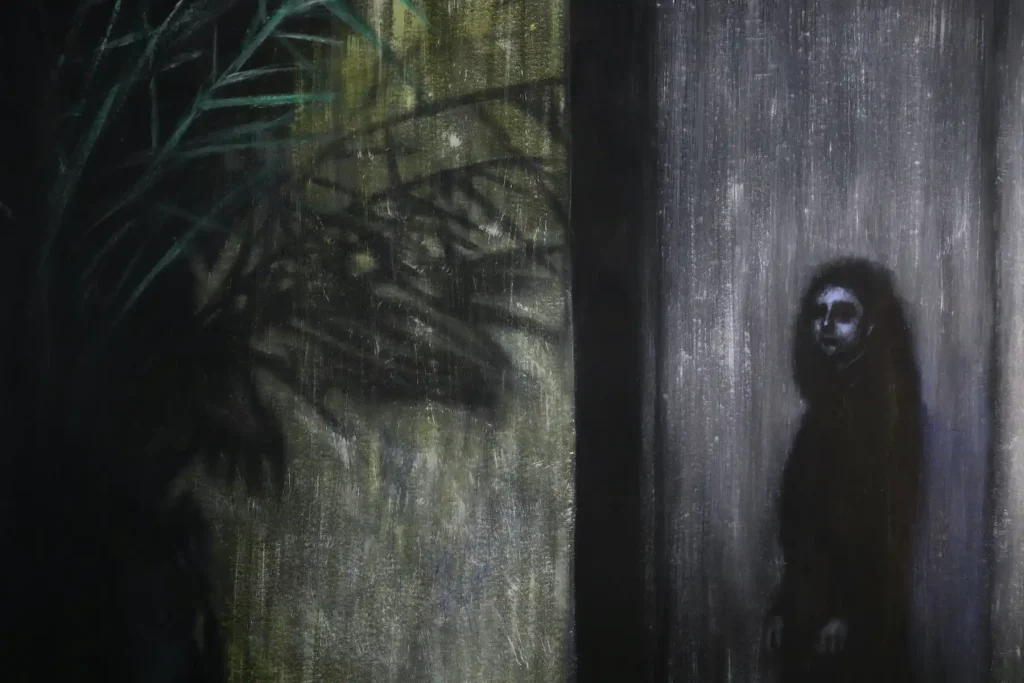
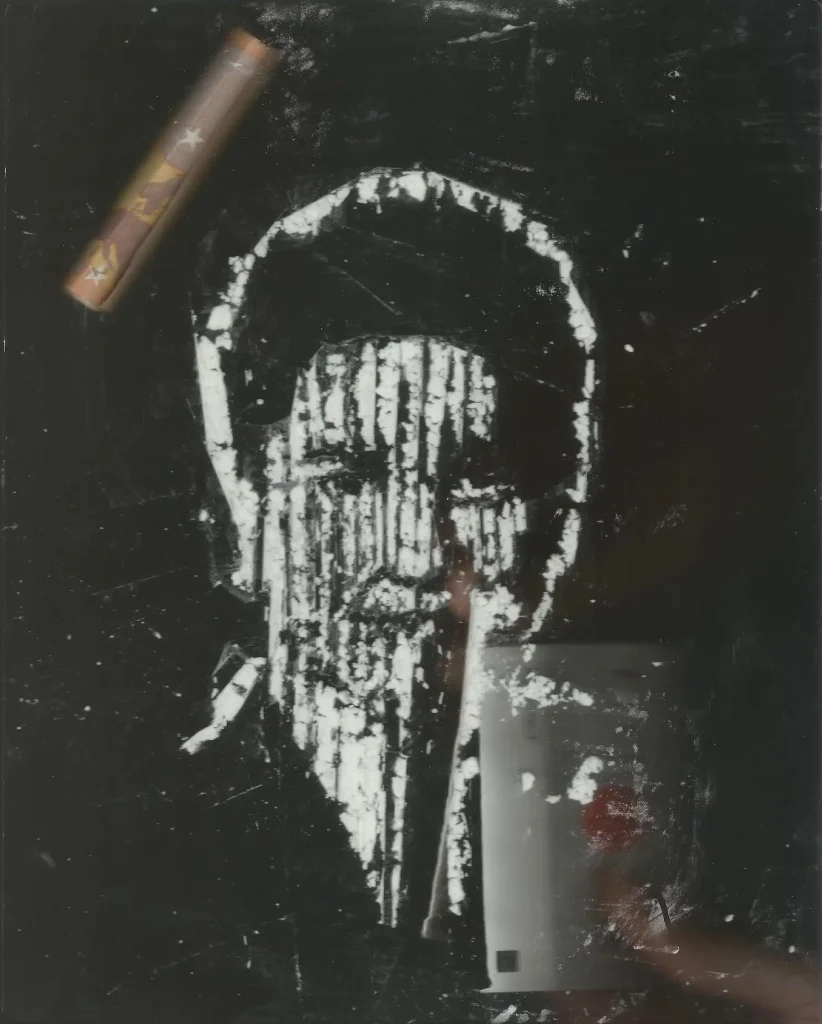
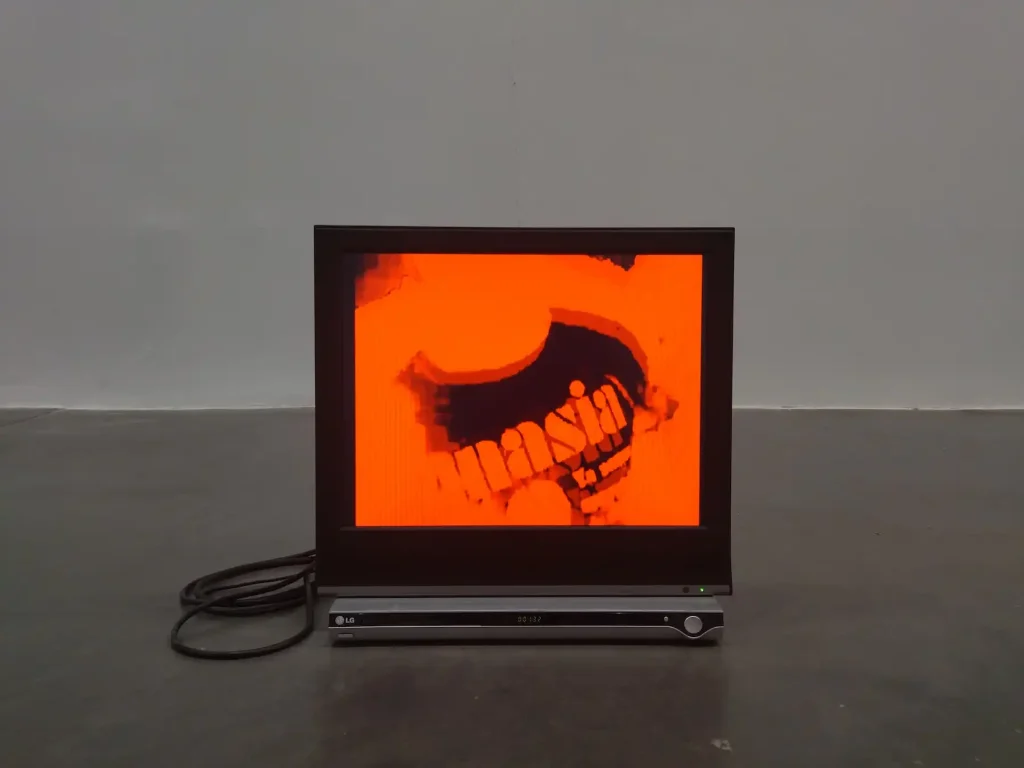
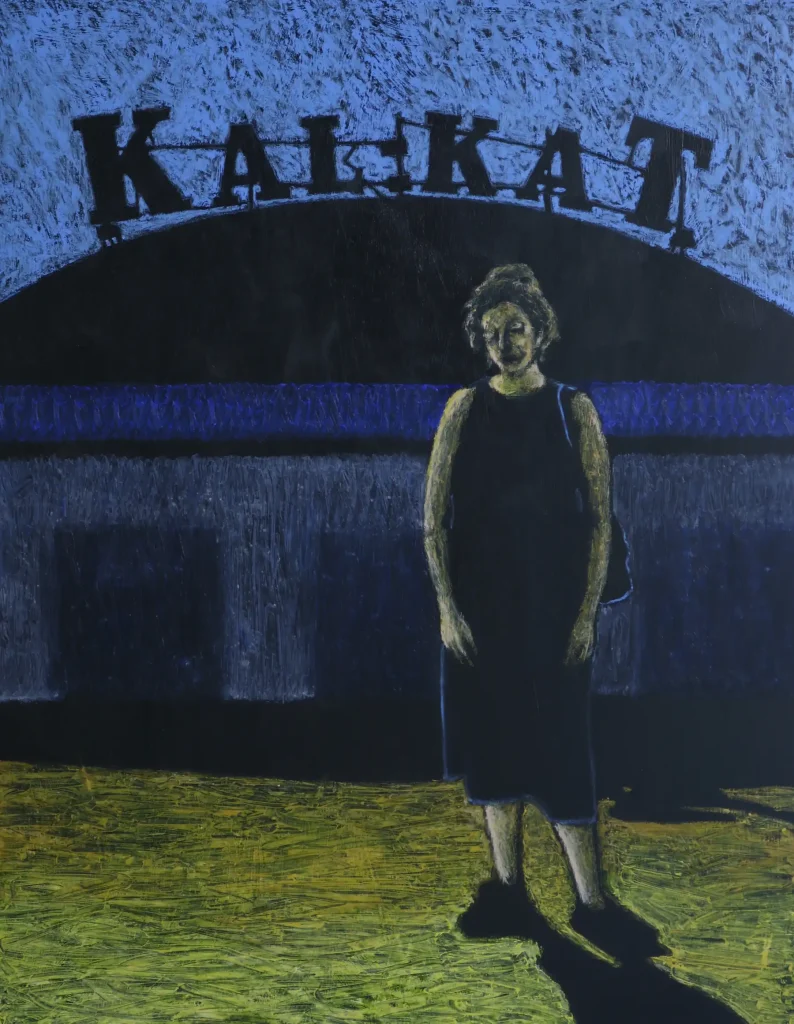
This is a project carried out using painting, photography and video. The materials I am using as references are files found on the internet or my own images. For example, I went to the Pirámide nightclub years after it closed and documented its state of abandonment with video and photography. All this with the intention of reconstructing that ghostly idea of those five friends in the midst of that abandonment and to recall the idea of what we once were collectively.
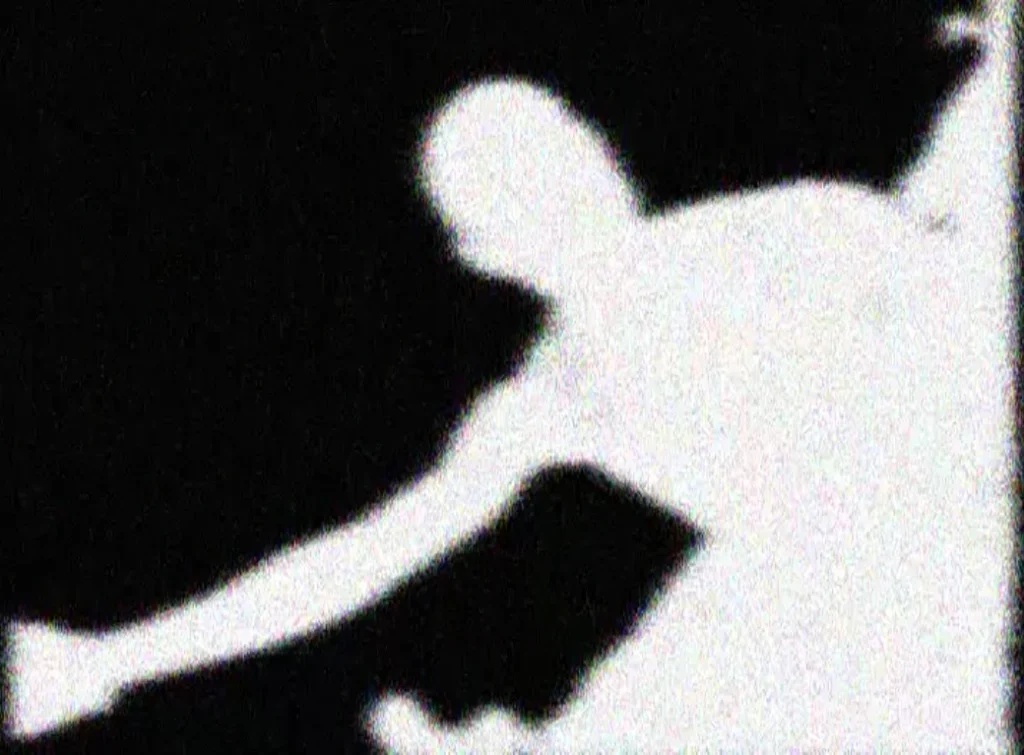
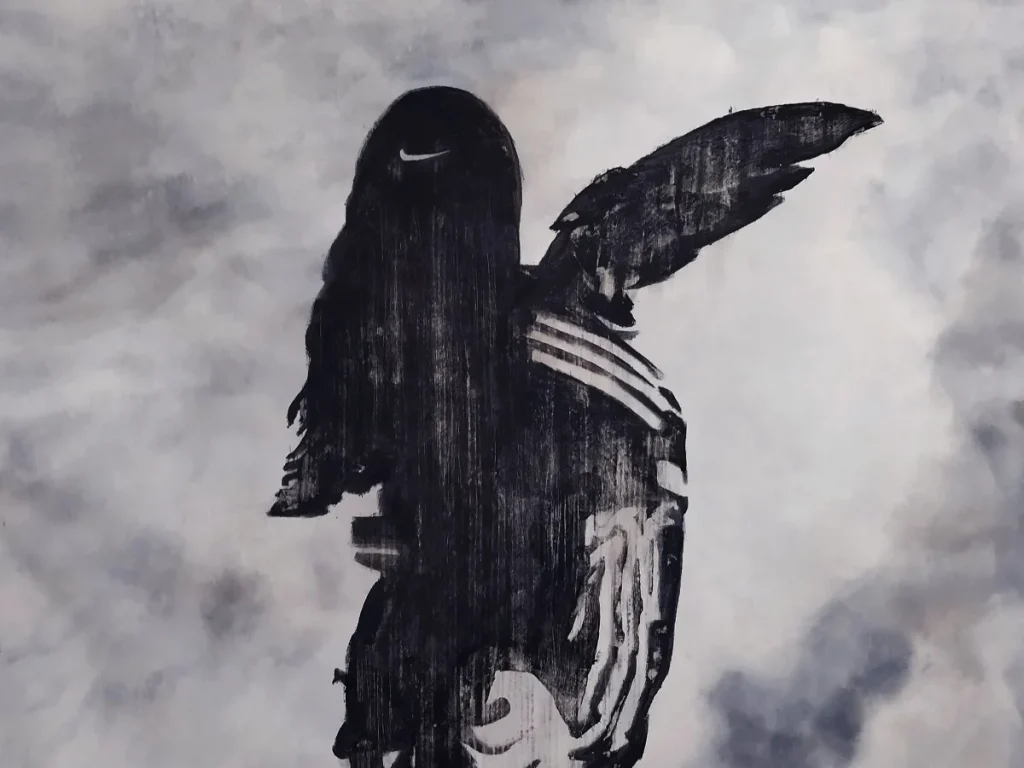
On the other hand, my walks around Berlin have given me the idea of the monumental. And the images are constructed with this intention, not only as a tribute, but also under the idea of constructing something incomplete, shapeless and antagonistic to a sculptural genre that often embraces the idea of totality and the epic of romantic ideals. Ideals that also feed into the archetype that shapes our cultural view of adolescence and youth. To this end, I have designed a kind of angel that appears repeatedly and is inspired by the one-winged hero drawn by Paul Klee.
But the idea of this project, it’s not closed. It’ll probably develop as an open painting project, or a video project. This is only one part of that. The idea is to keep working with the same generation, illustrating more stories like the famous five, happening in another context, in another place. Like the punk movement, or squatting houses for example. Bringing another perspective to the cultural movements of youth.
Statement
Carlos Bonet is dedicated to audiovisual and pictorial creation from a multidisciplinary perspective. He combines his work with cultural mediation, participating in spaces such as EACC (Espai d’Art Contemporani de Castelló) and CÚMUL, a contemporary art space that operates on an assembly basis, of which he is a co-founder.
As an artist, he is interested in investigating the relationship between power and pleasure in the capitalist context. He also explores various cultural phenomena such as techno music and the evolution of punk in specific locations.
GlogauAIR Project
When we were The Five is a (self-)fictional story based on a photograph taken at the Pirámide nightclub in 2009 (the year the club closed due to the economic crisis that began in 2008). The protagonists of the image appear distorted, anonymous, almost ghostly… stripped of a specific identity, thus becoming the collective identity of any teenager who in those years was beginning to discover the world during a hedonistic era that was coming to an end.
The fictional part of the project is inspired by the different stories told in the young adult novel series The Famous Five by writer Enid Blyton. These novels, so popular in our country among the different generations born since the middle of the last century, emerge as the poetic backbone of the project. This creates a contrast with the different model of youth presented in Blyton’s novels and shows the social reality of an era marked by the excesses of the property bubble and also by the shortcomings of the economic crisis (and hangover) that followed.
In early 2025, I visited what remains of the Pirámide nightclub, now abandoned, in the municipality of Cabanes, with a camera. My intention in taking all the images was simply to reconstruct the ghost of those five anonymous figures who seemed so happy on that night in 2009. That same week, I bought 15 illustrated copies of the different Famous Five novels so that I would have archive images to support me. With all this, I saw that I already had enough material to carry out a film and installation project and thus be able to reconfigure the image of what we once were.
CV Summary
- Organisation and presentation of the CINE Y CIUDAD film series, EACC 2025
- Organisation and presentation of the ESPAI CINEMA film series: UTOPÍA, EACC, 2024
- Talk in the Contar con Imágenes series, Menador. Castelló 2023
- Organisation and participation in the La neu no es fon al Juny residency, EACC. Castelló 2023
- Publication of the photo book AUTO DE FE, PÓLVORA publishing house. 2023
- Selection for the EAN (Encontro de Artistas Novos) artistic residency, Cidade da Cultura, Santiago de Compostela, 2022
- Exhibition El descrèdit de la realitat, EACC (Espai d’Art Contemporani de Castelló). June, 2022
- Exhibition El descrèdit de la realitat, EACC (Espai d’Art Contemporani de Castelló). June, 2022
- Exhibition Cúmul OpenStudio, Cúmul. Castelló. April, 2022
- Exhibition Gas, Ajuntament de Benicàssim. Benicàssim. September, 2021
- Exhibition At the Summer Rave, Novella Gallery. Sagunto, June 2021
- Selection for residency and exhibition at Bilis Negra. Tierra Seca y Fría, Konvent Punt Zero. Barcelona, May 2021
- Exhibition Crisis, Museu Molí d’Arroç, Almenara. April 2021
- EMAC Festival Exhibition, Borriana. May 2021
- Online Exhibition Alégrame esas Pascuas, Online ABC Cultural. January, 2021
- Krampus Showroom Exhibition, Cúmul. Castellón, December 2020, 2021, 2022, 2023, 2024, 2025.
- VÍTOL collective exhibition, Museu Belles Arts de Castelló, 2022
- Organisation and participation in the VÍTOL conference. Cúmul together with Consorci de Museus. May 2022
- Creator, together with Jorge Alamar, of the Quema en Villores (Castelló) residency project. La Fotoescuela, Valencia
- Assistant to Julián Barón in his exhibition C.E.N.S.U.R.A. La Reunión. Llotja Cànem, Castelló. January 2022
- Assistant to artist Jon Cazenave for the Galerna project curated by Julián Barón. EACC. Nov 2021
Gallery