Archives: Artists

  • LiLi 丽丽 Nacht

    LiLi 丽丽 Nacht

    LiLi 丽丽 Nacht is GlogauAIR resident
    from April, 2025 to June, 2025

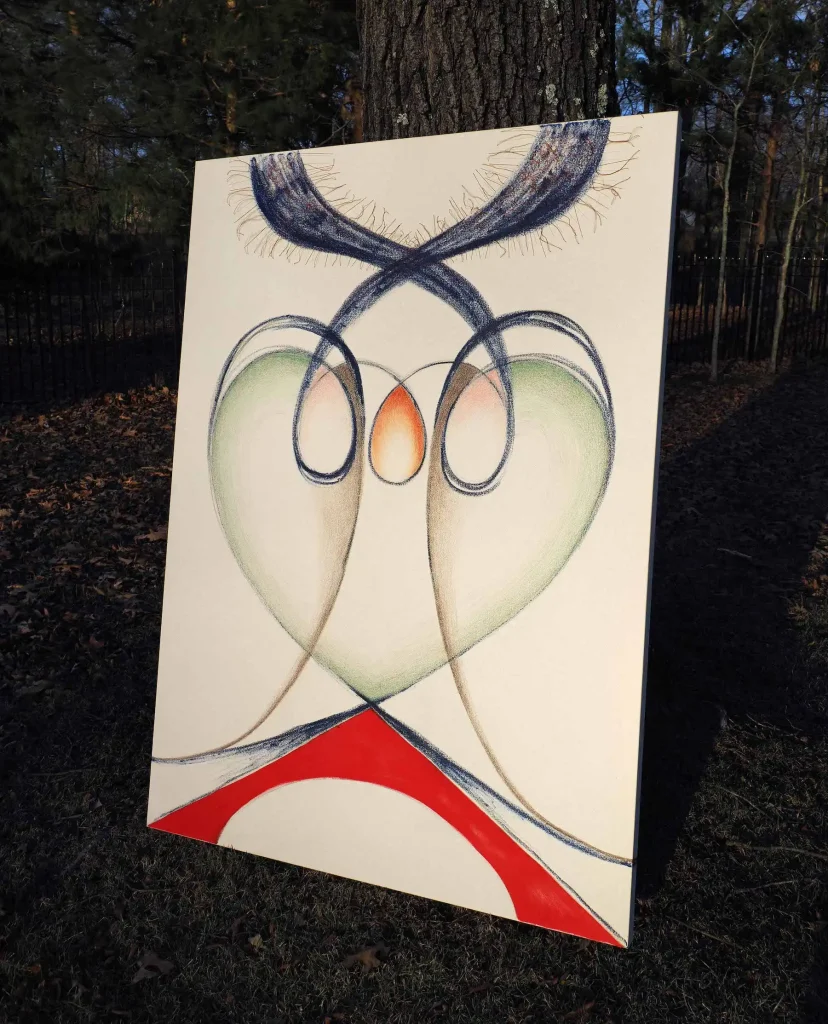
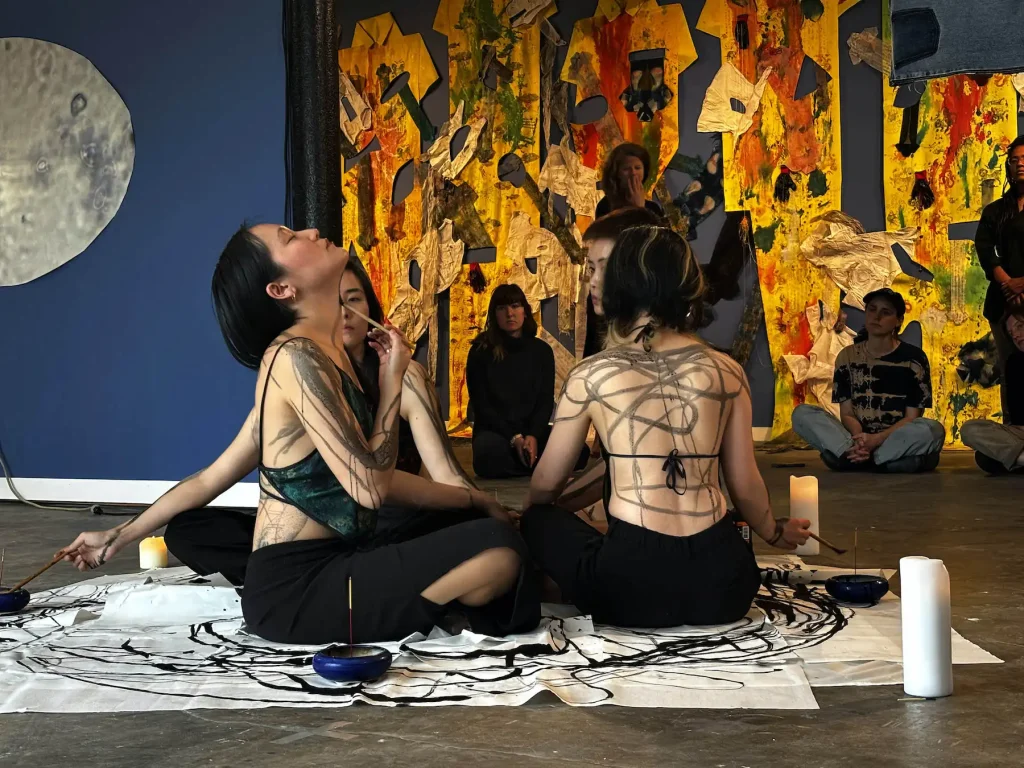
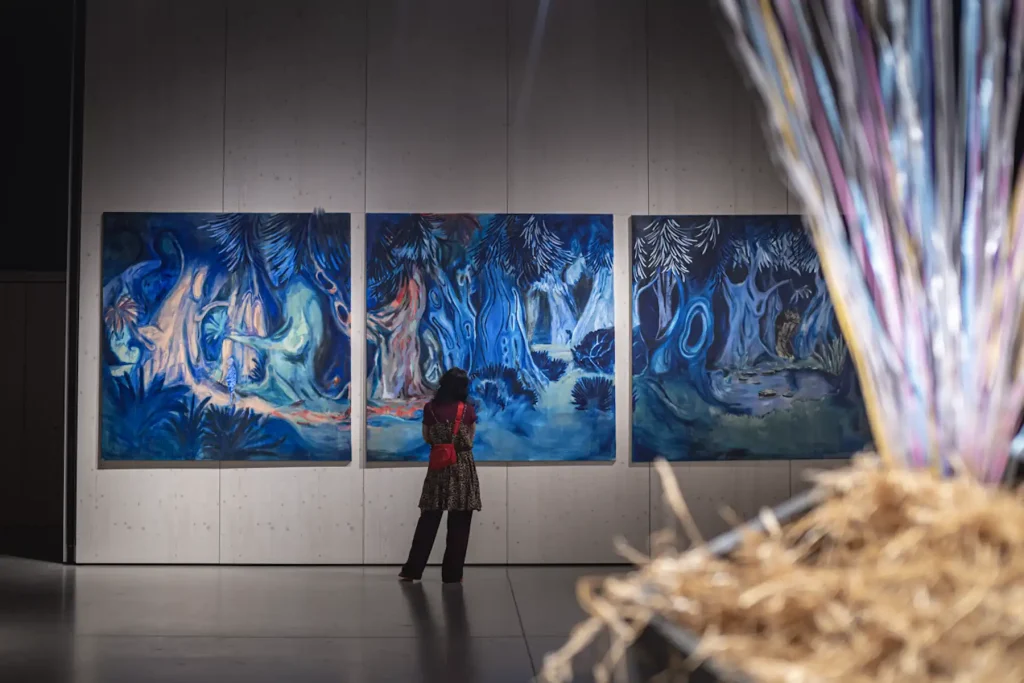
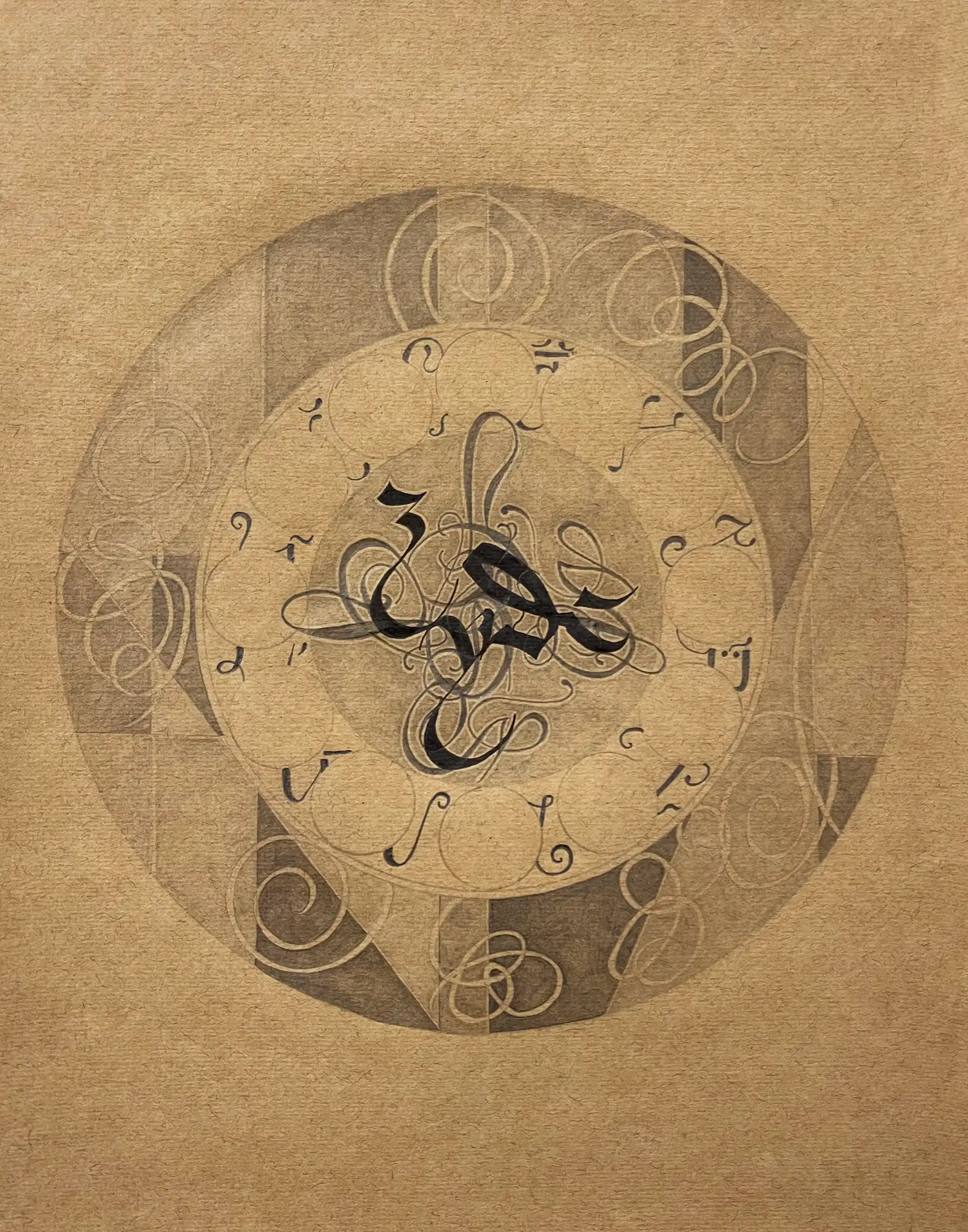
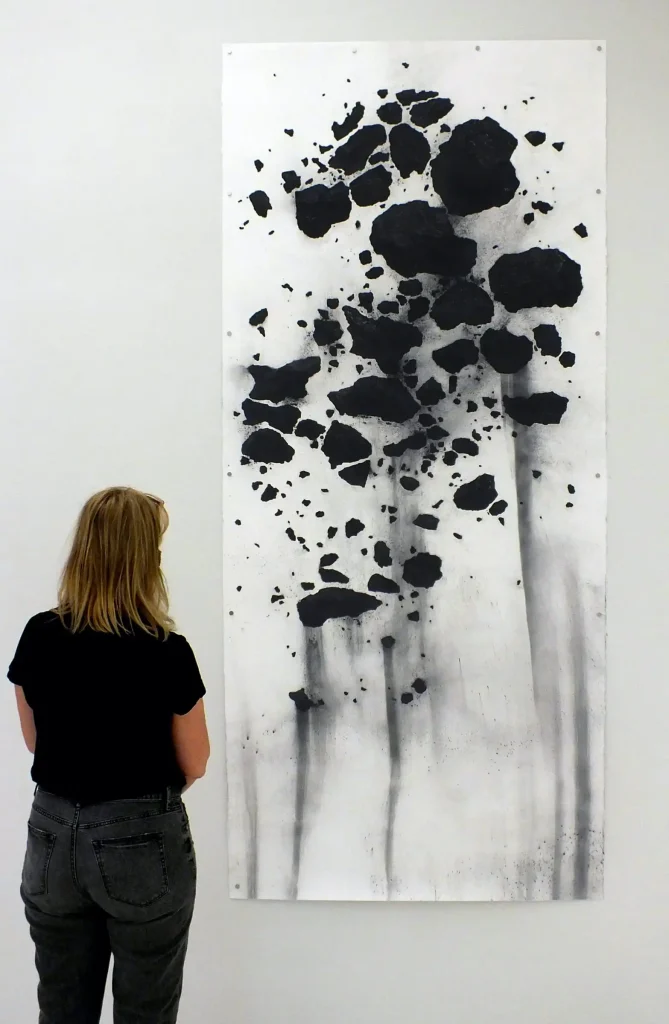
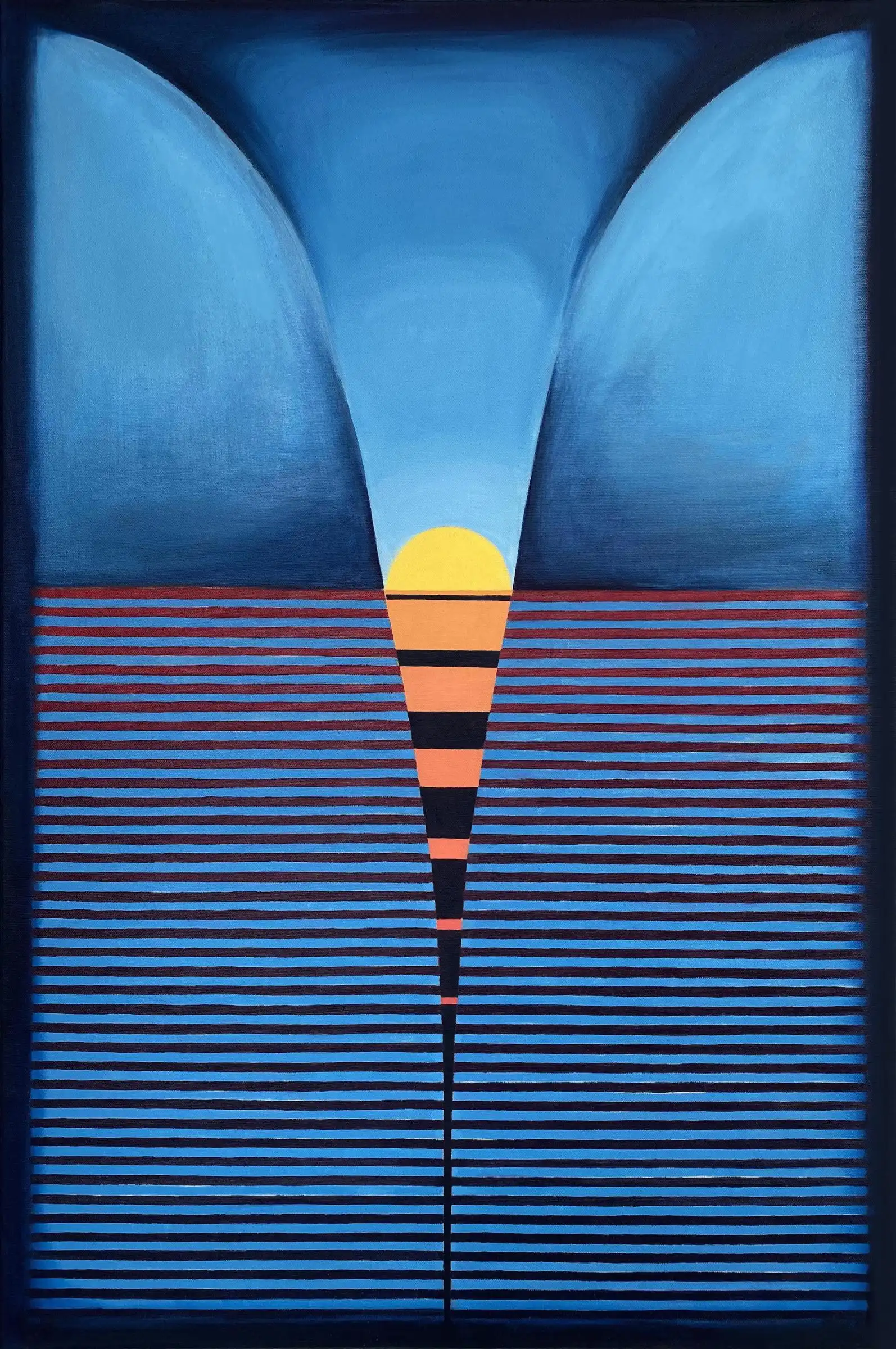
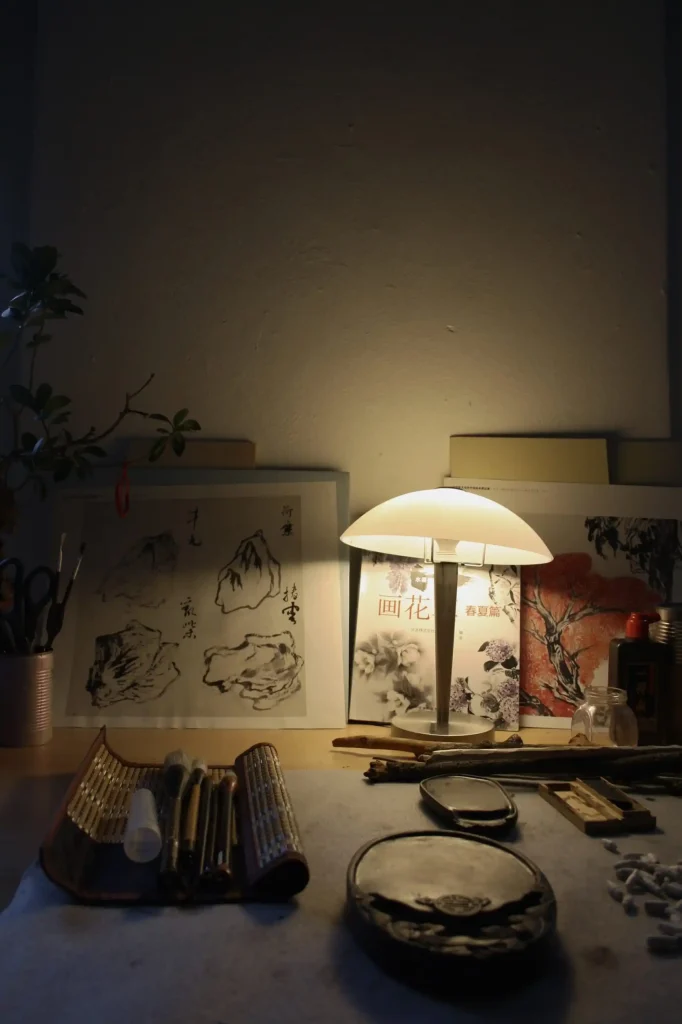
    The work of artist educator LiLi 丽丽 Nacht is rooted in meditation, ritual, Daoist/Buddhist practice, and 山水 (mountain water) ink landscape painting traditions. LiLi 丽丽 creates environments by employing a diverse range of media, including painting, performance, and social practice to explore the tensions between chosen and inherited identities.

    Meet the Artist

    Can you tell me about your background and the project you’re proposing for this three-month residency at GlogauAIR?

    I’m a visual artist and educator, born and raised in Memphis, Tennessee and Wuhan, China. This gap between cultures is quite vast, and dealing with these differences is what brought me to a creative practice.

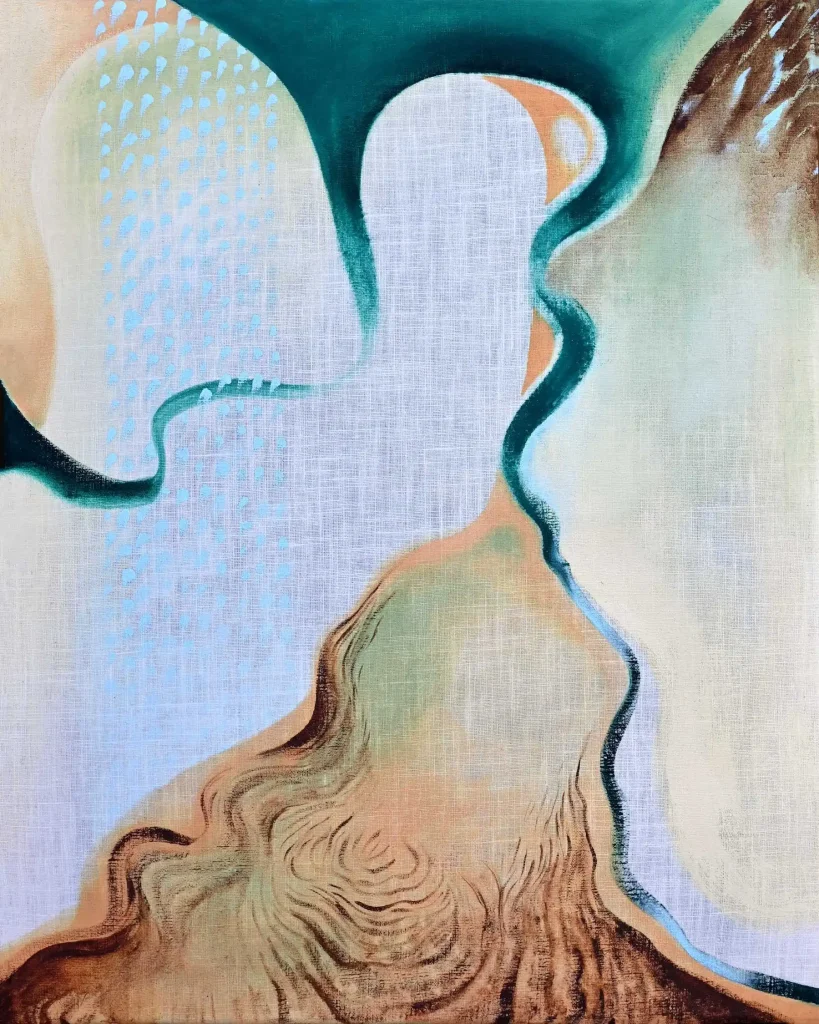
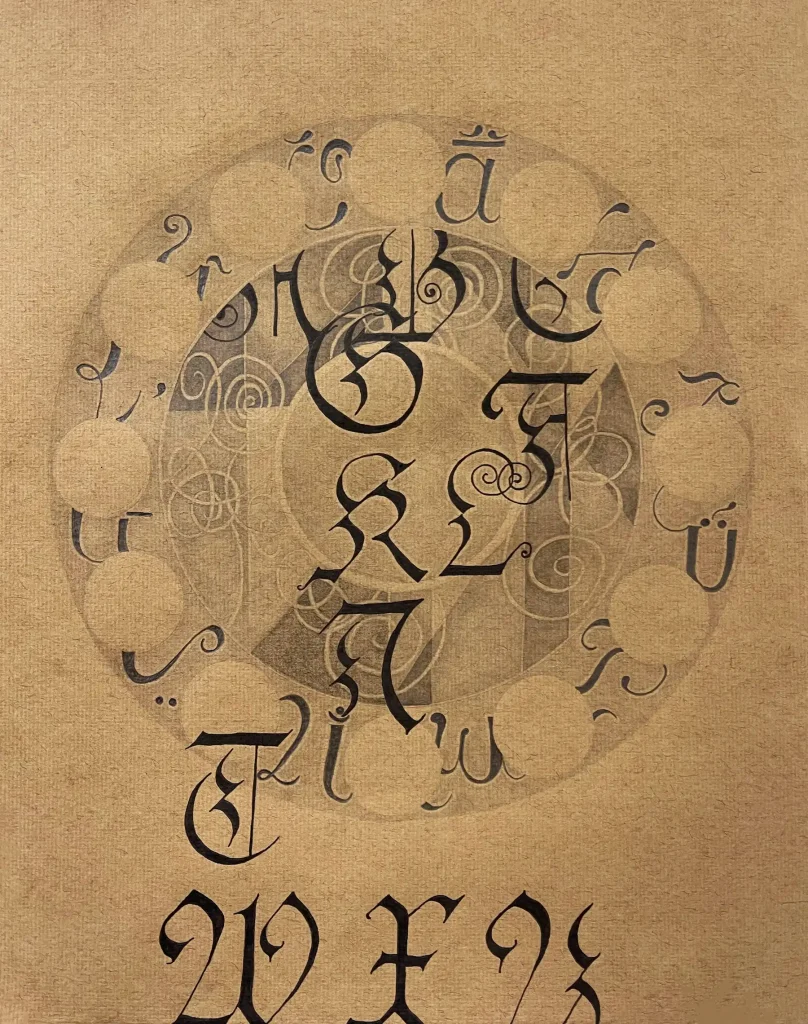
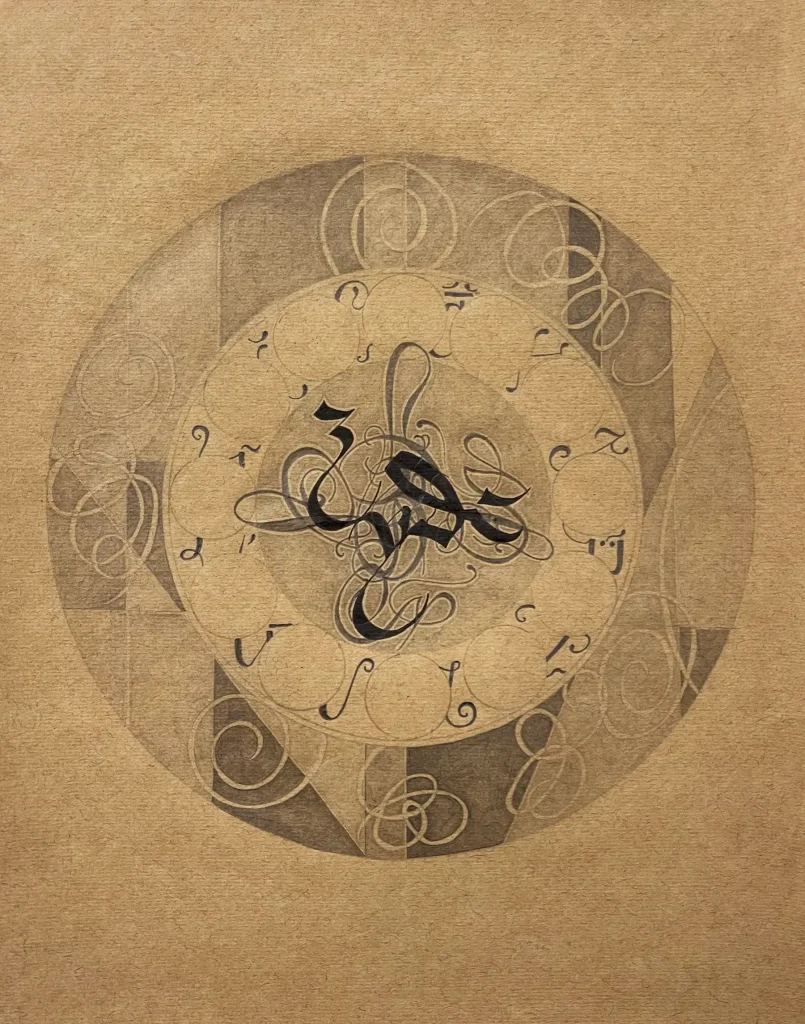
    During the GlogauAIR residency, my project has become a research deep dive into I Ching, which is an ancient book of wisdom and oracle tool from thousands of years ago, Dao De Jing, one of the foundational texts of Daoism, as well as the compositional element, liu bai, or “leaving white”. Liu bai is a technique from the Chinese shanshui painting tradition, where emptiness is intentionally used within the composition to represent a space where you can project your imagination. I am also thinking about the correlation to Taiji Quan movements. There’s actually a lot of overlap between these different texts and practices, and they all inform each other.

    What role does the body play in the creation of your work, particularly in relation to meditative movement?

    As I’ve been learning Taiji Quan with my teacher Lingji Hon, who comes from a long lineage of Taiji Quan masters, I’ve been trying to channel the qi, or energy, moving through the body into the work itself. Letting the movement influence the forms that come out. Shanshui painting doesn’t emphasize visual accuracy as much as capturing the inner essence and life force of the subject–the feeling you have while creating. A movement practice really pairs well with this.

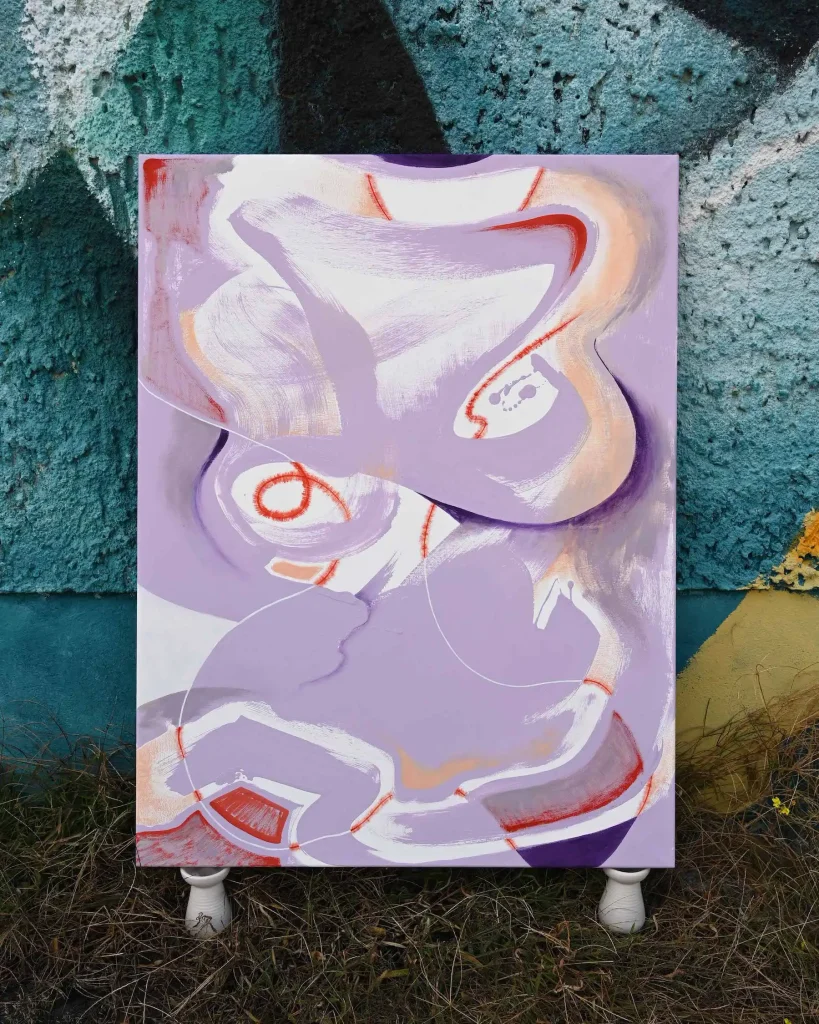
    Previously, performance has been a crucial part of my work. This time, I’ve decided to focus more on the visuals as the creative output, informed by historical research and Taiji Quan practice. A lot of these images stem from specific movements or I Ching hexagrams. They’re not just random shapes and abstract forms. I’ve been struggling a bit in communicating this, but I think if people can understand that the work is created through an exploration of movement and energy, it helps give more context.

    In your artist statement, you mentioned a desire to foster collective unlearning. How does this intention manifest within the specific project you’re developing during the residency?

    During the residency, I’ve also hosted a few workshops. I’m very interested in social practice and using art as a tool for bringing people together in addition to having my own studio practice. Together with Tofu Stand Collective, we organized a tofu-making and puppet theatre event sharing the story of how tofu was brought to the West by Chinese anarchists. This past Sunday, I hosted an I Ching workshop as well. All of these are dealing with knowledge that is passed down between generations. A goal of mine is to provide diasporic people with opportunities to understand the wisdom of their culture more in depth and to develop practices of resilience within the community.

    Specific to the works here in the room, I’ve been learning a lot from I Ching and Dao De Jing. There’s so much depth to the words. These learnings have changed my mind about my process and even about the world in general. It’s taught me to be more humble and accepting towards life. I am certain many people would benefit from these ideas. Unfortunately, I think the wisdom of these texts can be difficult to access without guidance or studying. I wanted to create an environment and visual representations that offer an entry, without having to read, read, read. Maybe it’s a universal feeling that can be transcribed regardless of language.

    About “unlearning”, I mentioned earlier that I come from the American South and also from Wuhan, China. Living in Tennessee, I hated being Chinese and suffered from a lot of internalized racism; my heritage is what marked me as different from my surroundings. When I was in China, I was also treated as though I’m not from there. I developed a superficial and kitschy understanding of Chinese culture “oh, there’s this dragon scroll or Kung Fu characters in a movie”. It was passed down to me through consuming media that wasn’t authentic or intentional. Now that I’ve taken time to really understand the history, texts, movements, and philosophies of the culture I’m from, I’ve gained a whole new appreciation. I’m no longer constantly negotiating with the world my right to belong. The process of unlearning is crucial, because as we become adults, we have to decide what opinions are our own and what beliefs are inherited from the environment where we grew up that no longer serve us. That’s what I mean by unlearning. I didn’t even know how to pronounce yin yang correctly for a big part of my life, let alone understand that it represents an entire belief system.

    How do you navigate the tension between the traditional and the contemporary in your practice, and do you aim to preserve ancestral forms, or do you reimagine them from a critical and personal perspective?

    I’m interested in what is simple and what endures. Tradition gets a bad reputation, because it often becomes conflated with nationalism, or it is used as a reason to ostracize. It is misunderstood, because it’s not current or it is presented outside of context and cut off from the true meaning (think yin yang symbols on merchandise). I do believe there is a lot of knowledge held within cultures that should not disappear; there’s a reason why some things have been done a certain way for centuries. Of course, there are aspects of tradition that have to change, and we have to move with the times. Lucky for us, knowledge has a way of disappearing then remerging as we move through periods of peace or periods of distress. The past years have been very difficult on the global scale, and I think now more than ever we must lean on this collective wisdom held within our histories.

    How does it fit into the contemporary context? I’m very interested in how diasporic people who have left home for whatever reason–war, forced migration, searching for better opportunities–embody this new hybrid knowledge that is formed in the process of uprooting and building a new home. That’s where it gets interesting. How does this synthesis of information happen within someone’s life? With unlearning, it’s important to recognize the context of where you’re from, to be able to know where you’re going. To live from a place of true understanding, because if you don’t, you’re hiding from a part of yourself.

    What role does silence play in your creative process, and do you see it as an active tool, a compositional element or a necessary framework for the project you’re working on here?

    Yes, absolutely. Silence can be understood as emptiness, or a manifestation of yin energy – a pause or retreat. And as I’ve learned from I Ching, emptiness can be seen as receptiveness. It allows for something to come in. Within this philosophy, the binary is not really a binary. It’s more like two counterbalances that together form a whole. A valley is empty, but it is the most fertile land because it allows for water to enter, allows for life to enter, and in doing so becomes full. So, silence is something that holds everything else around it. Emptiness within a painting or an artwork holds the rest of the composition in balance. By lui bai or “leaving white”, you create space for contemplation and allow the mind to wander to other places beyond the surface of the canvas, maybe even beyond the room. And I think this liminality is very beautiful.

    Statement

    The work of artist educator LiLi 丽丽 Nacht is rooted in meditation, ritual, Daoist/Buddhist practice, and 山水 (mountain water) ink landscape painting traditions. LiLi 丽丽 creates environments, abstract forms and fluid compositions that transcend the literal, inviting viewers into a space of reflection and connection with their inner world. LiLi 丽丽 employs a diverse range of media, including painting, performance and social practice, to explore the tensions between chosen and inherited identities, reimagine historical narratives, and foster collective unlearning.

    GlogauAIR Project

    Central to this project is the traditional Chinese painting compositional element 留白 liu bai, or “leaving white,” where negative space is intentionally used in a work of art to represent an internal state or as a blank web for projecting the imagination- an emptiness.

    Building upon this foundation, the project envisions the creation of large-scale painting scrolls that capture the fluidity of meditative movements and embody the essence of transformation inherent in such practices. The work will also integrate corresponding I-Ching hexagrams and offer visual interpretations of these symbols. This liminality aims to highlight moments that exist between states of being and the potential found within pauses or the anticipation of change.

    Introducing I Ching:
    A Workshop and Community Offering

    CV Summary

    • Born in Memphis, Tennessee
    • BA in Visual Arts at Columbia University in New York City with additional courses completed at Universität der Künste in Berlin
    • MFA at the China Academy of Art (中国美术学院) in HangZhou, with a specialization in traditional Chinese landscape painting (2022)
    • Taught in universities, schools, and museums across China, USA and Germany
    • Founding member of the MengCheng 梦城团 Collective, a queer collective of Asian-American artists from the American South with a focus on resource dissemination, archive making, intergenerational dialogue, communal healing, and empowerment.
    • Upcoming exhibitions:
      • Minerva Gallery (CN, Aug 2025)
      • Sheet Cake Gallery (USA, Feb 2026)
    • Selected exhibitions:
      • NADA Curates “As It Unfolds” (online, 2025)
      • Stove Works “Celestial Bodies” (USA, 2025)
      • UrbanArt Commission “Between Heaven and Earth, We Build Our Home” (USA, 2024)
      • Crosstown Arts “KAI PA TI” (USA, 2023)
    • Press/Publications:
      • Suhrkamp Verlag
      • Focus LGBT+ Magazine
      • Burnaway Magazine
      • DADDY Magazine
      • The China Project

    Gallery
  • Martin Winkler

    Martin Winkler

    Martin Winkler is GlogauAIR resident
    from April, 2025 to June, 2025

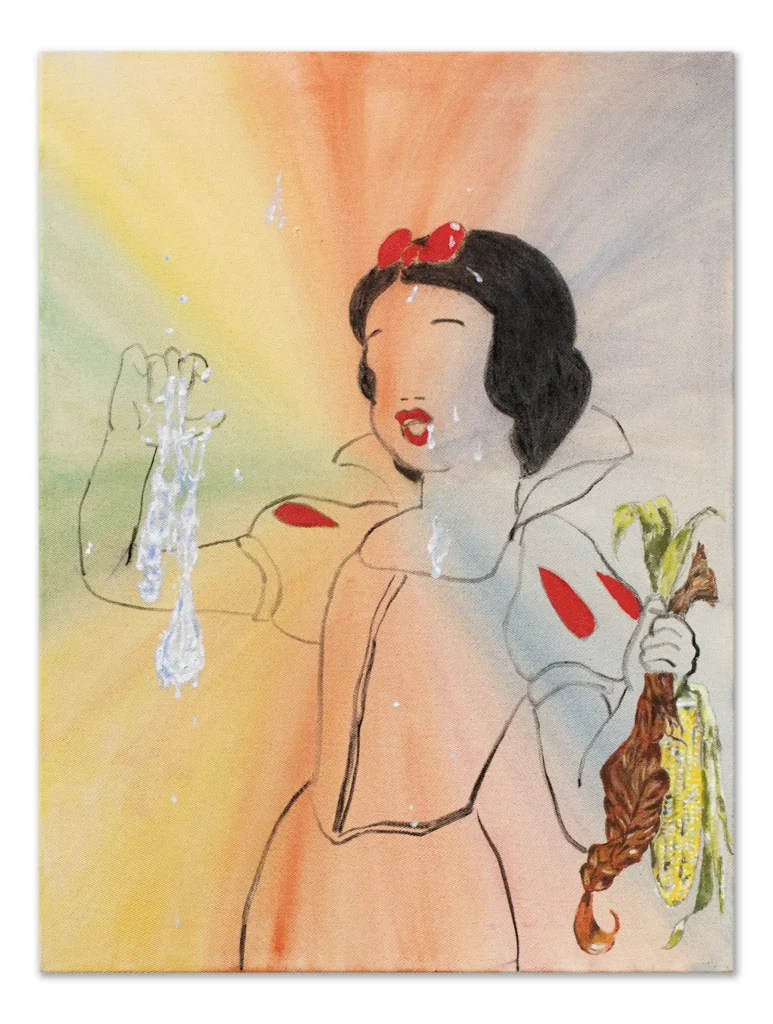
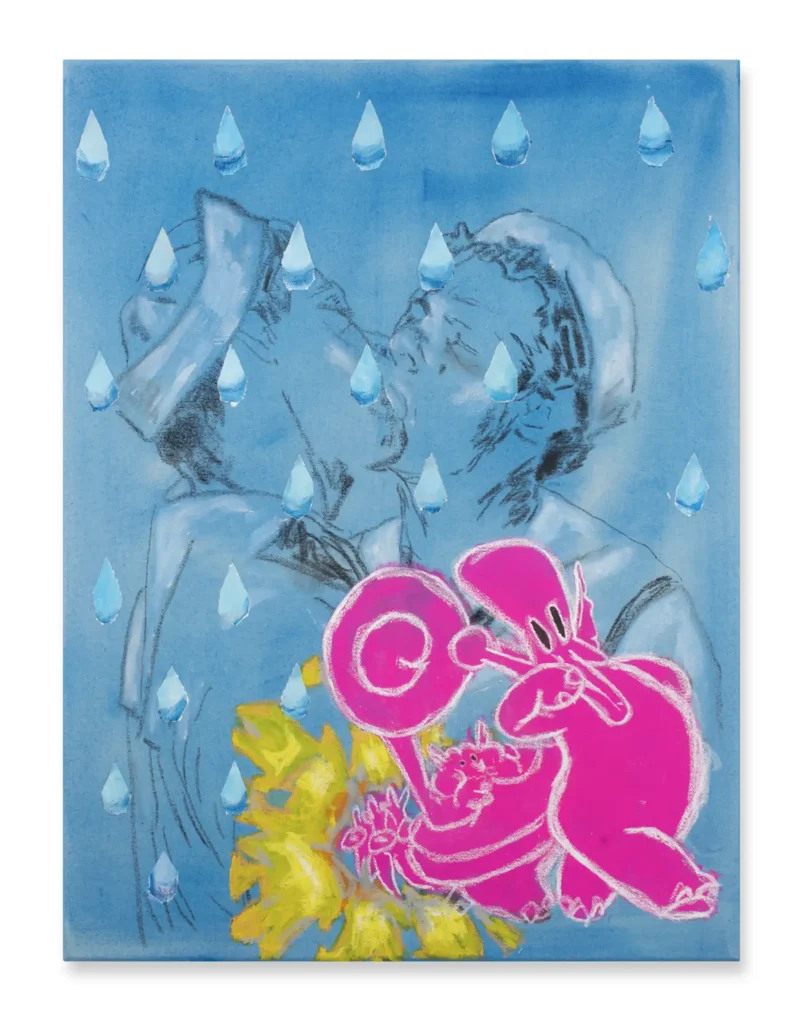
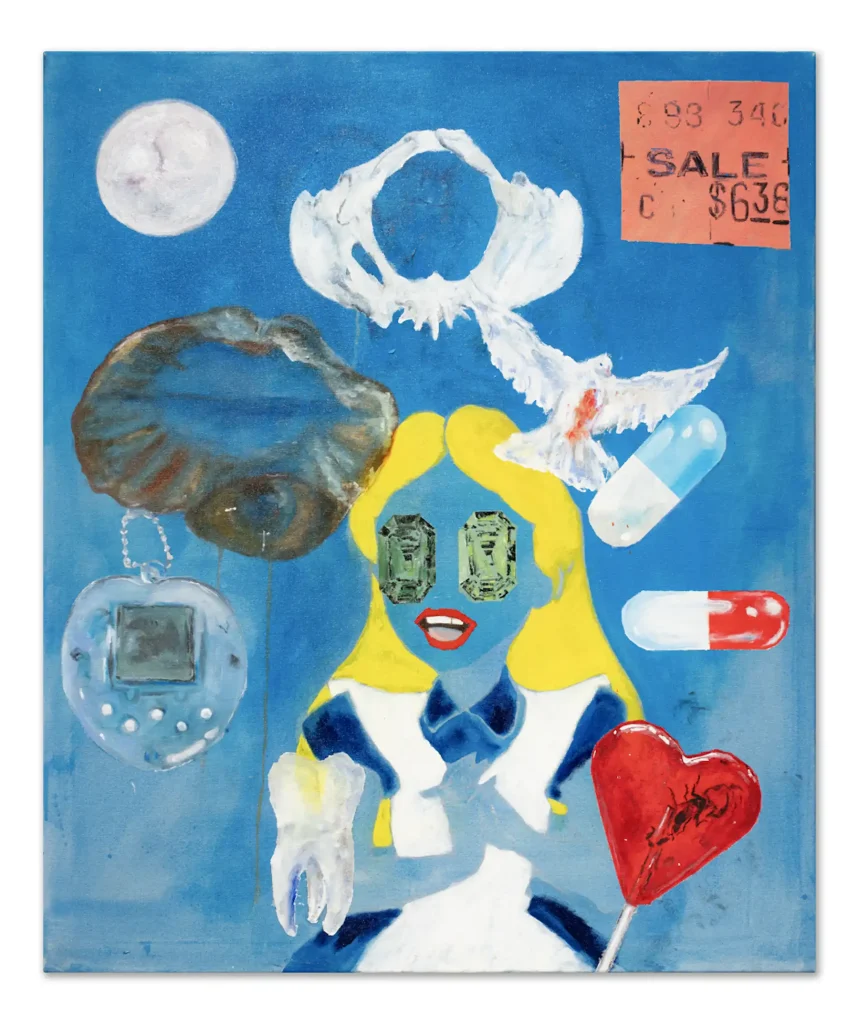
    Martin Winkler is a visual artist based in Göttingen, Leipzig, and Berlin. His work explores queerness, history, and pop culture through painting and installation. Drawing from journalism and travels, he recontextualizes overlooked narratives with humor and stark symbolism. Inspired by historical imagery and media tropes, his vibrant, simplified forms invite reflection on identity, trauma, and resilience, blending past and present in visually striking ways.


    Meet the Artist

    Can you tell me about your background and the project you are proposing for this three-month residency at GlogauAIR?

    I’m a visual artist from East Germany and I have a background in painting and journalism, which I also studied. For my project at GlogauAIR I want to research the origin of homophobia and use my work to educate people—without relying on words. I also want to entertain them and share this message in a fun, humorous way.

    In your project, you mention that it explores gay pop culture. Gay and queer pop art often uses humor as a tool for subversion and resistance. What role does humor play in your project?

    Using humor is always a good method in dark times, but also to show people a mirror. Queer culture has always used satire or camp to change the position of who’s making fun of who. So, I think humor is a nice channel to build up a conversation and also open up topics. For me, personally, it’s very important. I’m doing it to have fun by myself and when it’s done, I will share it with others. I notice that people also do enjoy it in a certain way, so I think humor is a very instinctive thing.

    How does your personal experience influence the way you approach discrimination from an artistic and emotional perspective?

    I spent my childhood in the countryside in a very right-wing and conservative area, so I’ve always felt like something is off and that I didn’t fit in the way people want me to. But as I got older, I found myself in this mindset of ‘I want to make art, but I need money to do it,’ which led me to push myself so hard that I ended up burning out. It was a really tough experience.

    I noticed that discrimination in my childhood, but also growing older, that’s the thing that I want to communicate because I think the biggest problem these days is the lack of empathy for each other, and I think through colour and symbols, people can find a trigger. I can open up a channel that says “oh that’s pretty, that’s fun”, but then also make the viewer aware of being more sensitive, and to listen to each other, and be there for each other, and have empathy.

    For my project, from the perspective of switching generations and being queer and being one of the first generations getting older being queer, because everyone thinks about parties, cocktails and sex, but nobody’s talking about how to age in dignity. So, I’m really excited about that, growing older but also of what will come out of my work and how much I can leave the trauma behind but also bring people together, so they can understand like “oh wow, we should listen more instead of always seeking competition“.

    So, gay pop culture is often celebrated for its vibrant and festive aesthetic, but it can also conceal deeper layers of pain and marginalization. How do you navigate that duality in your work?

    I grew up next to a church that had a graveyard and the house of the pastor. So growing up next to a graveyard, and being out at night -especially in autumn and winter when it’s dark- we weren’t many children in the village but I remember that there were always these funny storytelling things like: “let’s go in the graveyard and go through the graves” and think how people could have died, and I don’t know, coming up with stories which is still a strong part of my work, storytelling and working with strong symbolic images.

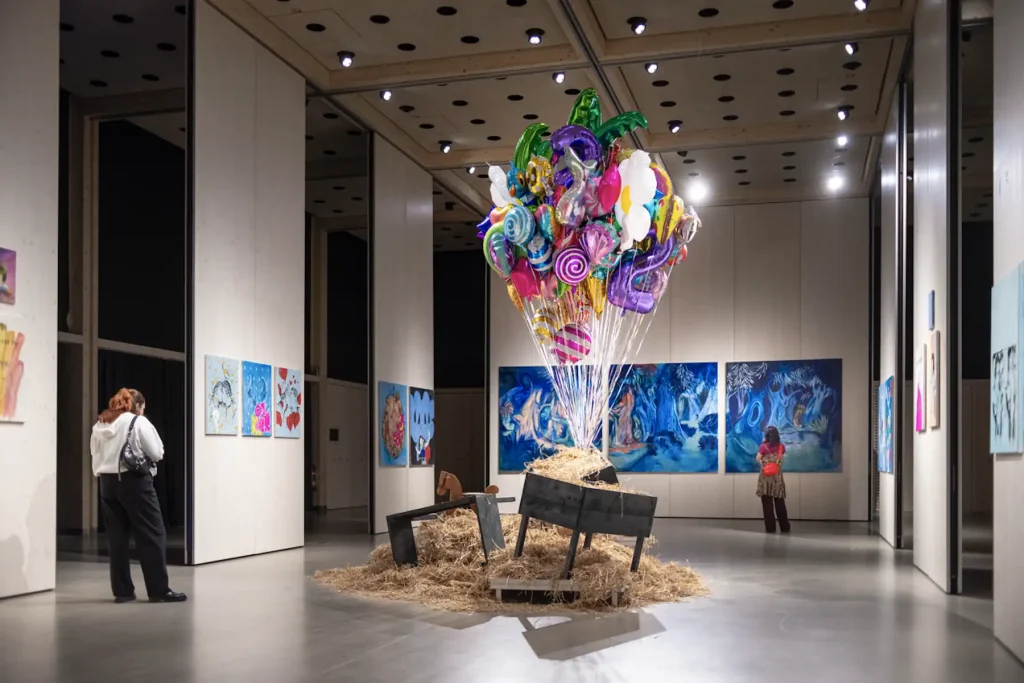
    At some point, I reached a place where I was a bit annoyed that the medium that I work with was so flat. I wanted to make it multi-dimension to also step into it.I wanted to work more on installation than painting, which brings us to my project. It’s going to be a life-size horse, but also loose linen hanging from the ceiling, so the reference is Raoul Dufy’s “La Fée Electricité” which is the history of electricity, but when you see it, it’s like rainbow colors and easy shapes, you can really enter the painting which was super inspiring. I wanted to break this whole traditional idea of painting because I don’t think that I work traditionally, instead more intuitively.

    I found myself not too long ago thinking that Christopher Street Day is always colourful, a party, drugs, I don’t know. But later, I figured out on a trip to New York, that it’s based on a demonstration, a riot, and I was a bit embarrassed that it took me so long to understand that. I think humor, grief, and all that stuff goes hand in hand, and it’s a strong channel to communicate a message if you just communicate it in a sad way. There’s already so much sadness, so I want to change the way the communication is functioning in a way of making it entertaining, and not sadder than it is already, so I think it goes hand in hand.

    I was looking at your studio and wanted to ask you about all the new pieces that you are working on right now.

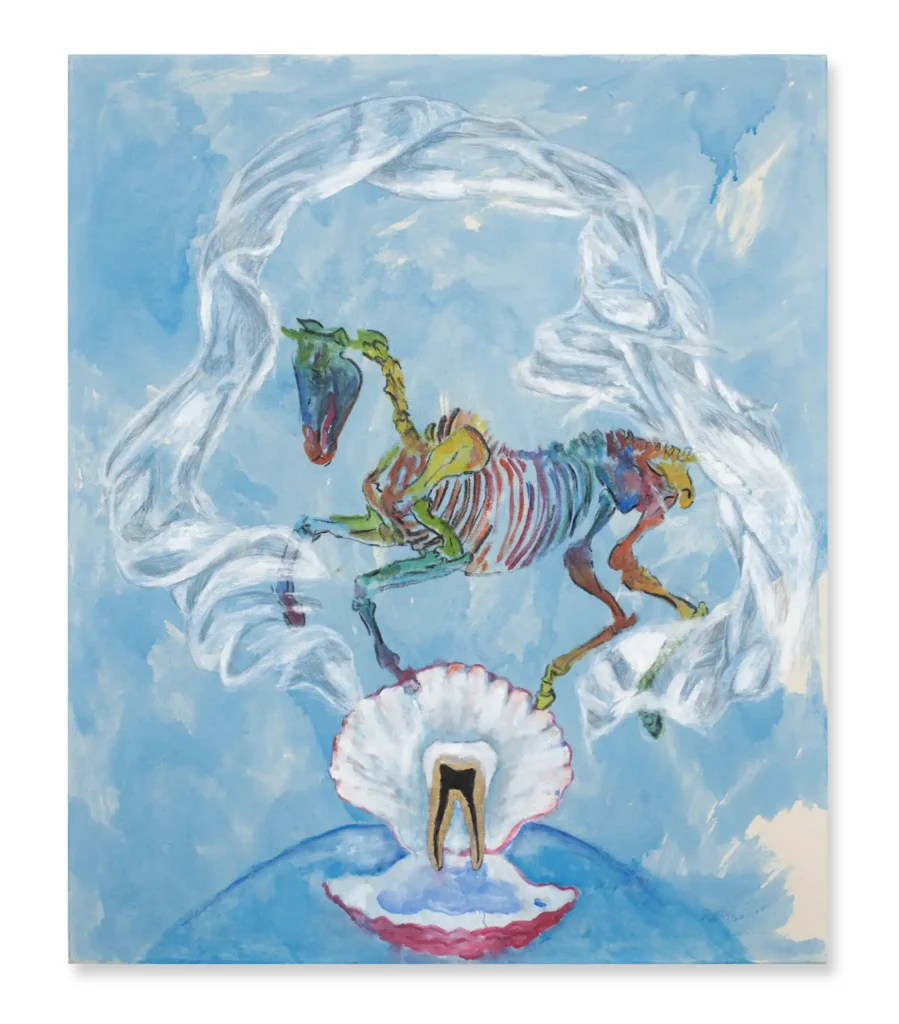
    One night I found this big topic of “outsider art” in combination with gay artists. Later, I discovered the work of artists from the past and through this whole aesthetic I was really into, this whole magical world connected with fairy tales and storytelling that I really dived in deeper. So, it’s going to be part of the window, and partially also in the showcase. There will be a lot of bones, rusty nails and teeth.

    This takes me to the graveyard that we spoke about before.

    Yeah, you know, the things that trigger bad feelings. Like bones and teeth, they’re built up in layers, like a collage kind of thing, so for me they start to be less scary and more exciting because it’s such an interesting material, it’s like the hardest material you have in your body. I want to trigger the bad things on the spectrum but in a very decorative way, and this whole occult-magic art is pretty close to that, like voodoo and all that stuff.

    I think that the core of my work is to trigger instincts that we brutally got away from, because children now have so much empathy and have this uneducated logic in life, and the older you grow, the more you have to function in a certain way, and I want to bring people back to the mindset of following instincts and even if you don’t understand why you feel that way, dive in and try to figure that out.

    Statement

    Martin Winkler (b. 1992, Halle/Saale, Germany) is a visual artist based in Göttingen, Leipzig, and Berlin. His work explores queerness, history, and pop culture through painting and installation. Drawing from journalism and travels, he recontextualizes overlooked narratives with humor and stark symbolism. Inspired by historical imagery and media tropes, his vibrant, simplified forms invite reflection on identity, trauma, and resilience, blending past and present in visually striking ways.

    GlogauAIR Project

    During my GlogauAIR residency, I will develop Beyond the Rainbow, a large-scale painting exploring the evolution of queer pop culture and discrimination over time. My focus lies on the human emotional spectrum—fear, anger, disgust, and repulsion—emotions we cannot consciously control. Inspired by Raoul Dufy’s La Fée Electricité, I experiment with old theater techniques, illusions, and multidimensional painting to challenge perception. Using gouache and Japanese ink on loose linen, I aim to create immersive, confrontational storytelling that reframes queer history.

    CV Summary

    Martin Winkler
    Visual Artist
    Born in 1992 in Halle (Saale), Germany

    Education

    • 2024–2025: Master Student under Prof. Dierk Schmidt, Kunsthochschule Kassel
    • 2017–2024: Fine Arts Studies, Kunsthochschule Kassel (Graduated with Distinction)
    • Previously: Journalism and Publishing Studies in Magdeburg and Leipzig

    Exhibitions (Selection)

    • 2024: Documenta Halle, Kassel
    • 2024 “tears for queers”, exhibition hall, Kassel, Germany
    • 2024: New Artist Exhibition, The Ballery, Berlin
    • 2023: Offspace “Mars,” Frankfurt Main (work acquired by the Frankfurt City Council)

    Gallery

  • Moksha Richards

    Moksha Richards

    Moksha Richards is GlogauAIR resident
    from April, 2025 to June, 2025

    Moksha received BFA(hons) in Fine Arts majoring in drawing. Drawing remains a nucleus to her practice from which other expressions orbit, namely sculpture and installation. Her work relies heavily on practices of research and archiving while the formation of the work remains relatively immediate, material and direct. Her ideas approach and interconnect concepts from theoretical physics, spirituality, mathematics, technology, history and cosmism.


    Meet the Artist

    Can you tell us a bit about your background and the project that you were working on during the first period, as well in the second quarter of your residency at GlogauAIR? 

    The project that I initially proposed when coming here was mostly thinking about the invisible forces of the universe and wanting to use these as a material genesis point. Things like magnetism, radio waves, vibration, gravity, sound. 

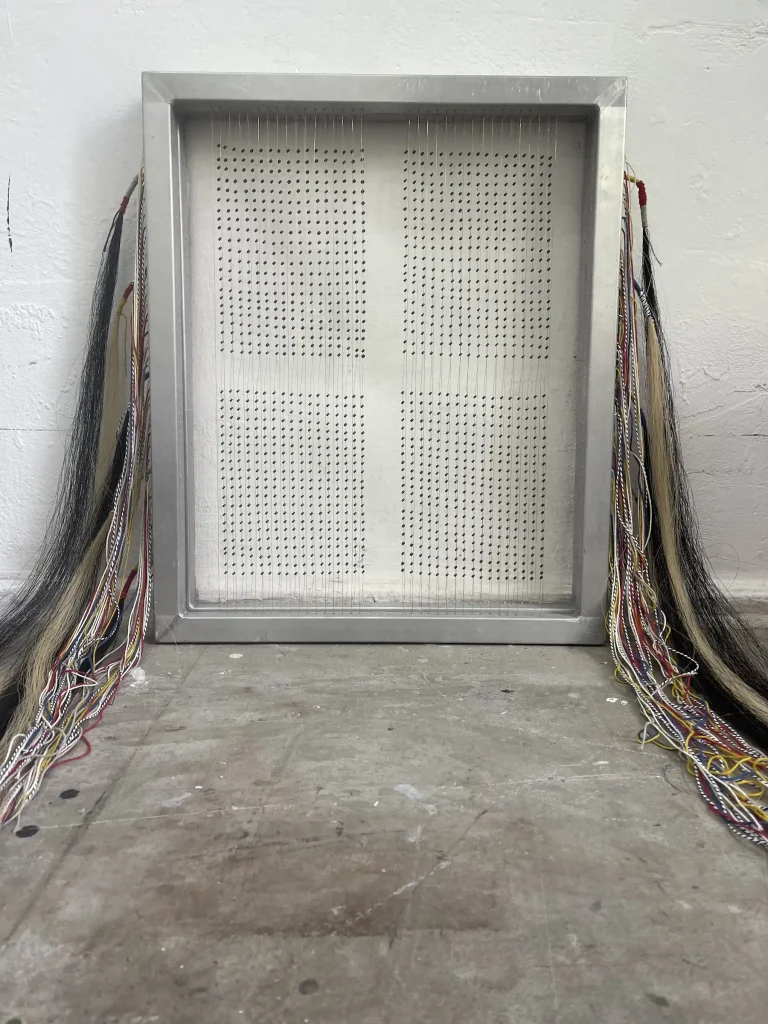
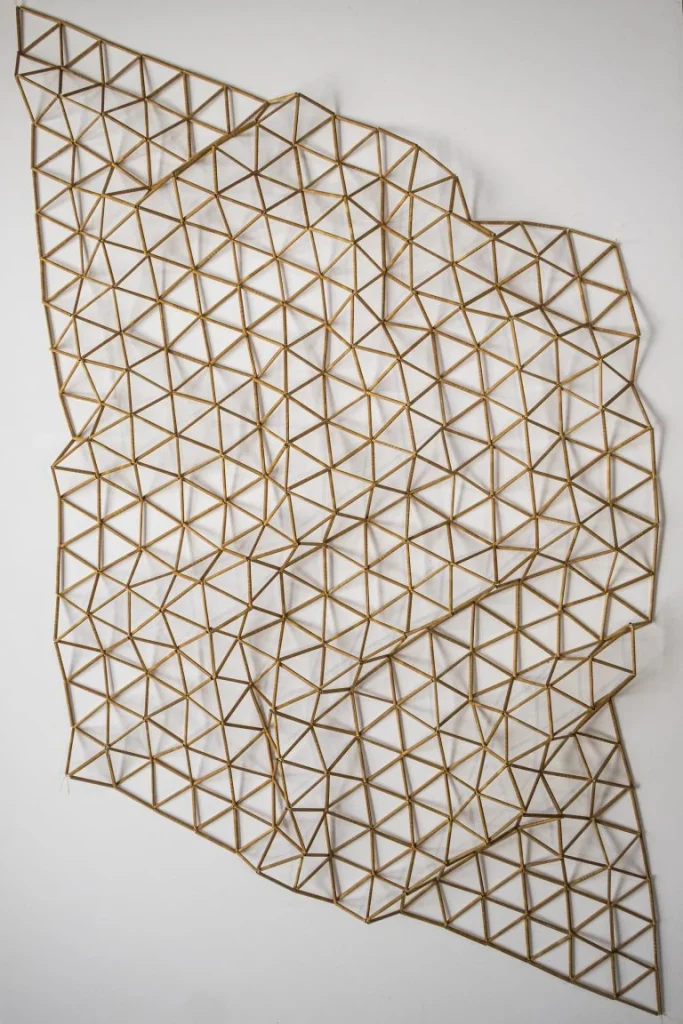
    Simultaneously to that I was looking into a book about the history of beehives, which were historically woven. I had previously been interested in weaving as a form of coding and am  very interested in computer history and technology in general so I was excited to discover magnetic core-memory boards which is an early piece of random access computer memory storage used in the 1950’s. Magnetic-core memory boards were often hand woven by women recruited from the textile industry who strung together thousands of small ferrite cores, within which we are able to store binary code in the direction of their magnetic field. I felt that this was able to combine these areas of research into weaving, magnetism and technology in a beautiful way while also linking to broader themes in my practice such as the encryption of information in physical matter.

    Mostly I just honestly wanted to learn how this technology works, actually how to make it, that is generally the best way to learn. I have this ultimate end goal of  building a computer one day or something, just to really understand it. Once I had wrapped my head around how MCM boards function, I found it’s actually so simple and so analogue. So I ultimately wove a very large scale version of these MCM boards. It’s not functional, as it doesn’t have information written on it. But I think, in some other iteration of it, I would like to do that. I just like the ways that the ferrite cores sit in the grid.

    In the first quarter of the residency I was just touching base with my practice again after a couple months of traveling. It was quite a private period. I am feeling in a sort of transitory point, or in a fork in my trajectory which is always a bit disorientating  and uncomfortable. You sense that you have outgrown a previous version of yourself and work but it takes a lot longer than that realization for the skills, ideas, materials and research to develop into something physical. I decided that in the next three months I want to allow myself to be  experimental and playful, and perhaps more autobiographical than I  ever have  been and less conceptual. I  want to create from a place of authenticity and unknown, and ultimately not even understand exactly what it is I’m making. It takes a lot of maturity to make good art and I liked the idea of taking a more macroscopic perspective, imagining that perhaps several years from now I will look back and only then really understand why I was making what I am. I don’t think you get to choose your concepts and I look forward to seeing how my instinctual attractions now will link into a broader web of ideas in the future.

    Well, you mentioned weaving. And weaving has historically been an ancient way of expressing cultural identity and storytelling, and is also traditionally relegated to women. How does the practice of weaving relate to your work in this particular project?

    I mean, I haven’t really worked with weaving in any sort of structured way previously or even feel like I do now. But I think I’m just really obsessed with grid structures and with interlocking grids and creating solid mass from small elements.

    These sorts of things were really attractive, and I do like the historical aspect of weaving. I’ve always been really interested in language and how information is stored and researched a lot into how numerical data was stored within knots in the Incan Empire. Actually there’s one scientist who is proving at the moment that it was also a form of written language. Similar to knitting being a form of coding in order to create patterns. It’s all  branches of the same tree. They are important and ancient practices, significant developments for humans also and very meditative when being physically created.

    We have been speaking about weaving, the ancient side of it and the spiritual side of your work. I have a question. I read in a previous interview that sci-fi plays a significant role in your work. Can you tell me a little bit more about that influence and other key references for you?

    Sci-fi definitely influenced the last project I did last year, which was a series of space cocoons. The concept for them came more directly  from Russian Cosmism which is not actually purist sci-fi but I think my love of the topic is what made me so obsessed with the weirdness of its ideas. It is also a philosophy that presents itself in a very strange and sci-fi way except is taken out of the speculative realm and was genuinely worked on as a possible future structure for humanity. It was totally an act of worldbuilding in the same way science fiction is and I love that. World building I think is the way I have been looking at a creative practice in its entirety across someone’s lifetime, like I was saying before, of not understanding each small action but letting it link and web around you and only really seeing its fullness as it becomes greater than the sum of its parts. I also love the idea of having protagonists within the work. 

    But more generally science and history have always been my main areas of interest, and undoubtedly ideas from spirituality and philosophy too. Most specifically theoretical physics, language, ancient history, writing and the storage of information. But also things like ancient board games, graffiti, space, rap, dance, 16th c. fashion, mathematics, the internet and on and on, who knows how obvious those influences ever are, but what you love and are talking about, learning about, studying, doing, is impossible to disentangle from what you make. 

    I think those are really interesting subjects. I want to ask you a question, because I see a lot of drawings and I’m super interested in your drawing process, and also how it moves inside your work. I don’t know if you’re working with drawing in this specific project for the Open Studios, but I’m interested in how you merge the drawing with the sculptural/installation side of your work. How they work together or separately even. 

    Drawing is something that can be quite direct and also something that can move with me, as I move, as my life has been so transient for the last couple of years. It’s something that is irrelevant to space or place and can be done with minimal and readily accessible materials. It is also a process I appreciate for its immediacy and is not hindered by  skill, research, specific tools or materials or problem solving that often come up as obstacles in sculpture. I think it’s really necessary for me to be drawing alongside any other kind of sculptural or conceptual project. It’s also a medium that is often neglected in value, as it is often seen as a preliminary point for a painting, but I feel fiercely protective of its beauty. 

    Statement

    I hold a BFA (honours) in Fine Art from the Royal Melbourne Institute of Technology, Australia. My work has been exhibited both in Australia and internationally, including galleries in Tokyo, Prague, Bucharest, and Berlin.

    Through drawing and sculpture, I interconnect concepts from theoretical physics, spirituality, mathematics, technology, history, and cosmism. My practice is influenced by theories of deep time, the material (atomic) expression of consciousness, the ecological resources of technology, and the redistribution of all matter into the cosmic commonwealth. Research acts as a genesis for my work, while the formation process remains relatively immediate, material, and direct. I choose materials based on intuitive attraction—often non-traditional art materials that remain virtually unprocessed or are products of larger systems of industry and infrastructure.

    GlogauAIR Project

    In this second semester, I want to carve out a period dedicated to creating from intuition rather than theory. My aim is to produce work that feels more autobiographical—perhaps not fully understood in the moment, but which I trust will gain meaning within the broader trajectory of my creative development. I’m drawn to the idea that small, seemingly disparate elements can connect into something greater than the sum of their parts.

    This is a time for appreciating the freedom to weave together my many varied interests—disconnected in theme, time, and discipline, yet all essential ingredients of who I am. These form my collective perspective, my engagement with life, and my sense of connection to the generative energy of human activity and the wider material universe.

    CV Summary

    Education

    • (2019 – 2022) Royal Melbourne Institute of Technology – Bachelor Degree in Fine Arts (honours)

    Selected exhibition history

    • 2025
      • ● Group exhibition, FLOW, Fleet Studios, London, England
      • ● Open Studios, GlogauAIR, Berlin, Germany

    Gallery

  • Ollie Kendrick

    Ollie Kendrick

    Ollie Kendrick is GlogauAIR resident
    from April, 2025 to June, 2025

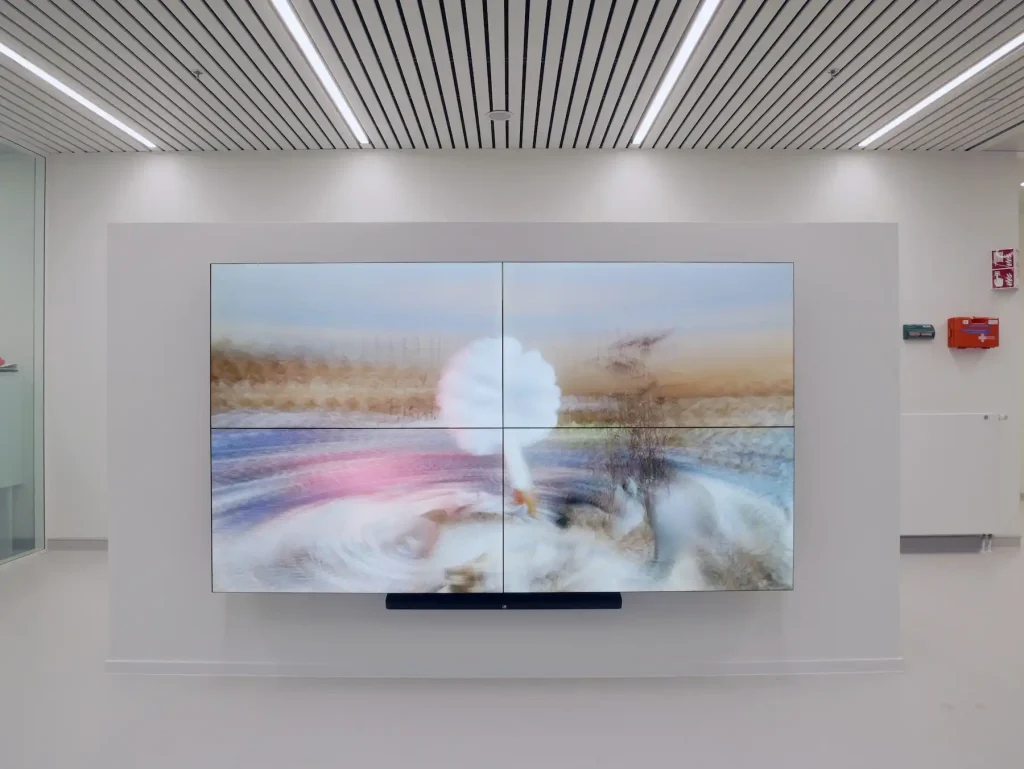
    Ollie Kendrick is a multi-disciplinary artist from the UK and his work uses both still and moving image to explore the image spaces around the concept of boredom. His method of artistic research incorporates psycho-geography as a main element in the image-making process, mapping a collection of objects to psychoanalyse the psychology and the inherent psychosis of the urban landscape.


    Meet the Artist

    Can you tell me about your background and the project you’re proposing for this three-month residency here at GlogauAIR?

    Originally, I’m from Wolverhampton in the United Kingdom but I left when I was 18 and then spent the last 10 years mostly in London. I went to art school there and finished just over a year ago. The project I’m proposing to do here is related to my hometown Wolverhampton and also related to the work I’ve been doing recently around boredom and grief. Specifically, their relationship towards not just architecture but industrial objects and industrial and post-industrial landscapes.

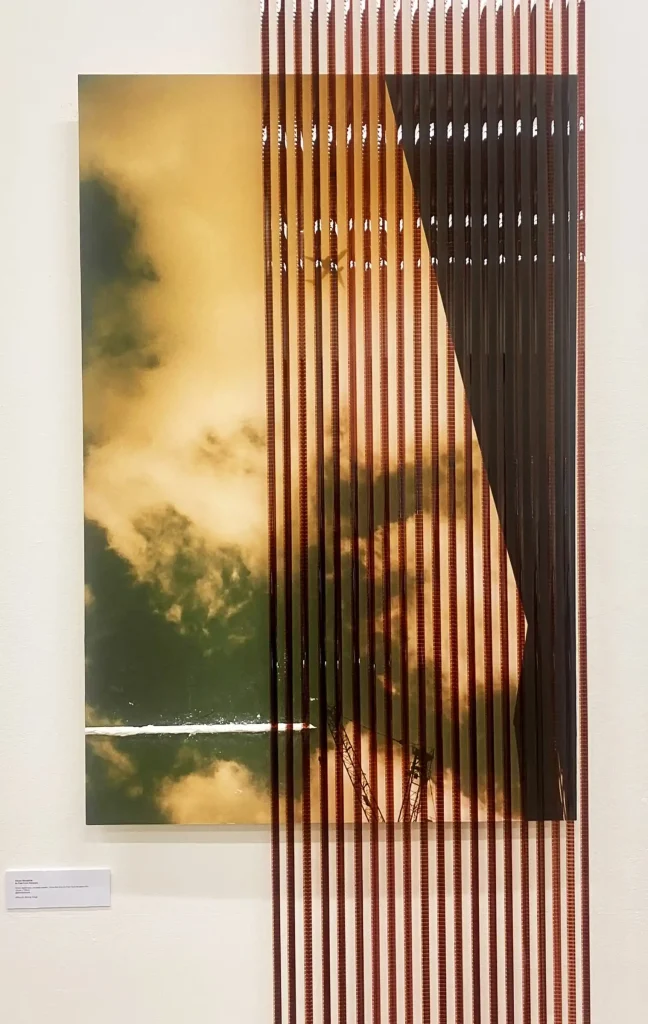
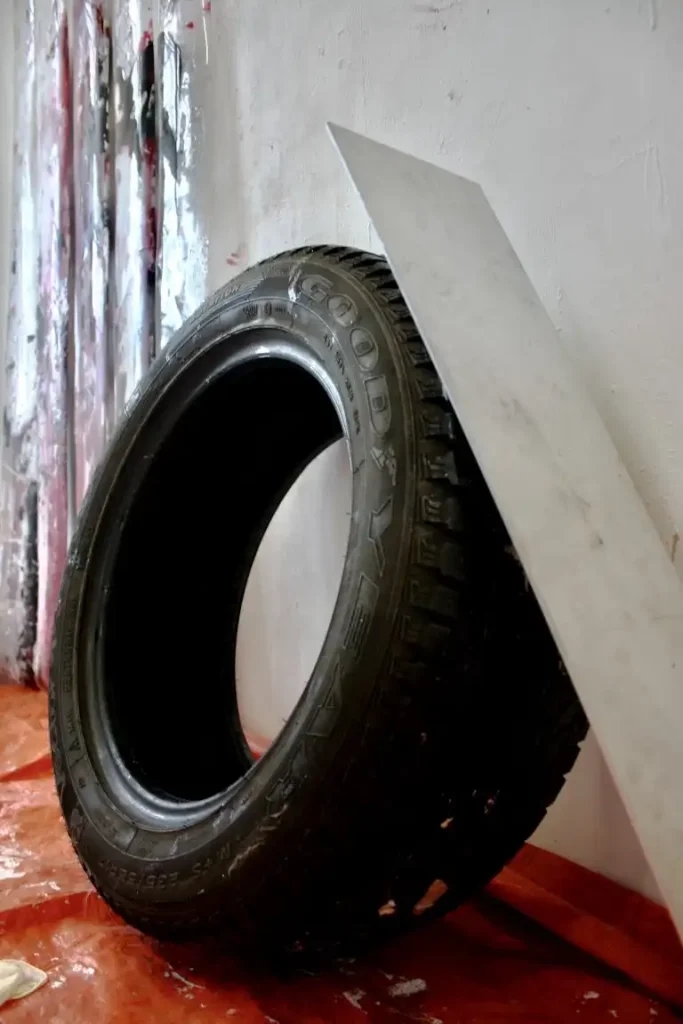
    The project I’m proposing is a mixture of installation specifically using objects that are related to industrial forms of production. I’m using PVC curtains to express the emotion of grief, and working with objects to see how they communicate this emotion. Also, I’m using objects that are related to my hometown, such as rubber and tires. I’m thinking about how the emotion of grief might be connected with my past work of boredom through combining the new digital contemporary landscapes we live in and the more recent past of post-industrial and industrial landscapes. So, using the objects to bridge that gap or have a dialogue between those two things.

    How do the sculptural and photographic processes interact in your work and what is the relationship between the two in the materialisation of your project?

    With the process of film development I’m trying to think about how that interacts with the idea of boredom or my relationship to boredom. The process of developing photography and having connections that are fundamentally detached and separated from the way we interact in the virtual space and digital space, how we interact with digital images. They’re instantly shared, liked or interacted with.

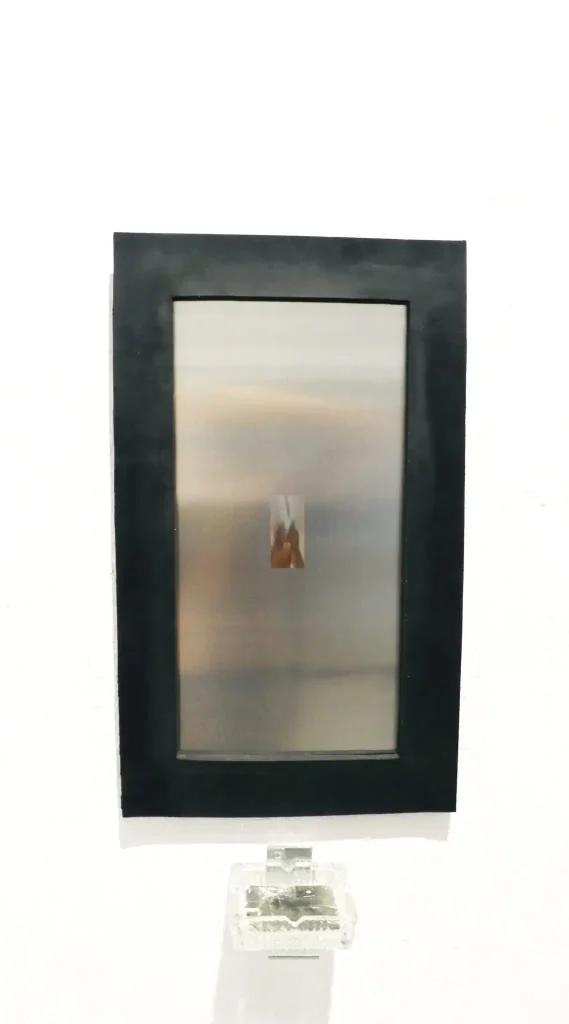
    Film photography is a whole other process that actually runs parallel to the experience of meeting someone, of exposing them and discovering their personality. I guess that’s really the idea behind portraiture. And that’s been interesting: trying, through my work at GlogauAIR -and actually even before I came to GlogauAIR- to figure out how to capture those photos, that moment I just described, and how to combine it with these very cold, industrial materials like aluminium, and also with resin.

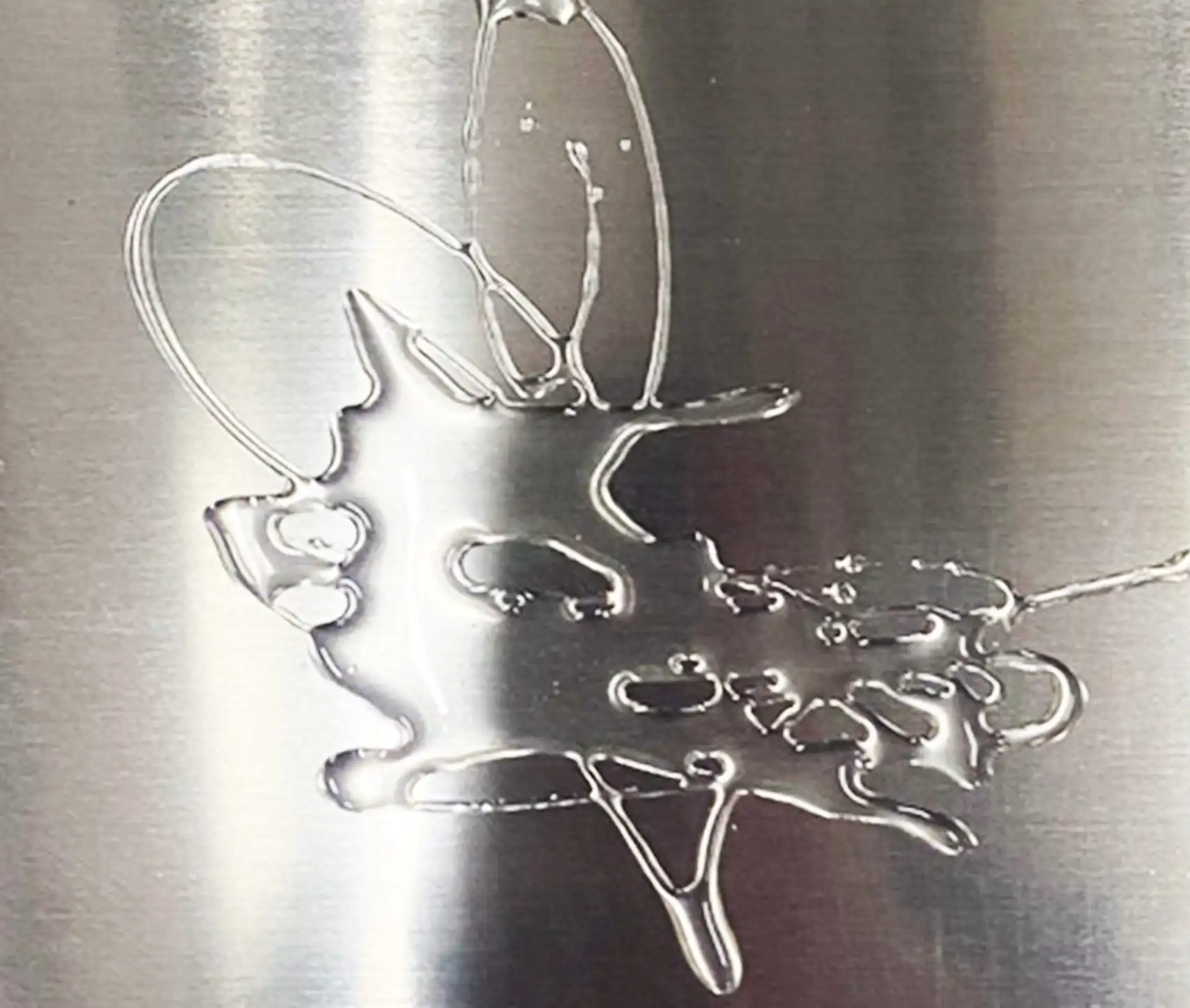
    Those materials are interesting to me, resin specifically, transparent resin, because on an aesthetic level, it’s as if the digital screen is liquefied and then kind of re-solidified. There is this kind of digital transgression to me in some way or movement with the liquid and you can kind of distill things and trap them.

    I’m working with aluminium as well. I’m interested in its relationship to modern structures, and how it connects to modern architecture. That’s something there in the context of my broader work with architectural film. There’s a coldness to it, it’s very reflective, very clean.

    I’m especially focused on how to combine photography with these modern objects and materials in a way that creates a dialogue between the digital and the filmic. It’s about saying something about the modes of being, that nowadays, feel so fast and transactional. How can I work with that tension between the slow, organic process of film development and the act of meeting people.

    That’s how the ideas are trying to materialise through objects. With the PVC, that’s more recent, I’m using the performance of drip painting, trying to perform grief on an industrial object that has the image of an erased space of redeveloped post-industrial areas from Wolverhampton. Is interesting because it’s combining something that is very vulnerable and emotional with the colour and the painting, with this very industrial object of transparent PVC.

    Showing the work from the other side of the painting is interesting to me in terms of how grief can be communicated, a very vulnerable and difficult emotion that is seen as something that’s traditionally hard, you know, like labour and producing, you can then even talk about the way in which emotions in working class communities are much less experienced or, not experienced but expressed. So, that dialogue is quite interesting.

    You refer to psychogeography as a fundamental part of your process. How do you apply this methodology when capturing images or selecting objects?

    In terms of collecting images, it’s related to the idea of the flaneur, which evolved in the 19th century and a type of movement through urban spaces where one follows and ultimately gets lost in the city and its crowds whilst following different energies.

    There is an inherent idea of people responding to their environments, and the environments themselves, therefore, are imbued with a special energy. So, taking that idea and then seeking out places where actually there once was this energy, also trying to feel that retrospectively is how I use psychogeography. I mean, if psychogeography is the idea of mapping the psychology of space, or maybe even the psychosis of space, if you think about how a city like London -how random and almost neurotic- but the way in which it’s built, the way in which its history is layered.

    What I’ve tried to do is, when you’re using psychogeography you’re also mapping history, as well geographical history. So, I’m using psychogeography to map my own experience of life through time and space, and coming from a filmmaking background, gathering images in a way that I find very inspiring, specifically in the context of Patrick Keiller’s work, who is a big influence of mine. He uses psychogeography in his film practice, as a way to release the surrealism of a realist image.

    So, if you’re taking, for example, the image I’m working with of the Goodyear tyre factory in Wolverhampton, how can I use objects and artistic practices to unleash the surrealism that I feel around this space? So, what’s really interesting about his work is these fixed shots in which there is a narrator narrating an absent protagonist. And in that, through that structure and movement of the absent protagonist through space, you’re creating the surrealism which I guess is tied up in the history of the shots of the places that are captured.

    I’m trying to kind of use that in the same way, in terms of how I work with the objects. Trying to bring this surrealism through a realist image.

    In what ways does Berlin’s urban environment influence the project you’re developing during your GlogauAIR residency?

    I guess I get the same feelings of dread in the areas of former industry, especially where it’s not even post-industrial, I guess it was industrial, but it’s now just logistical centres, where goods are moved to and from. So, DHL and UPS and things like that, Amazon warehouses. That is interesting to me, because there’s a special type of absence there, in which it is just pure space of transience and movement of prefabricated goods and objects. And so that kind of dread of erasure and empty space that is embodied in this type of industry that is predicated on increasingly fast and disposable commodity production and consumption. So I guess this is the way in which capitalism reanimates space into increasingly homogenous types of architecture, faceless warehouses with bright colours

    I find taking walks in places like these, feeling the lack of lived-in-ness and lack of energy of people there. I find that really interesting, that feeling of dread, which I also get when I go back to Wolverhampton. But that’s different, because I have a personal relationship with that city. With Berlin not so much. I think the way in which Berlin is changing and how it redeveloped its industrial spaces is very interesting to me. The way identity can move through space here more freely, the need to remonetise space is less urgent here than the UK, so there is more space for artists both culturally and mentally.

    Statement

    I am a multi-disciplinary artist from the UK and my work uses both the still and moving image to explore the image spaces around the concept of boredom. My method of artistic research incorporates psycho-geography as a main element in the image making process, mapping a collection of objects as a way to psychoanalyse the psychology and the inherent psychosis of the urban landscape.

    GlogauAIR Project

    My project will aim to materialise a collection of objects I have been studying through photography and film over the past two years. My approach includes the use of aluminium and resin, in a photo sculptural process that draws a tension between the object relations of commodity consumption related to boredom and addiction.

    CV Summary

    • I’m 30 years old and from the UK.
    • I am a Political Science (BA, UCL) and Philosophy (MA, UPF) graduate and I have just completed my MRes Art: Moving Image at Central Saint Martins in June 2024.
    • I have been an avid consumer of art and artist’s film for much of my twenties and I have accompanied this with my own practice as a filmmaker and photographer.
    • Alongside my studies I recently worked as the gallery assistant of their gallery.

    EXPERIENCE

    • Assistant Gallery Manager, their Gallery, 2023 (June – December)
    • Through my role as assistant manager I was responsible for organisation of exhibitions and management of artist to client sales and delivery. Alongside this I was also charged with day to day care of the gallery space.
    • Exhibiting Artist – Los Angeles Centre for Digital Art 03/04/25 – 28/04/25
    • Exhibiting my short film Ex Post Facto Boredom.
    • Exhibiting Artist – Central Saint Martins Post Graduate Art Show June 2024
    • Exhibiting my short film Ex Post Facto Boredom and a print Sculpture installation.
    • Founding Editor, GHHH Magazine (Video Art Magazine produced by CSM students and alumni), 2023–Present
    • Magazine aimed at platforming emerging artists in film, fashion and art. My role consists of event organisation, exhibition curation and magazine art direction.
    • Exhibiting Artist, May, 2023
    • Everything is Being Remade All of the Time, Vivisections Exhibition, Central Saint Martins Window Gallery.

    Gallery
  • Paula Garcia Sans

    Paula Garcia Sans

    Paula Garcia Sans is GlogauAIR resident
    from July, 2025 to September, 2025

    Spain


    Meet the Artist

    Coming soon

    Statement

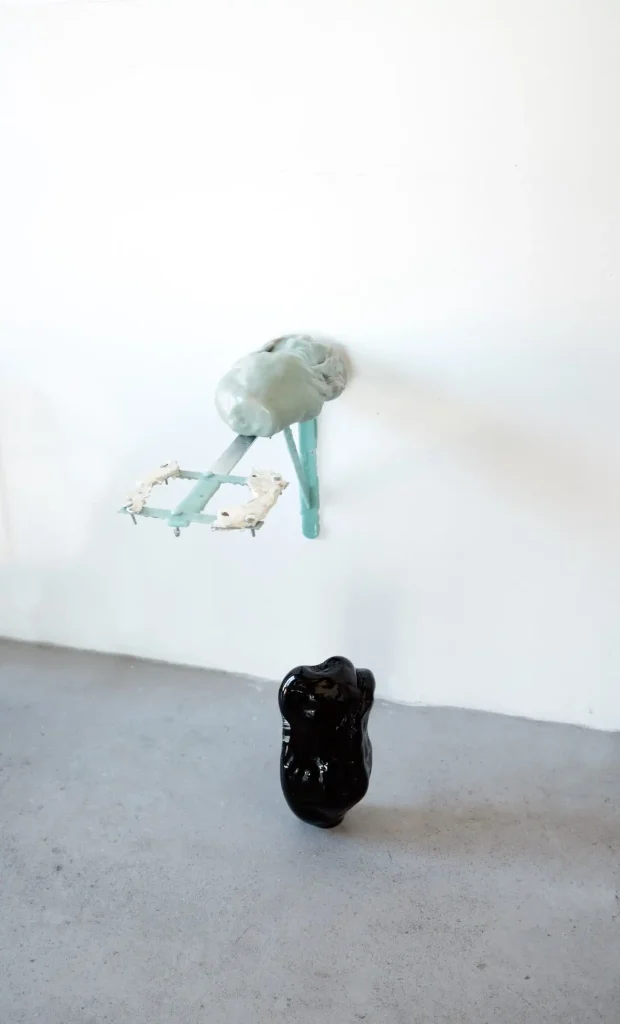
    Paula Garcia Sans is a visual artist born in Barcelona and based in Amsterdam. In their artistic practice they explore the uncanny through digital tools and sculpture, using mediums like stone, wax, 3D softwares and game engines. Strongly influenced by sci-fi narratives, their work captures the tension and blurring lines between the artificial and the natural from their daily observations and personal experiences.

    GlogauAIR Project

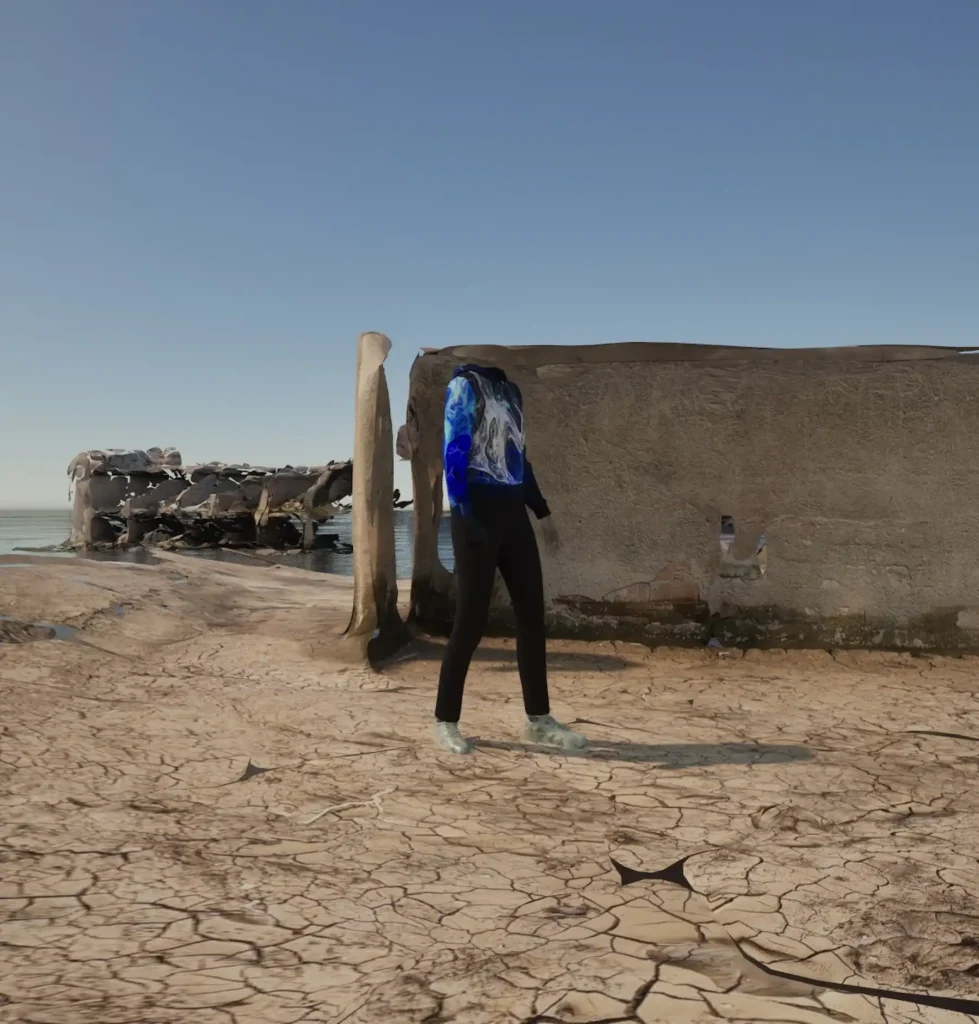
    Ethereal Estate is a multimedia installation composed of a body of sculptures and a 3rd person exploration videogame, based on a specific geographic situation that happened in Spain in 2023: the recent droughts in Catalunya uncovered the ruins of Sant Romà de Sau, a village flooded in 1960 for the construction of a water reservoir. I visited the area and entirely scanned it in 3D, obtaining a digital footprint of it. Both the videogame and the sculptures start from these scans and explore the topic of hauntology – a concept that examines how the past complicates our ability to envision the future – through the figure of an amnesiac ghost.

    CV Summary

    Selected groupshows

      • Prospects Art Rotterdam 2025
      • Museum Night at the Moving Arts Center Amsterdam 2024
      • The Sun Called It A Day, Neverneverland, Amsterdam 2024
      • Everything is on the one, Arti et Amicitiae, Amsterdam 2024
      • Nacreous Clouds, commissioned by Kunstfort bij Vijfhuizen for the Boring Festival, Haarlem, 2023
      • Future Deserts, Salbker Wassertum, Magdeburg, Germany 2023
      • Bodies that don’t age, Douanelab, Amsterdam 2022
      • MIRA festival, invited by mmmad.art, 2021
      • Campaign Images for the Dutch National Opera, 2021

    Grants

      • Prize Sala d’Art Jove 2025
      • Stimuleringfonds Research Grant for Digital Culture 2024
      • Mondriaan Start 2023

    Education

    • BA Moving Image, Gerrit Rietveld Academie, 2020

    Gallery
  • Hyeyeon Chung

    Hyeyeon Chung

    Hyeyeon Chung is GlogauAIR resident
    from July, 2025 to September, 2025

    Chung’s art bridges tradition and modernity, geography and memory. Through careful textures, monochrome palettes, and mixed media, she invites viewers into a space to reconsider how we perceive landscapes, memories, and our connections to place and people. Her collaborative curation and visibility in international exhibitions demonstrate both reflective intent and active engagement in London’s art scene.


    Meet the Artist

    Could you tell me a bit about your background and the project you’re proposing for this three-month residency here at GlogauAIR?

    I ́m originally from South Korea, I was born and grew up in Seoul and studied traditional Korean painting there, influenced by Chinese landscape painting, using a quite traditional methodology and material. Later, I completed my master’s in Drawing at the University of the Arts London. Living and working between Korea, Ireland, the UK, and now Germany, has shaped my perspective as both an artist and a diasporic subject.

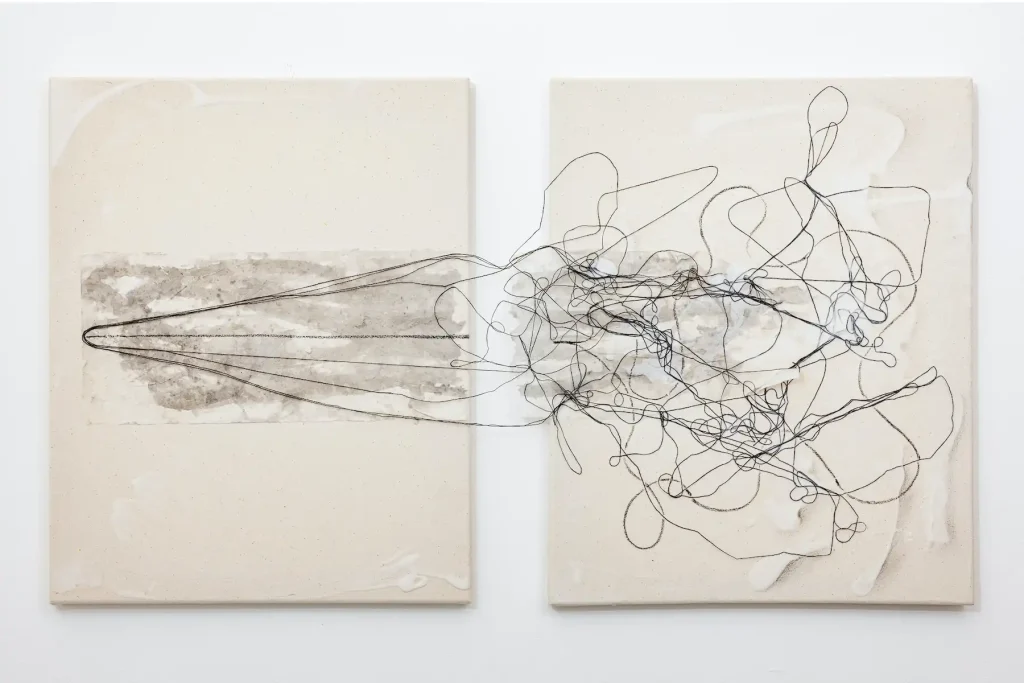
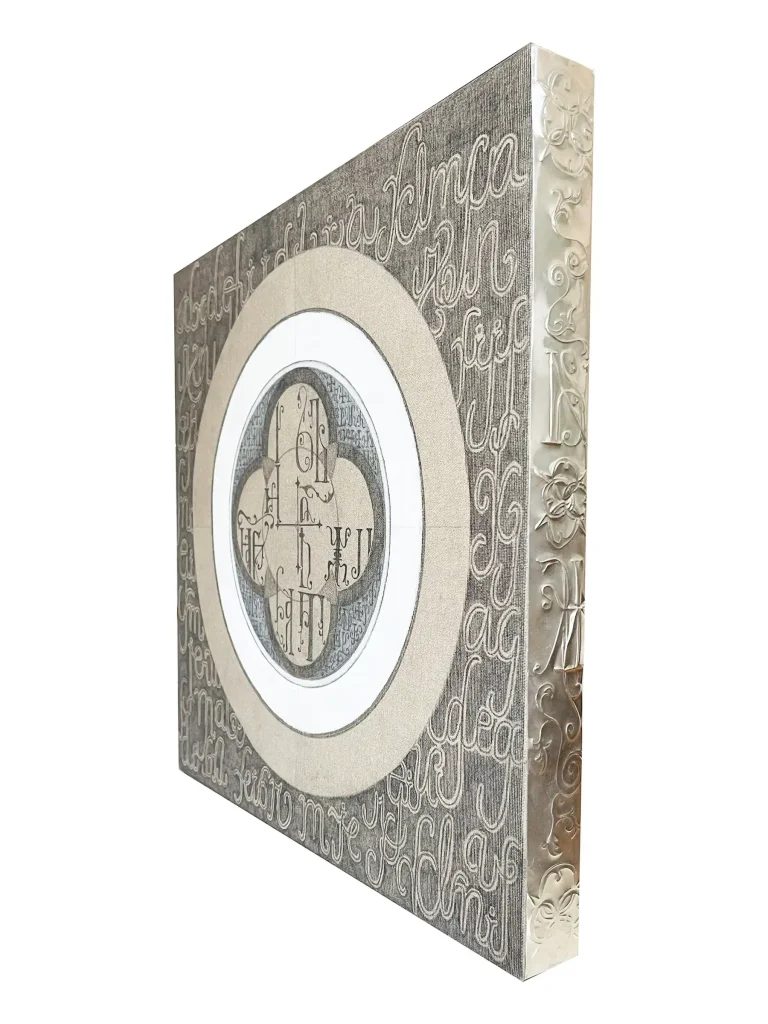
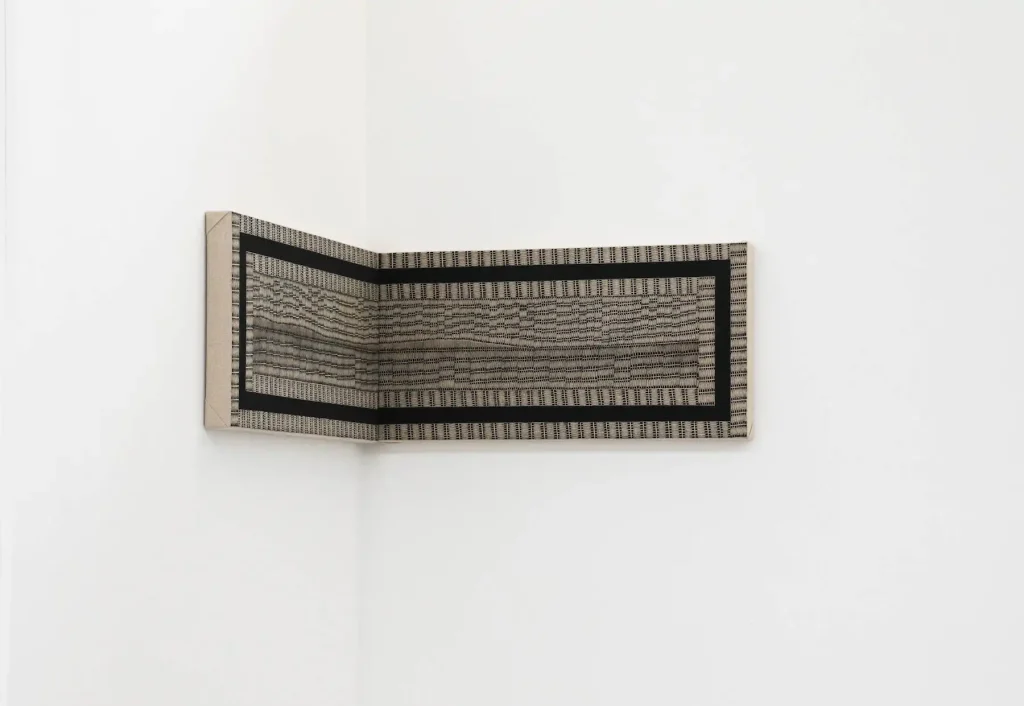
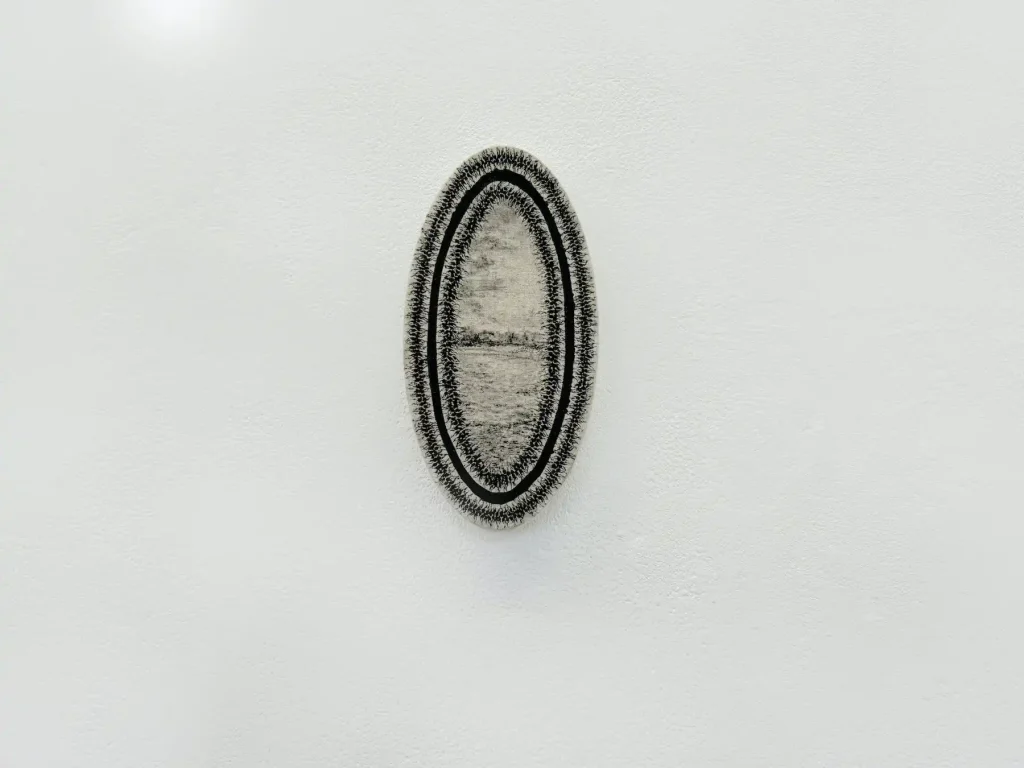
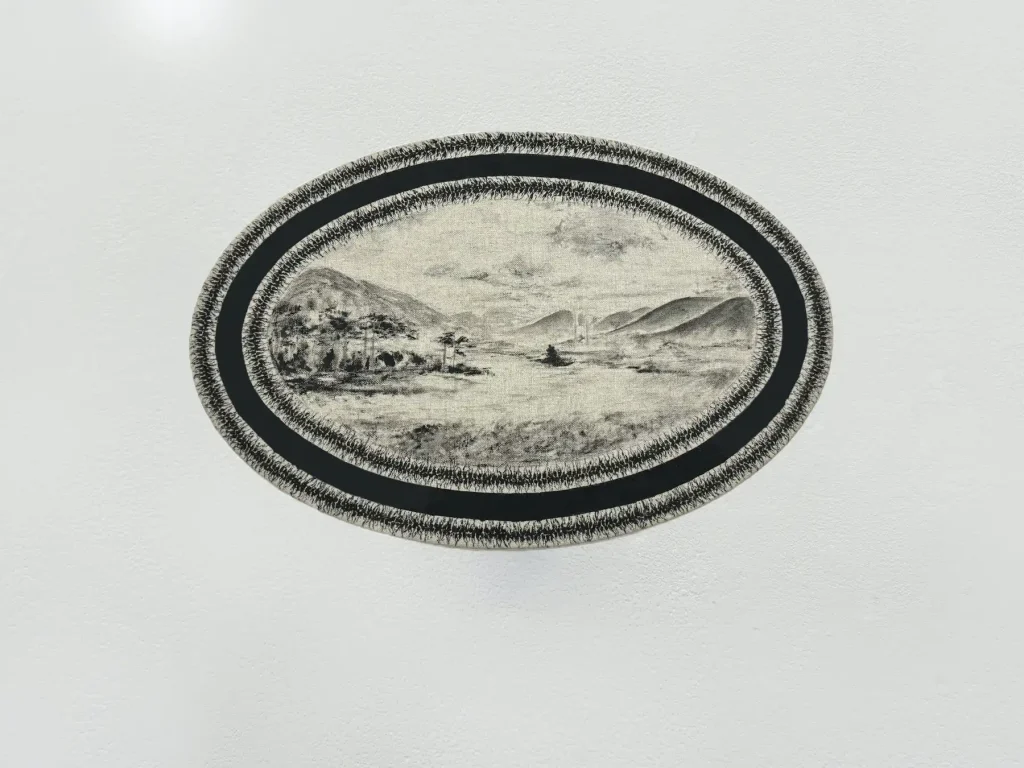
    At GlogauAIR, I am developing my proposed project that explores memory and perception through ink, linen, and embroidered gestures. I ́m also quite interested in how images can carry traces of displacement, silence, and longing, while also opening space for new interpretations within a shared environment.

    Abstraction and perception, nostalgia and diasporic experiences are some of the subjects that you explore in your work. How do you see these themes connecting to each other in your practice?

    For me, abstraction is a way to approach what cannot be fully explained—like memories that are fragmented, or emotions tied to displacement. Nostalgia often emerges as a double-edged experience, so it can connect me to a cultural past but also highlight what is lost or unreachable. And, diasporic experiences sharpen the awareness of distance, and this perception becomes the means through which I try to articulate that tension. That ́s the biggest reason why I use fabric and create tension in the drawing. My works don’t illustrate these ideas directly but instead create spaces where viewers might sense them for themselves.

    Weft, weaving, and textile references appear in your work. Could you share how these materials or processes inform your artistic language?

    I see weaving both literally and metaphorically. The linen I work with already contains a woven structure that holds tension between fragility and resilience. By layering ink, thread, or stitched lines, I engage with this structure as if I’m weaving memories into the surface. And there is also the power of materiality. The physical movement when making numerous strokes and dots, after I reach a moment where I feel like I ́m a print machine. I ́m always looking forward to seeing that moment.

    These processes allow me to connect traditional practices with contemporary abstraction, while also echoing the way personal and cultural histories are interlaced, never linear, always intersecting.

    Your works invite the audience to look closely and see beyond the surface…What kind of effect or response do you hope to evoke in the viewer?

    I hope to create a moment of pause. When someone looks at my work, I want them to sense both presence and absence, what is revealed and what remains hidden. The slight shifts in ink, the tension of the fabric, or the interruptions of embroidery ask the viewer to slow down and consider what lies beneath appearances. This is why I don ́t like saying “this is my painting”, I like to name it my drawing, because for me a painting is tons of layers and layers coming towards me. But drawing is just the opposite way. It ́s flat. It’s really going to the ground, and you can observe some of the fragments of it. That’s also why I always prefer using monochrome, and no glossy acrylic. Ideally, this close look can evoke both intimacy and distance, mirroring the layered experiences of memory and perception that inform my practice.

    Statement

    Chung’s art bridges tradition and modernity, geography and memory. Through careful textures, monochrome palettes, and mixed media, she invites viewers into a space to reconsider how we perceive landscapes, memories, and our connections to place and people. Her collaborative curation and visibility in international exhibitions demonstrate both reflective intent and active engagement in London’s art scene.

    GlogauAIR Project

    Framing & Perspective: By isolating sections of her repetitively marked compositions within narrow virtual windows, Chung invites viewers to pause and focus—emphasizing intimate glimpses rather than expansive views. Memory & the Diasporic Gaze: These windowed drawings evoke the act of looking out and looking in—metaphors for both nostalgia and migration. Material Tension: Ink on linen and metallic backings highlight contrasts between softness and industrial hardness, exploring presence and absence.

    CV Summary

    Education

    • 2011–2016 BA in Korean Traditional Painting, Chung-Ang University, Seoul, ROK
    • 2023–2024 MA in Fine Art: Drawing, Camberwell College of Arts, University of the Arts London, UK

    Solo Exhibitions

    • 2020 “Recollection of Scene,” Gallery Knot, Seoul, ROK
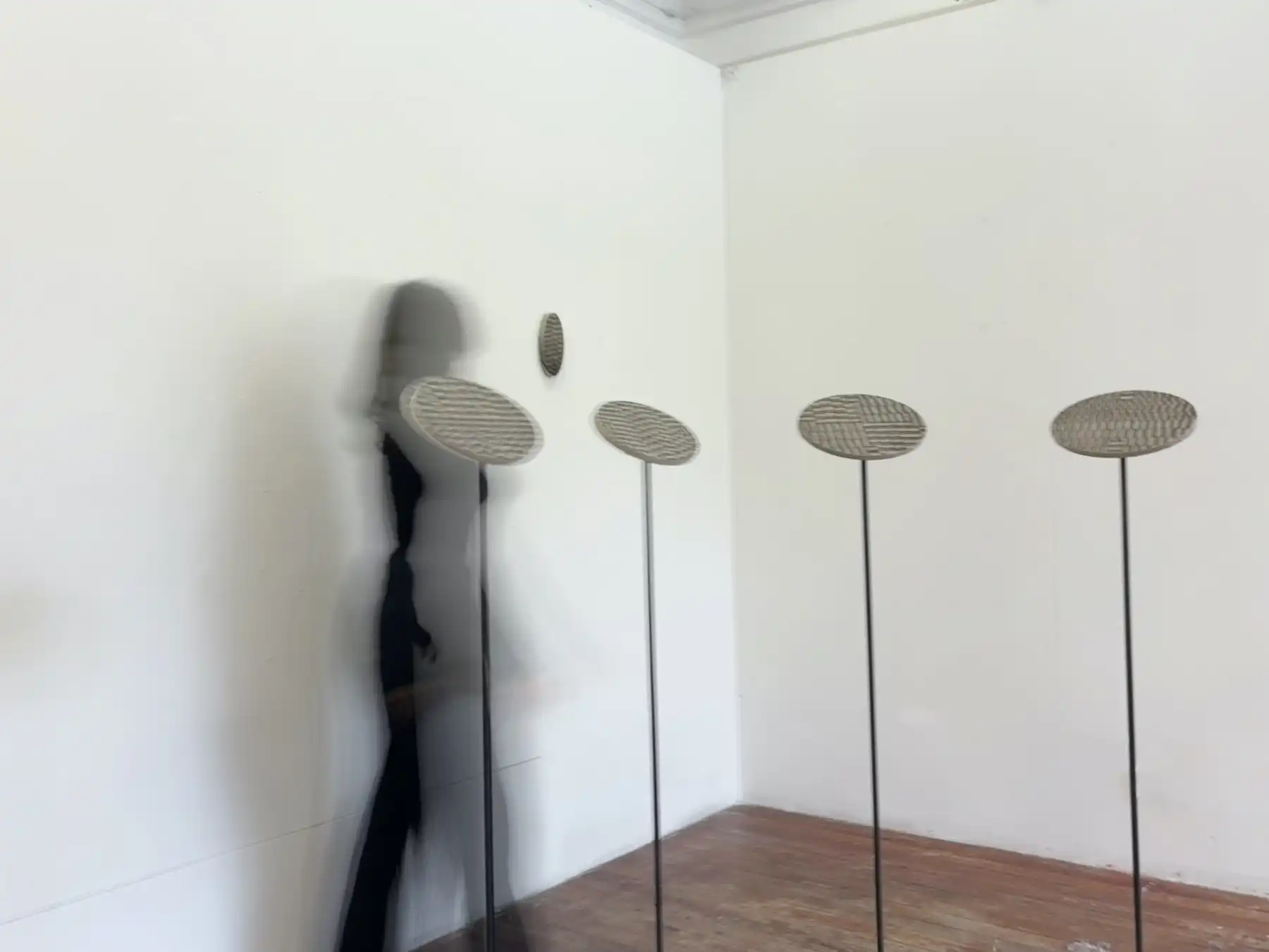
    • 2019 “Unspecified Moments,” WUNDER KIND Art Space, Seoul, ROK
    • 2019 “Unspecific Landscape Collections and Memory,” SUHWOO Gallery, Seoul, ROK
    • 2018 “Improvise Collecting of Landscape,” la Dolce Berlin, Berlin, Germany

    Group Exhibitions

    • 2025 Those Beginning Notes, Warbling, London, UK
    • 2025 Connectology, Roha Gallery, London, UK
    • 2024 Inter-secting Lines, London SU Gallery Space, London, UK
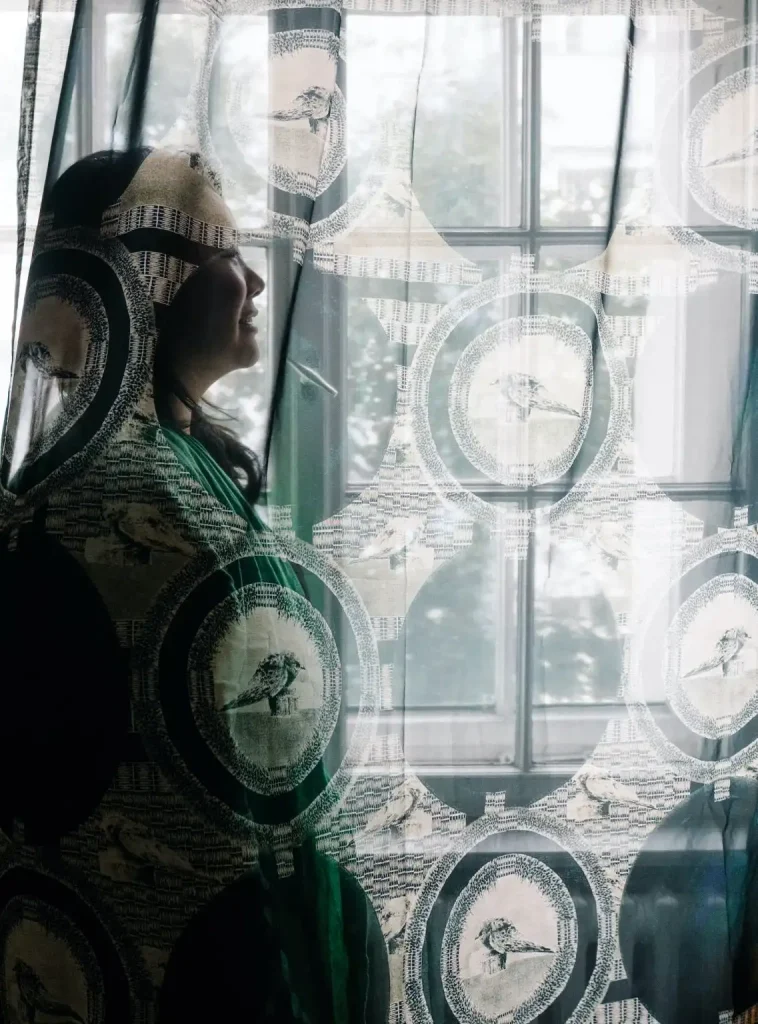
    • 2024 Where We’re Calling From, Copeland Gallery, London, UK
    • 2024 Water, Oil, Honey, The Crypt Gallery, London, UK
    • 2024 In-between, Peckham Levels (UAL), London, UK

    Art Fair

    • 2021 Blue Art Fair, Paradise Hotel, Busan, ROK
    • 2021 PLAS2021 Formative Art Seoul, COEX Hall B, Seoul, ROK

    Residencies & Awards

    • 2024 Winner, Student Award at Trinity Buoy Wharf Drawing Prize
    • 2024 Studio 18 Millbank Summer Residency, London, UK
    • 2025 GlogauAIR Residency, Berlin, Germany

    Collections

    • Youngeun Museum
    • Pritive

    Gallery
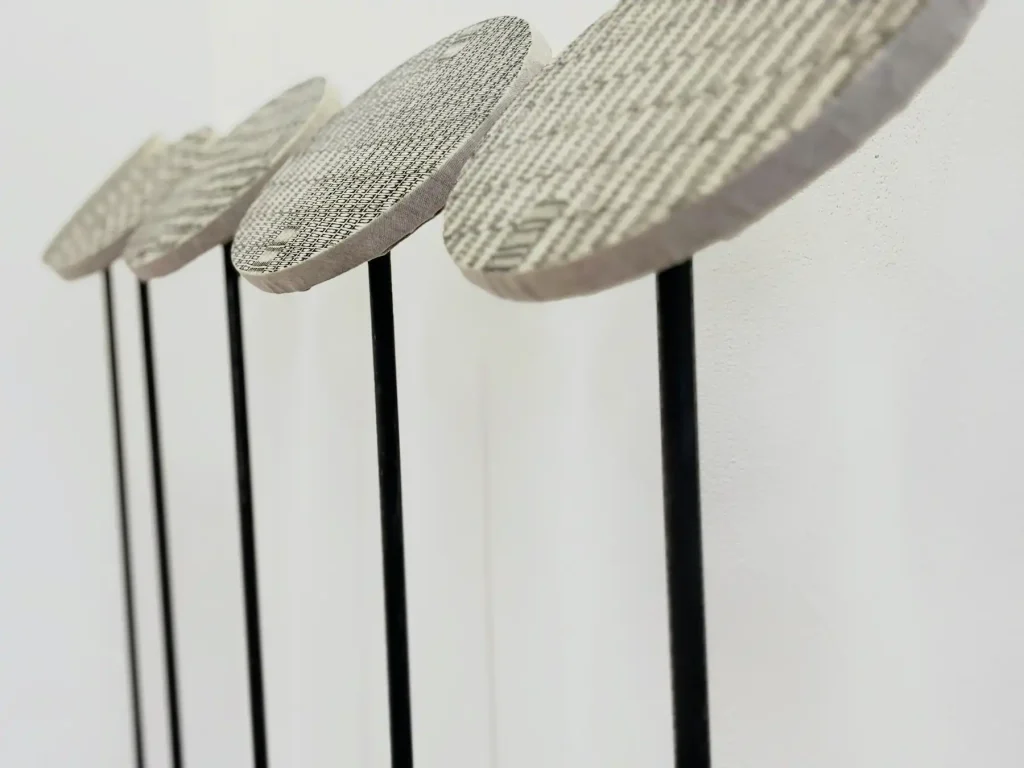
  • Solmaz Khaleghpanah

    Solmaz Khaleghpanah

    Solmaz Khaleghpanah is GlogauAIR resident
    from July, 2025 to September, 2025

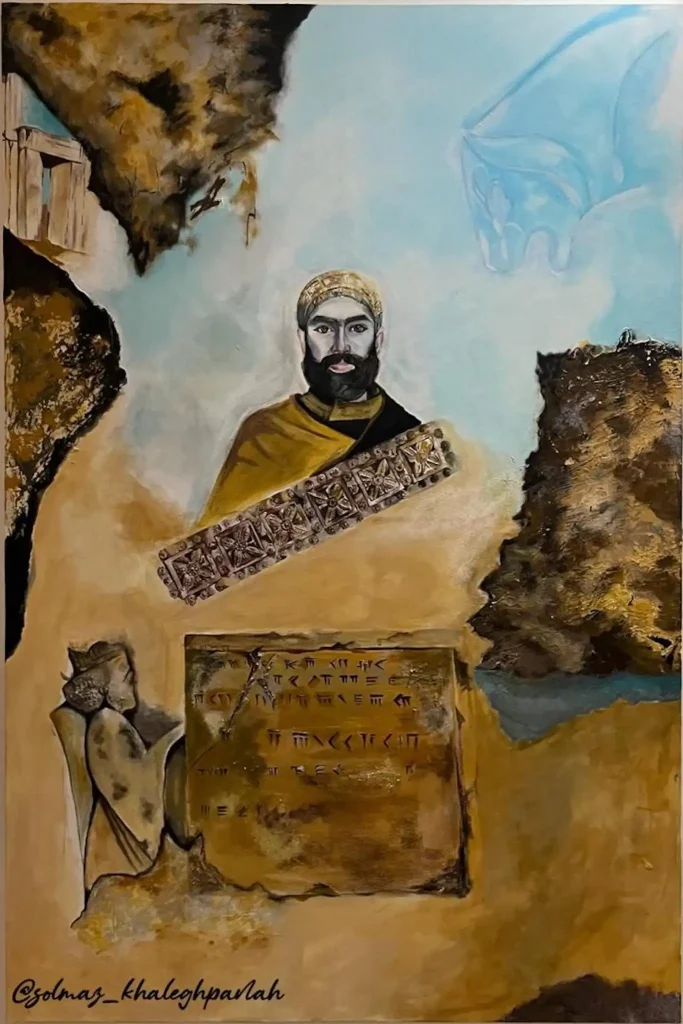
    Solmaz Khaleghpanan was born in the summer of 1983 in Ahvaz, a city where the sun touches the most ancient soil of Iran. She has lived for years in the world of images—somewhere between cinema and the canvas. She has worked as a set and costume designer, building and breathing life into characters through her imagination. For her, colors and textures are a language, a means to tell stories that history books have often been pushed to the margins. 

    Her homeland, Iran, gave the world its first civilizations and the first charter of human rights. Yet many of these stories have fallen silent under the dust of time. Each period of her practice reflects both the world around her  and her inner landscape; addressing themes from women’s freedom to the sorrow of cultural heritage destroyed. Historical research is always her starting point, but her destination is a dialogue between past and present, where symbols and memories regain their meaning.


    Meet the Artist

    What ideas are most alive in your work right now?

    Currently, my work is deeply focused on exploring the impact of cultural destruction and the silence that follows it. I am investigating how historical heritage can be both preserved and transformed through contemporary visual art, using symbolism, patina, and layered textures to evoke the passage of time and the fragility of memory.

    Which symbols or motifs are you returning to, and why?

    I often return to motifs from ancient Persian civilization, such as architectural fragments, mythical animals, and royal figures. These symbols allow me to engage with the past while reflecting on its relevance today, emphasizing themes of identity, loss, and transformation.

    How does your research  shape what happens in the studio?

    Research is central to my practice. I study historical texts, artifacts, and visual documentation to inform the details and textures in my works. Discoveries about ancient craftsmanship, materials, and symbolism directly influence my choice of media, layering techniques, and compositional decisions.

    What materials or processes feel essential in this series? 

    I primarily use mixed media on canvas, combining gouache, acrylic, and materials that create patina-like textures. These textures help me convey a sense of erosion and memory. The layering process allows me to reveal and obscure elements simultaneously, reflecting the complexity of cultural history. 

    How do you think your work has shifted over time? 

    My earlier work focused more on narrative and figurative elements, while my recent pieces have become more abstract and symbolic. I now emphasize emotional resonance and the tension between presence and absence, aiming to create spaces where viewers can reflect on memory and history.

    What do you hope a viewer carries with them after seeing this work? 

    I hope viewers leave with a heightened awareness of the fragility and richness of cultural heritage. I want them to feel the weight of history, the traces of loss, and the possibility of reinterpretation and renewal through art.

    Statement

    My practice explores the echoes of ancient civilizations through a contemporary lens. By combining traditional techniques like gouache, acrylic, oil, and mixed media, I seek to revive historical narratives and cultural memory. My work reimagines artifacts and forgotten stories, aiming to connect the past and present in visual dialogues that evoke identity, time, and collective memory.

    GlogauAIR Project

    During my residency at GlogauAIR, I will develop a new body of work inspired by ancient Persian reliefs and archaeological textures. My project focuses on transforming historical fragments into contemporary visual forms that reflect on memory, loss, and cultural continuity. Using layers, erosion techniques, and rich textures, I aim to bring ancient forms into new life.

    CV Summary

    Education

    • Bachelor’s Degree in Fashion Design

    Professional Experience

    • Visual Artist and Designer working in costume design, scene design for film & TV, and theater set design
    • Member of House of Cinema and the Iranian Artists’ Insurance Fund

    Selected Exhibitions

    • 2024 – Group Exhibition, Galleria Ehsan, Tehran (May)

    Gallery
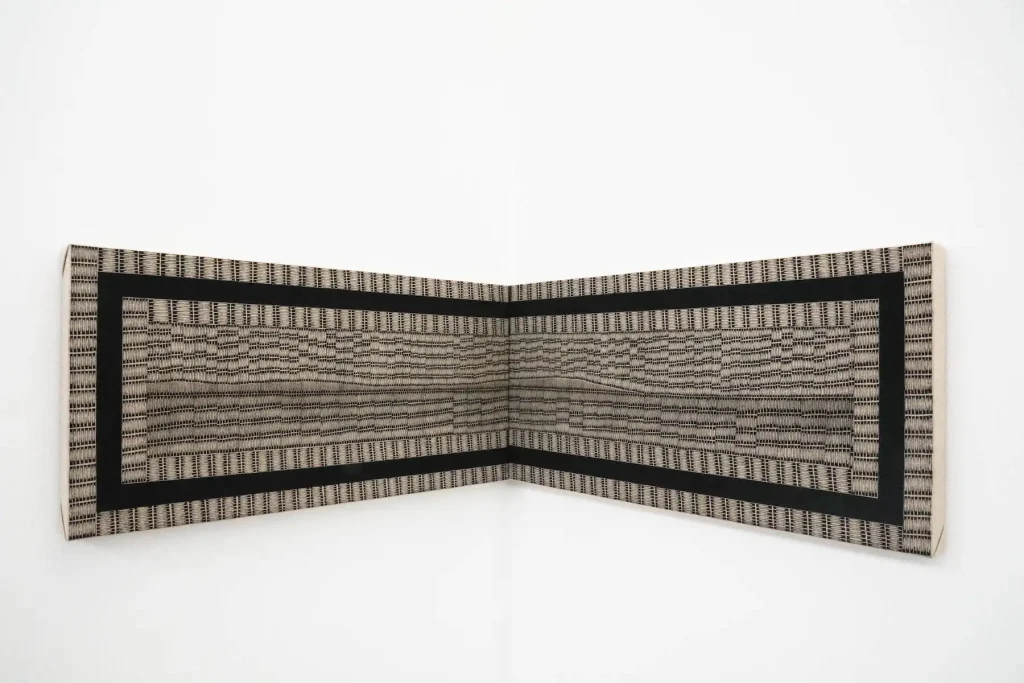
  • Birgit Moffatt

    Birgit Moffatt

    Birgit Moffatt is GlogauAIR resident
    from July, 2025 to September, 2025

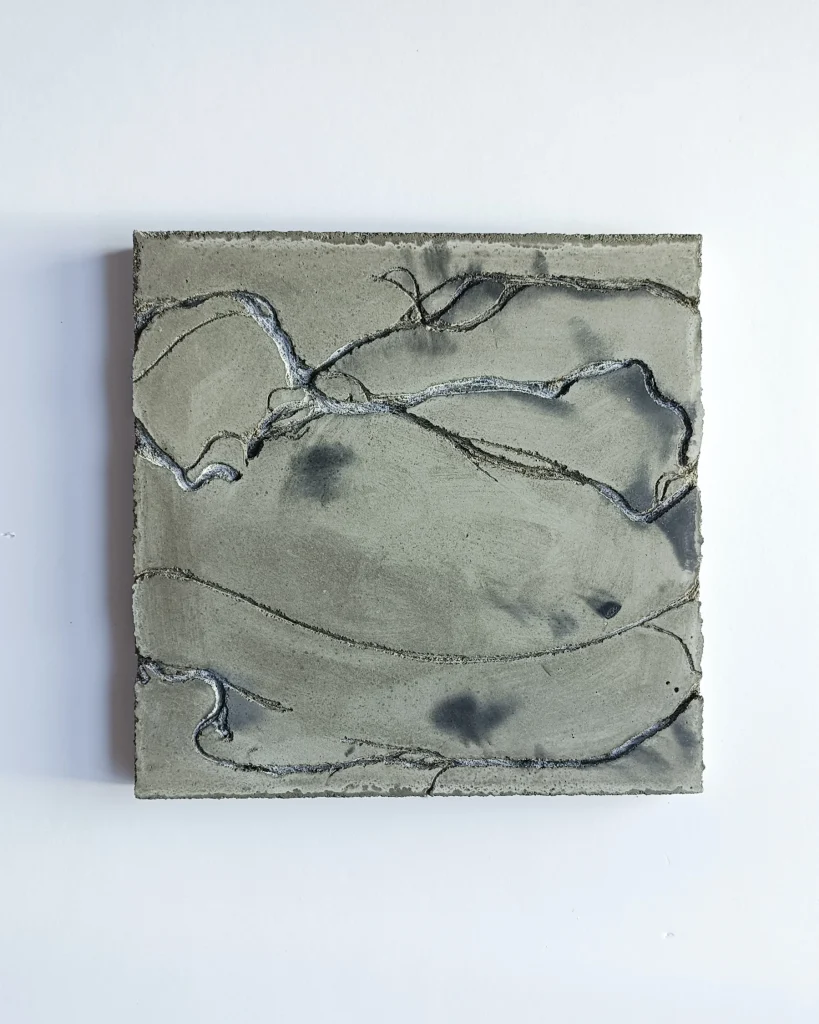
    Birgit Moffatt explores the intersection of culture, migration, and memory, which continually shape her sense of self and belonging. Her art practice is process and material driven. She has a background in studying textiles, but she is also drawn to hard and bold materials influenced by her upbringing in East Berlin. Her work spans installation, sculpture and object-making using traditional and contemporary techniques and materials that contribute to their meaning. Through her art, she aims to discover her true human nature and her inner home.

    Meet the Artist

    How does growing up in East Berlin shape the forms and structures in your work today?

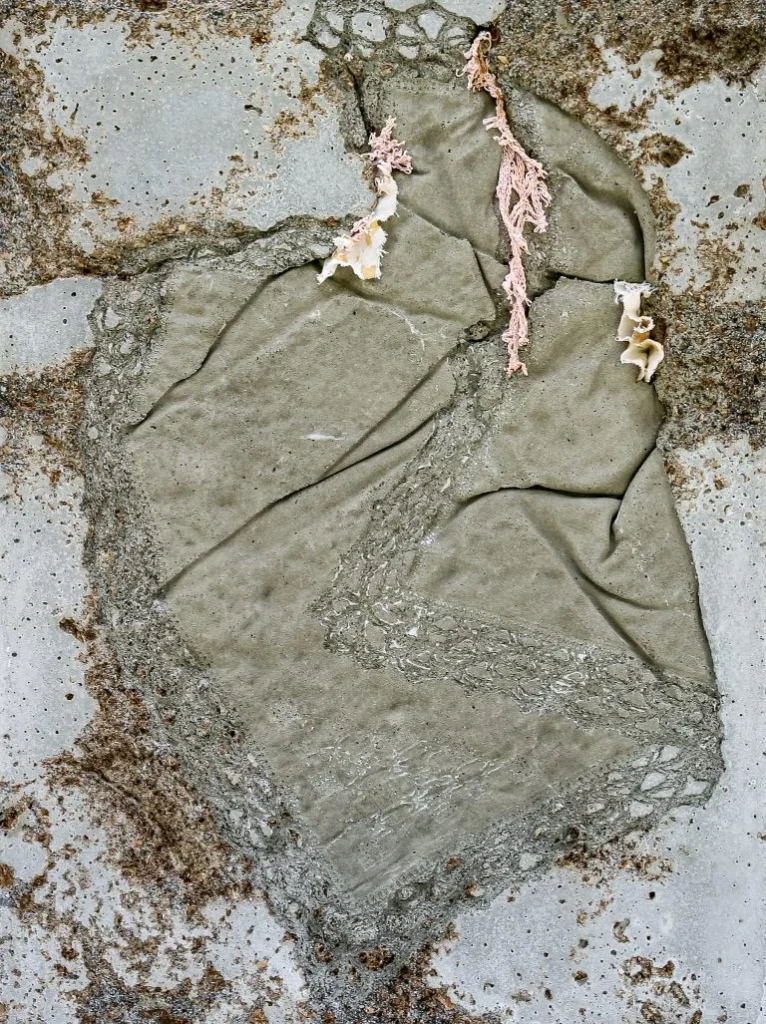
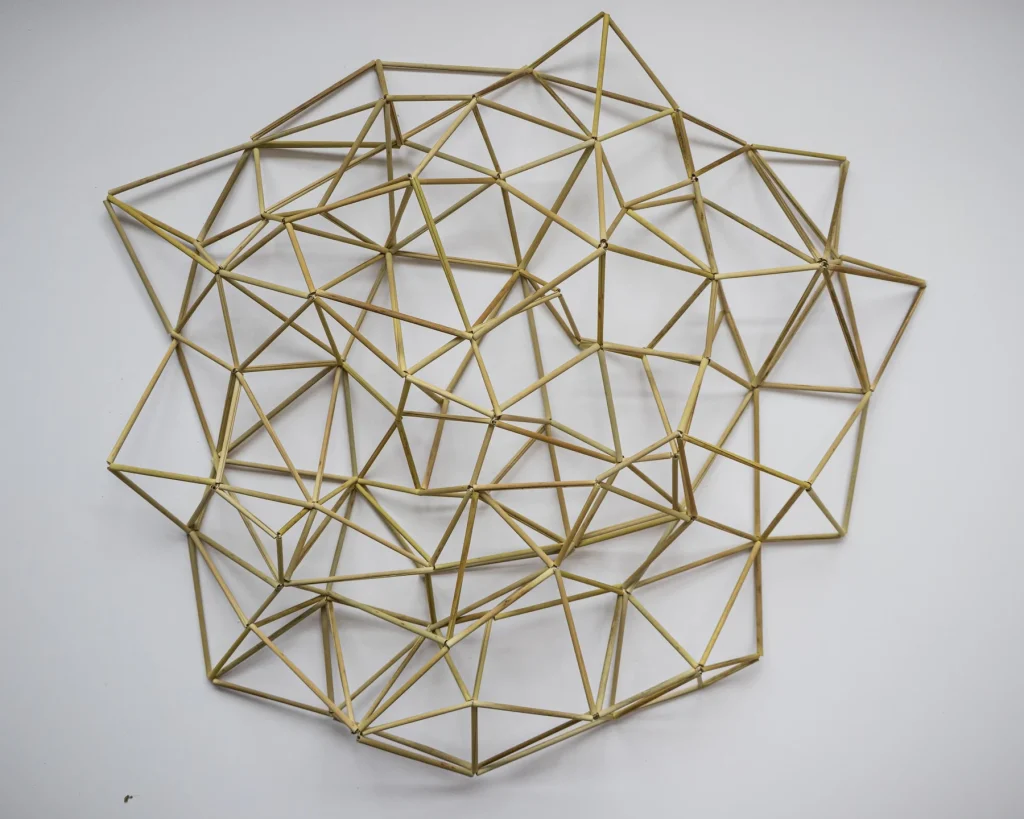
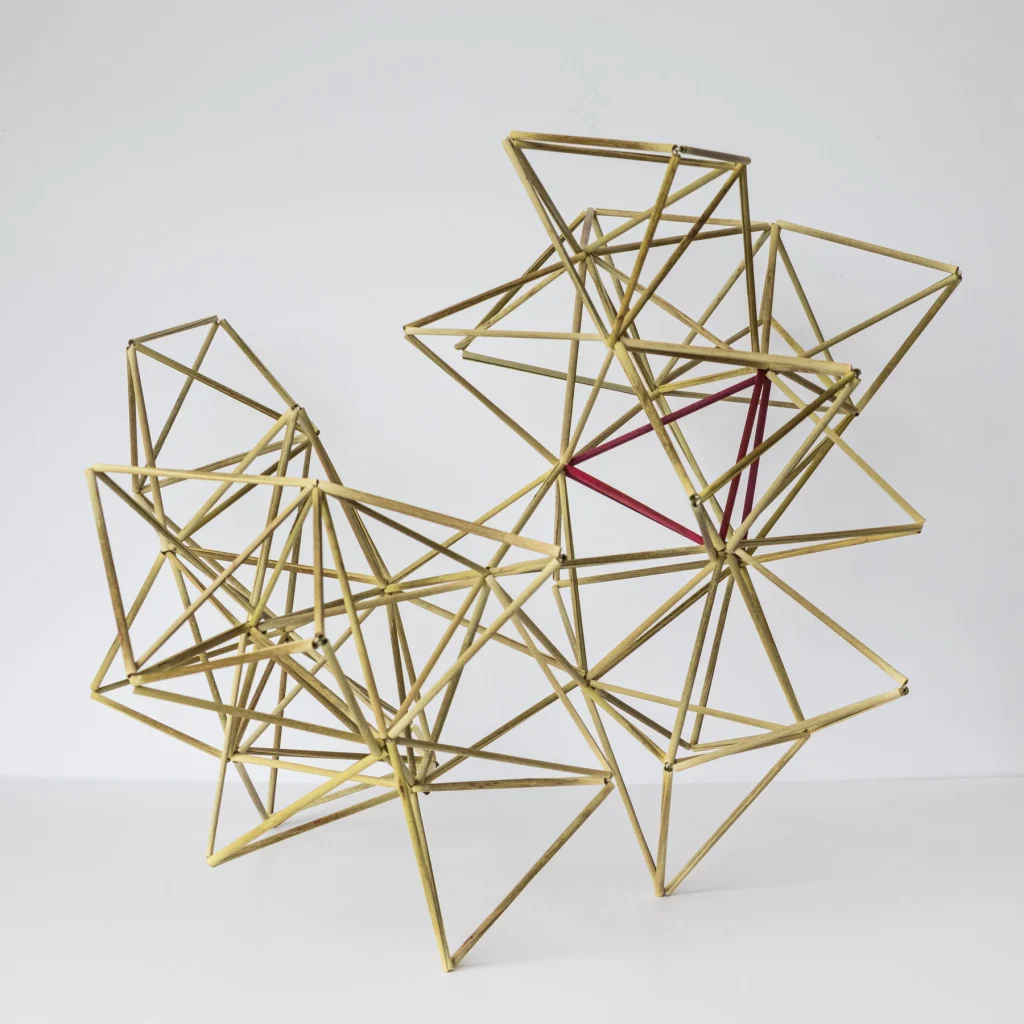
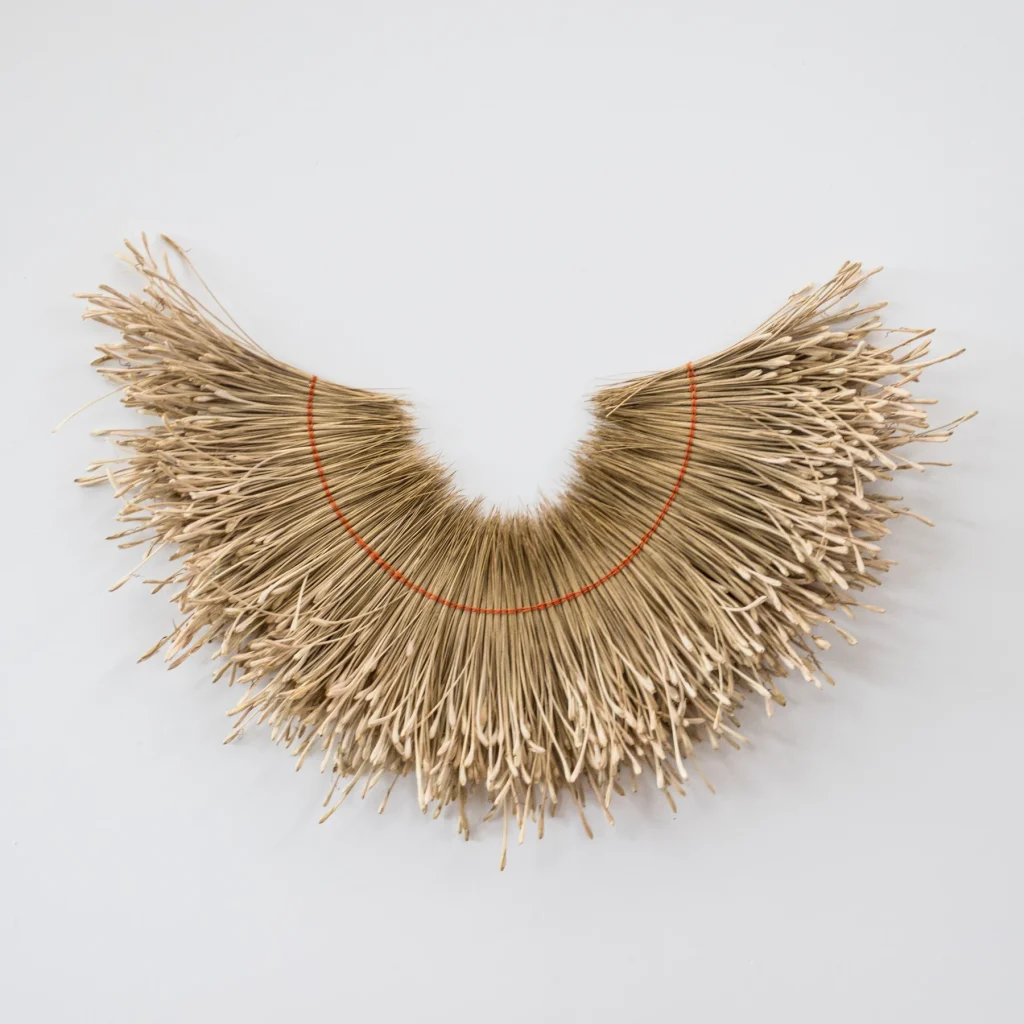
    When I began working more three-dimensionally, I started exploring structures and skeleton frames to better understand construction, especially when I worked with harakeke (NZ flax) in a contemporary, sculptural way. I realised that I was drawn to a particular type of construction and architecture deeply rooted in my formative years in East Berlin, where such structures were always present, including the Berlin Wall.
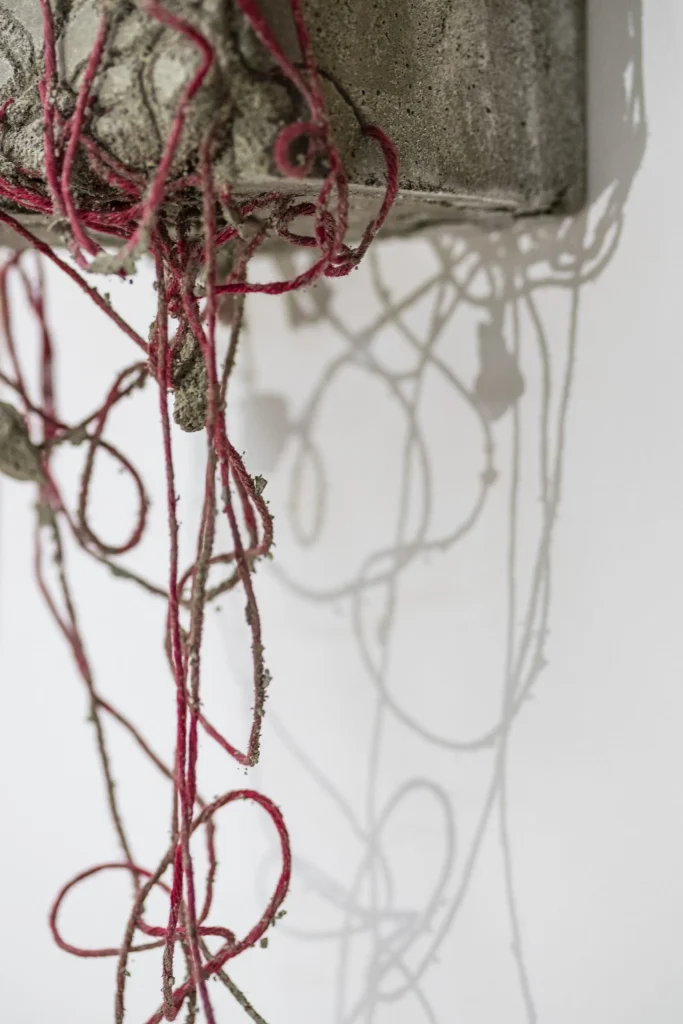
    Working with concrete has evoked feelings of familiarity and comfort, recalling my childhood in the vast slab-construction housing estate of Berlin Marzahn.

    I remember the boldness, coldness, and simplicity of brutalist forms, the cracked and crumbling plaster on old building facades; and the hundred shades of gray that are characteristic of Eastern European cities. These elements speak to me, telling the story of my city and of myself.

    What changed for you—personally and in practice—after relocating to Aotearoa?

    From one day to another I wasn’t a citizen of the country I was born in but a migrant. Living permanently outside of my own county, I felt more vulnerable and more aware of my own cultural identity.

    At first, suddenly living a rural lifestyle away from the conveniences of a big city was difficult, but over the years, I have developed a much closer bond with the land and understanding of the land and learned skills that I never would have imagined of in central Berlin.

    I had not engaged in any art form before coming to New Zealand. Coming from a background in government work, studying art in a country with a very different set of values and beliefs, particularly Māori culture, has been a challenging yet enriching journey. This experience has fostered my personal growth and expanded my own worldview.

    What led you to work with foraged, natural, and local materials?

    My daily walks through the lush native forests of New Zealand have honed my perception of my surroundings and sparked my curiosity. I began collecting natural materials and exploring their potential by noticing their textures, colors, and forms.

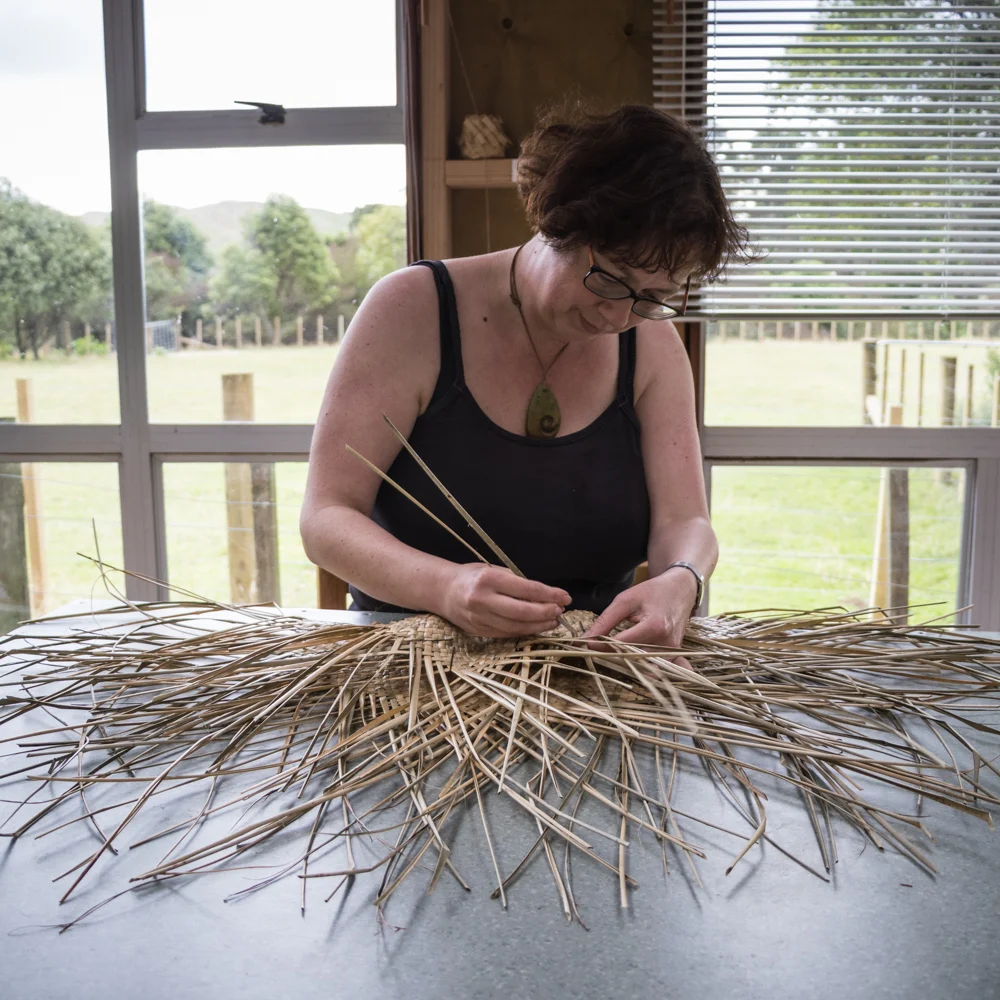
    After being introduced to Māori weaving through my husband, I became fascinated by the cultural richness and skill of the art form. I decided to take on the challenge of learning this craft myself.

    Māori culture is deeply rooted in its connection to the natural world and has a strong sense of responsibility to protect and preserve it for future generations. This has had a lasting impact on me, teaching me mindfulness and awareness and fostering a deeper respect for the environment.

    How have techniques like weaving, eco-dyeing, and sculptural assembly evolved in your practice?

    I am grateful for the opportunity to learn from the people of the land here in Aotearoa. Yet, to stay true to myself, I needed to bring my own stories and history into my work, without diminishing the essence of the materials themselves.
    In this way, I slowly moved away from working in traditional forms and began taking a more personal and contemporary approach. Through ongoing material exploration, I am able to connect with the materials I work with, and I learn to trust my intuition with greater confidence.

    How do your materials carry ideas of identity, belonging, and memory in your work?

    The materials I choose to work with always carry a sense of connection; sometimes to a place, sometimes to a memory. At times this connection is only a vague feeling, while at others it is a strong, immediate response. I try to listen to what the materials want to reveal, recognising that each holds its own story and place of origin. Working in this way allows the material itself to guide me, adding weight and depth to the work, while also shaping the way I understand my own history and belonging.

    What are you exploring during the GlogauAIR right now, and how has the residency process influenced your work so far?

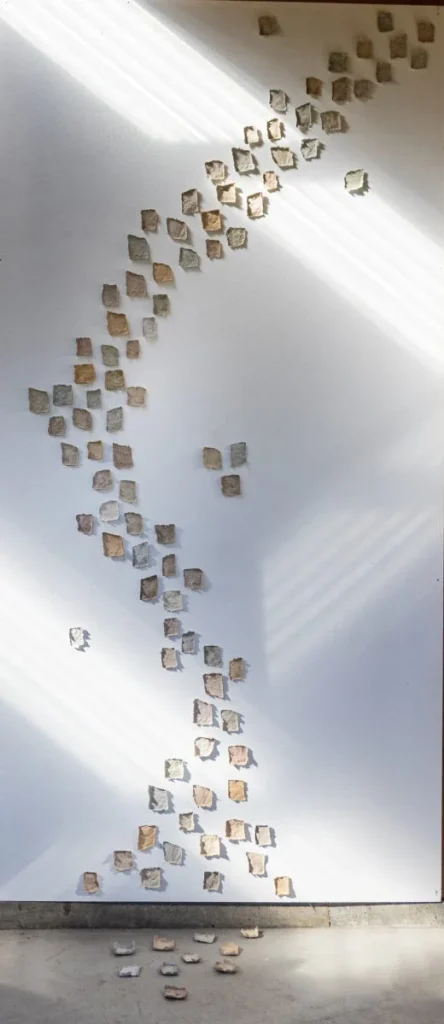
    During the residency, I am exploring ways to bring together elements from the two places that I feel connected with. I am working with window-like forms I am building from plaster that recall memories of my childhood. By combining those plaster frames with natural materials I find in the hoods, I seek to explore the layered nature of my history and the ongoing dialogue between past and present.

    Especially the curatorial sessions and critique sessions have helped me to keep focused and reflective.

    The curatorial and critique sessions became moments of guidance throughout the residency, helping me refine my focus while opening deeper spaces for reflection.

    Statement

    Birgit Moffatt is a German multidisciplinary artist based in Aotearoa New Zealand. She explores the intersection of culture, migration, and memory, which continually shape her sense of self and belonging. Her art practice is process and material driven. She has a background in studying textiles, but she is also drawn to hard and bold materials influenced by her upbringing in East Berlin. Her work spans installation, sculpture and object-making using traditional and contemporary techniques and materials that contribute to their meaning. Through her art, she aims to discover her true human nature and her inner home.

    GlogauAIR Project

    I am developing new work for two upcoming group exhibitions, both of which have an overall theme of home. I plan to weave together elements of the two places I call home: Berlin, where I lived for 35 years (in both East and West Berlin), and my adopted home in rural New Zealand. Currently, I am exploring the potential of plaster as a building material to create abstract architectural forms reminiscent of urban landscapes. During the online residency program, I will examine how these forms can be combined with natural elements, such as plants and earth pigments, interlinking my appreciation for and connection with both places.

    CV Summary

    Education

    • 2022 National Diploma Te Reo Māori (Māori Language Level 6)
    • 2018 Diploma in Māori Arts (Raranga)
    • 2013 – 2016 Bachelor of Applied Arts (Visual Arts and Design), Whitireia New Zealand

    Exhibition Work

    Solo Exhibitions

    • 2024 Reimagining Geometry, Toi Gallery, Pātaka, Porirua, NZ.
    • 2023 Shifting Perspective, Library and Exhibition Centre Whakatāne, NZ.
    • 2021 Safe Space, Whirinaki Whare Taonga, Upper Hutt & Mahara Iti Gallery, Waikanae, NZ.
    • 2021 In Dialogue with Papatūānuku, From out of the blue Gallery, Ōpunake, NZ.
    • 2020 Ko Papatūānuku e takoto ake nei, Hastings City Art Gallery, Hastings, NZ.
    • 2018 An Intimate Connection, Te Takeretanga o Kura – hau – pō, Levin, NZ.
    • 2016 Topophilia-Love of Land, Mahara Gallery, Waikanae, NZ.

    Group (selected from the last 5 years)

    • 2025 Finalist – Molly Morpeth Canaday Awards, Whakatāne, New Zealand
    • 2024 Re: Object, Process Exhibition Aotearoa Fellowship, Auckland, New Zealand
    • 2024 Changing Thread, Refinery Gallery, Nelson, New Zealand
    • 2024 Parkin Drawing, Wellington, New Zealand
    • 2024 Finalist – RT Nelson Sculpture Award, Wellington, New Zealand
    • 2024 Finalist – Changing Thread Awards, Whakatū, Nelson, New Zealand
    • 2024 Sculpture Exhibition, Kaipara Sculpture Gardens, New Zealand
    • 2023 Toi Mahara Arts Review, Waikanae, New Zealand
    • 2023 RT Nelson Sculpture Award, Wellington, New Zealand
    • 2022 Finalist – Regional Arts Review, Whirinaki Whare Taonga, Upper Hutt
    • 2022 Finalist – Changing Thread Award, Nelson, New Zealand
    • 2022 Finalist – Molly Morpeth Canaday 3D Award, Whakatāne, New Zealand.
    • 2021 Finalist – Small Sculpture Prize, Waiheke Community Art Gallery, Waiheke Island, NZ.

    Projects

    • 2020 A Place at the KauriTable-WIA2020 (Women Immigrant Artist Collective)
    • 2018 Community Art Project-Felt Installation, Horowhenua, New Zealand
    • 2017 People the Park-Wellington Park(ing) Day, Wellington, New Zealand
    • 2016 The Leaf Stitch Project-Kāpiti Coast, New Zealand

    Awards, Fellowships & Residencies (selected)

    • 2024 Award of Excellence, Changing Threads, Nelson, New Zealand
    • 2024 Object Maker Aotearoa Fellowship
    • 2023 Highly Commended Award, RT Nelson Sculpture Award, Wellington, New Zealand
    • 2022 Merit Award, Small Sculpture Prize, Waiheke Art Gallery, New Zealand
    • 2022 Merit Award, Molly Morpeth Canaday 3d Sculpture Award, Whakatāne, New Zealand
    • 2021 Artist in Residency, From Out Of the Blue Gallery, Opunake, New Zealand

    Gallery

  • Alex See

    Alex See

    Alex See is GlogauAIR resident
    from April, 2025 to June, 2025

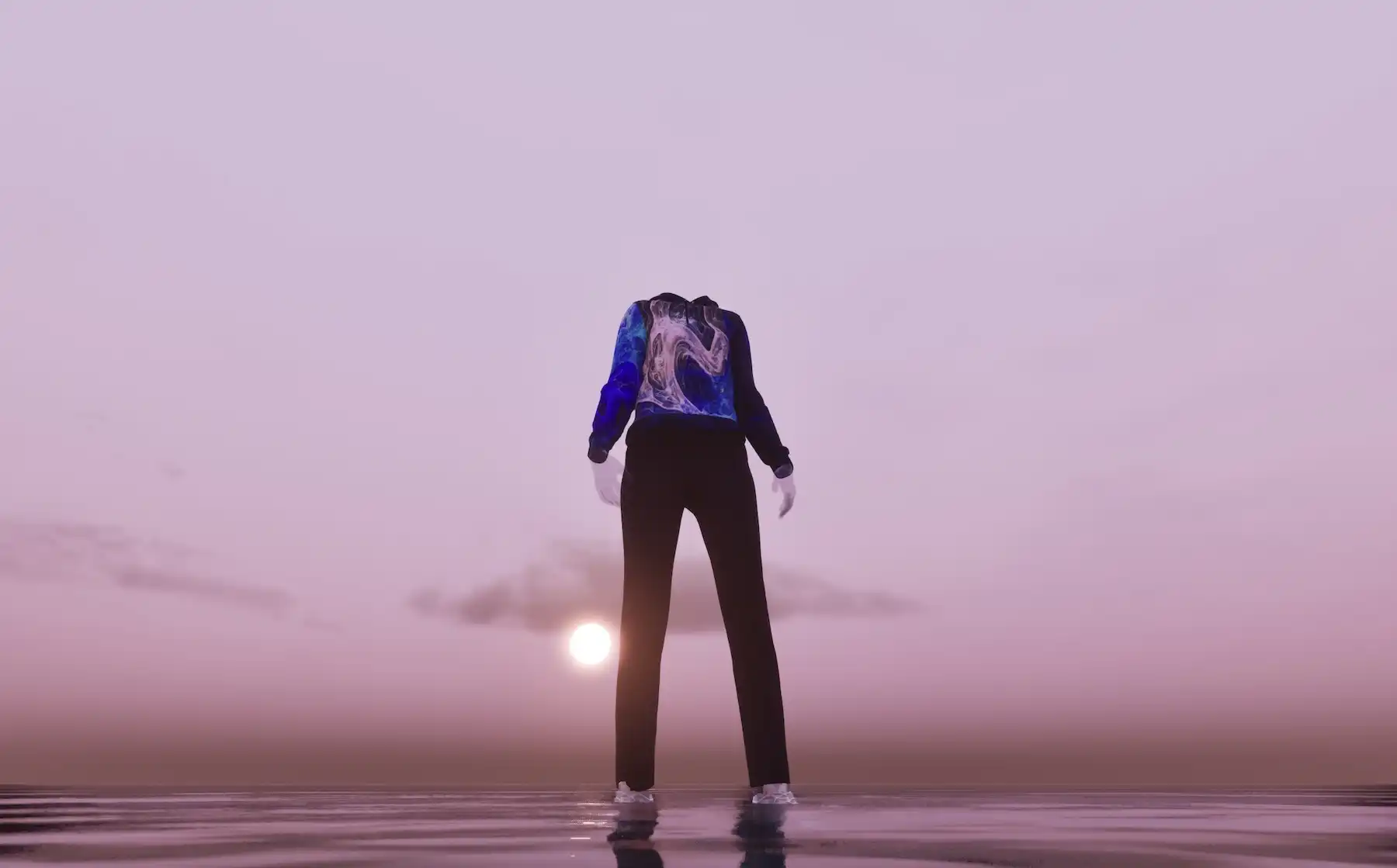
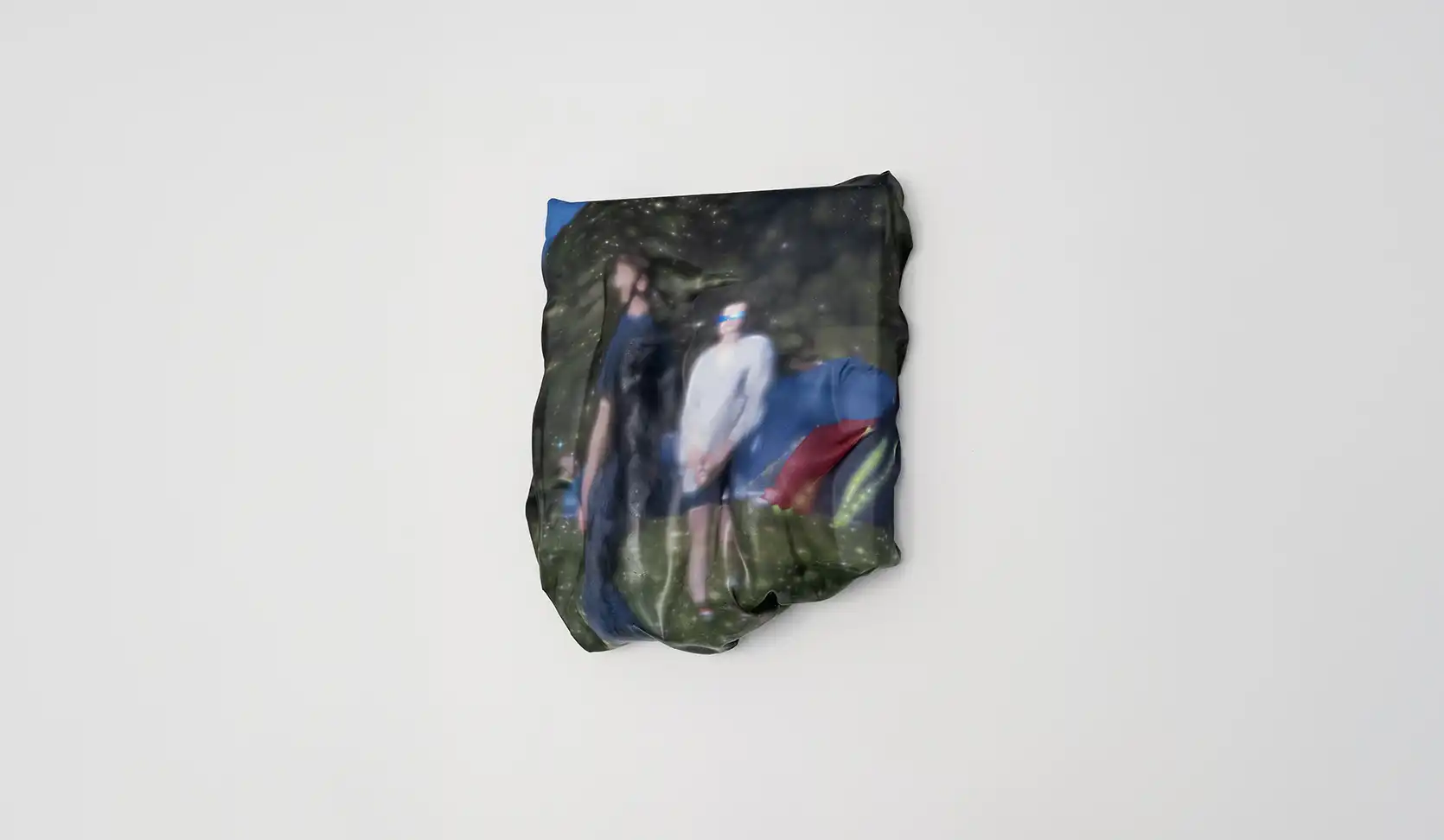
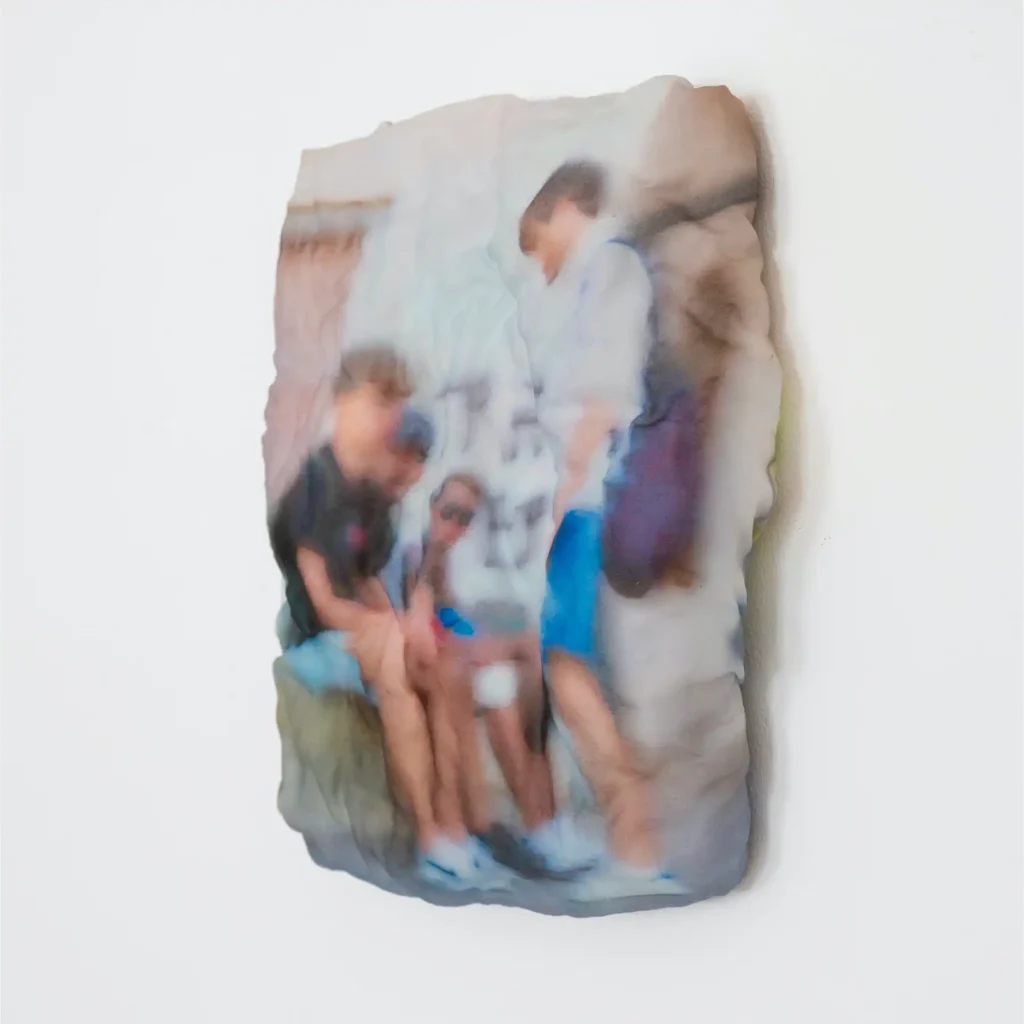
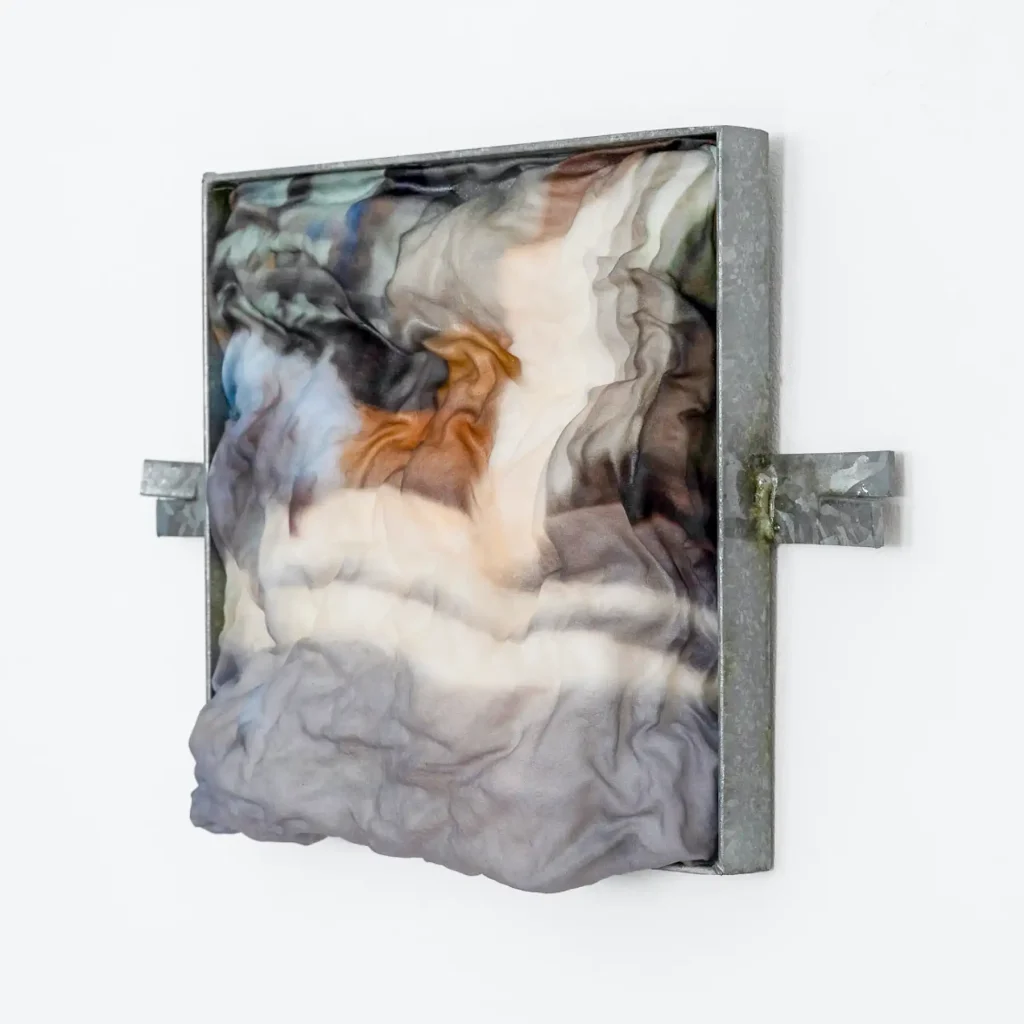
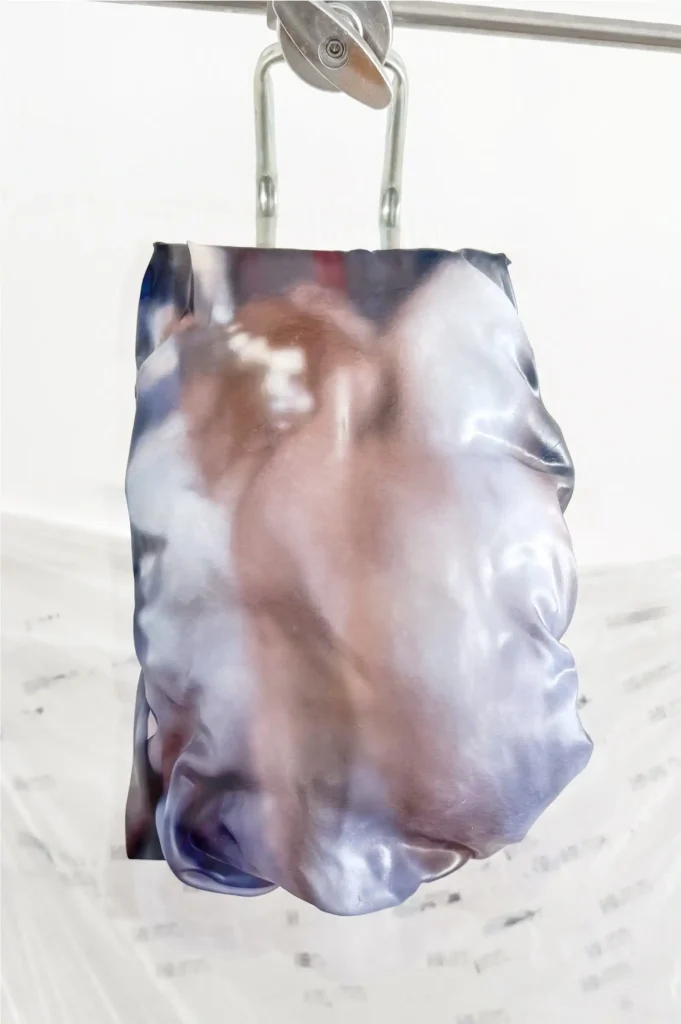
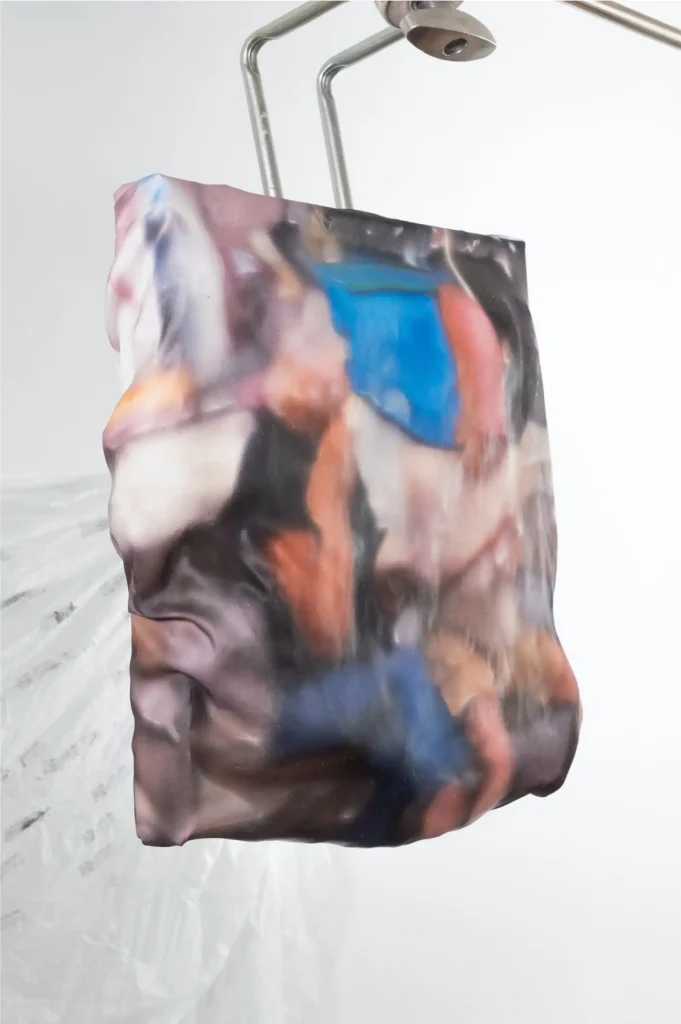
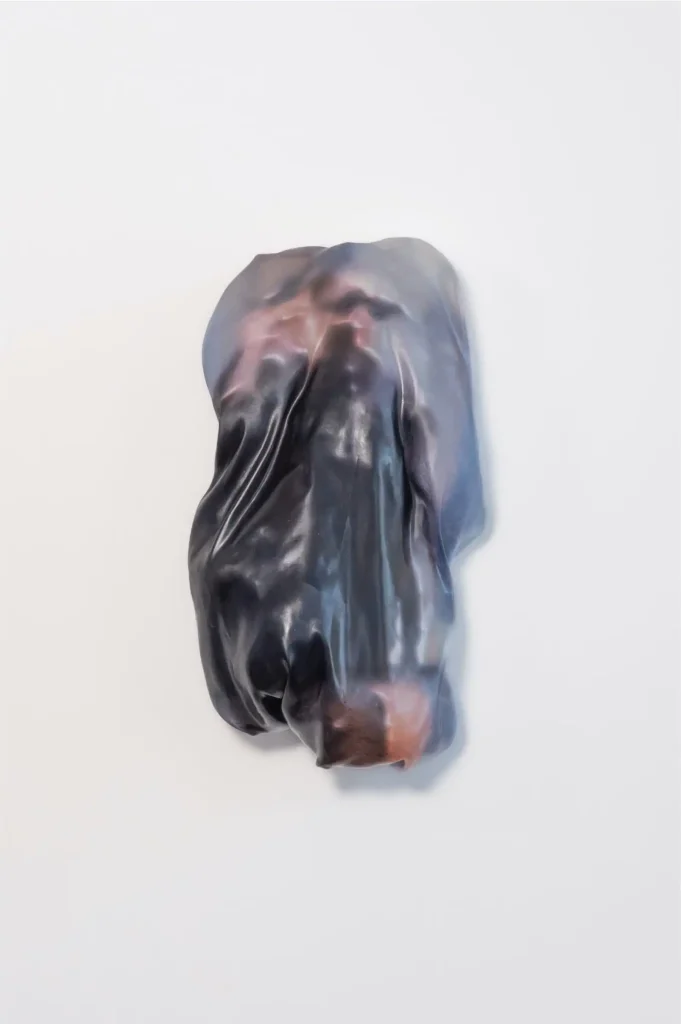
    In Alex See’s practice, he addresses questions about the nature of the image in post-digital reality. Recently, he begins with photography or found imagery, digitally manipulating it before materialising it using fabric, resin, and cotton. Rooted in post-human condition and shaped by a world of AI, hyperconnectivity, and perceptual overload, his work explores what it means to exist in the present – between mediums, crises, and shifting states of being.


    Meet the Artist

    Statement

    In his practice, Alex See addresses questions about the nature of the image in post-digital reality. In recent projects, he begins with photography or found imagery, digitally manipulating it before materialising it using fabric, resin, and cotton – creating multi-layered hybrid objects that move through cycles of material and immaterial transformation. Rooted in the post- human condition and shaped by a world of AI, hyperconnectivity, and perceptual overload, his work explores what it means to exist in the present – between mediums, crises, and shifting states of being.

    GlogauAIR Project

    During the residency, Alex works with alleged UFO (UAP) footage to explore political narratives and media manipulation. UFO sightings have long mirrored societal anxieties, especially in times of geopolitical tension. Today, they re-emerge as cultural myths and political images. His deals with digital image ecologies, non-human perspectives, and speculative realities shaped by fear, control, and belief.

    CV Summary

    Education

    • 2020–2022 Institute of Contemporary Art of Joseph Backstein, Moscow
    • 2011–2014 University of Hertfordshire, UK

    Exhibitions

    • 2025 Holographic Dream — Feelium Gallery (London)
    • 2025 Open studio (Berlin)
    • 2024 Samstag Rendezvous — Kule (Berlin)
    • 2024 Design Shanghai — Xintiandi Design Festival (Shanghai)
    • 2024 Between Hercules and a Butterfly — Off-site (Berlin)
    • 2023 Cloud Comission — V-A-C Foundation (Moscow)
    • 2022 Fog Of Time — AS-AP Metaverse Gallery
    • 2021 Time of Things — Winzavod Center for Contemporary Art (Moscow)
    • 2021 Space within us? — Peresvetov Lane Gallery (Moscow)
    • 2020 Drifting Closeness — Strelka Institute of Art & Design (Moscow)
    • 2014 D&AD Art and Design Festival (London)

    Residencies

    • 2025 GlogauAIR Online Program

    Gallery

  • Kathleen Thum

    Kathleen Thum

    Kathleen Thum is GlogauAIR resident
    from April, 2025 to June, 2025

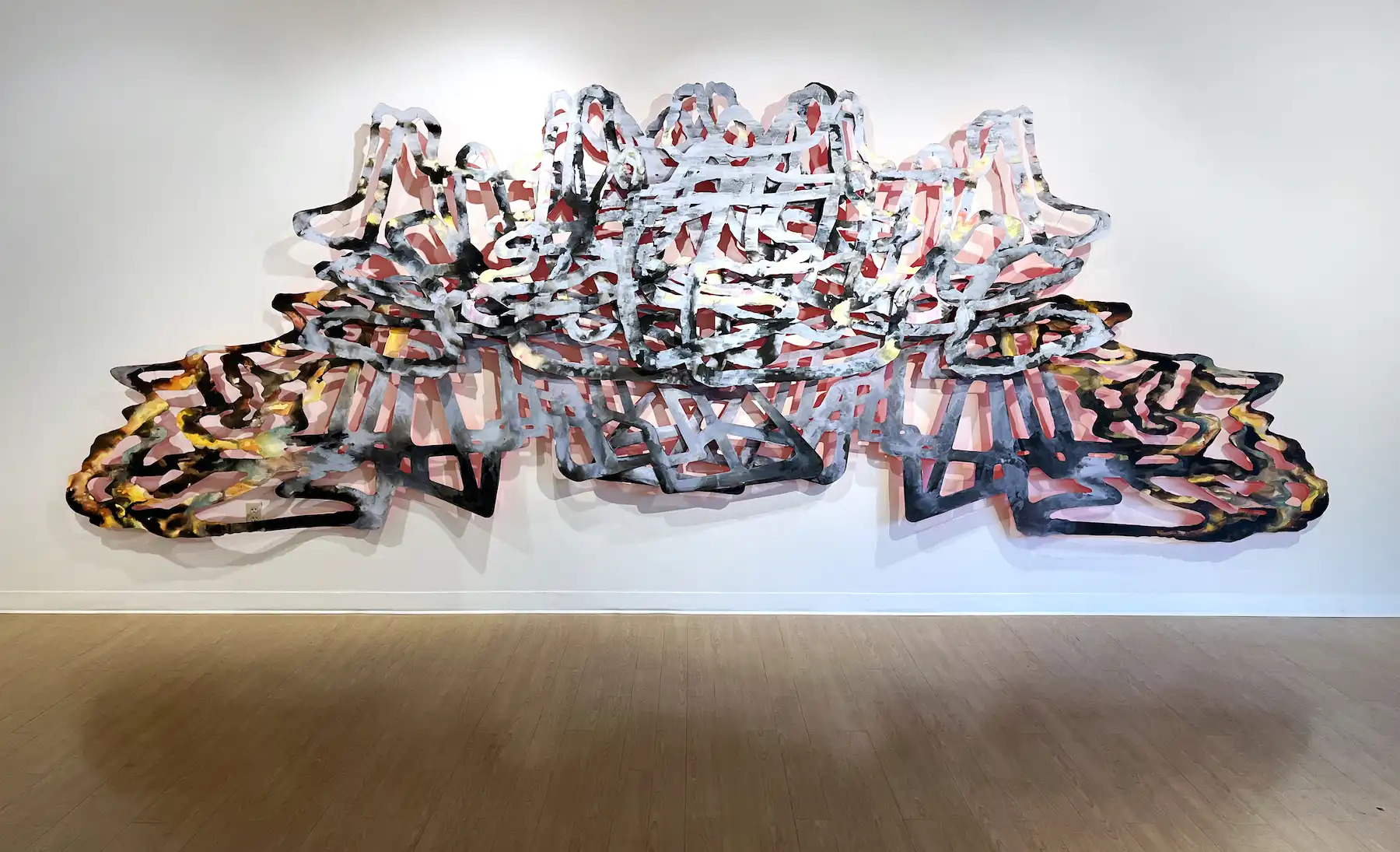
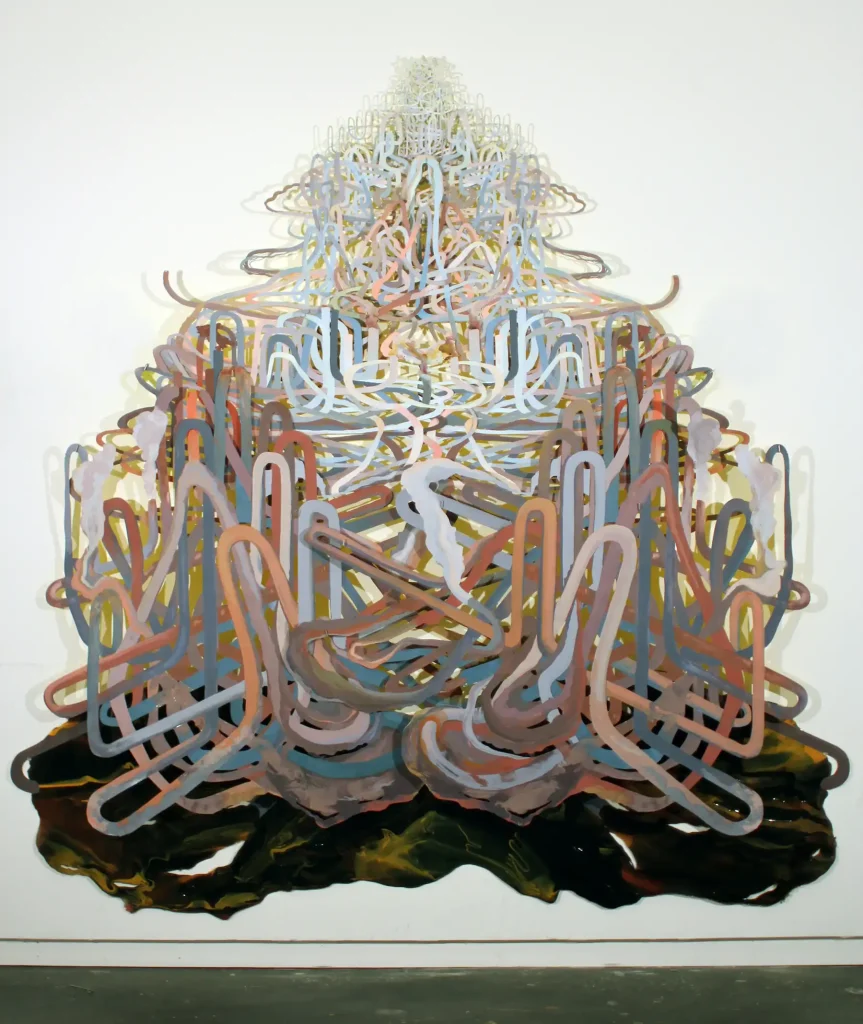
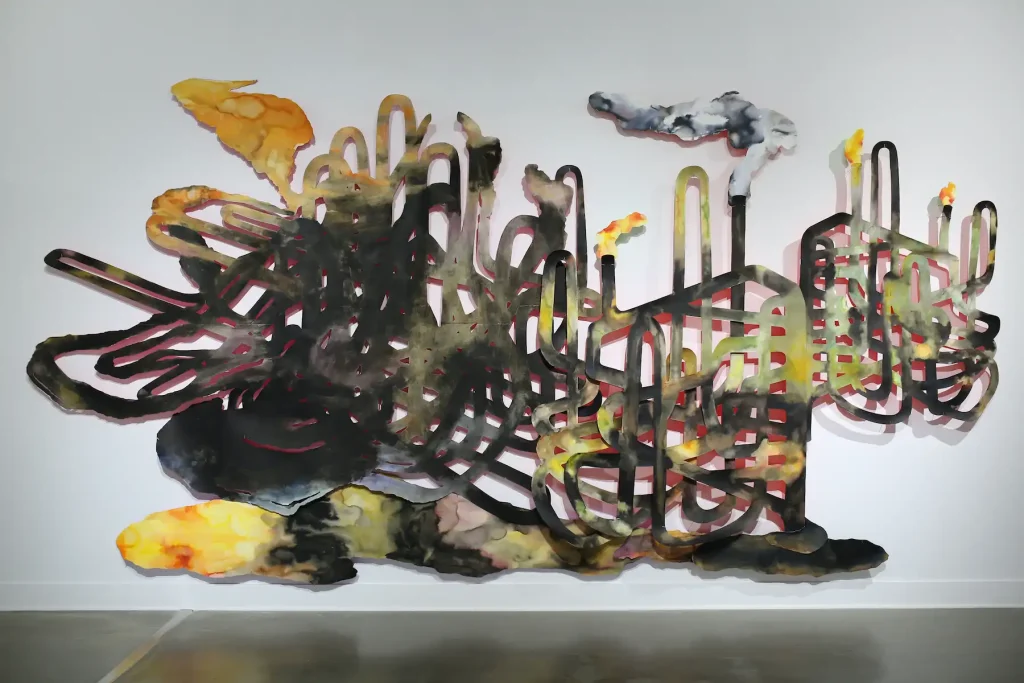
    Kathleen Thum’s work revolves around the subject of fossil fuels. Her large-scale cut-paper artworks explore the vastness of the petroleum infrastructure, evoking the physical and emotional experience of the petroleum landscape. Thum’s goal is to invite viewers to think more deeply about our connection to fossil fuels, and the ways in which we can use art to inspire change and addresses the challenges of the current climate crisis.


    Meet the Artist

    Statement

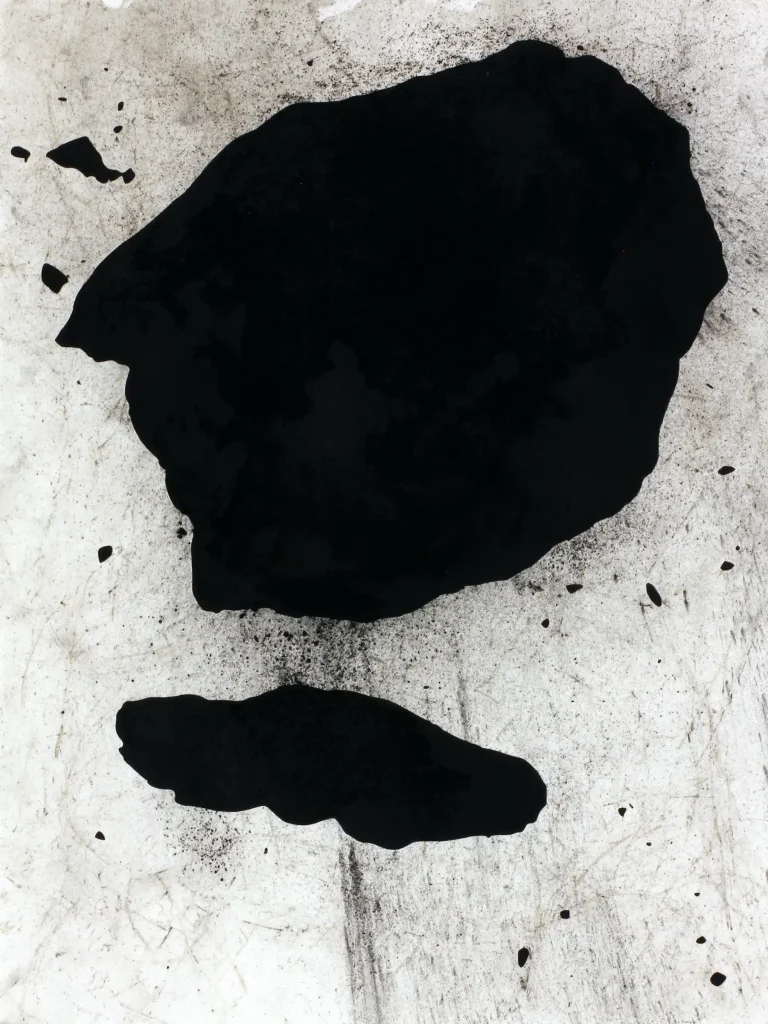
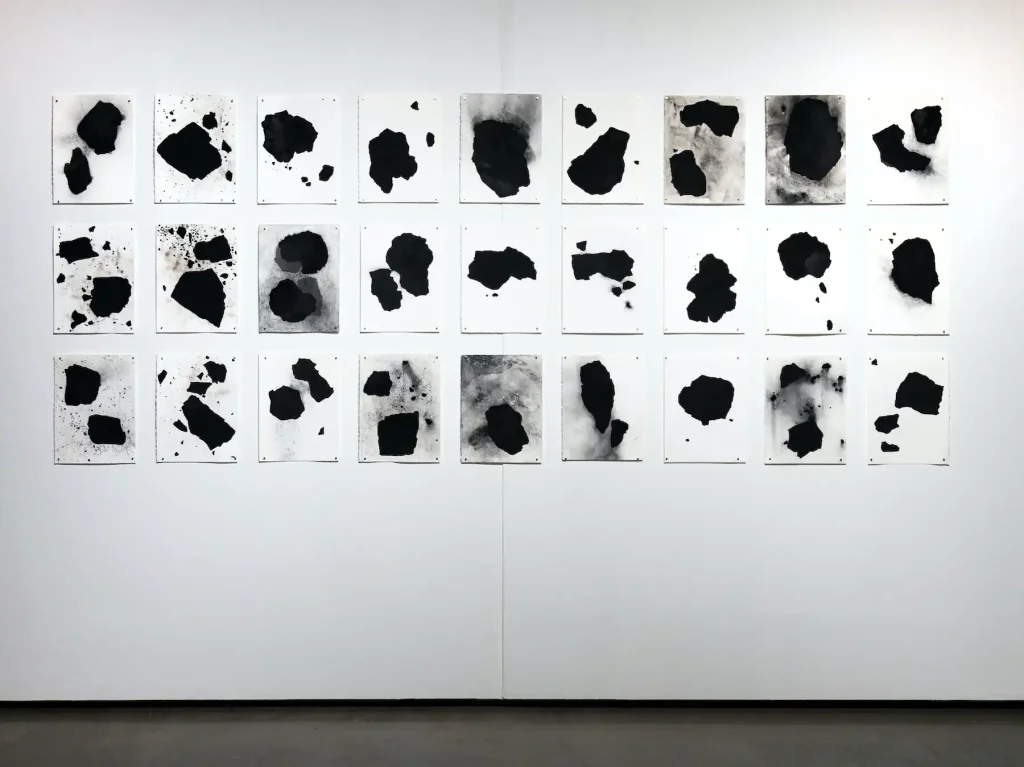
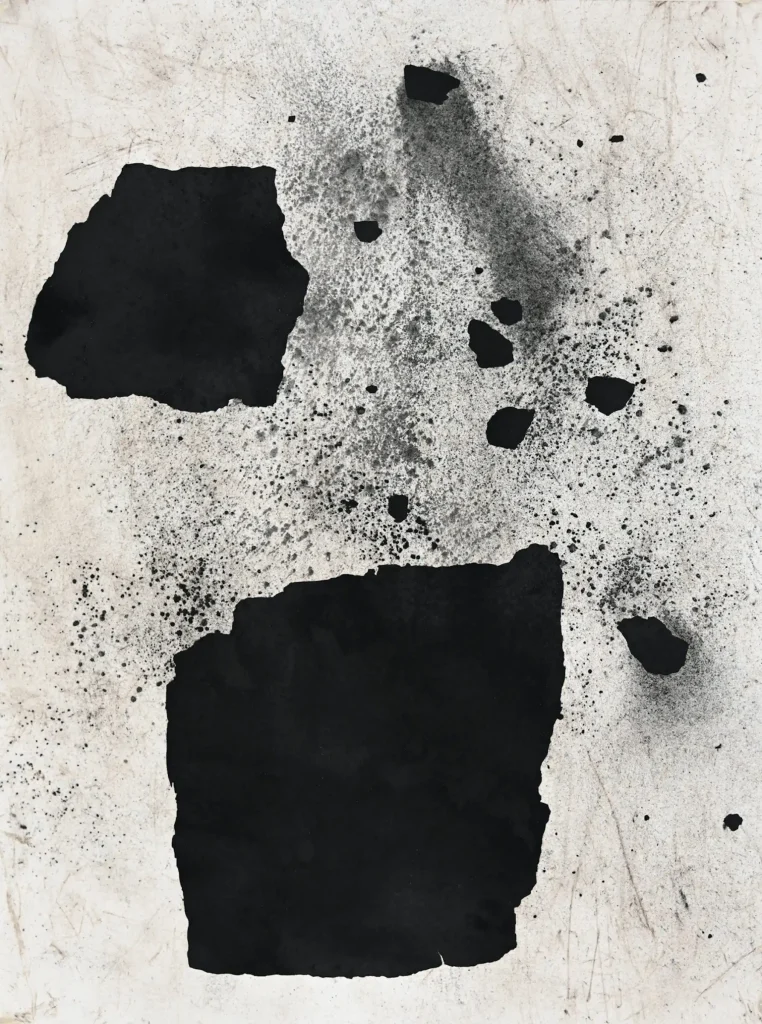
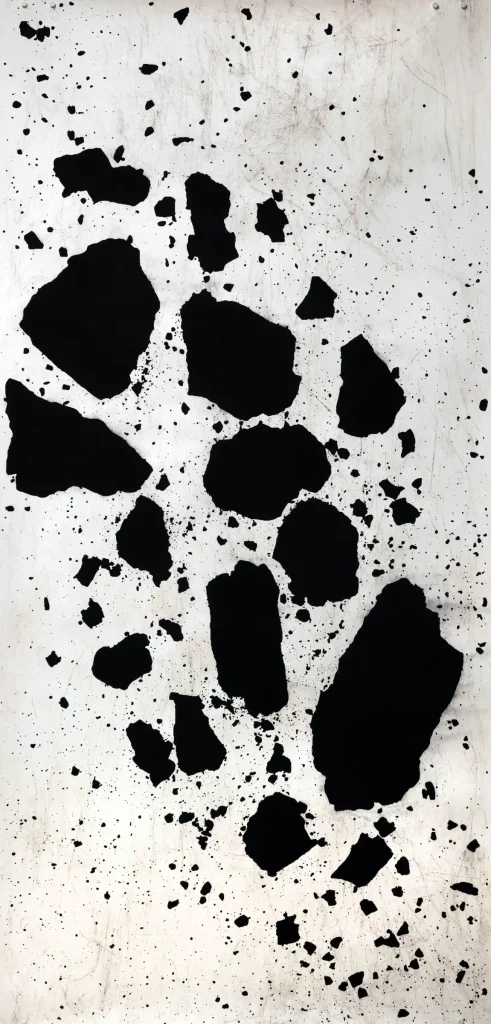
    My artwork revolves around the subject of fossil fuels. The large-scale cut-paper artworks explore the vastness of the petroleum infrastructure, evoking the physical and emotional experience of the petroleum landscape. The charcoal drawings capture the darkness of coal’s impact on our environment, urging us to confront the environmental cost of our dependence on this carbon emitting resource. My goal is to invite viewers to think more deeply about our connection to fossil fuels, and the ways in which we can use art to inspire change and address the challenges of the current climate crisis.

    GlogauAIR Project

    My project is to further explore the materiality of coal and oil by using them as art mediums in the work to embed additional context in my drawings and cut-paper artworks. Through research, trial and error, creative problem solving and adapting to the limits and natural tendencies of these medium, I plan to create new artworks that will continue to bring awareness of our disconnection from and dependence on fossil fuels.

    CV Summary

    Education

    • 1998-2000 Bowling Green State University, Bowling Green, Ohio, United States, Master of Fine Arts
    • 1989-1992 Maryland Institute, College of Art, Baltimore, Maryland, United States, Bachelor of Fine Arts

    Solo Exhibitions

    • 2025 The Shapes of Extraction, Greenly Gallery, Commonwealth University of Pennsylvania, Bloomsburg, Pennsylvania, United States
    • 2024 Covering Carbon, Biggin Gallery, Auburn University, Auburn, Alabama, United States
    • 2023 Considering Carbon, Turchin Center for the Visual Arts, Appalachian State University, Boone, North Carolina, United States
    • 2023 Covering Carbon, UCF Art Gallery, University of Central Florida, Orlando, Florida, United States

    Group Exhibitions

    • 2025 Earth Fire, Illges Gallery, Columbus State University, Columbus, Georgia, United States
    • 2025 Drawing Discourse, 16thAnnual Exhibition of Contemporary Drawing, S. Tucker Cooke Gallery, University of North Carolina, Asheville, United States
    • 2024 Matter, Marshall T. Steel Center, Ellis Hall at Hendrix College, Conway, Arkansas, United States
    • 2024 MARK: Current Approaches to Drawing, Artlink, Fort Wayne, Indiana, United States
    • 2024 Inside Out, Collection of Ray Griffin and Thom Robinson, Florence County Museum, South Carolina, United States
    • 2024 PAPERWORKS, Manifest Gallery, Cincinnati, Ohio, United States
    • 2023 In the Time of Climate Change, Wailoa Center, University of Hawaii at Hilo, Hilo, Hawaii, United States
    • 2023 SCRIBBLES, Carter Burden Gallery, Manhattan, New York, United States
    • 2023 Conditional Surroundings, Tipton Gallery, East Tennessee State University, Johnson City, Tennessee, United States
    • 2022 Drawn, Manifest Gallery, Cincinnati, Ohio, United States
    • 2022 The Nature of the Future: Artists Confront the Anthropocene, Leu Art Gallery, Belmont University, Nashville, Tennessee, United States
    • 2021 Shifting Sediments, Three-Person Exhibition, Birke Art Gallery, Marshall University, School of Art and Design, Huntington, West Virginia, United States
    • 2020 Transforming Politics: Art Made by Women, William King Museum of Art, Abingdon, Virginia, United States
    • 2019 Adaptations to Extremes, An Art-Science Collaboration, Courthouse Gallery, Lake George Arts Project, Lake George, New York, United States
    • 2018 southXeast: Contemporary Southeastern Art, Schmidt Center Gallery, Florida Atlantic University, Boca Raton, Florida, United States
    • 2017 Unnatural History, Spartanburg Art Museum, Spartanburg, South Carolina, United States

    Residencies

    • 2025 GlogauAIR On-line Residency Program, Berlin, Germany (April-June)
    • 2022 Artist Residency, Creative Process Residency, Greywood Arts, Killeagh, Cork, Ireland (June)
    • 2018 Artist Residency, Millay Artist Colony, Austerlitz, New York, United States (November)
    • 2018 Artist Residency, Hambidge Creative Residency Program, Rabun Gap, Georgia, United States (September)
    • 2016 Artist Residency, Jentel Artist Residency, Banner, Wyoming, United States (May – June)

    Gallery