Archives: Artists

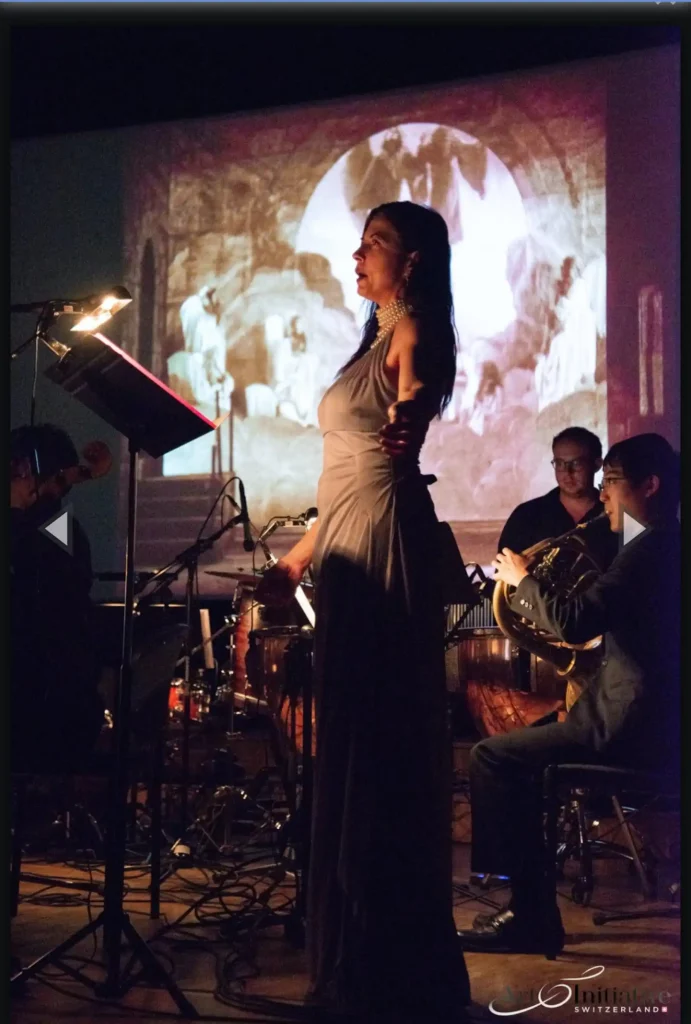
  • Laura Ansaldi

    Laura Ansaldi

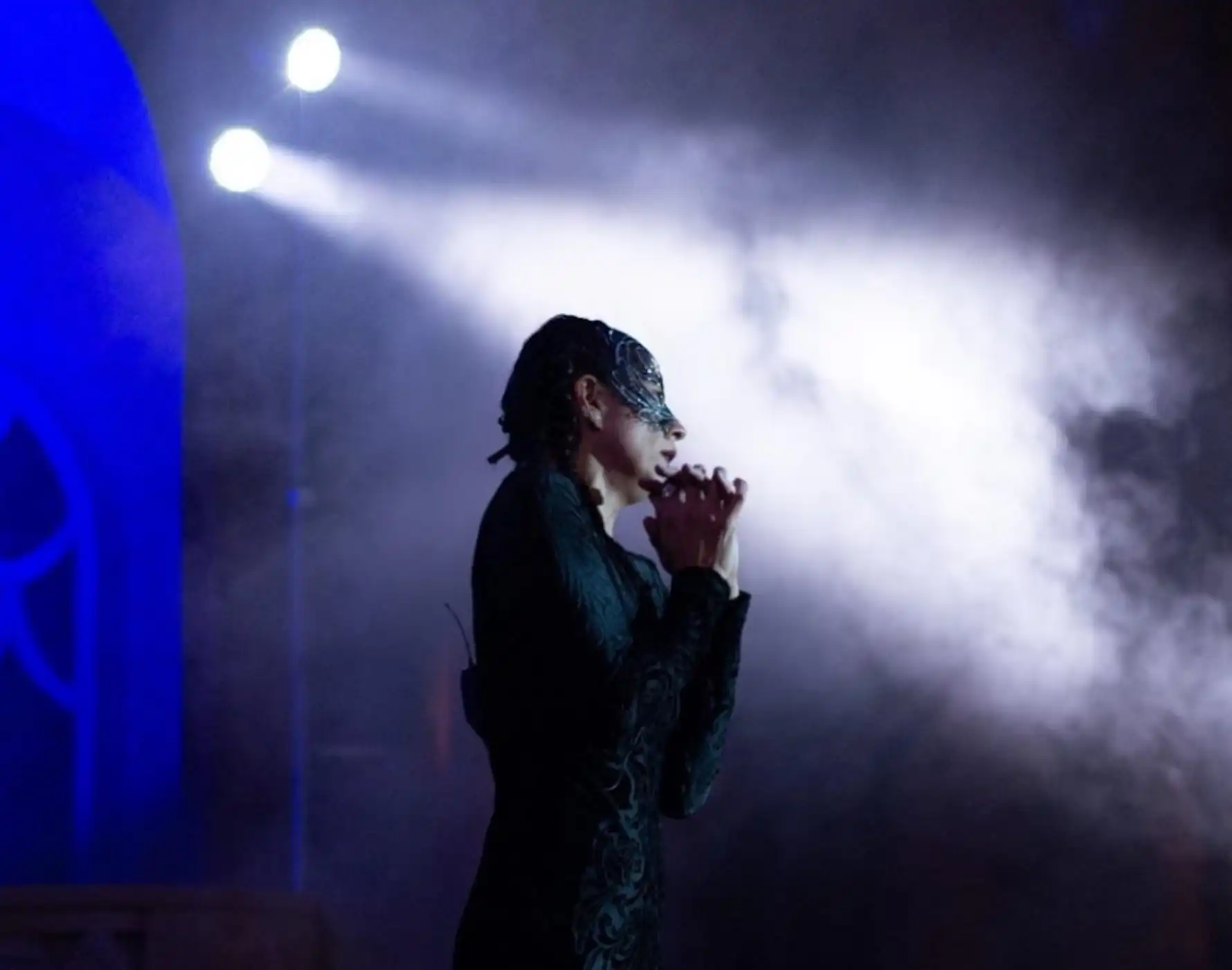
    Laura Ansaldi is GlogauAIR resident
    from January, 2025 to March, 2025

    Laura Ansaldi is an acclaimed Italian soprano, known for her powerful voice and innovative performances. She is recognized for her work in opera, musical theater, and experimental music projects. She has performed with major orchestras and conductors, bringing a fresh perspective to classical and contemporary music. Based in Switzerland, she continues to explore new artistic frontiers while mentoring the next generation of singers.

    Meet the Artist

    Can you tell us a bit about yourself? Specifically, we’d love to know about your background.

    I am Laura Ansaldi, an Italian soprano and actress with an international career. My musical journey began with rigorous training at esteemed institutions, including the Conservatories of Genoa and Milan, the Accademia Chigiana in Siena, the Scuola di Musica di Fiesole, and the TEMA Higher Education Academy in Milan. In addition to opera singing, I hold degrees in piano and performing arts.

    Since my debut in 2001 as Tosca, I have had the privilege of performing leading roles in prestigious opera houses across Europe, the United States, and the Middle East. My signature roles include Tosca, Madama Butterfly, Abigaille in Nabucco, Leonora in La Forza del Destino, Norma, and Adriana Lecouvreur. Collaborations with renowned orchestras and conductors, such as Claudio Abbado, Gianandrea Gavazzeni, Carlo Maria Giulini, and the Boston Philharmonic, have been instrumental in shaping my artistic path. ​

    Beyond the stage, I am deeply committed to social responsibility. Serving as the official patron of the Enrico Charles Foundation, a UK-based organization supporting children with disabilities and their families, allows me to contribute to meaningful causes. Additionally, I support the Stiftung Pro UKBB and other Swiss charitable initiatives through my performances.

    As an educator, I have taught young singers in Zurich and served as a theater and singing teacher at the 14youstudio Academy of Arts in Lugano. Currently, I am a professor of vocal technique and acting at the Close Encounters Theatre in Zurich. My goal is to inspire and support the next generation of artists through both teaching and mentorship.​

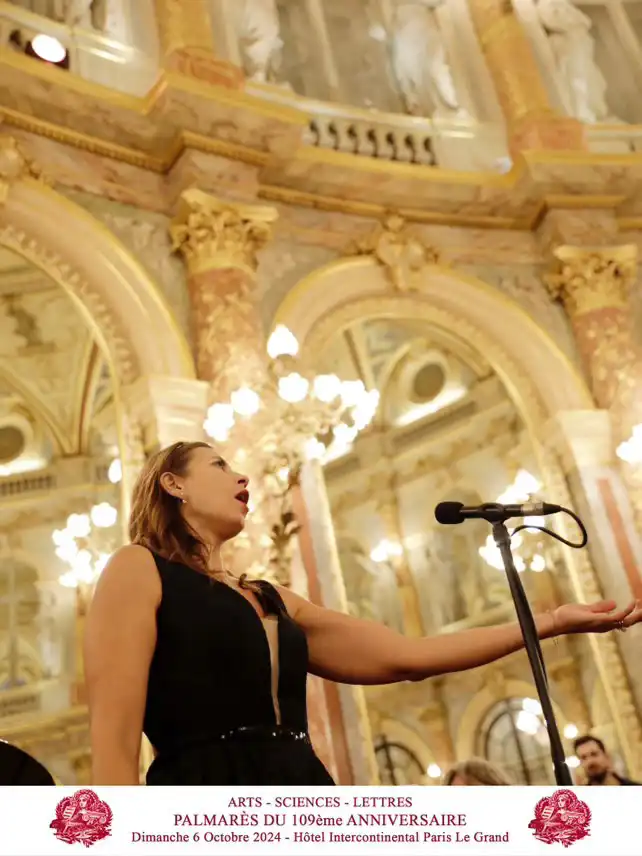
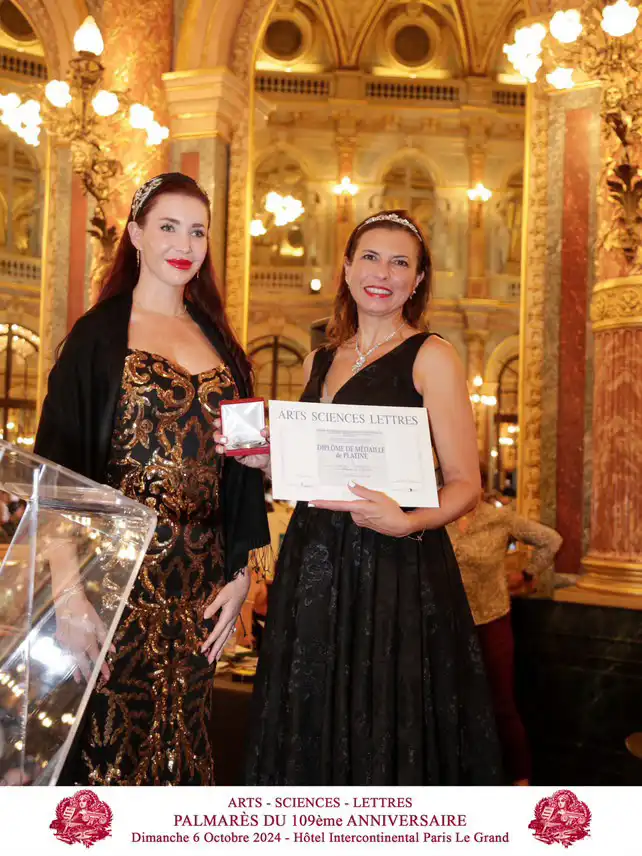
    In 2024, I was honored with the Platinum Medal from the 110 year old French Academy of Arts-Sciences-Letters in Paris, a recognition that celebrates my dedication to opera and the arts. This month, I am set to receive a new honor at Carnegie Hall, another milestone in my ever-evolving artistic journey.

    How would you describe your artistic practice?

    I work across opera, theater, and multimedia, creating interdisciplinary pieces that explore vulnerability, truth, and artistic purity. My practice often reimagines classical music in contemporary formats, whether through video, performance installations, or live events, emphasizing emotional connection over spectacle.

    What’s the project you’re working on during GlogauAIR’s residency?

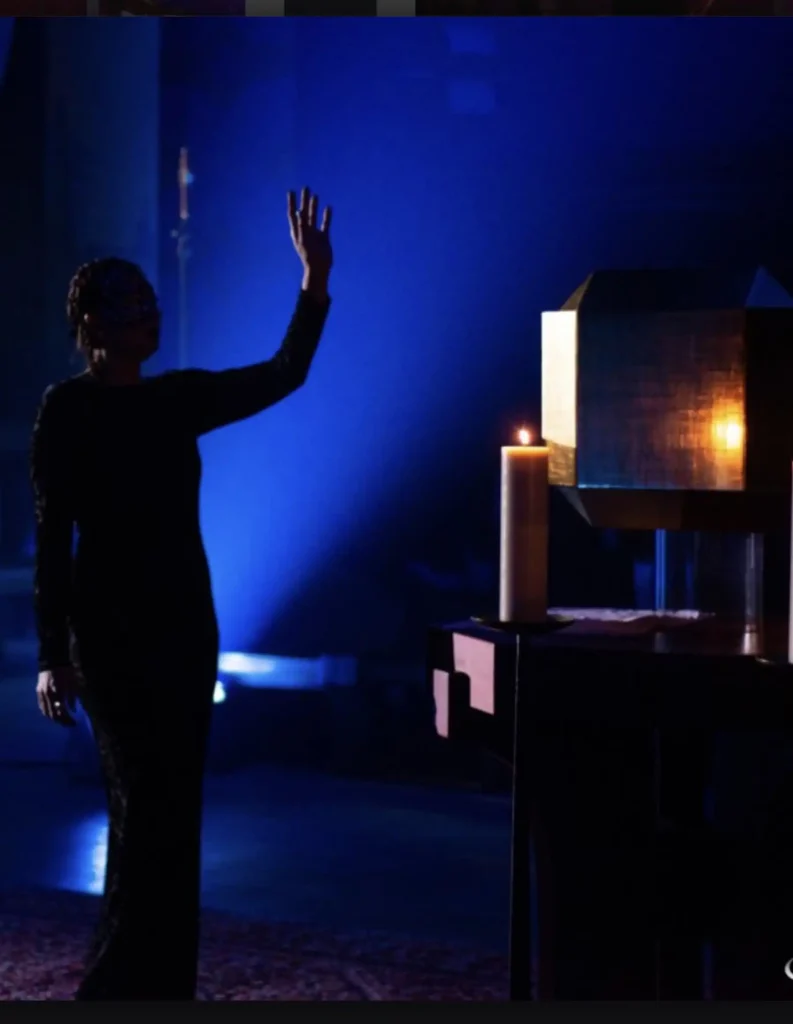
    During my residency at GlogauAIR, I created “What If It Would Be Enough,” a video installation that challenges the need for extravagant productions in classical music. The project features raw, intimate performances by 12 talented musicians: Luis, Stéphane Decor, Carlo Donadio, Alessandro Fantoni, Aksinja Gioia, Madeleine ImKey, Nawsad Joomratty, Constantin Macherel, Anna Orlik, Romano Pucci, Doryan-Emmanuel Rappaz, and Nicolò Giuliano Tuccia. By stripping away elaborate settings and focusing solely on the music, the project emphasizes that art, in its simplest form, is enough. ​

    What is your methodology or process for creating a new project?

    This project was a new venture for me, blending my background in performing arts with visual arts. I decided to create a video installation because it was the most straightforward way to convey my message. The purpose was to bring music back to its roots, to its real meaning, to enlighten and move people without any unnecessary additions or sophistication. I wanted the video to be as simple and “handcrafted” as possible. I asked all the contributors to record very simple videos with their phones, which I then assembled using iMovie, adding titles and captions with basic iPhone apps. The goal was to produce an impactful yet homemade piece, emphasizing that “music is enough.”​

    This collaborative effort wouldn’t have been possible without the talented artists who joined me, and I am deeply grateful for their contributions. My methodology also involved opening up to other people and transforming what was supposed to be a single-artist artwork into a co-creation, a call for action. To all the colleagues who took part, I extend my highest gratitude.
    Please tell us a bit more about all the friends who collaborated with you on this project.

    As already said, this project is not mine, it belongs to all the amazing artists who decided to believe in it and to contribute to the creation. You can find all of them in the website whatifproject.info

    I would like in this interview to give voice to some of them, who have a special message.

    I want to start from Carlo Donadio from the Rome opera house, who not only contributed with exclusive insights recorded from the opera house, but also composed a piece of music, exclusively for this project. Carlo is a conductor and an artistic director, but also a composer, and his purpose now is to bring contemporary music closer to the interpreters and to the audience: “”What if” is a quest aiming at giving art a direction. How such quest is created, performed, and received, are the three ways to bring closer all the components of artistic communication. Obviously this work ultimately serves to create an expectation around the future piece to be written, which will be born as a consequence of this experience. So much so that it is entitled “What if”.

    Constantin Macherel and Anna Orlik, amazing soloists and members of the ensemble “Leman Virtuosi”, liked a lot the message of what if because it mirrors their purpose in this moment: “Unlike most of the chamber ensemble that exists in Europe right now, that survive thanks to the sponsorships and sometimes compromise on their values, we try to go on without any kind of financial aid. We are independent and we make music our way, that is based on the most excellent quality without any compromise.”

    Niccolò Giuliano Tuccia, pianist, loved to be part our our project and send us his greetings while preparing his upcoming tournée that starts in New York (Klavierhaus) and while recording his new CD.

    Madeleine Imkey, painter, gifted me producing a beautiful painting, exclusively for this project, inspired to her by my interpretation of Cleopatra in the opera “Julius Caesar” of Handel.

    Last but definitively not least, a special thank you to Nawsad Joomratty, who is putting his technology expertise to the service of the realisation of the what if video, especially for the future broadcasting live in real spaces. Nawsad is not just an artist — he’s a visionary entrepreneur. He creates at the intersection of art, technology, and humanity.
    The Visionary Global League founded by him reflects that same spirit: a bold alliance of creators who believe in meaningful innovation, not trends.

    Statement

    Laura Ansaldi is a professional opera singer (soprano) with an international career. Born in Italy, she has been performed worldwide in the most important venues and with renewed orchestras and conductors.

    Since the beginning of her career, she has felt the need to go beyond the borders of opera; so she studied acting and performing arts; she opened to symphonic rock, Broadway musical and jazz, and she started collaborating with ballet dancers.

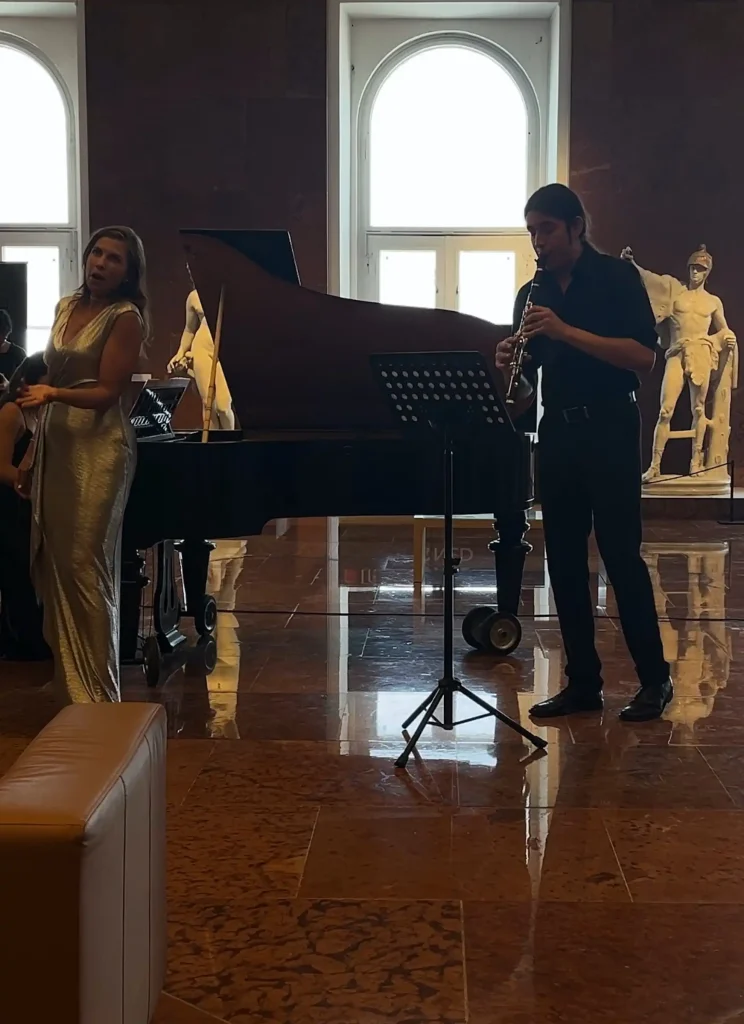
    Over the past years, Laura started exploring the universe of visual arts and researching a way to bring together music and visual, for a holistic performance. The idea being to go over the concept of single forms of art, to investigate new paradigms and develop new ideas. She now collaborates with several painters in different projects, like “Verdi Rachmaninoff 2023”, where the artist Ekaterina Kern created a series of painting under the inspiration of Laura’s performance of Verdi and Rachmaninoff’s music; and Laura performed subsequently with the projections of Ekaterina’s works. For the project “Akhmatova songs”, Laura performed with a scenography made of paintings by the artist Arianna De Filippi. And last August 2024, she performed in Budapest at the National Gallery, allowing the audience to listen to the music while admiring the masterpieces exhibited.

    Last October 2024, Laura has been awarded of the platinum medal for her career by the French Academy of Arts in Paris.

    GlogauAIR Project

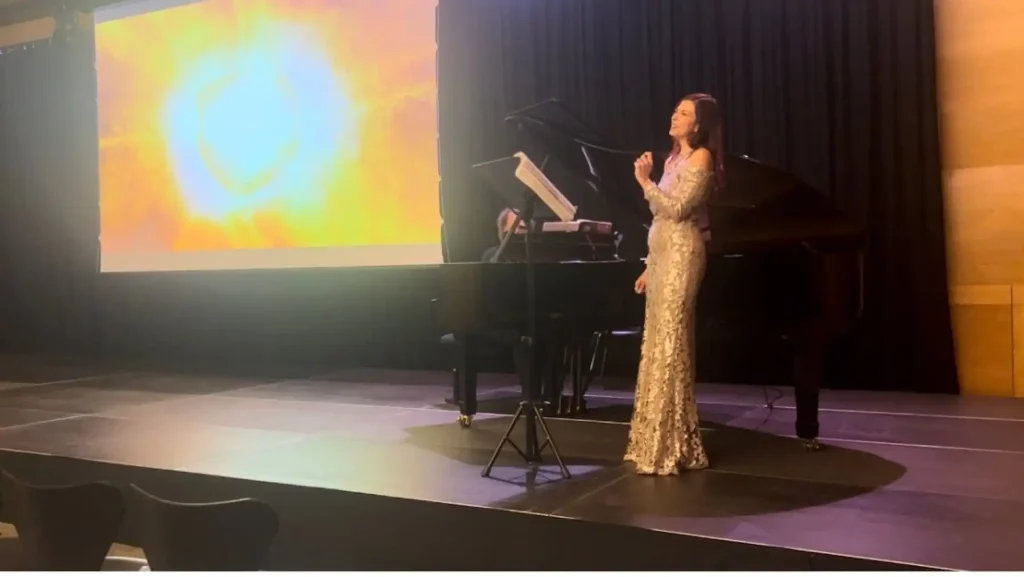
    I had the chance to explore, over those last years, several ways to match opera singing with other forms of arts: performing in museums and art centers; singing with the projection of digital art, movies, or with a natural scenography of paintings and sculptures; contributing to the creation of a new work of art giving an inspiration through music.

    With GlogauAIR, now, I’de like to take the nest step: with the help of my colleagues I’d like to create a new work of art, where human voice goes beyond opera, beyond the concept of “performance”, and melts together with other forms of art, new materials, new ideas. The core is that the voice is not anymore an instrument of communication, but rather a material, a tool, that combined with other elements can create something impactful, something that can also interact with the observer.

    I want to create something that changes the perspective, something disruptive and harmonic at the same time, using the possibilities of human voice at its edge.

    CV Summary

    EDUCATION

    • CONSERVATORY OF MUSIC “PAGANINI” – GENOVA – ITALY (CHANT, PIANO)
    • UNIVERSITY BOCCONI – MILAN – ITALY (STATISIQUE, MATHEMATIQUE ET ECONOMETRIE)
    • ACTORS STUDIO – LONDON – UK
    • ACCADEMIA CHIGIANA – SIENA – ITALY (CHANT)
    • MUSIC ACADEMY – FIESOLE – ITALY
    • ZURICH ELITE BUSINESS SCHOOL – ZURICH – SWITZERLAND (MBA)

    AGENCIES

    • DIAMOND OPERA MANAGEMENT – BOSTON – USA (soprano soloist)
    • ARTINITIATIVE MANAGEMENT – BALE – SWITZERLAND (soprano soloist)
    • EVANGELISTA ARTISTS – MUNICH – GERMANY (soprano soloist)

    TEACHING POSTS

    • ACCADEMIA “ TERRE DEI FIESCHI”(Artistic director, head of commission for the opera singing competition)
    • SCHOOL OF ARTS “14YOU STUDIO” – LUGANO – SWITZERLAND (Singing and acting teacher)
    • SCHOOL OF ARTS “« CLOSE ENCOUNTERS THEATRE” – ZURICH – SWITZERLAND (Singing and acting teacher)
    • ZURICH INTERNATIONAL SCHOOL -ZURICH – SWITZERLAND (Singing teacher)
    • YABLOWSKI MUSIC INSTITUTE – FLORENCE – ITALY(Singing teacher)

    RECENT PROJECTS

    • VERDI RACHMANINOFF 2023 (Chamber music for voice and piano with digital art and creative painting)
    • EXCEPTION (Progressive Rock Symphony)
    • SUNDAY SOUNDS(Opera recital with dance performance)
    • AKHMATOVA SONGS(Contemporary music for voice and cello with art exhibit)
    • THE PHANTOM OF THE OPERA (Music performance over the projection of the silent movie)
    • BABEL (Rock opera)
    • VERDI BY VERDI (Performing Giuseppe Verdi’s operas with 432h frequency)
    • THE LAST MEDEA (Performing arts show about the life of Maria Callas)

    Gallery
  • Lauren Blankstein

    Lauren Blankstein

    Lauren Blankstein is GlogauAIR resident
    from January, 2025 to March, 2025

    Canada and United States


    Meet the Artist

    Statement

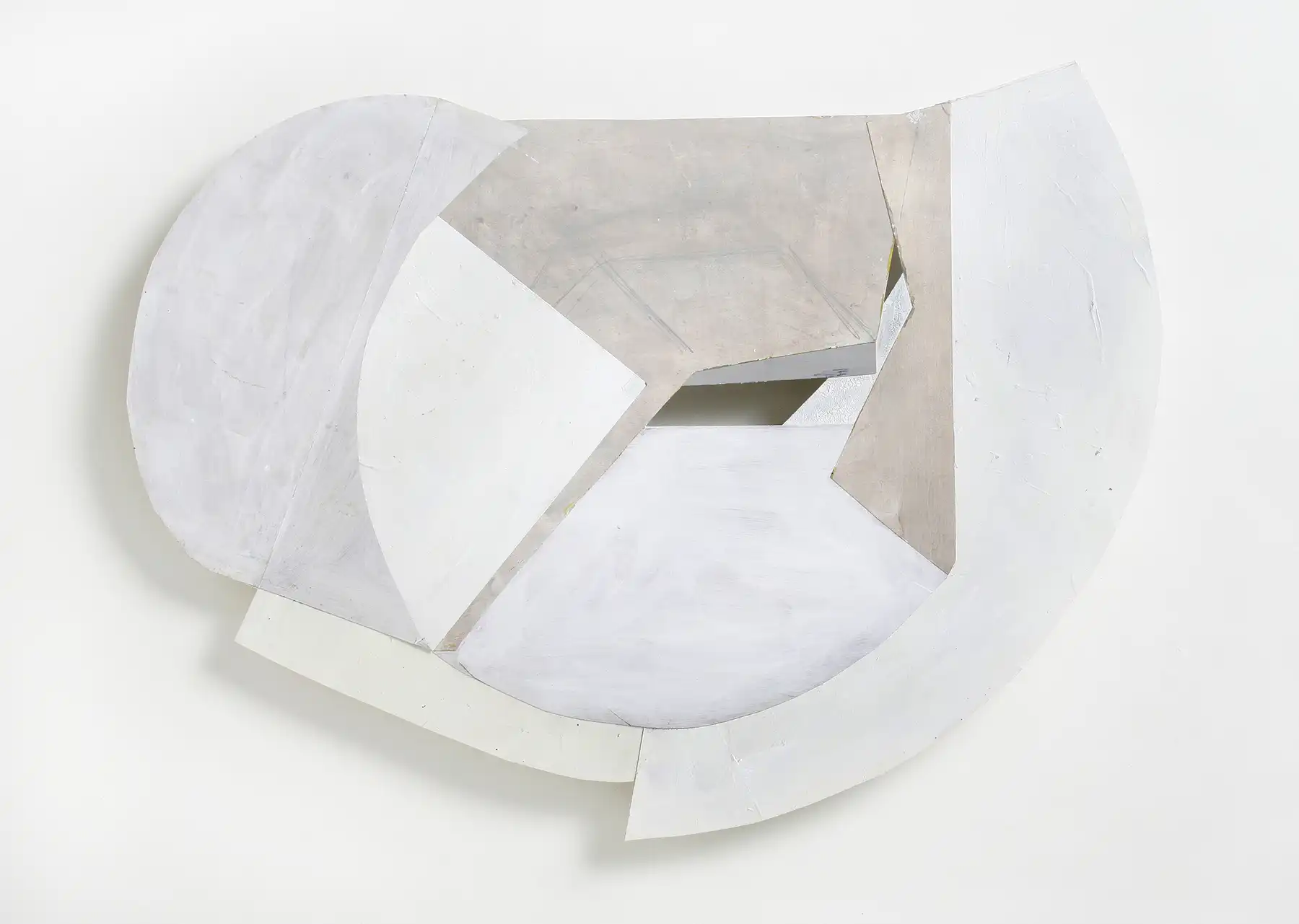
    I am an interdisciplinary artist inspired by dwellings, urban spaces and how they are inhabited. The objects I construct hint at what I might see, experience or imagine. I am interested in the relationship between humanity and the built environment and how each influences the other. The childhood home, hidden spaces, interior/exterior and the body in space are themes I investigate. I want the objects I make to be autonomous entities that play a part in their creation by way of chance. I choose materials and ways of working that force me to relinquish some control so I am not attached to an end result. The dialogue I construct with my materials attempts to make the point that poetic connections can be found everywhere.

    GlogauAIR Project

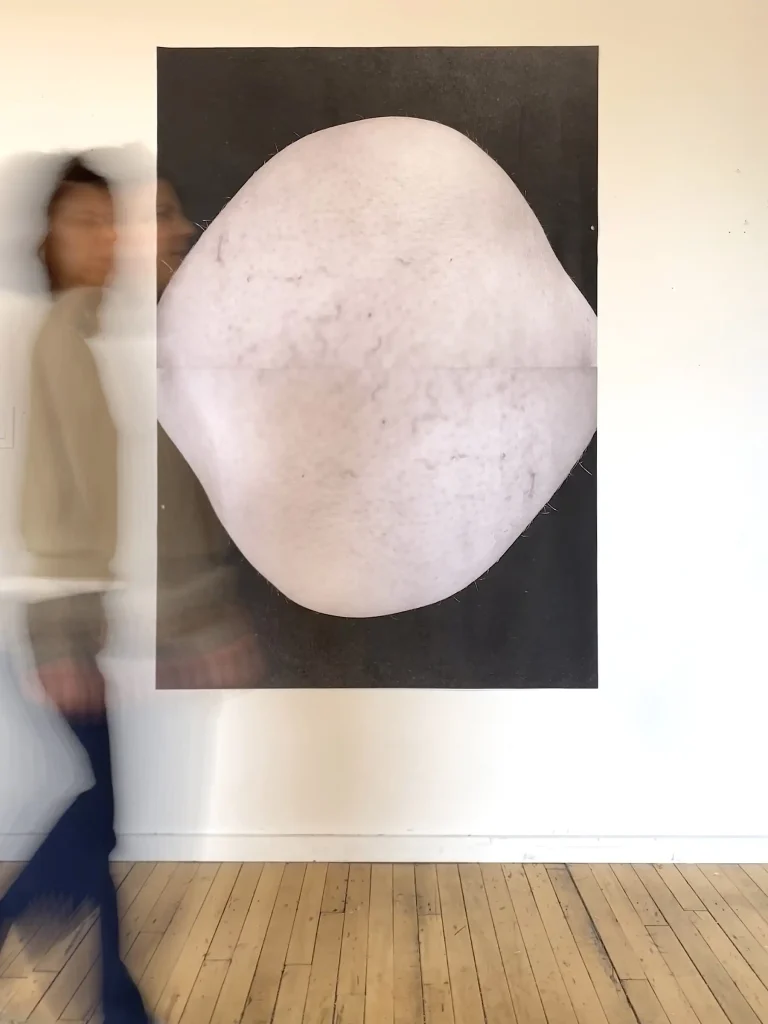
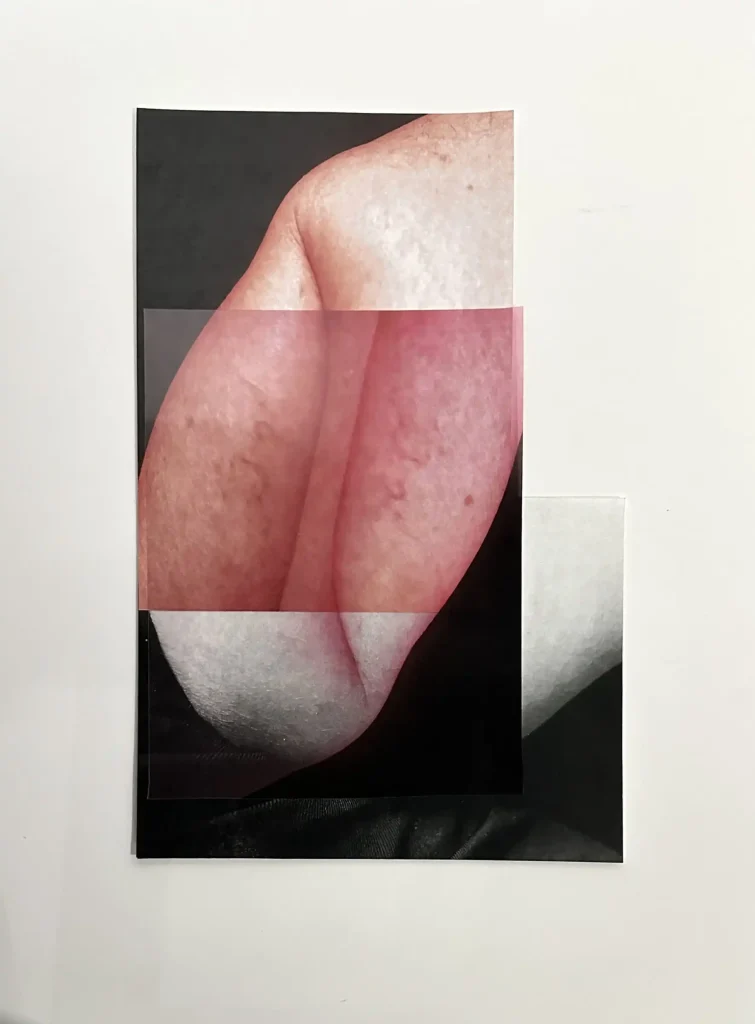
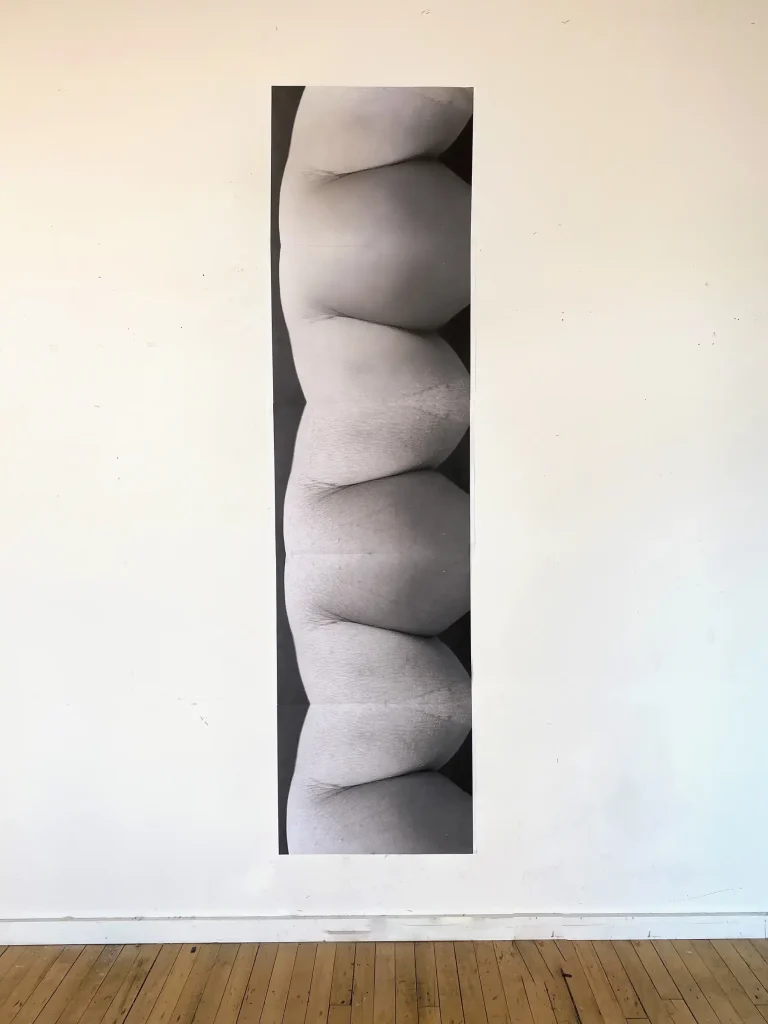
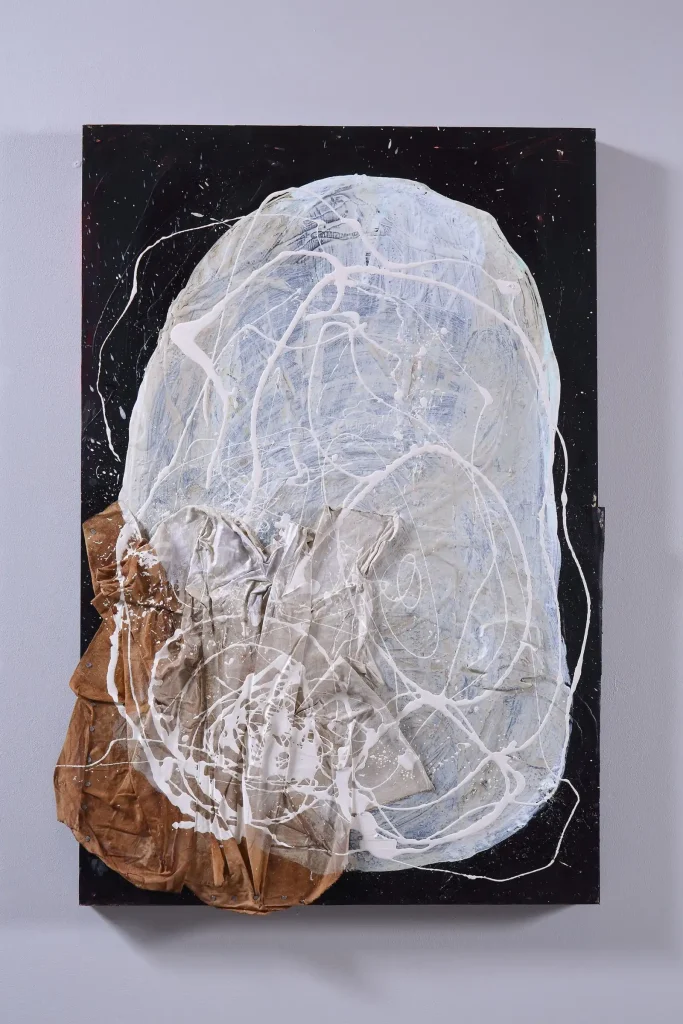
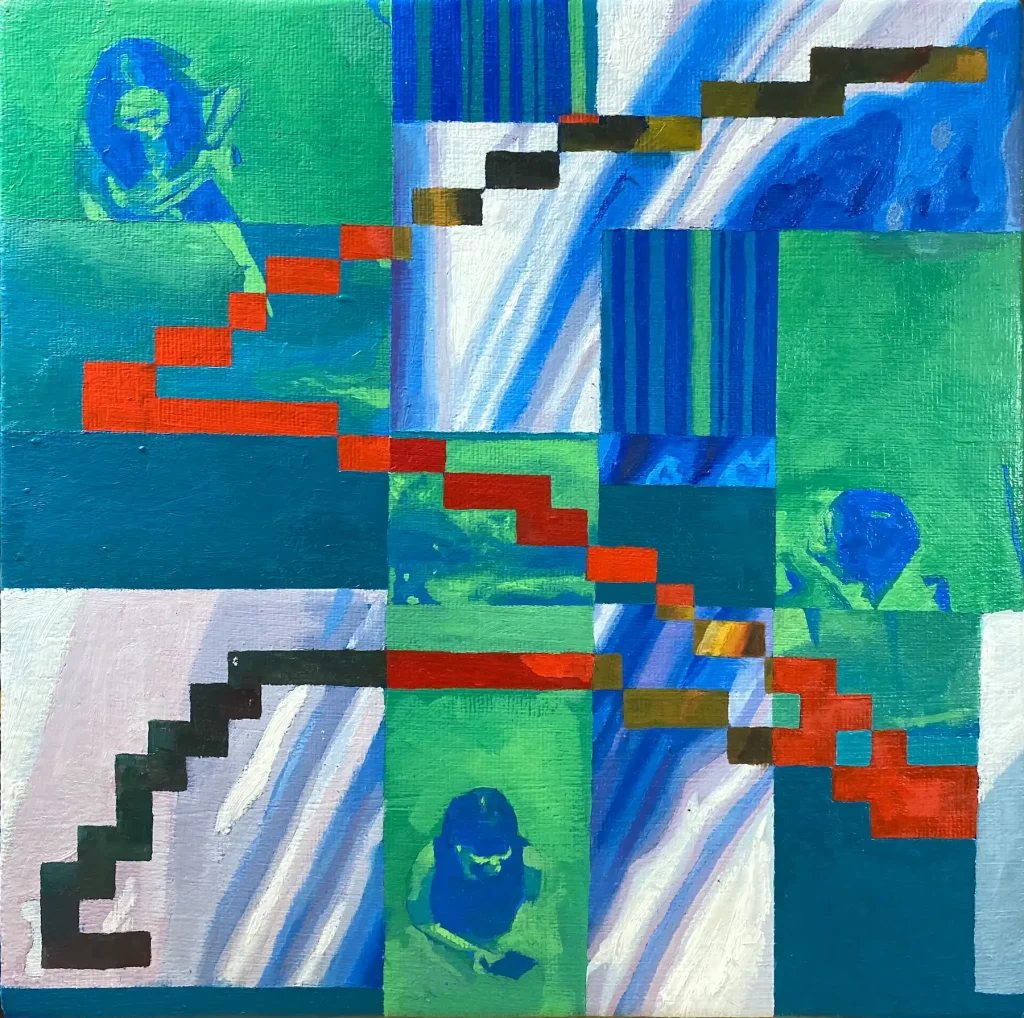
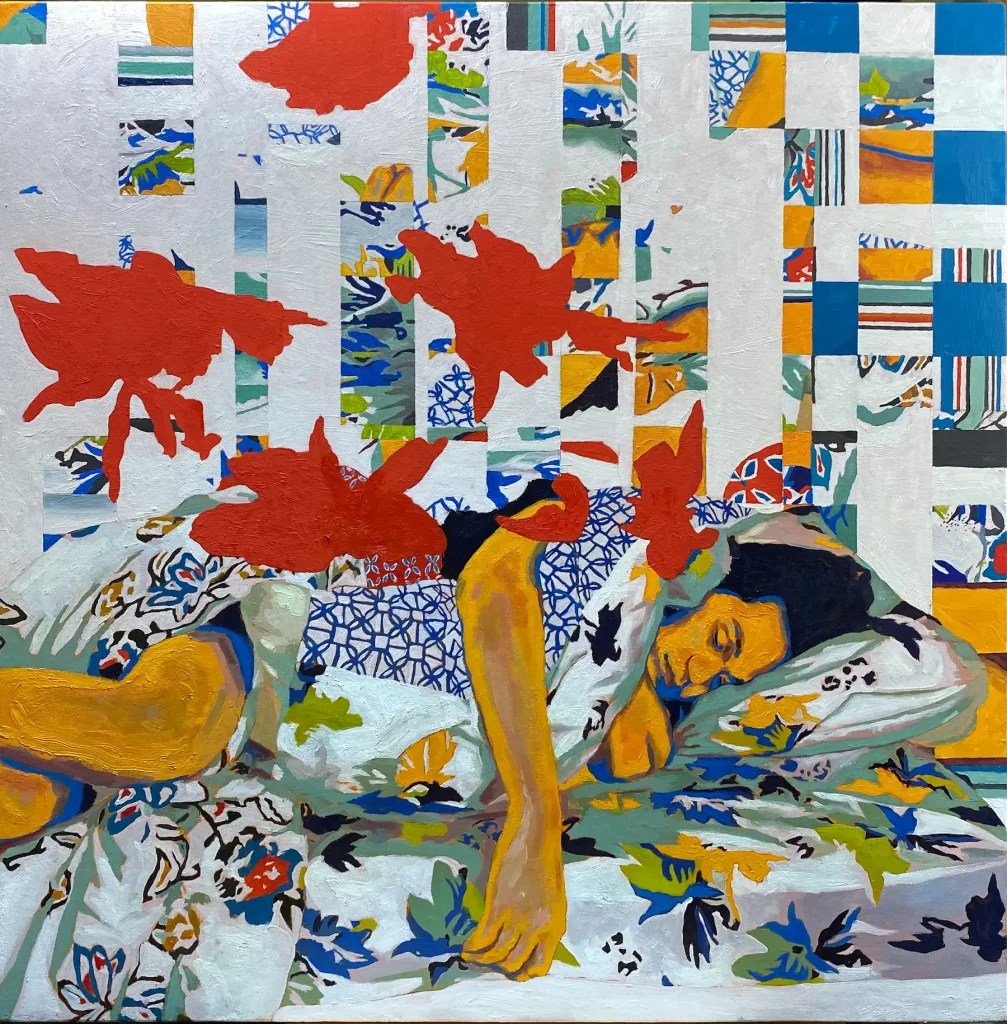
    Body Puzzles investigates the body, not as identity but as material and a vessel for transformation. Using close-up images of my own body as source material, I construct layered collages where anatomy dissolves into biomorphic shapes and cosmic landscapes. This practice of deconstructing and reconstructing mirrors the cyclical rhythms of our surroundings, whether urban or natural, constantly undergoing rebirth and renewal. My goal for this residency is to move from exploration to realization. Through ongoing research and experimentation, that includes researching Chema Alvargonzalez, I will refine the work, focusing on its materiality, scale, orientation, and installation.

    CV Summary

    EDUCATION

    • New York School of the Arts, Master in studio program
    • New York School of the Arts, Intensive Arts Program
    • Cooper Union College, NY
    • NYU, certificate program
    • University of Western Ontario, 1989- 1993, London Ontario, Bachelor of Arts, Western Literature and Civilization

    SELECTED EXHIBITIONS

    • 2024
      • Bau Gallery, The Shape of Things, Beacon NY
      • The Hub Center for the Arts, Masters in studio exhibition, NY
    • 2023
      • LIC Arts Space, To darken lightly, NYC
      • Site: Brooklyn, Shape/form, NY
      • The HUB Center for the Arts, (In)Tensive Exhibition, NYC
      • The HUB Center for the Arts, Painting and Drawing, NYC
    • 2022
      • Gallery OneTwentyEight, NYC
      • The HUB Center for the Arts, New York, NY, Cyanotypes, Prints, Photography
      • Lawrence Gallery, NYC
      • The HUB Center for the Arts, New York, NY
      • The HUB Center for the Arts, Practices in sculpture, New York, NY
      • The HUB Center for the Arts, Summer Arts Intensives, New York, NY
    • 2021
      • The HUB Center for the Arts, Summer Arts Intensives, NYC
    • 2020
      • El Barrio Art Space, Women Celebrate Women, NYC
    • 2016
      • 24th Annual 92Y Art Center Juried Student Exhibition
    • 2015
      • Collyer’s Mansion, Brooklyn NY, Daylight all night long
      • Ceres Gallery, New York, NY, Exposure
    • 2014
      • Williamsburg Art and Historical Center, Over the edge: paperworks
      • Unbound, Brooklyn NY
      • Greenpoint Gallery, Brooklyn NY
      • Ceres Gallery, Exposure, NYC

    Gallery
  • Nicolás Fiorentino

    Nicolás Fiorentino

    Nicolás Fiorentino is GlogauAIR resident
    from January, 2025 to March, 2025

    Nicolás Fiorentino, an Argentinian artist based in Madrid, uses photography to explore daily life, migration, urbanism, and self-reflection. His work captures overlooked moments, inviting viewers to engage with his journey and discover beauty in the ordinary.


    Meet the Artist

    Statement

    Nicolás Fiorentino is an artist from Buenos Aires, Argentina, currently based in Madrid, Spain. Through his photography, Nicolás explores daily life as a way to connect with his environment and reflect on contemporary existence.

    His projects often delve into themes such as migration, self-development, urbanism, and philosophical exploration. Nicolás invites viewers to engage with his personal journey, transforming them into active participants in his story.

    Photography becomes his medium for capturing and revealing emotions, reflections, and questions that often go unnoticed.

    Treating reality as a canvas, Nicolás navigates spaces we typically ignore, drawing attention to overlooked moments of peace, chaos, and unexpected beauty in everyday life.

    GlogauAIR Project

    During my residency, I aim to further develop my project “Berlin is Part of Me”, which explores my personal and artistic journey in the city where I first began to grow as an artist, discovered my photographic style, and redefined my sense of self.

    After leaving Berlin, I realized how deeply the experience of migration had shaped both my work and lifestyle. This project delves into my personal story, examining how we form emotional and creative bonds with the cities we inhabit. As a migrant artist, I seek to reflect on how these connections influence our art and become an integral part of our identity.

    Throughout the residency, I will focus on transforming my Berlin experience into a tangible piece of art. My goal is to go beyond my usual photographic methods, using the images I’ve created to craft an object that embodies the essence of this journey—an object that can be both seen and touched, representing the lasting impact of Berlin on my life and work.

    CV Summary

    Education

    • 2024- Master in Photography and postproduction. Too Many Flash. Madrid, España.
    • 2021- BA Communication Media and design. Universidad de las Artes. Buenos Aires, Argentina.

    Group Exhibition

    • 2024- “Urban Codes” Naranjo Espacio. Madrid, España.
    • 2023- “Un cambio de paradigma” Sala de Arte joven. Madrid, España.
    • 2022- “Imprevisto” Zemin Berlin Gallery. Berlin, Germany,

    Gallery
  • Rina Kawai

    Rina Kawai

    Rina Kawai is GlogauAIR resident
    from January, 2025 to March, 2025

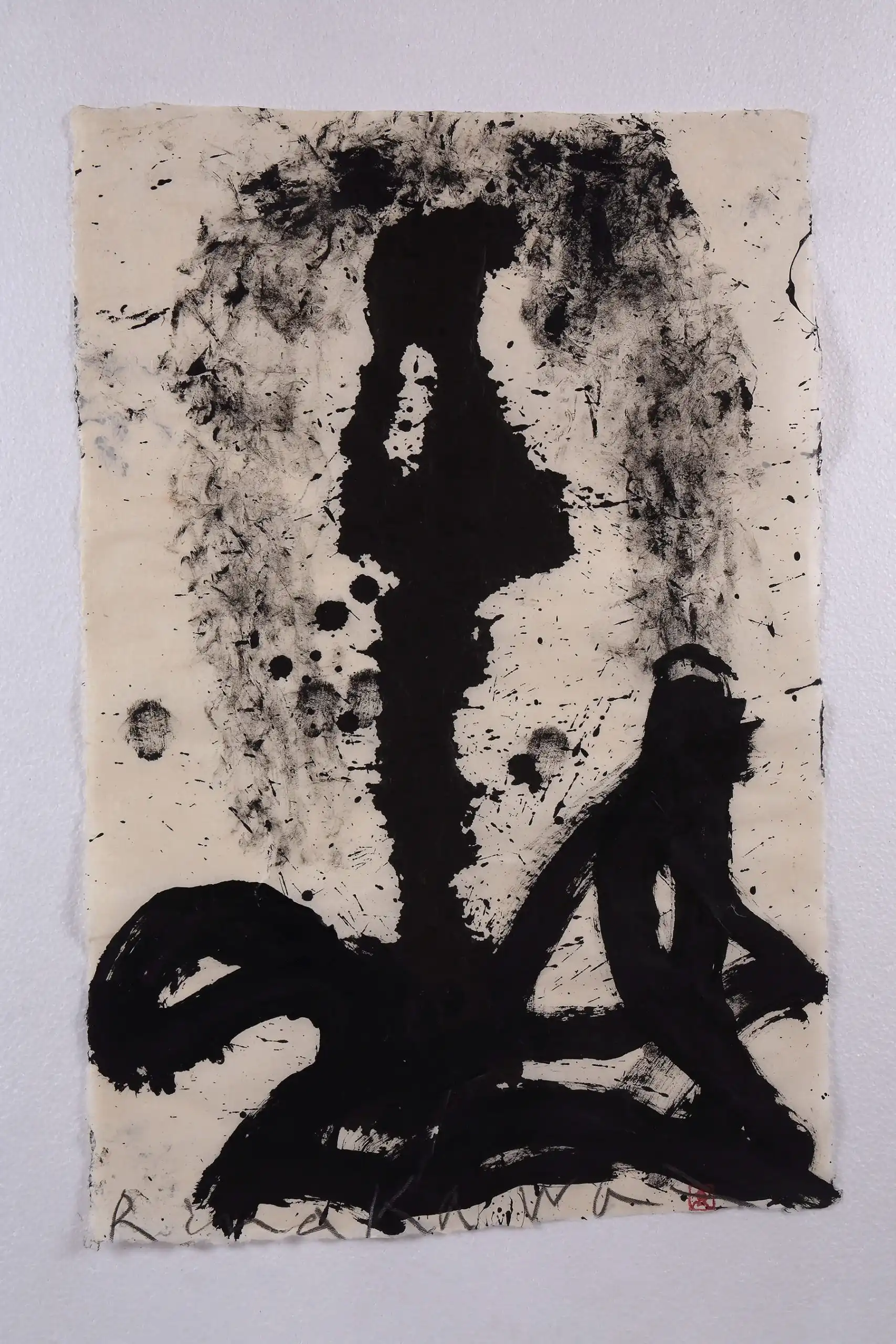
    Rina Kawai, a Japanese artist from Aichi, currently based in Berlin, explores the connection between mind and body through Japanese Zen philosophy (禅). Her work spans painting and dance performances, examining the divide between mental and physical experiences in a fast-changing society. She engages audiences through dynamic and static elements, often using transparent paper and color to challenge perceptions of visibility and the subconscious.


    Meet the Artist

    Statement

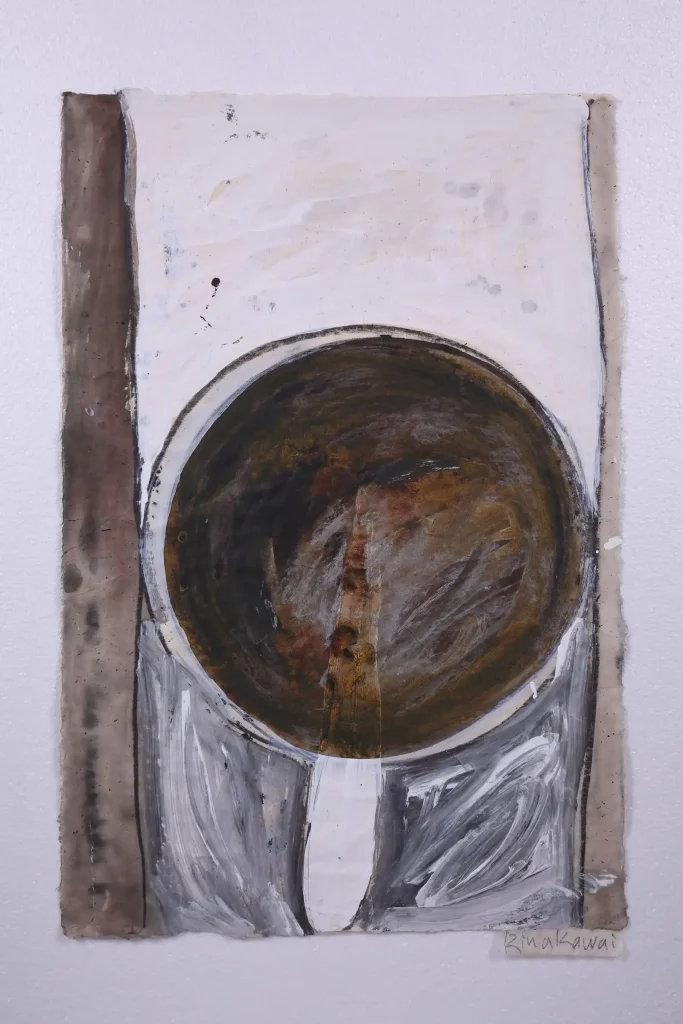
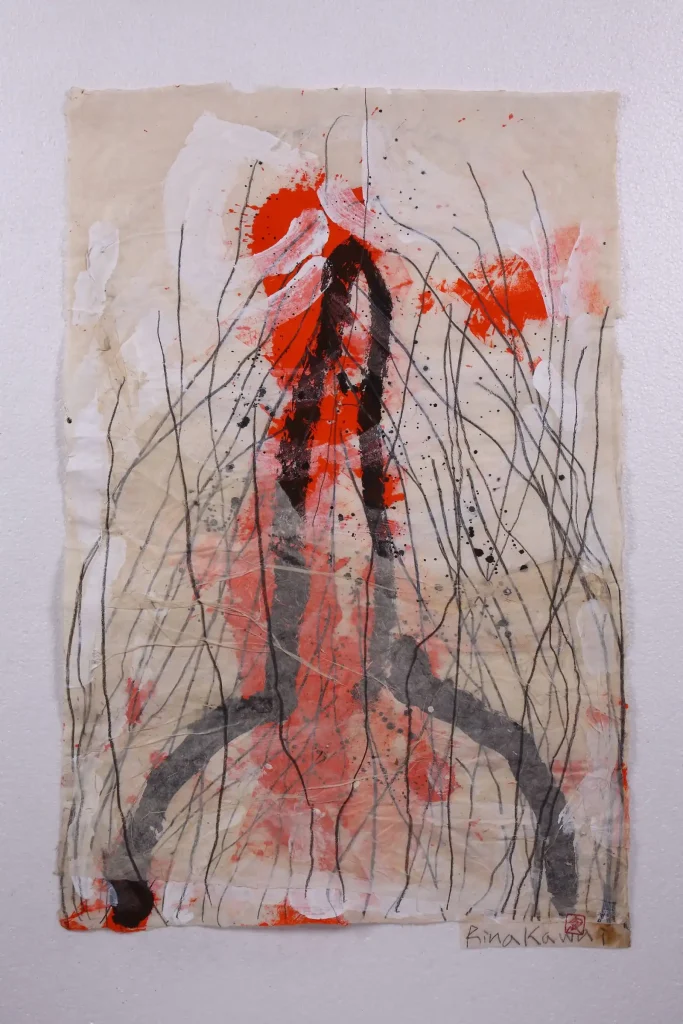
    Rina Kawai is a Japanese artist born in Aichi, Japan. Currently based in Berlin, Germany. She explores the inner reality that interplay “non-visual realm,” focusing on the “structure of the mind and body” through the philosophical thought of Japanese Zen (禅). Her work reveals how our rapidly changing society is linked to the divide between mental and physical experiences. Her creative media are painting, dance performs that invite audiences to engage in dynamically and statically. In her proposal, the subconscious plays an important role. For example, she uses different colors on transparent paper to create shadows randomly and the audience observes the perception of what is visualizing or not visualizing.

    GlogauAIR Project

    This GlogauAIR project in Berlin, Germany, is my first overseas endeavor. This project, in my opinion, is from my earlier action work.

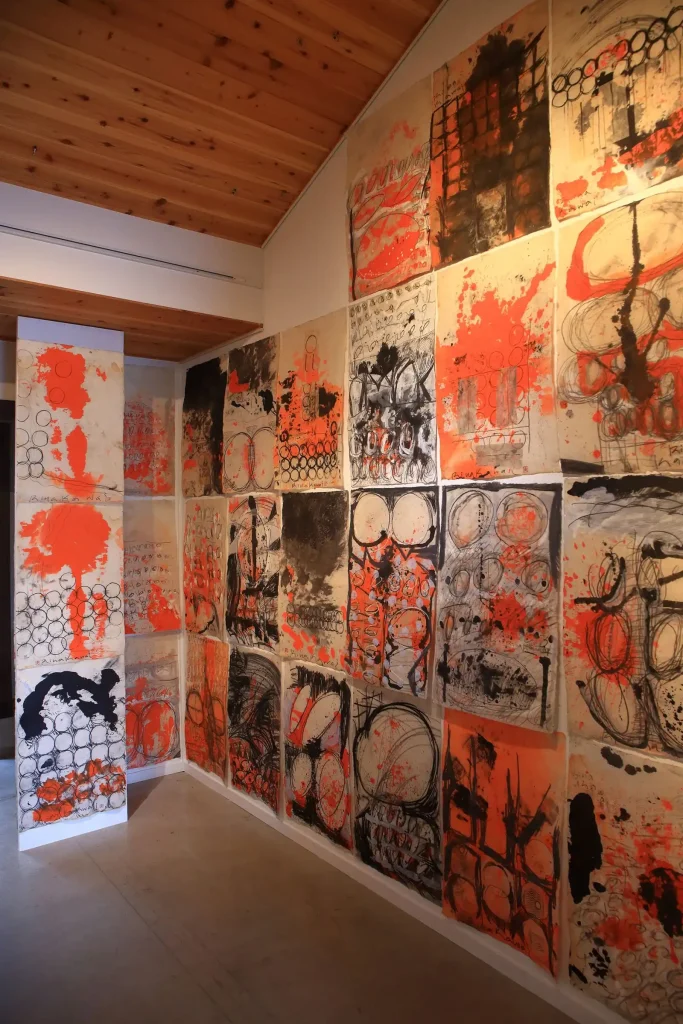
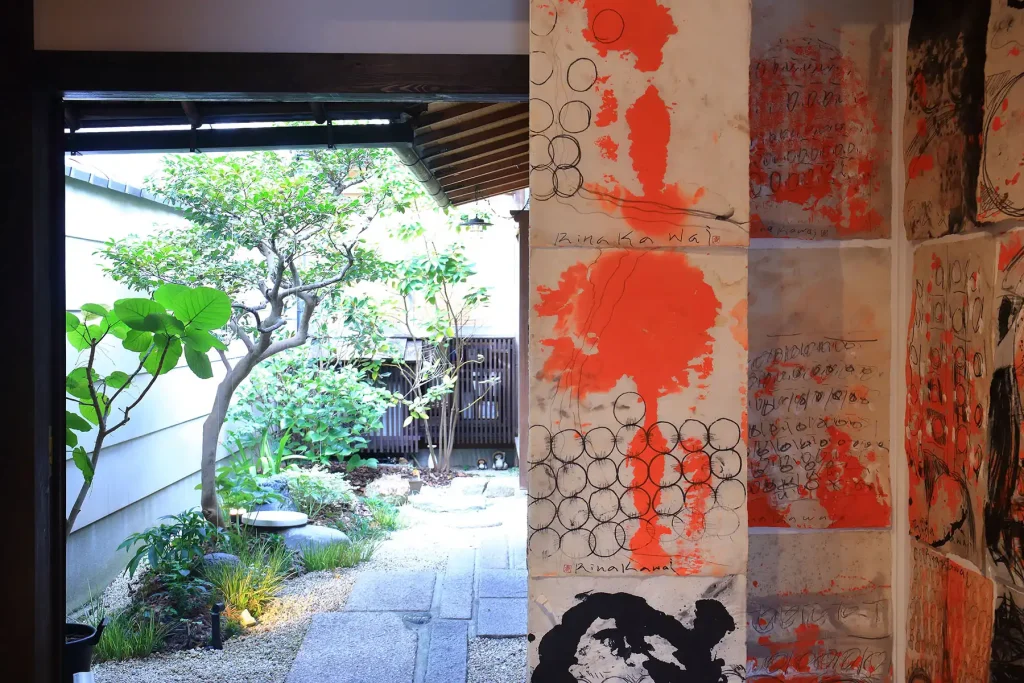
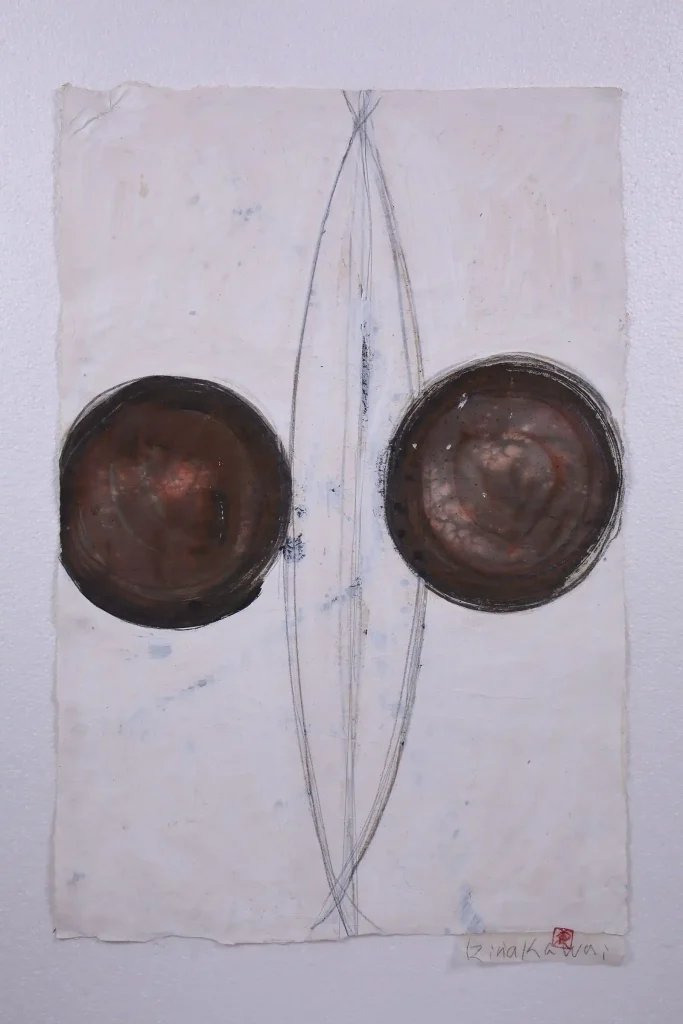
    I recently completed an experimental action drawing project for 2022–2023 using 1,000 sheets of handmade Nepalese paper. That is comparable to a Zen practice philosophy that focuses on drawing for two years. After completing a thousand pieces, I became aware of how human physical and mental capacities interact based on my personal experience. I will attempt to connect round shapes that are dynamic and static from the body experience, as well as the spaces between lines and shapes, with colors that are still being developed.

    CV Summary

    Education

    • 2014-2018 Bachelor of Fine Art from Nagoya University of Arts, Japan
    • 2014 “Penland craft school” summer program, US

    Exhibition

    • 2024 Group show, Nagoya University Of Arts, Nagoya Japan
    • 2024 Art fair Nagoya, Nagoya Japan
    • 2024 solo exhibition,Gallery heptagon, Kyoto Japan
    • 2023 “idéal classe” solo exhibition, Nagoya Japan “ART NAGOYA 2023”Art fair, Nagoya Japan
    • 2023 “Gazing at the star” group exhibition, Gallery Heptagon, Kyoto Japan
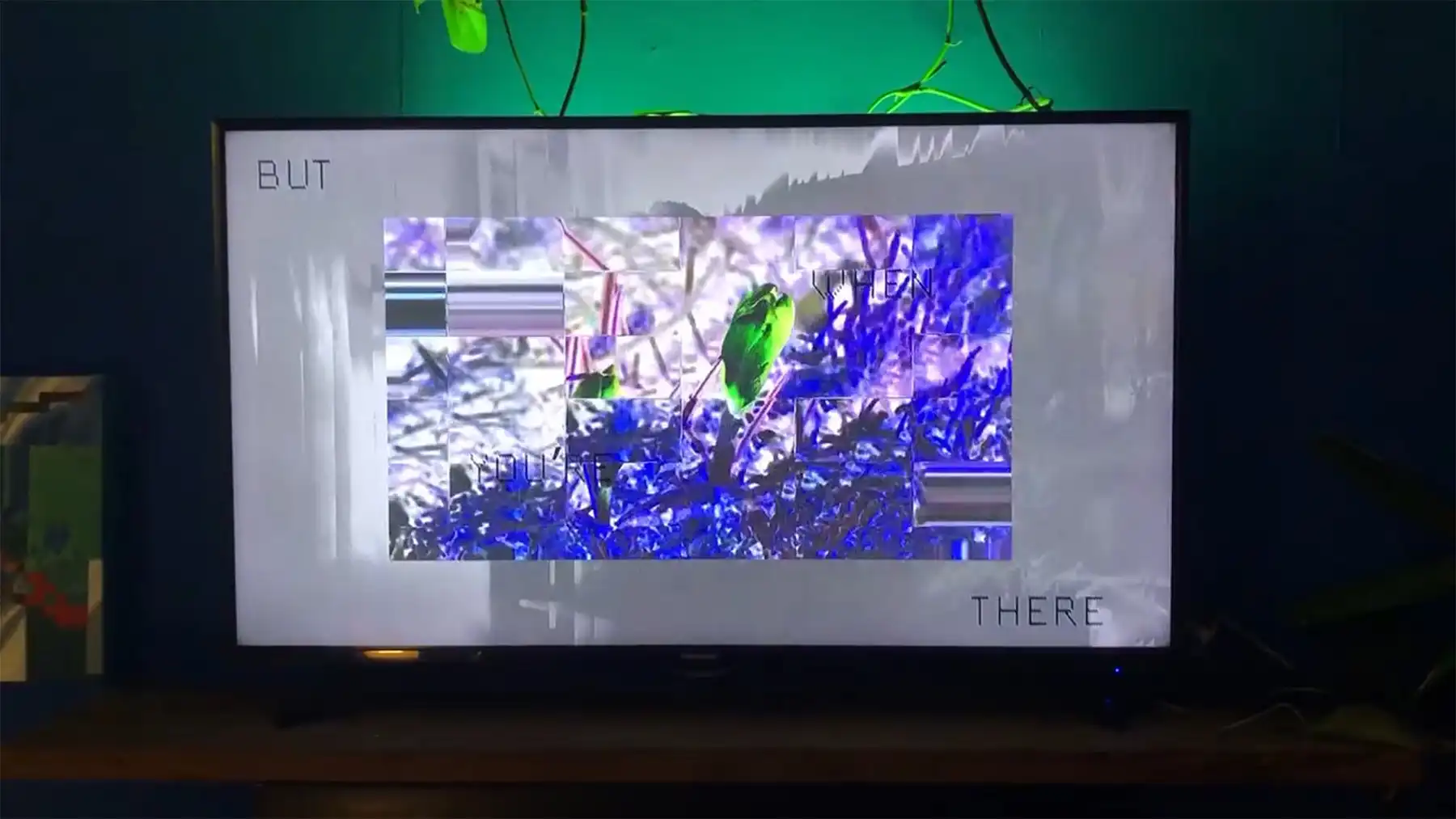
    • 2022 “certainly existing now”solo exhibition Gallery hu:, Nagoya Japan
    Performance & work

    • 2024 “What you see? あなたは何を知覚する?” improvisation performing art event,Nagoya Japan
    • 2023 “YKO ハポンdeダンス” performance vol,43 YKO dance project, Nagoya Japan
    • 2023 “creation work WS”by Norihito Ishii Sankaijyuku (山海塾)Studio Soko,Gifu Japan
    • 2022 “Improvisation work WS”by Mushimaru Fujieda Butoh dance(舞踏) Enishi Ehn, Osaka Japan

    Award

    • 2018 Collector’ s Award in Nagoya university of Arts, Japan

    Gallery
  • ROM

    ROM

    ROM is GlogauAIR resident
    from January, 2025 to March, 2025

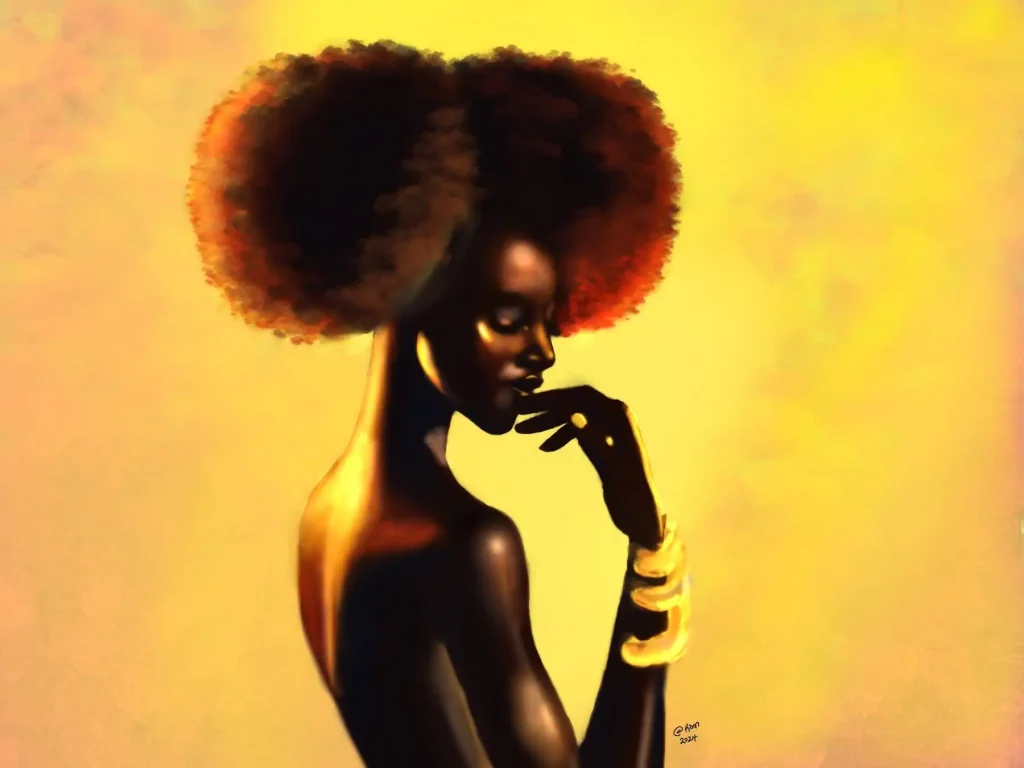
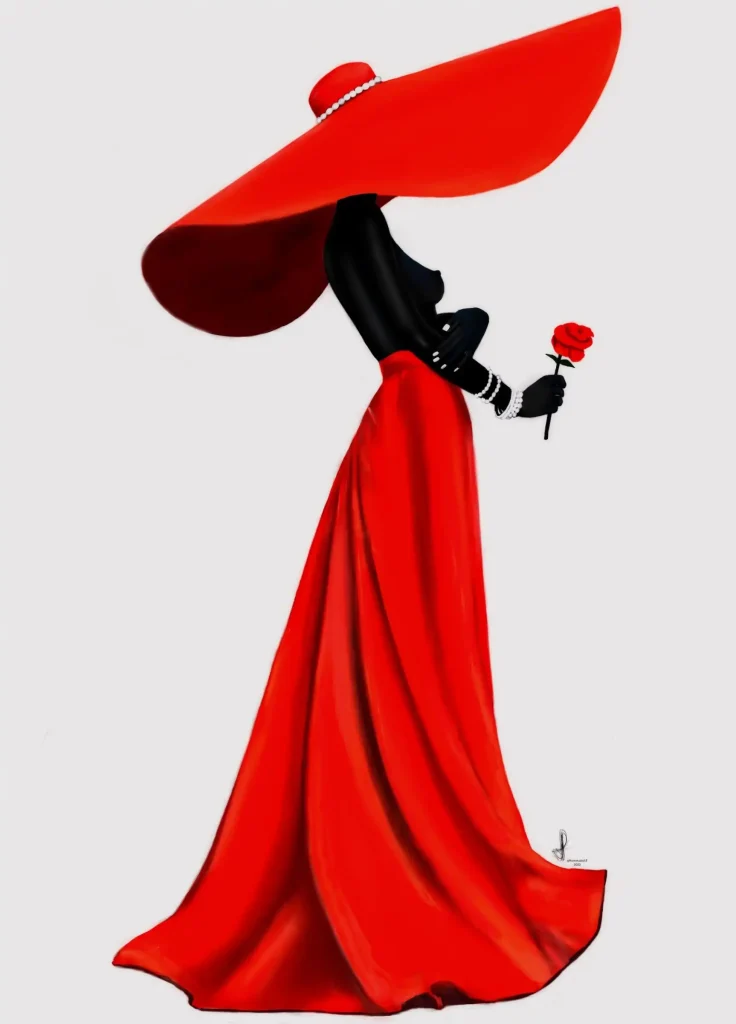
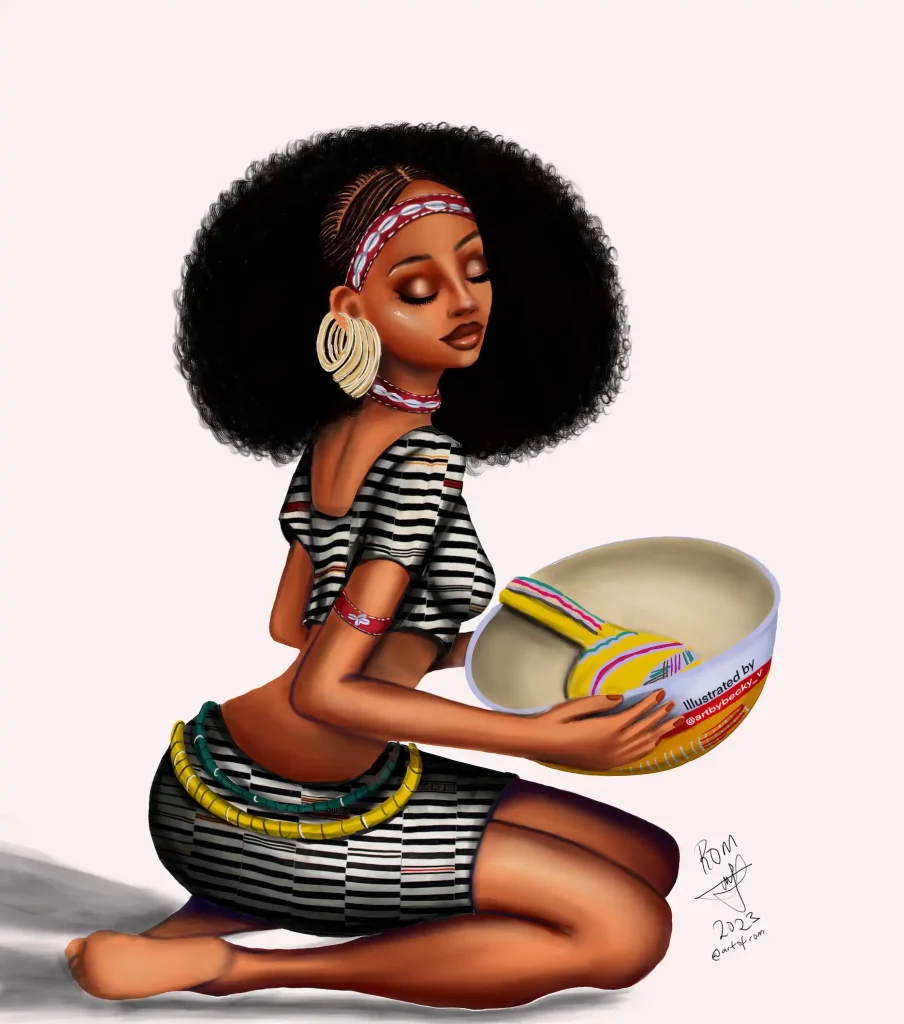
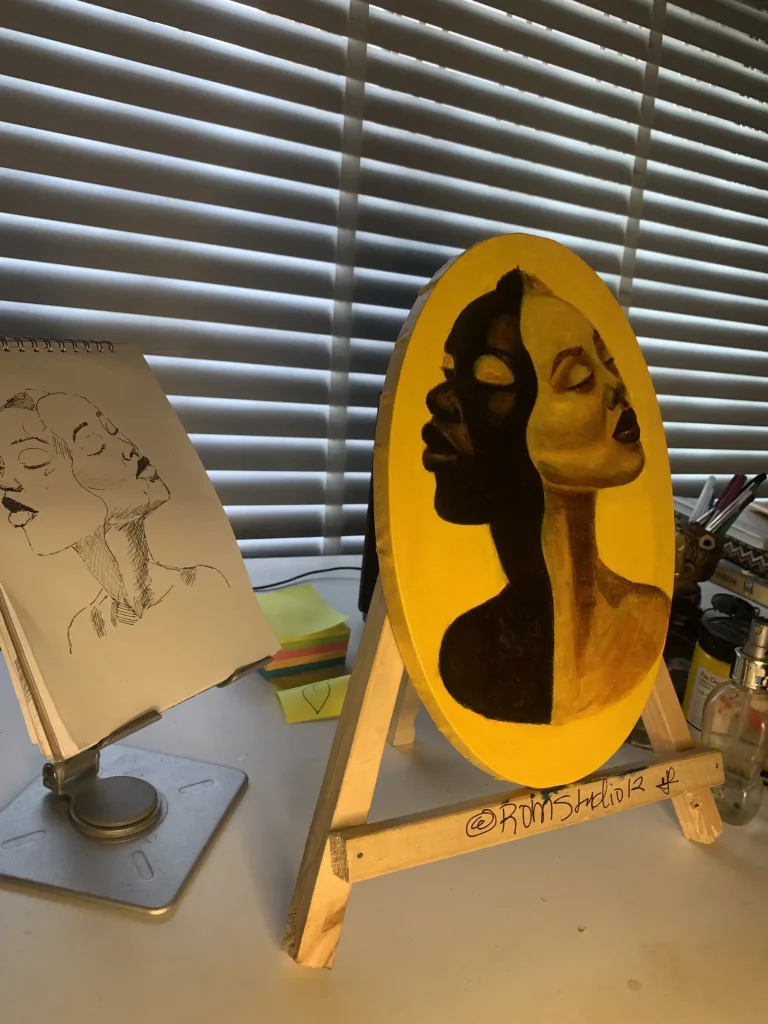
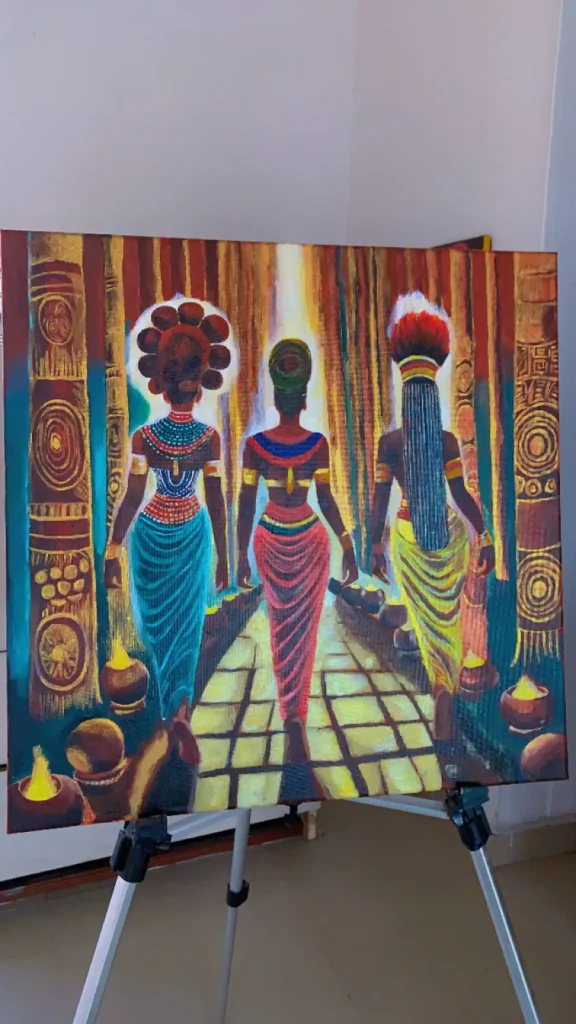
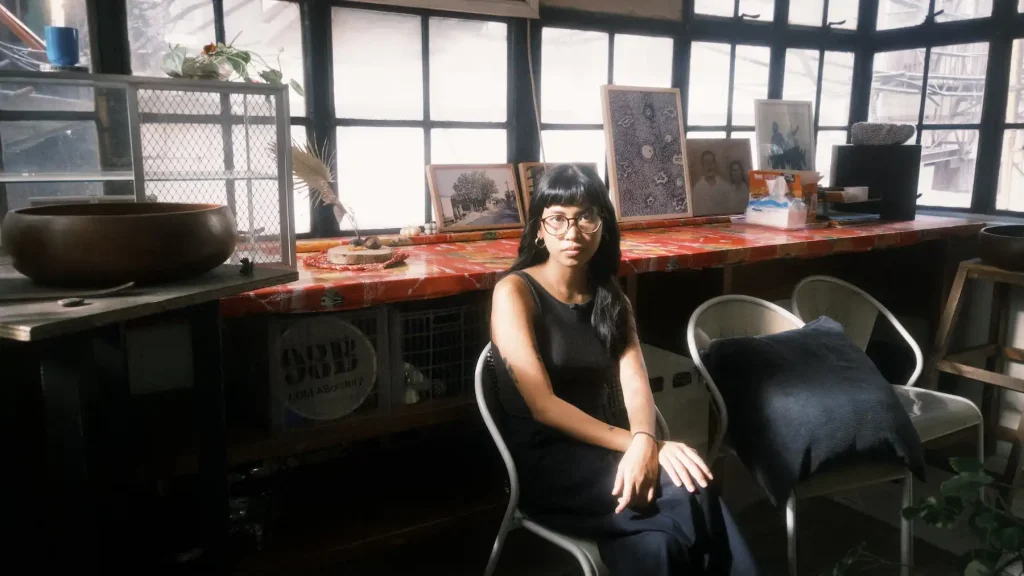
    ROM is a Nigerian-born multidisciplinary artist whose work delves into identity, resilience, and self-reclamation. Through digital and traditional media, she crafts evocative visual narratives that challenge societal perceptions of womanhood, mental health, and transformation. Her art is a reflection of lived experience— shaped by solitude, displacement, and the pursuit of self-definition. Her process is deeply intuitive, beginning with fragmented sketches that evolve into layered compositions rich in symbolism.

    Meet the Artist

    Statement

    My art is a reflection of my personal journey, shaped by resilience, healing, and empowerment. Growing up in Nigeria, in a large family of 13 with limited resources, I learned the value of hard work early on, supporting myself through various jobs to pursue an education. In my late twenties, I discovered art as a means of expression and therapy during the pandemic. My self-taught practice became a sanctuary where I could channel complex emotions, including the challenges I’ve faced with bipolar disorder. Art, for me, is not just a medium of creation but a space for transformation, where I turn struggle into strength.

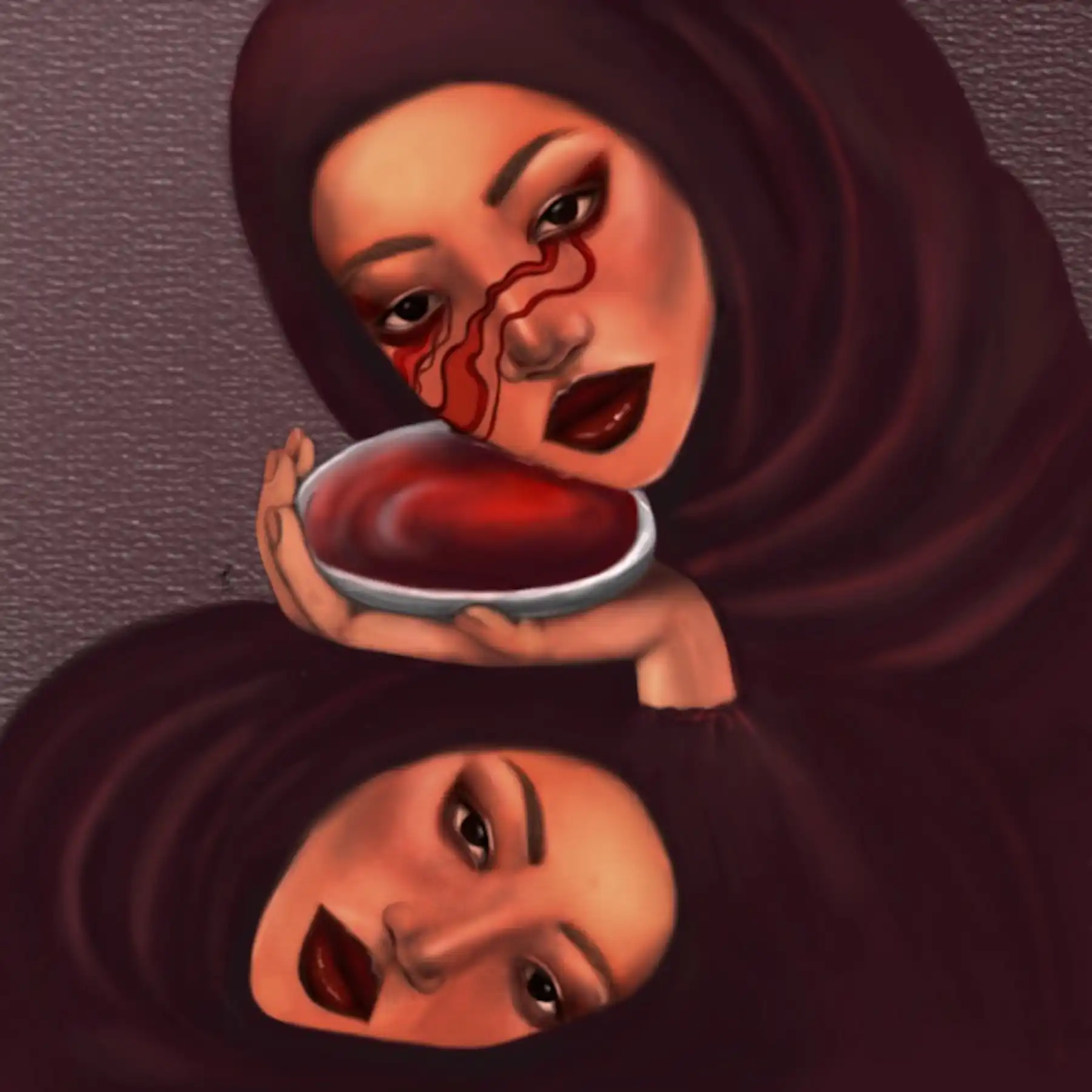
    Through my work, I explore themes of identity, resilience, and empowerment—particularly through the lens of women’s experiences. My ongoing series, My Lady Series, celebrates the resilience of women, using symbolic imagery to tell stories of empowerment in the face of adversity. My creative practice also extends beyond the studio, as I engage in outreach to orphanages, using art as a tool for healing and self-discovery.

    I believe in the power of art to heal, to inspire, and to transform lives. My journey from survival to self-expression, coupled with my belief in the importance of personal growth, fuels the messages of strength and self-empowerment in my work.

    GlogauAIR Project

    ‘My Lady Series: Homecoming’ is an ambitious project that explores the intricate layers of identity, empowerment, and cultural heritage. Through a blend of traditional and digital mediums, ROM crafts powerful narratives of women as they reclaim their roots, embrace resilience, and celebrate their journeys of self-discovery. This series is not just a celebration of womanhood but a global dialogue about belonging, strength, and healing. ROM also incorporates her advocacy into this project by working with children in orphanages, spreading her vision of art as a tool for emotional healing and empowerment.

    ‘Homecoming’ is an invitation to viewers around the world to reflect on their own identities and the universal need to find strength in one’s story.

    CV Summary

    Name

    ROM (Rebecca Obiageli Madu, also known as Madinah ROM)

    Education

    • BSc in Mass Communication, National Open University of Nigeria (Completed 2019)

    Art Projects and Exhibitions

    • ‘Shifting Identity’ (Exhibited at MACFEST, University of Salford) 2024
    • ‘My Lady Series: Homecoming’ (Ongoing project exploring women’s empowerment)
    • ‘Nigeria Music at 70’ Art Exhibition 2024

    Residencies

    • Online Artist Residency, GlogauAir Berlin

    Professional Experience

    • Housekeeper: Supported education by working in homes, demonstrating determination and work ethic (2004–2012)
    • Brand Promotional Model: Gained experience in public engagement and representation (2012–2016)
    • TV Presenter: Developed communication and storytelling skills through hosting programs (2016–2019)
    • Self-taught Artist: Dedicated practice to digital and traditional art, focused on self-expression, healing, and empowerment (2020–Present)
    • Digital Fashion Illustrator: Worked on digital designs and illustrations for clients (2021–Present)
    • Online Art Tutor: Provided virtual art lessons to students worldwide, focusing on technique and creativity (2023–Present)
    • Taekwondo Instructor: Taught discipline, resilience, and empowerment through martial arts (2024–Present)

    Other Achievements

    • Senior Blue Belt in Taekwondo, showcasing discipline and perseverance
    • 10KM Lagos State Marathon Runner, Silver Medalist, demonstrating resilience and determination
    • Caretaker and manager of the late Chief M.K.O. Abiola’s property, where I also have my studio located in Lagos.

    Skills and Interests

    • Martial arts, Yoga meditation, swimming, and Marathon running.
    • Digital and traditional painting, storytelling, art therapy, and cultural empowerment
    • Passion for outreach and advocacy, using art to inspire and heal

    Gallery

  • Shara Francisco

    Shara Francisco

    Shara Francisco is GlogauAIR resident
    from January, 2025 to March, 2025

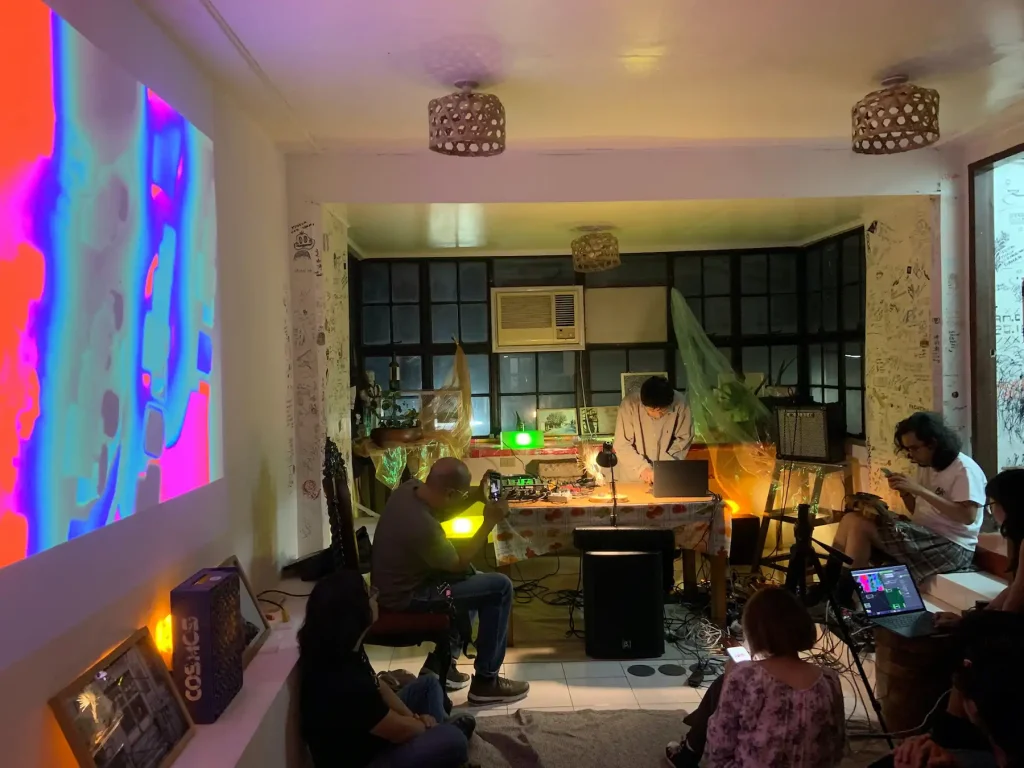
    Shara Francisco is a Filipino artist and designer whose work blends painting and visual programming. Influenced by behavioral design, she explores pattern-finding across digital and tactile mediums. Her practice includes live A/V collaborations, 3D mapping, projections, multi-sensory interfaces, and generative visuals.


    Meet the Artist

    Can you tell us a bit about yourself? Specifically, we’d love to know about your background.

    Hi, my name is Shara Francisco. I’m an artist currently based in Laguna and Manila, Philippines. I also work as a designer focusing in behavioral design and user experience, which significantly influences my creative practice as an artist. Additionally, I am a member and the creative director of 98B Collaboratory, an artist-run space located in Escolta, Manila.

    How would you describe your artistic practice?

    I initially focused solely on painting, though I wasn’t formally trained. Over the past two years, I’ve gradually shifted from primarily traditional mediums to incorporating digital tools into my work. Recently, I’ve started exploring visual programming and its experiential aspects in live performances, especially since working with sound and media practitioners.

    My practice is heavily influenced by my experience in a design consultancy, particularly in analysing cognitive patterns for behavioral and social interventions related to user experience, communications, or systems design; which is very much service- and user-oriented. The recurring theme for me in that experience was pattern recognition, and as an artist, I became more interested in applying that theme to medium itself, specifically focusing on translating, replicating, or converting the digital to the tactile, and vice versa. My practice became more process-based, and I wanted my work to focus more on analysing my own observations of possible connections between mediums to generate a visual pattern or texture.

    What is your methodology or process for creating a new project?

    I try to maintain an archive across various platforms, which includes photos, audio recordings, 3D and texture scans, case studies, etc., anything that interests me in both content and medium. I also jot down raw ideas in notebooks to revisit from time to time when an opportunity to create them arises. I’d describe my process to be chaotically structured, with a tendency to overplan but end up deviating from the original concept. However, I’ve come to view these deviations as iterations and potential connections to future projects.

    I also focus on exploring the capabilities of the digital program I use when starting a project, experimenting with techniques to achieve specific textures or visual outcomes. And when collaborating with other artists, particularly in sound art, I try to immerse myself in their work to visualise the textures I hear.

    Tell us about the project you are working during your online residency at GlogauAIR

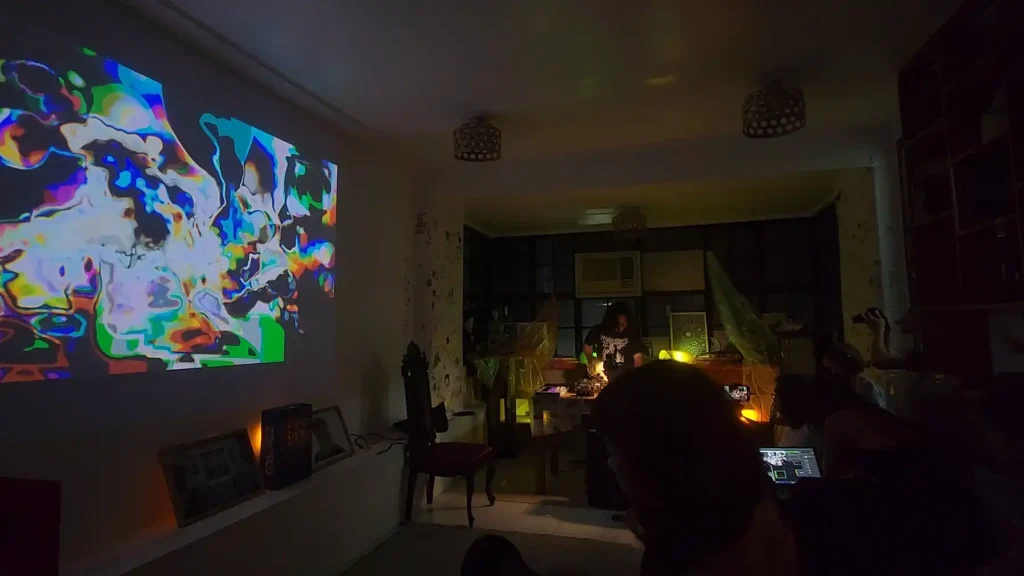
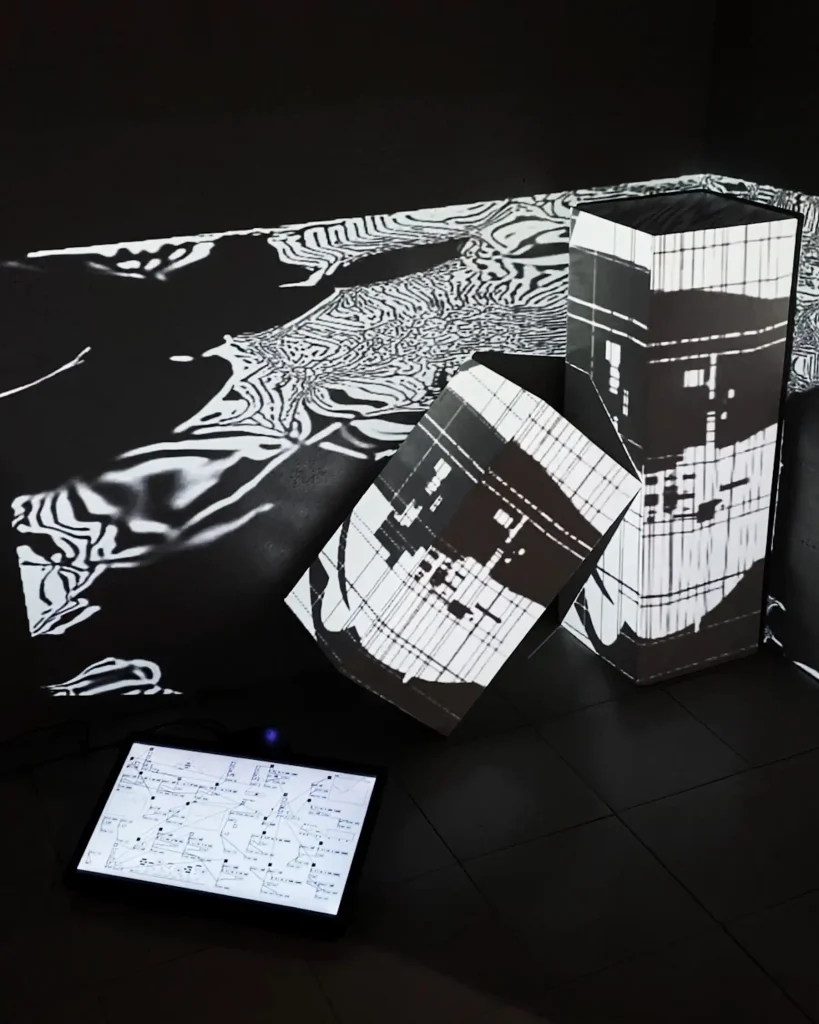
    My residency project focuses on exploring and expanding the mediums I’ve been working with, utilising sensory mapping to gather documentation materials as references for generative visuals. This project takes place within the cultural and historical First United Building in Escolta, Manila, with particular emphasis on its pocket spaces. The goal is to hopefully capture a transient moment that the senses provide within these spaces and to generate a moving texture or pattern.

    How do you connect your work in relation with the digital and the technological with the physical, tactile and more analogic?

    I connect my work by making the reference go through both the digital and physical realms. When producing video or live visuals, I try to incorporate organic elements and I want the final output to not be clean or perfect, so these can be unexpected movements, glitches, or blurriness. For painting, I digitally manipulate the reference, allowing the program to generate randomized variations with the parameters I’ve set. I primarily use my own references—such as photos and 3D scans—as the raw components for these works.

    What are the intentions to evoke in the viewer and audience with your work?

    I hope my work conveys a sense of movement or translation between two languages, hoping that it invites the viewer or audience to focus on what they see rather than what it means.

    Do you have any references from artists, creators and other visual imaginary that help you in your practice?

    Yes, I draw inspiration from many people I’m grateful to have personally met. Over the past year, I’ve had the opportunity to work with a lot of sound artists here in the Philippines. The community’s DIY approach and collaborative performance style, particularly their method of combining various mediums to create a sonic experience, have been points of reference for me.

    What are your goals in the future and next moves to keep growing as an artist?

    Moving forward, I hope to continue developing my technical skills and experimenting on expanding the process, creating interesting projects that emerge from these explorations. Additionally, I hope to expand my network by collaborating with artists from various disciplines, because, where I’m from, I think working in new or recent media can sometimes be isolating if there’s no community to work with and learn from.

    Statement

    Shara Francisco is an artist and a designer based in Laguna and Manila, Philippines. Influenced by her background in behavioral design, her practice explores the concept of pattern-finding but with a particular focus on the medium; how to visually translate or replicate the senses of the digital to the tactile, and vice versa, through painting (the tactile) and visual programming (the digital). These explorations include live A/V collaborations, 3D mapping and projections, multi-sensory and interactive interfaces, and generative visual references.

    GlogauAIR Project

    My project aims to create site-specific visual projections generated with sound and visual documentations of the First United Building in Escolta, Manila. This project will be further developed during the GlogauAIR residency. This project seeks to capture how the senses of hearing and seeing interact, creating a moving texture or pattern of a transient moment fixed at a specific point in time. It explores capturing and somewhat recording the ‘emotional perception and embodied experience’ (Deville, 2020) that senses provide, examining whether it is possible to generate the sense of ‘pagkakapa-kapa’, or touching, through just hearing and seeing by utilising recent technological mediums to create generative forms from them. The concept initially took precedence during the opportunities I’ve had working with sound artists, being exposed to DIY practices and experimental methodologies to gather sound but translating it to the context of data visualisation.

    CV Summary

    Education

    • 2018-2022 B.A. in Multimedia Arts, De La Salle College-Saint Benilde, Manila, Philippines

    Selected Exhibitions/Projects

    • 2025 Glimpses – Ysobel Art Gallery, Taguig, Philippines (group show)
    • 2024 expr~0 #1 – 98B COLLABoratory, Manila, Philippines (live visuals)
    • 2024 Synthicide x Heresy: INTERZONE – Apotheka, Makati, Philippines (live visuals)
    • 2024 FIFTH WALL FEST Edition V – Fifth Wall House, Quezon City, Philippines (live visuals)
    • 2024 SOUND VISUALS V: ZERO START – University of the Philippines Parola, Quezon City, Philippines (live visuals)
    • 2024 NO ALGORITHM, NO ENTROPY – NO Community Run Space, Quezon City, Philippines (group show)
    • 2024 Synthicide: Synthetique – Anima Art Space, Quezon City, Philippines (group shown, in collaboration with Frankie Lalunio)
    • 2024 Vice City – The Grey Space, San Juan, Philippines (group show)
    • 2024 For the Record – POST Gallery, Quezon City, Philippines (group show)
    • 2024 Terminal Dogma x Heresy: Nematocyst – Apotheka, Makati, Philippines (live visuals)
    • 2024 Synthicide: INTERZONE 02 – Anima Art Space, Quezon City, Philippines (live visuals)
    • 2023 Making Space | Space Making – Gravity Art Space, Quezon City, Philippines (group show)
    • 2021 Kula (Digital Vernissage) – Ecumene Project
    • 2020 Digital Palengke – Mercado Vicente

    Gallery

  • Wu Yan Lin

    Wu Yan Lin

    Wu Yan Lin is GlogauAIR resident
    from January, 2025 to March, 2025

    Yan Lin is a Taiwanese artist whose work transcends ethnic and territorial boundaries, offering a conceptual and visual reinterpretation of the in-between spaces. Incorporating postmodernist themes, his satirical creations reflect on society’s material and technological transcendence.


    Meet the Artist

    Statement

    Born in Taipei, Taiwan in 2000, Wu Yanlin currently lives and works in Taiwan. Wu’s creations transcend the boundaries of ethnicity and territory, offering a conceptual and visual reinterpretation of the in-between spaces. Rooted in the themes of postmodernism—such as the replication, commercialization, and flattened consumption of thought—his works serve as imperfect satires that challenge and reflect on the material and technological transcendence of society. In his artistic practice, Wu peels back surface layers to uncover hidden contradictions, all while envisioning possibilities for growth and expansion.

    GlogauAIR Project

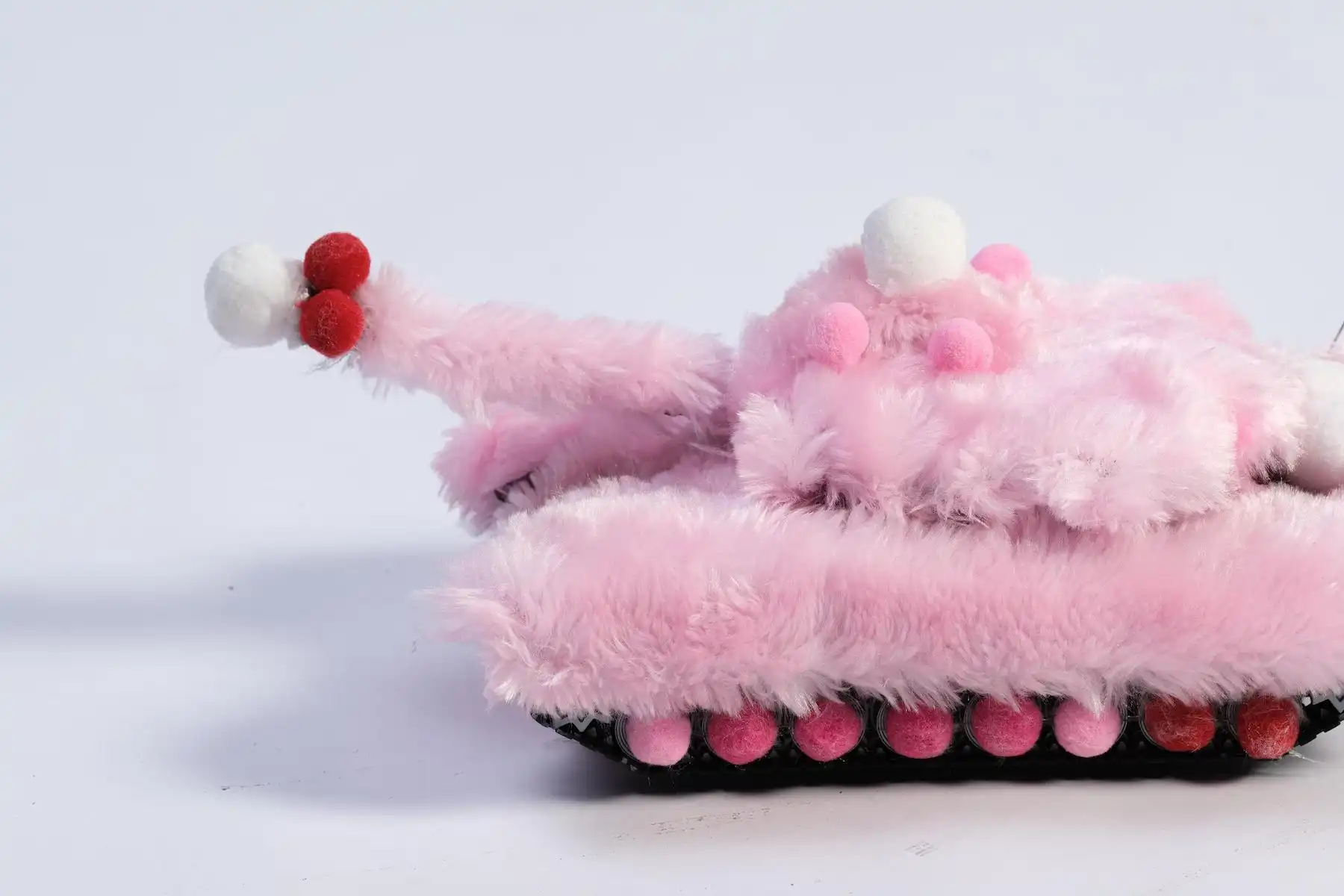
    Medicine-Ornamental crucian carp driven quadruped multi-gait robot

    This project is an interrogation based on whether gene editing manipulates evolution and the concretization of the question of whether evolution is nihilistic. Can fish, acting as sensors in a mechanical system, blur the line between living beings and machines? If a goldfish is subjected to extreme genetic intervention, can it still be classified as an “animal”? This research explores whether such cultivated species exist as elements or living beings, questioning the implications of evolution and artificial selection.

    CV Summary

    Exhibitions

    • King of the snail / Hwa: Dual Exhibition – NanBei Gallery, Taipei, 2021
    • INFO-LAB: Effortless Labor – Participating Artist, TAO ART Space, Taipei, 2021
    • 37th Graduation Exhibition – Participating Artist, Underground Art Museum, Taipei National University of the Arts, 2022
    • Illustration Art Fair – STAART Asia Illustration Fair, Exhibitor, Kaohsiung, 2022

    Professional Collaborations

    • The Unrestricted Society: Flow – Installation Maintenance & Execution, C-LAB Taiwan Contemporary Culture Lab, Taipei, 2023
    • SUPER FURNITURE: Poltronova Radical Design – Space Design Collaboration, Funhaus Flagship Store, Taipei, 2023
    • Moca Taipei: HUMUS – Virtual Exhibition Engineer, Museum of Contemporary Art, Taipei, 2023
    • Future Vision Lab 2023 – Technical Support, C-LAB Taiwan Contemporary Culture Lab, Taipei, 2023

    Gallery

  • Darren Guo Li

    Darren Guo Li

    Darren Guo Li is GlogauAIR resident
    from January, 2025 to March, 2025

    Darren’s practice explores the human body as a cybernetic ecosystem, blending scientific and queer thought with interdisciplinary art. With a background in Quantitative Biology, his work deconstructs and distorts the human form—digitally, mathematically, and anatomically—to examine its role in technological evolution and societal power structures, including Asian representation in new media.


    Meet the Artist

    Can you please introduce yourself and tell us about your background and artistic practice?

    I’m a Chinese-Canadian artist. I just graduated from my bachelor’s studies in Montreal at McGill last summer. I studied quantitative biology, but always had an art practice on the side, more of a hobby. After working a bit in industry, I realized that I wanted to pursue my practice full-time. So this is what led me to this residency.

    My practice combines scientific thinking with queer thought. I really like interdisciplinarity. My studies were also very interdisciplinary covering theoretical math, biology, chemistry, computer science, and some sociology, urban planning, things like that. I realized they’re all interconnected and the ideas can influence each other. There’s a lot of interpretive potential when you combine these ideas. And I think representing them with art, especially, opens up many new ways to communicate these ideas.

    Some concepts and theories that I’m quite interested in right now are post-humanism and new materialism. new materialism itself very broadly states that atoms and metaphysical matter have agency as well. We exist and co-emerge relationally with other entities, organic or not organic, technology or nature, human and non-human. I’m hoping to use these theories to explore the human form. Being able to deconstruct the human form, or dissolve it in a way that reflects how we exist in the world. Whether through computer algorithms, visually, or anatomically. Maybe mathematically, which is what I’m looking at right now. To reflect how there’s so many parallels between, for example, math and our identities. How both are very fluid things. Especially from a queer Asian perspective, it represents for me the dissolving, almost, and the fluidity of our identity as queer people. To survive within external systems of power that define the parameters of our existence. It is about empowerment and finding new ways to embody these aspects of your identity and how you interact with the world; finding new agency in your body in relation to your identity.

    Can you tell us about the mediums you work with?

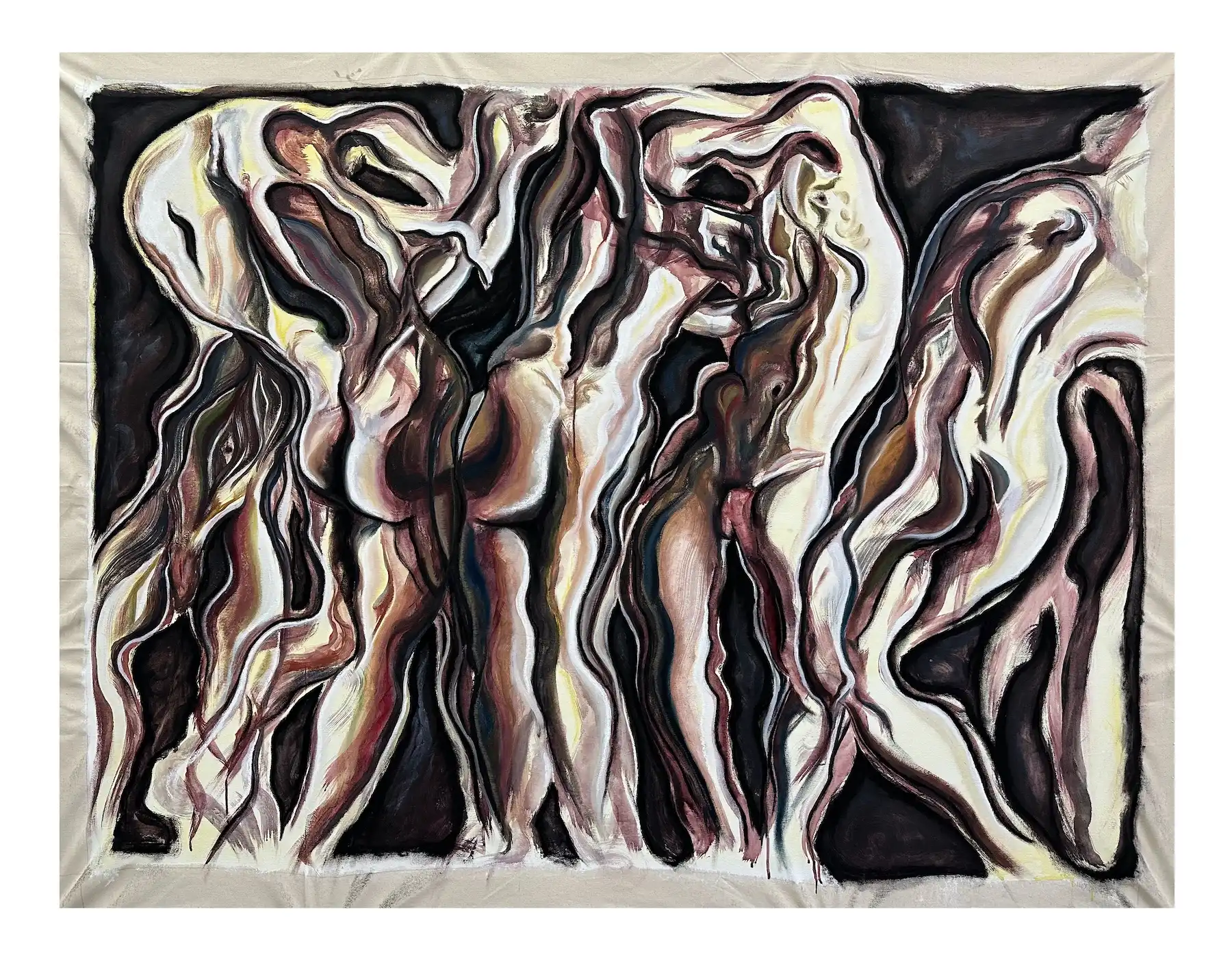
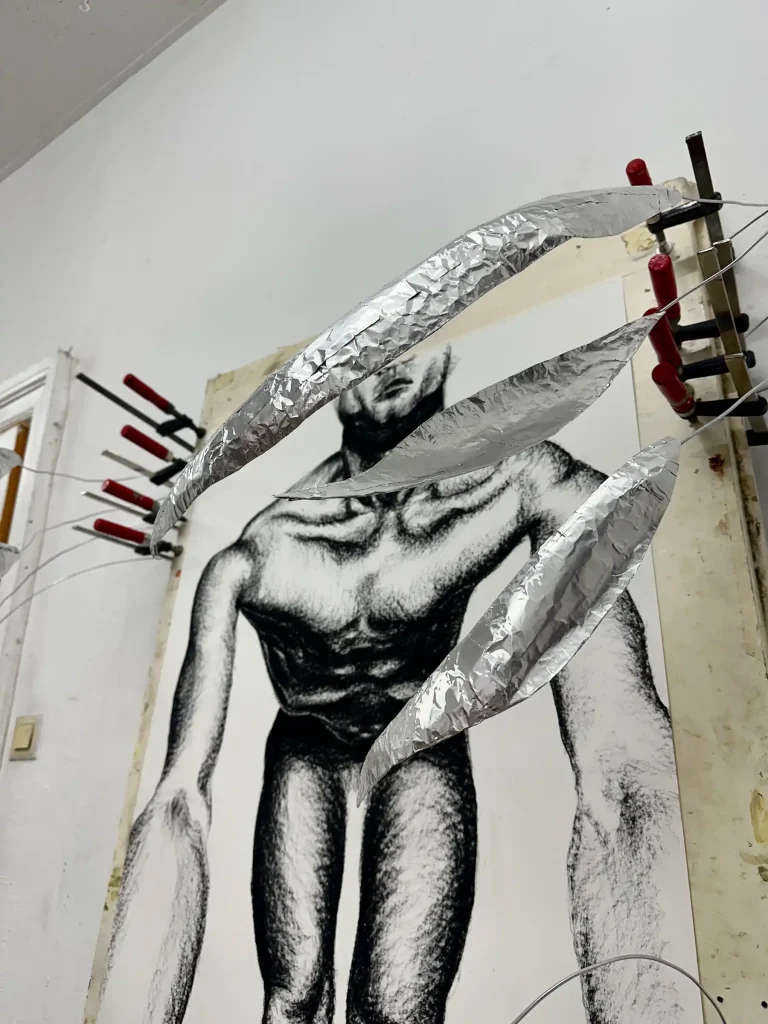
    I grew up taking classes in drawing. I’m historically an oil painter. but now I’m in a period of experimentation. I’m playing more with mixed media: pastels, charcoal, acrylic. I’m also experimenting a bit with sculpture, to bring these ideas into the third dimension.
    I started using digital and technological materials and methods. I’ve been coding in Python, and doing some rendering in Blender to represent the body mathematically and algorithmically. I’ve used the computer to algorithmically deconstruct abstract images of my body into datasets, essentially decoding the biological structure and tensegrity of my body. This virtually, or metaphysically deconstructs the body, opening the potential to be manipulated through computation and a code.

    Now I’m modeling with Python again, models we call strange attractors. Which is from chaos theory and are constructed from dynamic mathematical systems. Here, points are bounded and they move unpredictably in the system and create these very abstract shapes. I find this mirrors New Materialist ideas, in that we are bound within chaotic social, natural, and computational systems, and relationally emerge, or co-become, out of them.

    I am exploring how the organic, the digital, the technological, and the metaphysical are entangled with each other. If I’m representing my organic body with a computer software that’s now translating into a map, a graph. I am finding a way to plot these crazy shapes with

    some kind of parameters that it derives from my body. It’s kind of showing how we can interconnect them and it reflects how they’re interconnected in society nowadays.

    What are you working on here at GlogauAIR?

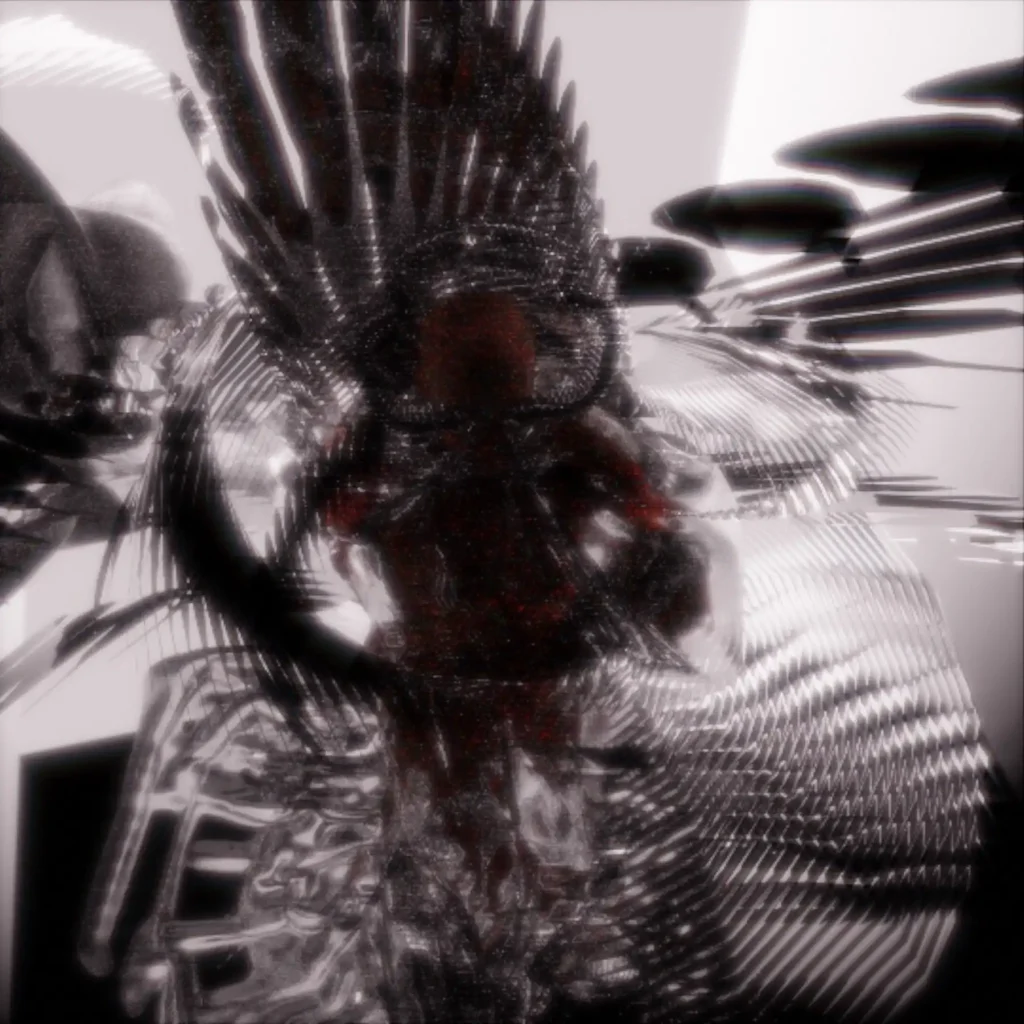
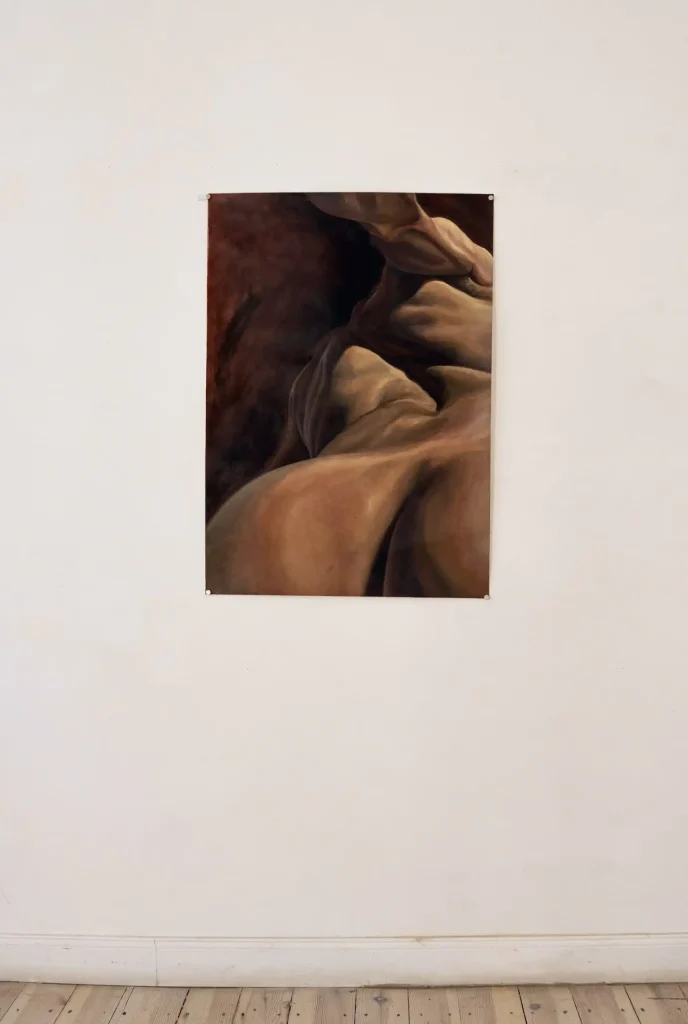
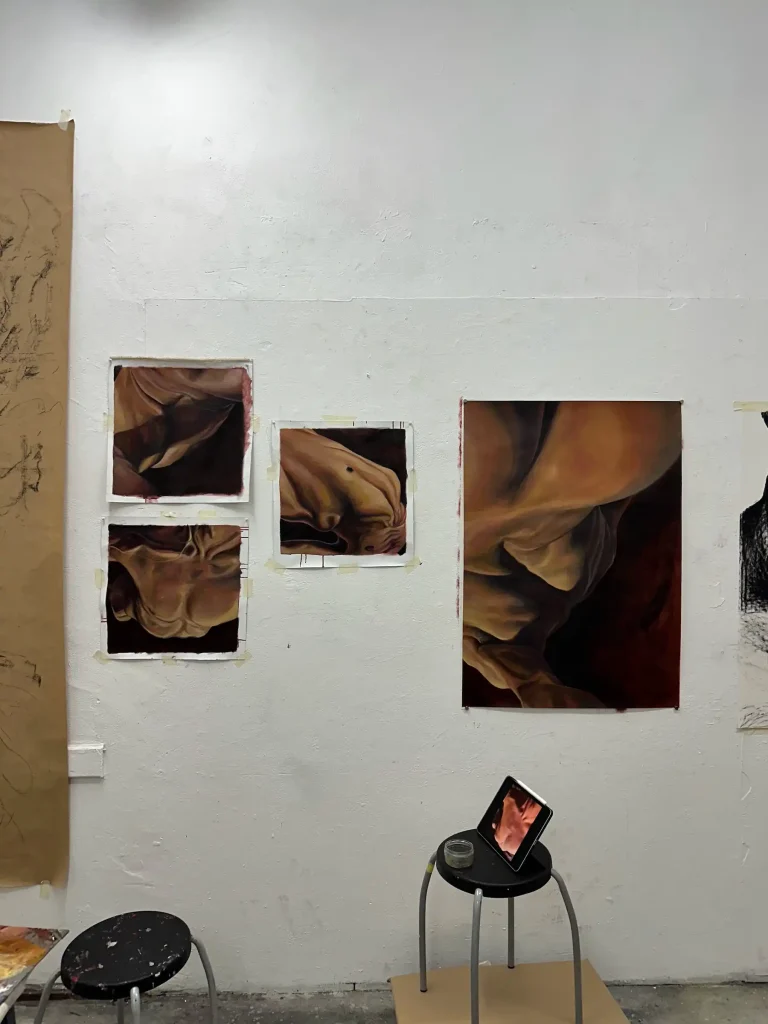
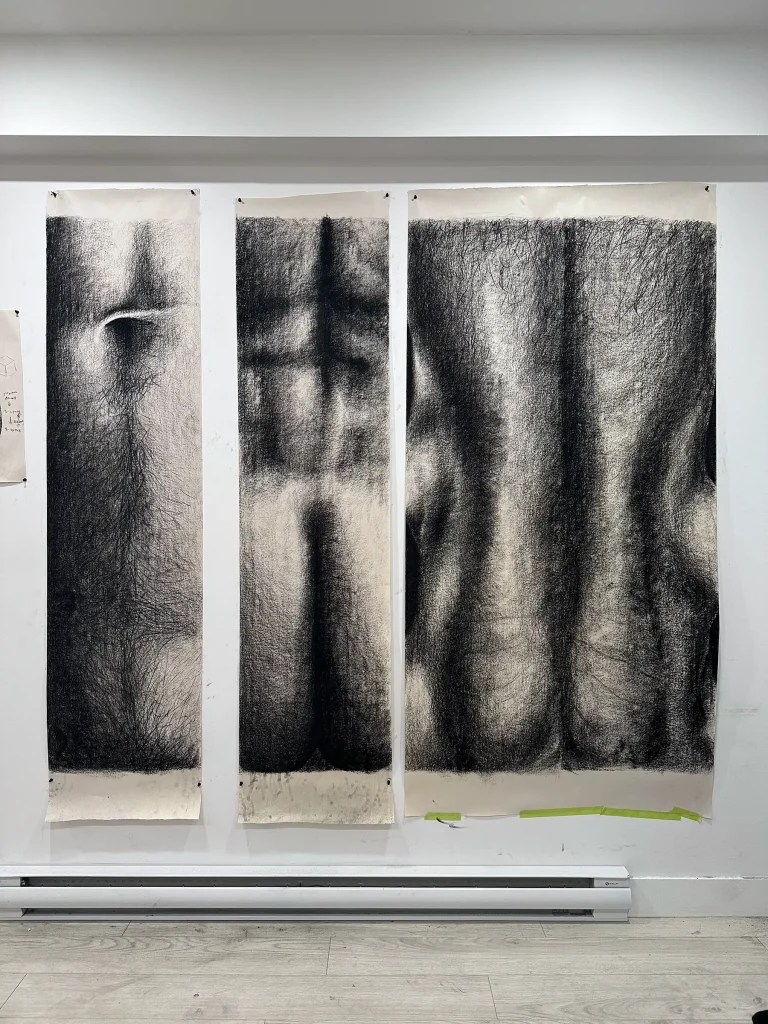
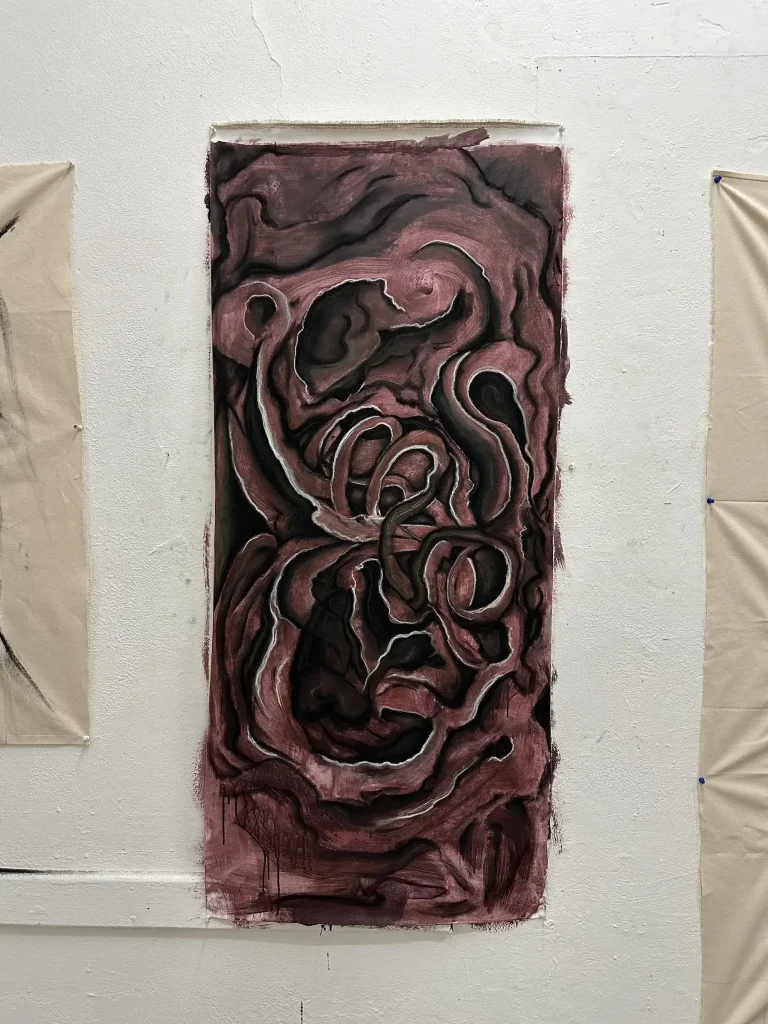
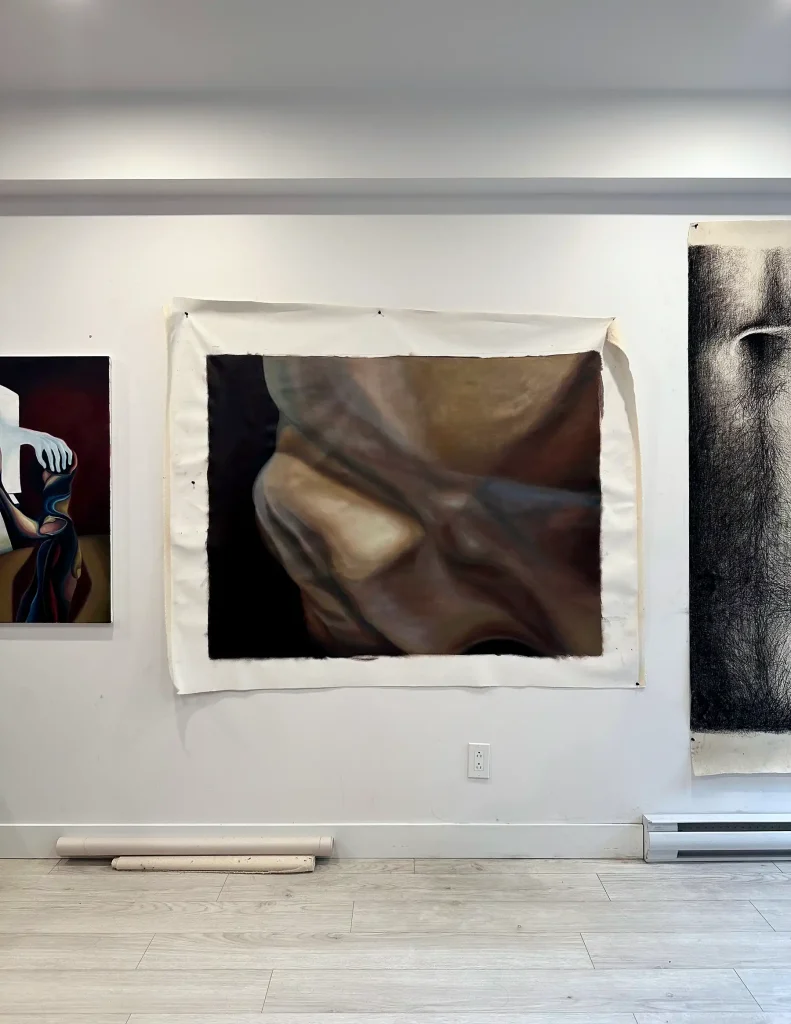
    It started with wanting to look at skin itself. I realized that when you look at skin, you’re also inherently looking at the human form and underlying structures. I started thinking, first, visually, as a first step. Then I made a sculpture that kind of encloses my body, a charcoal drawing of my body. I called it a dissolved or deconstructed body as armor. Because it’s representing how we deconstruct ourselves and how we’re the ethnic queer identity is inherently fluid. It deals with how East Asians and Chinese people have been represented in the media. For example, film and commercial media, where we’re almost always stereotyped and that’s very toxic for the people in my community and for myself personally. Then it moved on to me wanting to explore abstraction. I’ve always had this idea of the body as a landscape. I know that in geography and math, we use computer programs to create topologies, which are kind of like maps that show the different levels and heights of things. I did that with my body for the showcase window, which was a good deadline to have that done by.

    The next step was that I’ve always wanted to incorporate chaos theory and nonlinear dynamics because it was an interesting class that I took in my university. But I just didn’t really know how to do it. Then I relearned it and I learned how to code these models. Now I’m hoping to combine this with the human form in a different way. But it’s still very early stages of the research and the experimentation.

    I’m also hoping to construct some sculptures and maybe a lot more mixed media work on canvas. So I have more freedom.

    Are there any artists or writers who have influenced your work or who you really love?

    I think the first thing would be the post-humanist authors. Donna Haraway and Preciado.
    I think Preciado offers a lot of really interesting insights with his writing. Karen Barad, who I’m reading now, is at the forefront of the new materialist field of philosophy, which is very interesting. And then some artists who inspire me are maybe John Coplans. He photographs his body, but in a very abstract way. And it’s just him naked, headless. It kind of deconstructs the idea of maleness and masculinity. I really like Ivana Basic. She makes very extraterrestrial sculptures, and they’re very cool. They’re very organically shaped, but they’re made with glass and different materials, and they’re huge. Sometimes they’re robotic, so they move and they do cool things. It’s very interesting. They showed me how limitless sculpture can be.

    Was there any specific reason you chose a residency in Berlin?

    I think there were a few. The first was that the city itself, I think, is fantastic. It’s very cultural. There’s a lot of things to do and a lot of people to meet who have very new ideas. I feel like it’s one of the cities that has more of a cultural economy rather than a very commercial art scene. Even though it’s quite professionalized now, I feel it’s quite open.

    You can express yourself more freely than in Paris, for example, which is where I was before. And then second, I have plans to apply for a master’s program. So I was looking for residencies for the beginning of this year, for these three months, and the deadlines are at the end of March. It was the first time I would be able to immerse myself in my practice and really devote myself full-time to creating. So I needed that shift to produce work and to meet other artists and get new ideas and learn how other people work so I could see what would work with me and how to mature in my practice. I think it’s a combination that gave me the perfect circumstances to grow as an artist but also to meet people and explore a new city.

    How was it for you living in the residency with other artists?

    I’ve really enjoyed it so far. I think the best part is definitely having the big walls and the studio right beside all the other studios. We share a kitchen and we get to really interact with the other artists and become friends with them. We’re spending all our time together on this floor. It really allows us to share ideas and help each other figure out new directions or give each other ideas and tips for how to work with new materials. I think that’s helpful. And everyone is very motivated to work, which is good. So there’s a very good energy to create.

    Statement

    My oil painting and drawing practice centers around interdisciplinary scientific and queer thought, drawing on knowledge from my Bachelor’s of Science in Quantitative Biology from McGill University while navigating the tension between scientific objectivity and artistic subjectivity. My work explores the human body as a cybernetic ecosystem, where survival demands our biological systems to evolve with technological advancements and societal power structures, like stereotyped Asian representations in new media. Visually deconstructing and distorting the human form—digitally, mathematically, anatomically—I attempt to represent the body both as a product of these power structures and a site of resistance to them.

    GlogauAIR Project

    The project will explore skin as a dynamic interface for the human condition through a series of 2D and 3D mixed media work. As our body’s most immediate physical barrier with the world, skin is an essential channel for the transmission of stimuli to and from our bodies, acting as a nexus of our internal (biological, psychological, heritage & identity) and external (social, environmental) domains. I will visually investigate skin’s physical and aesthetic characteristics (e.g. structure, coloration, texture) and the influence of various modes of representation, whether physical or digital, on our capacity to perceive skin and the human form. I hope to contextualize these representations within larger societal discourses.

    CV Summary

    FORMAL EDUCATION

    • McGill University, Montreal, Quebec, Canada, 2020 – 2024
    • B.Sc. Quantitative Biology | Minor: Business Strategy | GPA: 3.71 / 4.00

    PUBLIC EXHIBITIONS AND PUBLICATIONS

    • 2024 | Openbach Resident’s Exhibition[group exhibition]
      Openbach Gallery, Paris, France, curated by Nicolas Boucher
    • 2024 Liminal Spaces[group exhibition]
      McGill Fine Arts Commission, Montreal, Quebec, Canada
    • 2024 MOTION. The Emerging Art-scientist volume 1[publication]
      creMAP, Montreal, Quebec, Canada
    • 2024 The Healing Exhibit [group exhibition]
      McGill University Photography Students Society x McGill Arts Collective x McSway Poetry Collective, Montreal, Quebec, Canada
    • 2024 GRAIN volume 1, issue 3[zine]
      MAI/SON, Montreal, Quebec, Canada
    • 2022 McGill Arts Collective Annual Exhibition[group exhibition]
      McGill Arts Collective, Montreal, Quebec, Canada

    COMMUNITY

    • 2022 – 2024 McGill Arts Collective, Montreal, Quebec, Canada | Co-Founder and Co-President
      McGill University’s first multi-disciplinary arts organization with the purpose of fostering a unique community built on cross-medium dialogue, experimentation, and collaboration. Helped to bridge the gap between McGill’s burgeoning fine arts scene and the wider Montreal scene.

    RESIDENCIES

    • GlogauAIR(upcoming), Berlin, Germany — January – March 2025
    • Openbach, Paris, France — November – December 2024

    PRESS

    • November 2023 “McGill and AI: Student artists paint a picture of emerging landscapes”, The Tribune, Montreal, Quebec, Canada
    • September 2022 “McGill Arts Collective champions collaboration in the campus art scene”, The Tribune, Montreal, Quebec, Canada

    Gallery

  • Pauline Kling

    Pauline Kling

    Pauline Kling is GlogauAIR resident
    from January, 2025 to March, 2025

    Pauline Kling, a graduate of the Master’s program in Applied Cultural Studies and Cultural Semiotics at the University of Potsdam, specializes in power-critical analysis of classism, gender, and the political potential of art. She has gained curatorial experience at institutions like Haus der Kulturen der Welt and the Goethe Institute London. Her Master’s thesis, which informs her current project at GlogauAIR, examines social relationships and the concept of collective freedom in social spaces.


    Meet the Curatorial Resident

    Can you tell us about your background and how you got into curating?

    I grew up in the countryside in southern Germany in the area that is called Odenwald. I moved to Berlin in 2016 for my bachelor’s. I did Media and Communication studies and Theater studies and then I did the master’s in Applied Cultural Studies and Cultural Semiotics.

    But maybe to go back to the countryside, because where I grew up, there was not so much art around. In my family, we didn’t go to art museums. This was something I then explored here.

    Back there, the only contact I had with artistic expression was at the local dance school. I spent a lot of time there and was privileged enough to be dancing there quite excessively. When I look back now, I think this was like a flight into a different space where I could express a part of me that I couldn’t express in normal life.

    It’s like I had a voice there that I couldn’t show in other spaces. I think voice in this case is actually interesting because dancing normally is not the space where you speak so much. But I had a ballet teacher, and she said that not everyone’s preferred form of expression are verbally spoken words and that there are many ways to express yourself and that’s all right. I found this very true to myself.

    In the bigger picture of my life, this experience intrigued my interest in art and artistic expression as well as its political dimension. Now with the background of the cultural theory I am interested in the political potential that lies in this artistic expression where it’s a different form of expression. It is not only logo-centric, not only based on reason, but also takes the sensual and aesthetic experience into account. Another thing that I got interested in is spaces and how social spaces and social structures form the way we experience ourselves, our surroundings, how they form us and how we form social space.

    I think in curating, these two interests are connected, how you conceptualize a space and which experience you enable through that and also connecting it with the artistic expression of the artist and putting this together in one room.

    Can you tell us a little bit about the exhibition you’re working on right now?

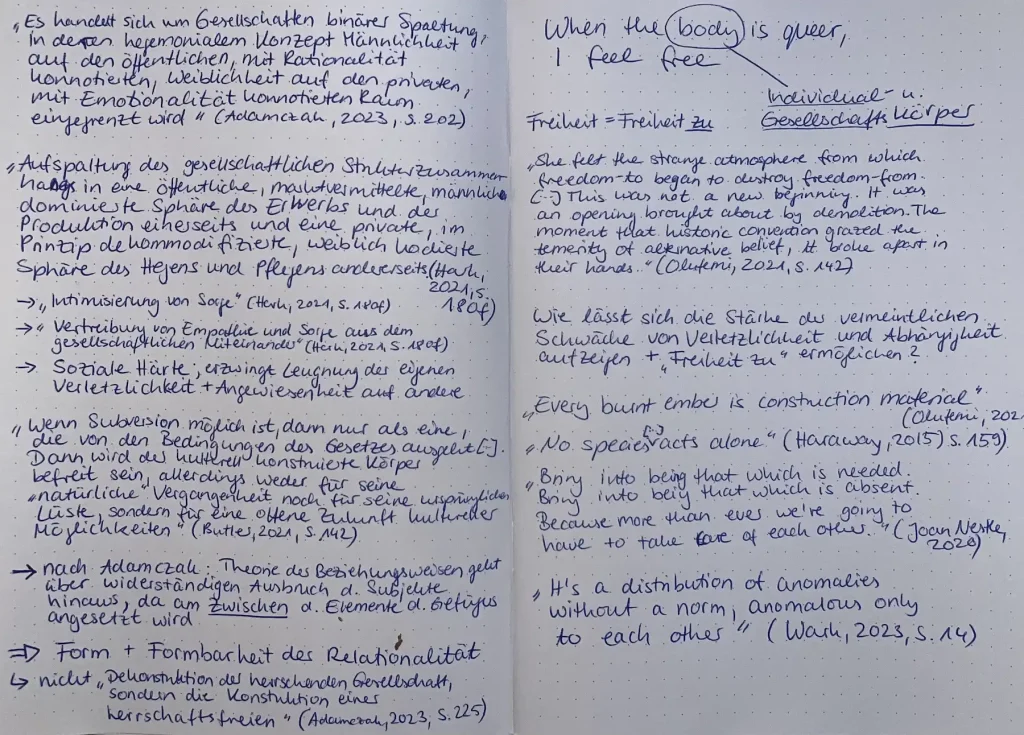
    The exhibition project that I’m working on at GlogauAIR is based on the research I did for my master’s thesis. So it comes from a theoretical background. I got the idea for it through an encounter I had in a club in Berlin. I was dancing next to a person and it was a really nice vibe and so I said – it’s so much fun dancing next to you – and the person replied, “when the body is queer, I feel free”. I really liked what they said and I started thinking about it – what’s the relationship between queerness and freedom and how can this feeling be felt in this space and not in others? I thought more about how we act in those spaces and how we relate to one another in those spaces and in clubs in particular. I thought that inside this club anomalies and differences are not so much compared to one another and they are not so much brought in a hierarchical order but they are standing next to each other. This enables people inside the space to move more freely and to express themselves more openly

    because we are not compared to a norm that we have to fulfill. I started working on this idea on a theoretical level and now in the residency I’m coming back from these theoretical thoughts bringing it back into a space and making it into something that can be experienced, in the form of an exhibition.

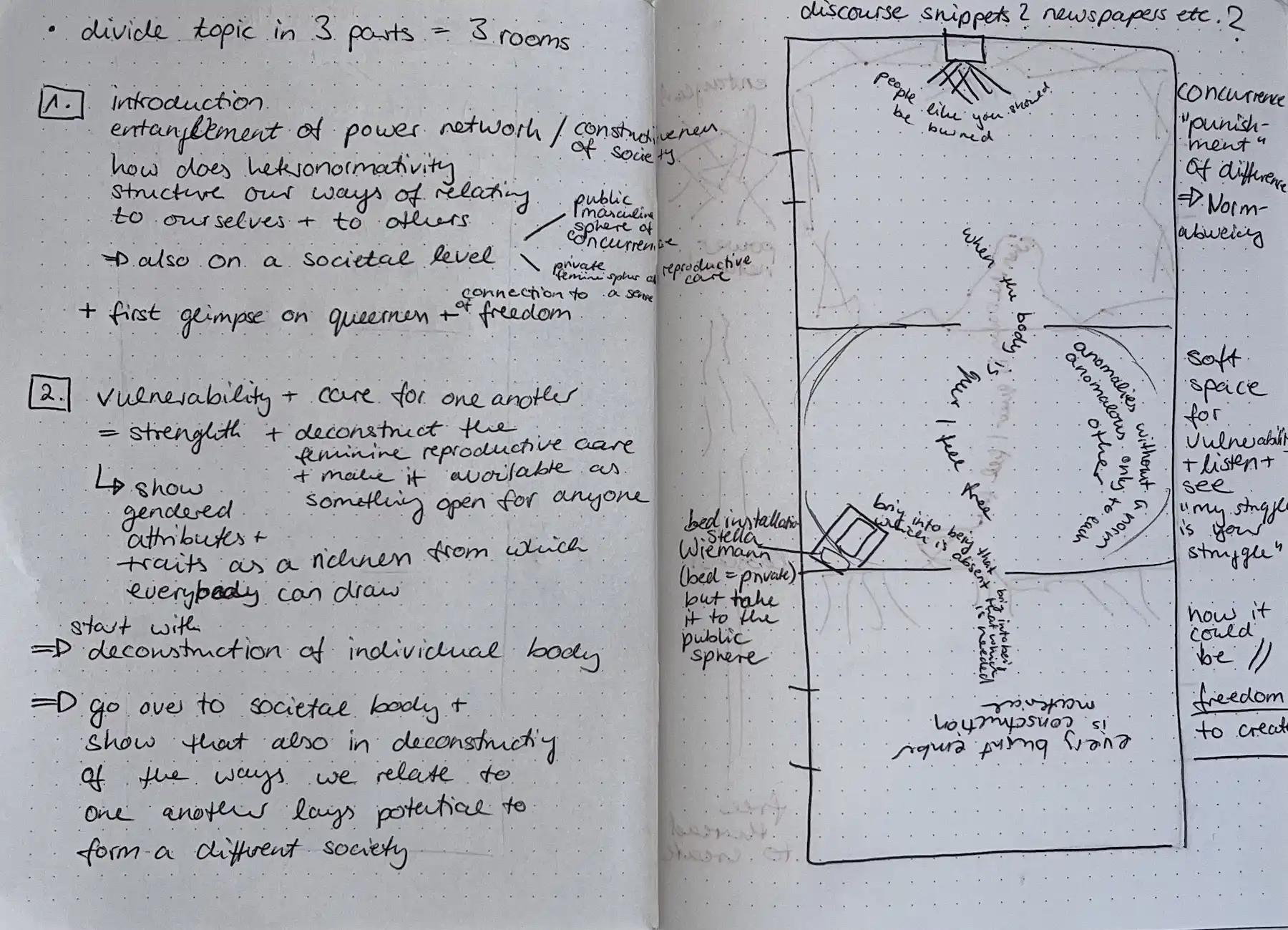
    I think the starting point is this binary division of human characteristics into a male public sphere of competition and a female private sphere of reproductive care. Historically this is based on the way patriarchy has built itself up and the public sphere formed itself as male dominated. The characteristics that are useful in this competition-led public sphere are all these things that make you stronger against someone and bring you up in the hierarchy. On the contrary, all the characteristics that help to regenerate, to heal from the competitive way of relating, that are not against each other like care and vulnerability, are more in the private sphere, which is in this historically grown construct traditionally more female. The ones who fit in the best in this construct are the most “successful”, everybody who doesn’t is lost in this hierarchy.

    What I would like to make accessible or experienceable in the space would be first the deconstruction of this construct. By deconstructing this binary system the characteristics become a richness from which we can draw to build new constructs.

    I will start in the first room with an introduction and show this entanglement of the components and then lead to the next room by deconstructing it and giving the more oppressed, private sphere the female-labeled characteristics a space and show them as a strength. So we’re leading through a tender and vulnerable space of care and then reaching into the third room this open end where I would like to show that freedom is not only being freed from something – old structures etc, which comes from being against, resisting against something, but also freedom is to be free to – Being free to create something new, new structures and new ways of being with one another.

    Can you tell us a bit about your process while working on the exhibitions? What gives you inspiration? What are some challenges you face?

    As I said, my work is coming from a theoretical background and now I’m moving it into a real space. For the thesis, I also wrote an exhibition concept, but that was completely fictional. So I had all the possibilities imaginable. But now I think the challenge is to come from this theoretical concept and this fictional space that I created, to bring this into a real space that has limits.

    I started with just walking through the space and looking at how different parts of the narrative that I would like to tell could fit into these three rooms. And then I did some thinking about how I would like the viewers to walk through and what I want them to experience. I started imagining what they see and what they feel in this space. The storytelling helps, you keep a story in your mind and then you follow it. I am just thinking now, that maybe my dancing background has something to do with the way I get inspired by moving through space with a narration in mind.

    For me it is the hardest part, the path from the idea to the real thing. You need to let go of many things. And sometimes it’s very sensitive. Especially when you look for artworks that

    fit, they maybe don’t tell exactly what you want to tell and then you have to open up to what they actually tell and what you could use from that to build the bigger picture.

    I think that’s challenging for me. Because it’s also the first time that I actually curate something.

    And is it your residency as well? How is it going?

    I really like it. It’s a very nice experience. I didn’t study at an art school so this is the first time that I’m in an artistic working environment. I’ve done some internships in cultural institutions where I had contact with the artists as well. But it’s different to be actually in a creative situation. Not just working administratively. I think it’s very inspiring because I realize it’s a different way of talking about art when we do studio visits or even talking to the artists here at GlogauAir. It’s an inside view you get from practicing, understanding how artists work. I really like that I get this perspective now as well.

    Who are some artists, writers, curators who have influenced your curatorial practice?

    I think it’s probably writers who inspire me. I really read a lot in the last few years.
    I would like to include some quotes of these writers in the space and to lead through the space with those quotes. Because that’s where the idea came from. I don’t like it so much when in exhibitions, there’s like a huge text and you first have to understand and then you go through the space. Sometimes those words are just too big for what you see in the exhibition or they take away a feeling. I will use some quotes by Lola Olufemi. She’s a queer futuristic writer and I like the way she writes. She writes poems and in the same book she just swaps from the poetic to theory and then to fiction. I really like the way she connects theoretical ideas with artistic style of writing. I also like the theoretical thoughts of Bini Adamczak because she looks at society and the way we relate to one another, how the social structure is organised by the binary division into male/female public/private spheres and how a transformation of the societal constellation is possible. That also informed the exhibition a lot.

    Statement

    Pauline Kling is a graduate of the Master’s program “Applied Cultural Studies and Cultural Semiotics” at the University of Potsdam. Her work focuses on power-critical analysis related to classism and gender, as well as the political potential of art.

    She has gained curatorial experience through intern and assistant positions at institutions such as the Haus der Kulturen der Welt, the Goethe Institute London, and through smaller projects.

    In her Master’s thesis, she explored the themes key to her current project at GlogauAIR, focusing on the analysis of relationships in social spaces and the question of collective freedom.

    GlogauAIR Project

    Pauline will participate in the curatorial residency at GlogauAIR, realizing the exhibition When the body is queer, I feel free., developed as part of her Master’s thesis. The project explores the title giving quote from an acquaintance shared while dancing together at a Berlin club, raising questions about the relationship between the body, freedom, and queerness. Through a poststructuralist, queer, and relational lens, she investigates the emancipatory potential of queering heteronormative modes of relations, aiming to create a space where individual subversion and collective solidarity are intended to be experienced as practices through which people can feel freedom, making care the guiding principle of public interaction.

    CV Summary

    Work Experience

    • 11/2024 – current: Assistant Event Production, DANCÆ Berlin
    • 05/2023 – 03/2024: Student Assistant Collaborative Research Centre Intervening Arts, Freie Universität Berlin
    • 09/2022 – 06/2023: Discussion Series “We want to talk!”, Staatsballett Berlin
    • 06/2022 – 09/2022: Internship Visual Arts and Film, Haus der Kulturen der Welt Berlin
    • 04/2021 – 06/2021: Curatorial Assistant Britta Adler, Berlin
    • 09/2020 – 12/2020: Internship Cultural Department, Goethe Institute London
    • 09/2019 – 03/2024: Student Assistant Institute Media and Communication Studies, Freie Universität Berlin
    • 03/2018 – 09/2018: Assistant POOL 18 Tanz Film Festival, Dock11 Berlin

    Publication

    • 12/2024: Kling, P. (2024). Das politische Potenzial der heterotopischen Kunsterfahrung. In E. Kimminich & M. Schröer (Eds.), Protest. Allgegenwart und Wandelbarkeit – Symbolik und Wirkmacht einer soziosemiotischen Praktik(pp. 53-72). Ergon, Baden-Baden.

    The article examines the effects of art from a semiotic and poststructuralist perspective. It investigates to what extent the art experience can intervene in the subjectivation process of the recipients.

  • Clara Silveira

    Clara Silveira

    Clara Silveira is GlogauAIR resident
    from April, 2025 to June, 2025

    Clara Silveira uses a variety of media in their work to explore the tension between fiction, reality, memory, trauma, and identity. Silveira seeks to explore the dark spaces that coexist between the intimate and public spheres, addressing themes of love, loss, femininity, and violence. Silveira intends to use the community as a driving force within her process.


    Meet the Artist

    Could you tell us a bit about your background and the project you are proposing for this three-month residency at GlogauAIR?

    I’m a Brazilian multimedia artist with a nomadic background—I’ve also been a tango dancer for years, and that sense of movement and connection definitely seeps into my work. For this residency, I’m developing four projects that orbit the same themes but use different materials.

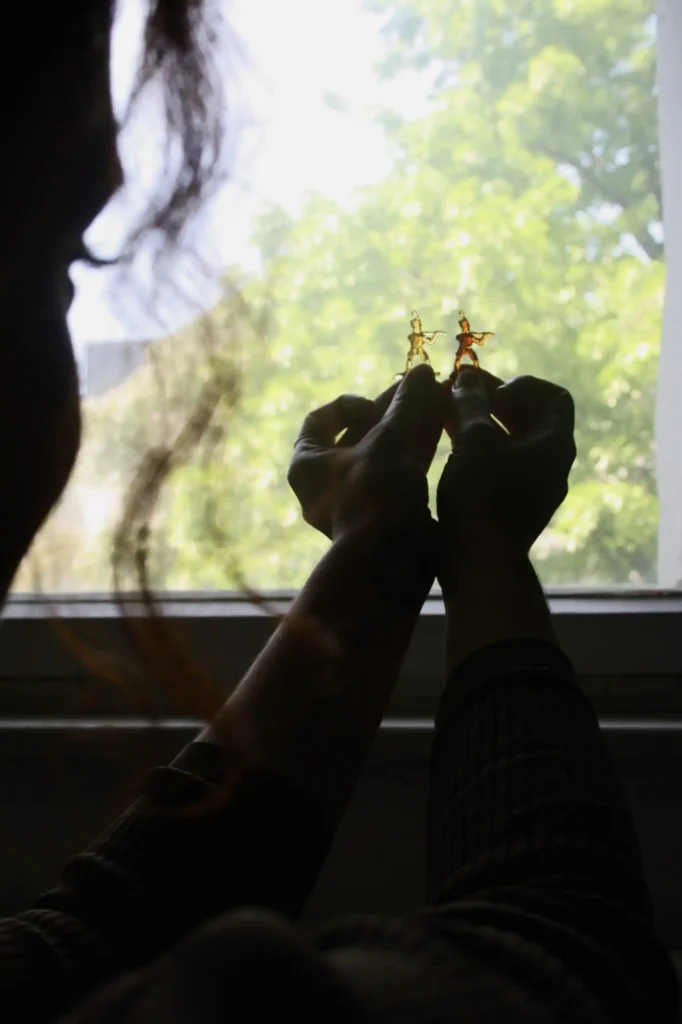
    Recently I started working with a lot of perishable materials. One piece involves tiny figures cast in burnt sugar. For this specific piece, I’ve been reproducing two objects I carry with me: a toy soldier and a saint figurine, both found randomly on the street in Brazil. I took a few molds before coming here and now I’m reproducing these figures in sugar.

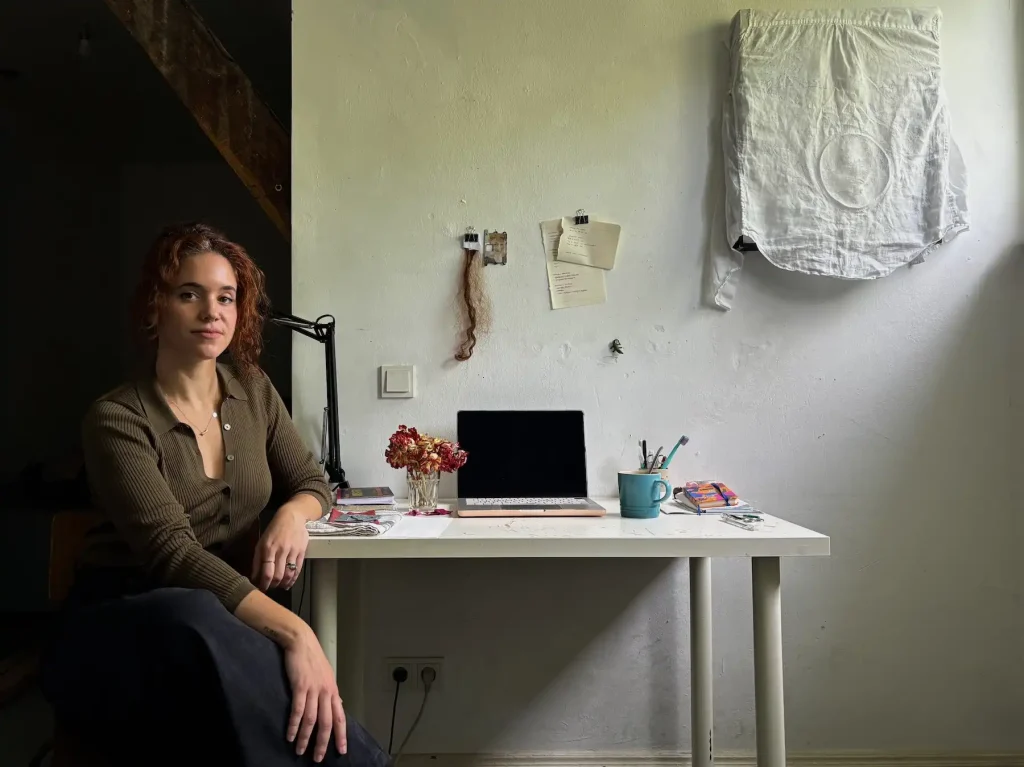
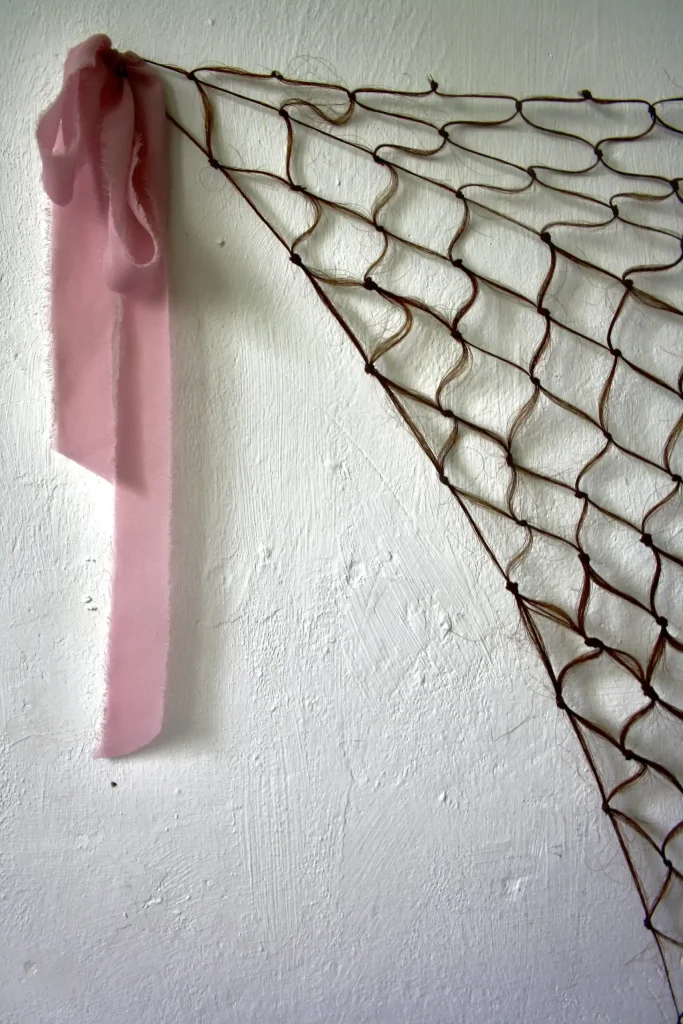
    Another project is a net woven from human hair—my own, my mother’s, my sister’s, even strands friends donated before I left. It’s slow, intimate labor. I’m also working with fabric, using a technique called drawn thread where I pull out individual strands to “draw” absence into the material.

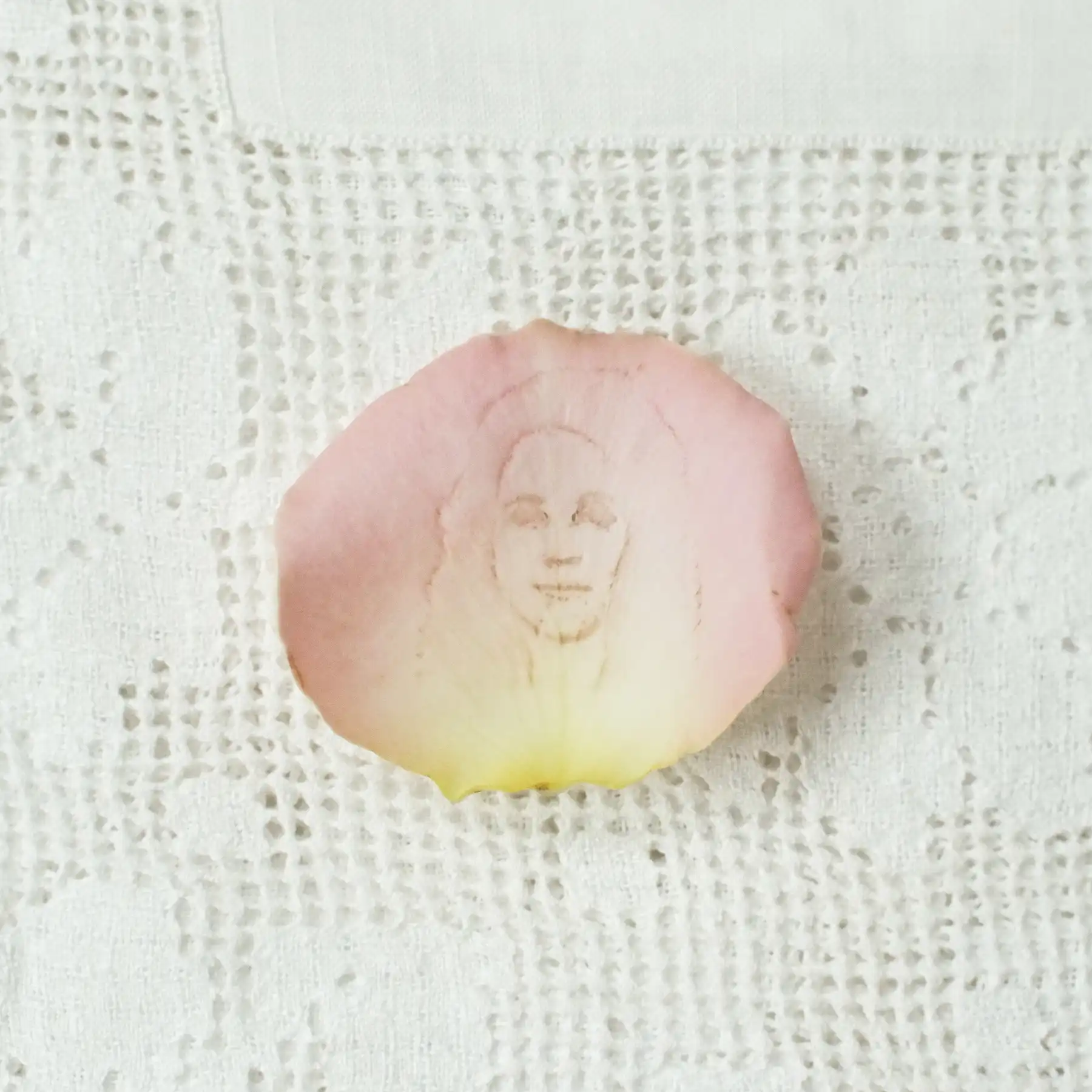
    And finally, porcelain lithophanes—thin panels where images only appear when backlit. All these materials—sugar, hair, thread, porcelain—are about what lasts, what fades, and what we reconstruct in between.

    Can you tell me a little bit about the subjects that you explore inside of your work?

    Mainly I’m interested in how violence shapes memory. I focus on grief, loss, and domestic experiences – particularly those traditionally tied to femininity – and how they reshape the way we structure our personal histories.

    I strongly believe the personal is political, so these intimate experiences don’t exist in isolation. They indicate wider social patterns and collective memory.

    What led you to work with porcelain and lithophanes as a medium to explore memory and personal archives?

    Well, first I thought it would be interesting because lithophanes were popularized by Germany, particularly by the Prussian Königliche Porzellan-Manufaktur (KPM) in Berlin, in the 1820s.

    They would often depict domestic or religious scenes. I very much like this resource, how the images conceal and reveal themselves depending on the light. It makes a great metaphor for memory. Every time you return to a memory, you’re reshaping and re-editing it. That’s why I think lithophanes work so well for talking about memory.

    Your work seems to be shaped by processes of grief, loss and trauma. How do you transform these kinds of experiences into artistic material?

    I think when you have a very intense experience – whether it’s grief, loss, violence, or even something sublime that’s happy in a way – whenever it’s too intense, it exposes a radical fracture between the experience itself and language. It resists articulation, but still it must be expressed somehow. I think that every time I’m working on a project, I’m trying to express it, understanding that I will probably fail on this.

    Every time I’m working on a project, I’m trying to express that, while understanding I’ll probably fail. I’ll never fully capture it. But there’s beauty in this exercise: trying to articulate what’s unsayable – what can’t be contained in words or images. That attempt itself, trying to say what can’t really be said, that’s what drives the work.

    In your work, fiction and reality come together. How do you balance these elements, and what kind of effect are you hoping to evoke in the viewer?

    At first, blending fiction and reality was a necessity. Since I depart from personal stories, sometimes they were too painful. So fiction would help to dissolve the reality or even to hide real names or the rawness of what had happened. It was more like a very conscious choice to protect myself from excessive exposure.

    Now, I use this approach differently. By creating intentionally unstable ground, I invite viewers to project their own experiences onto the work. There is a more flexible and interesting backdrop to work with. It also helps me to maintain things in a broader perspective.

    Emotionally, it helps me maintain perspective, while allowing others to find their own connections. I wouldn’t call it universal, but it opens the work to multiple truths.

    In your project, you mentioned that you don’t aim to shed light on the subjects you explore, but rather to inhabit the dark spaces between the intimate and the public. Could you elaborate on how you approach this tension in your practice?

    Light is essential—both its presence and absence. It’s what makes the work work. My practice lives in that tension: giving form to experiences that resist being put into words, yet demand to be expressed. Memory itself is unstable—a landscape that keeps shifting. When I can’t pin something down as absolute truth, when it keeps changing, it transforms how I tell my own story, both consciously and unconsciously.

    Light and darkness become metaphors for this duality: what’s known and unknown, what’s remembered and forgotten. There’s no universal truth—only facts filtered through subjective lenses. This resonates deeply with contemporary movements in South America, where we’re re-examining colonial histories, or grappling with today’s political chaos—fake news, AI-generated “truths,” and distorted narratives.

    We’re in a very interesting and dangerous moment at the same time—one that demands a lot of critical thinking, historical context, and a lot of source checking and a historical perspective to understand things. My work inhabits that unstable space, where light reveals some things while leaving others in shadow.

    Statement

    Through a variety of media my work explores the tensions between fiction and reality, memory, trauma and identity. Rather than shedding light to it, I seek to explore the dark spaces that coexist between the intimate and public spheres, addressing themes of love, loss, femininity and violence. Drawing from intimate experiences and family histories, I seek to intertwine memory processes with collective and plural narratives, unraveling the complexities of power dynamics in the subjectification of the individual. Community not only serves as a foundation in this process but also as a driving force, involving artists and diverse groups through mediums such as painting, sculpture, performance, and video.

    GlogauAIR Project

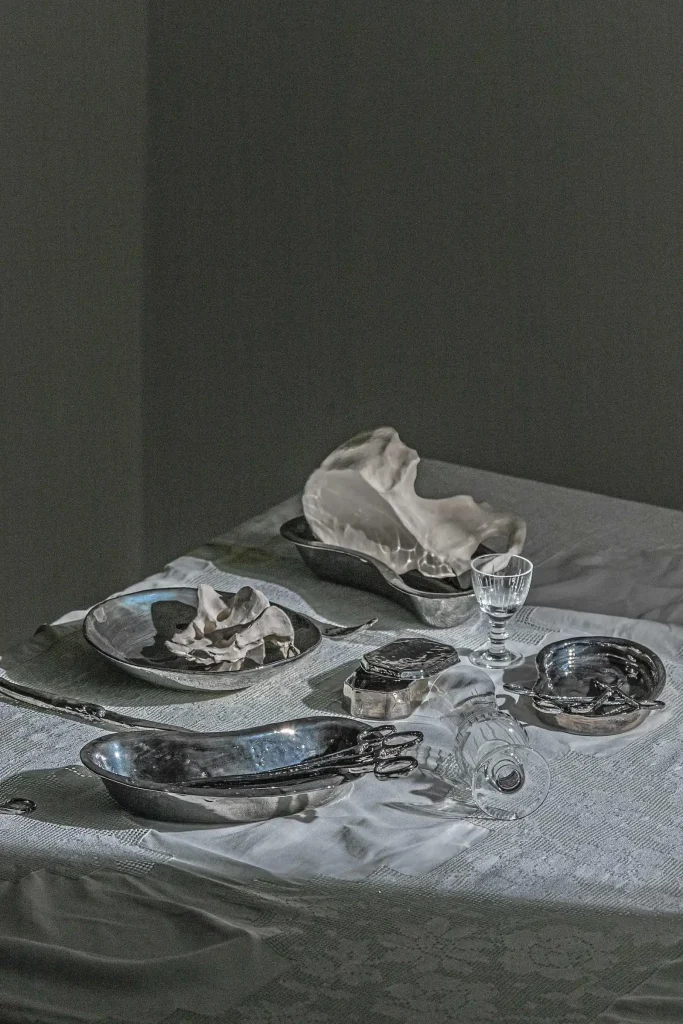
    Installation that features a series of porcelain lithophanes showcasing personal images from the artist’s archive. Lithophanes involve delicately carving or molding thin porcelain sheets to varied thicknesses, resulting in exquisite translucent pieces that, when backlit, reveal intricate designs. This project aims to delve into memory processes and archiving, building upon the artist’s previous work titled Dinner Table. While historically, lithophanes often featured conventional and sentimental domestic scenes, this project seeks to explore a nuanced approach to these nostalgic images. Originating in France in the 1820s and popularized by Germany, particularly by the Prussian Königliche Porzellan-Manufaktur (KPM) in Berlin, these “Berlin transparencies” offer a rich historical context for the exploration of light, memory, and materiality in art.

    CV Summary

    AWARDS & RECOGNITIONS

    • 2024 PNAB Circuito Catarinense de Cultura Award (Brazil)
    • Project Orientation Program with artist Regina Parra
    • Project Development Program at Centro Cultural Veras (Brazil)
    • GlogauAIR online residency (Germany)
    • 2023 Selected at Viafarini-in-Residence program (Italy)
    • Official selection at The Dance Museum (Sweden)
    • 2022 Best Choreography nominee at Exeter Film Festival (England)
    • Semi-finalist at FIVC Dancefilm Festival (Chile)
    • 2021 Aldir Blanc Prize for “Chororô” and “EXIT” (Brazil)
    • REDIV: Honorable Mention (Ibero-American Dancefilm Festival)

    EDUCATION

    • 2008 Initiated bachelor degree at UDESC (Brazil). Volunteer researcher and co-author on academic publication.
    • 2010 Academic exchange at the Faculty of Fine Arts in Barcelona (Spain).
    • 2015 Bachelor in Fine Arts from the University of Barcelona (Spain).

    EXHIBITIONS (GROUP SHOWS)

    • 2009 Official Selection at Video Art Exhibition at the Museum of Modern Art of Rio de Janeiro (MAM) (Brazil).
    • 2010 “Reprodutíveis” Fundação Cultural Badesc (Brazil).
    • 2012 “Atraco a mano alzada” a collaboration between the University of Barcelona and the Museo Nacional de Arte de Catalunya MNAC (Spain).
    • 2013/15 “sensa títol” selected twice for the annual exhibition at the University of Barcelona (Spain).
    • 2021 Official selection at festivals: Dancinema (USA), Melrose Film Festival (USA), Festival Híbrido (Brazil), Cámara Corporizada (Argentina) and IMARP (France and Spain).
    • 2022 Official selection festivals: Jacksonville Dance-Film Festival (USA), Cultu’Halle Film Festival (Switzerland), Cuerpo Mediado (Argentina), PINUS (Brazil), Rogue Dancer (USA), EDIFF (England), FIVC (Chile).
    • 2023 Official selection at NY/BA (USA and Argentina), HipHop Cinefest (Italy), ScreenDance (Sweden).
    • Participated in the Open Studio show at Viafarini and at Spazio Xenia (Italy).
    • 2024 Centro Cultural Veras, Group Show (Brazil)
    • Virtual Open Studio GlogauAIR (Germany)

    PUBLICATIONS & INTERVIEWS

    • REDIV: IBEROAMERICAN DANCEFILM PRIZE 2022 | Online interview on Argentina’s Dance Week
    • TELEVISIÓN PUBLICA ARGENTINA 2019 | Tango Showcase on TV (Argentina).
    • CLARÍN 2017 | Interview for article Tango for Export (Argentina).
    • FRAGMENTOS CONSTRUÇÃO 2013 | Co-author of the book on the work of the Brazilian artist, Luiz Henrique Schwanke (Fragmentos – Construção II: imagem – acontecimento / Rosângela Miranda Cherem and Sandra Makowiecky, Florianópolis: COAN, 2013).

    Gallery